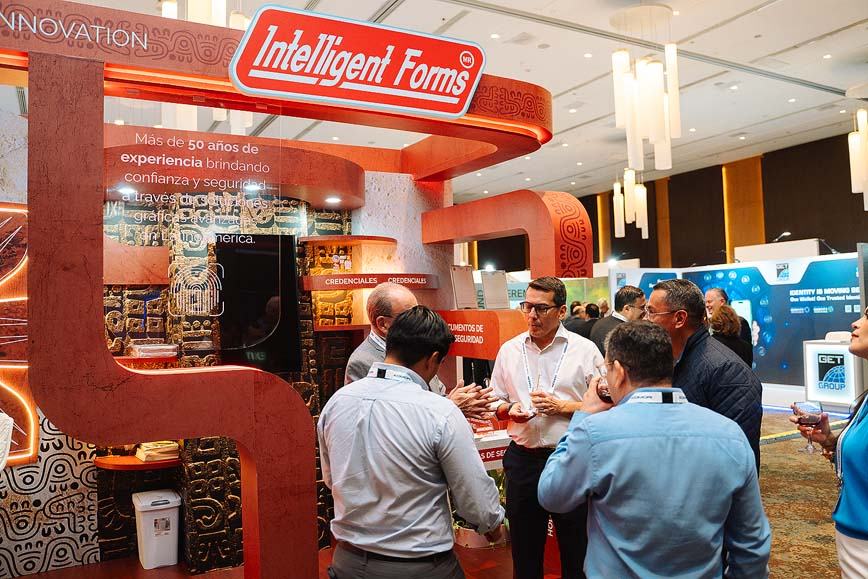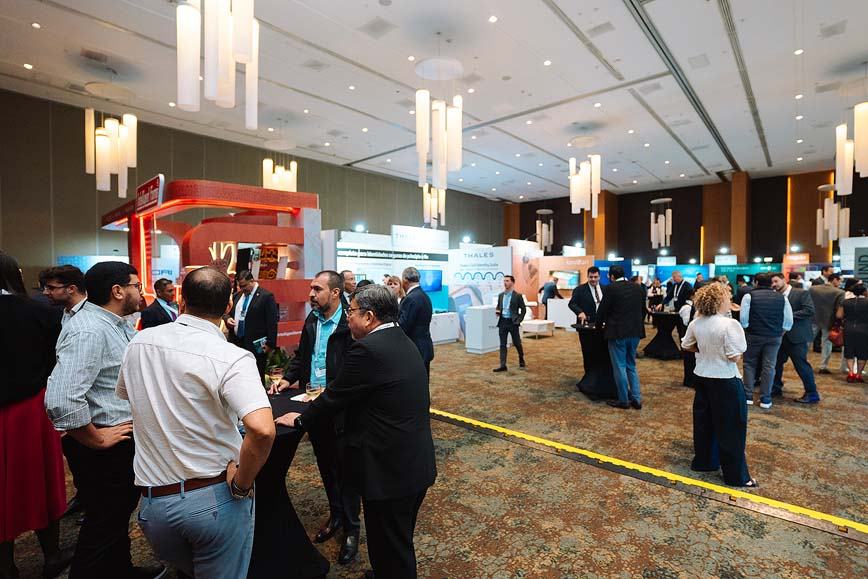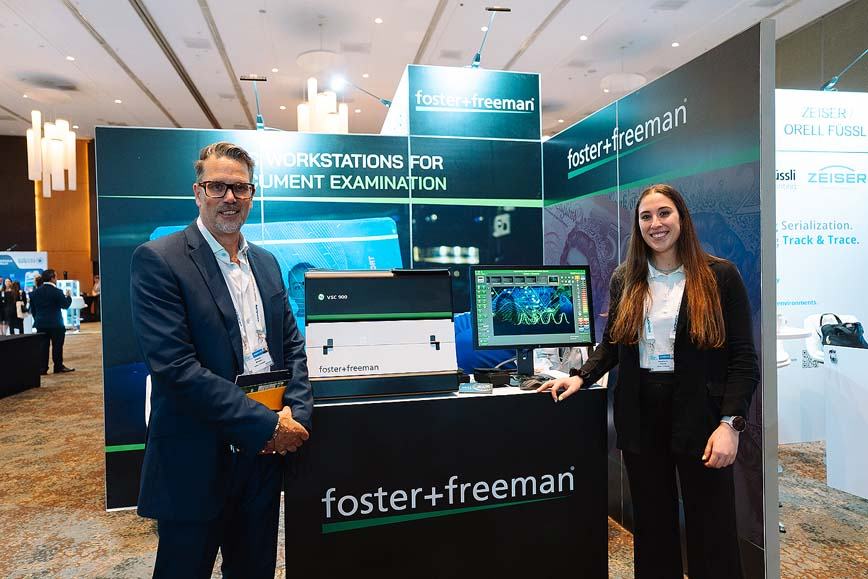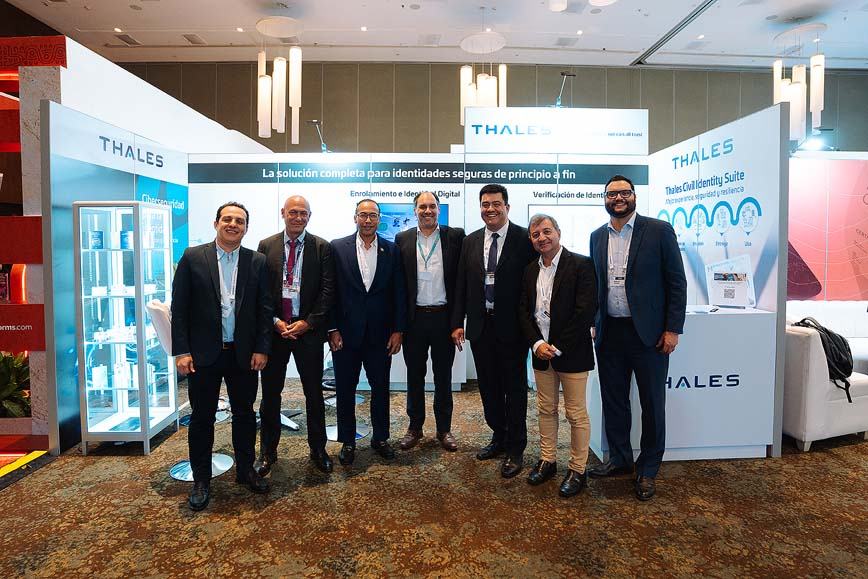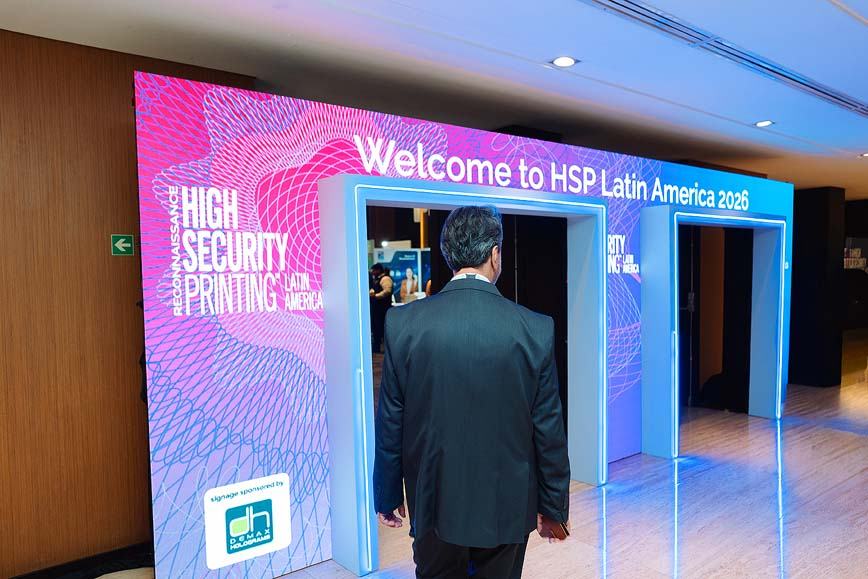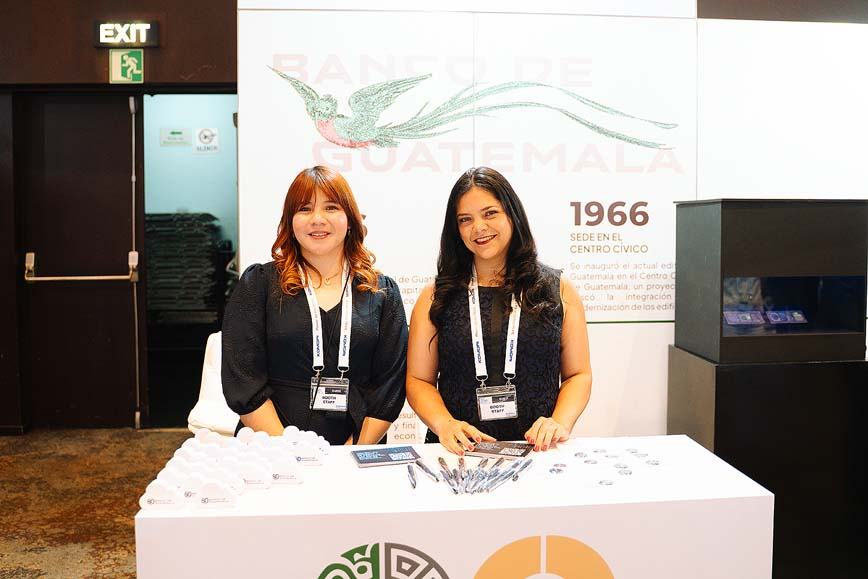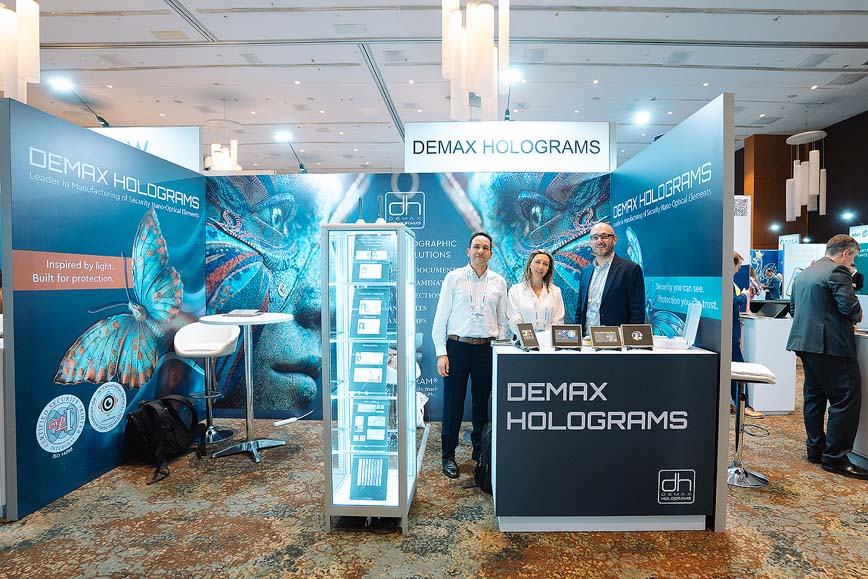
Guatemala City, Guatemala · 1–3 June 2026

2026 Review

Thank you to all our sponsors, exhibitors and partners for your support.
Canadian Bank Note CompanyIQ Structures & Hueck FolienDe La RueIN GroupeKomori CorporationLandqartOberthur FiduciairePolish Security Printing Works (PWPW)SICPAJURAPARVIS Systems and ServicesLeonhard KURZ & OVD KinegramLuminescence Sun Chemical SecurityApplied Laser EngineeringCETISDrewsen SpezialpapiereMaskTech & Melzer MaschinenbauOrell Füssli Security Printing & ZEISERRegulaXW Reflective

HSP 2026 in Guatemala: Identifying New Technologies and Strategic Initiatives
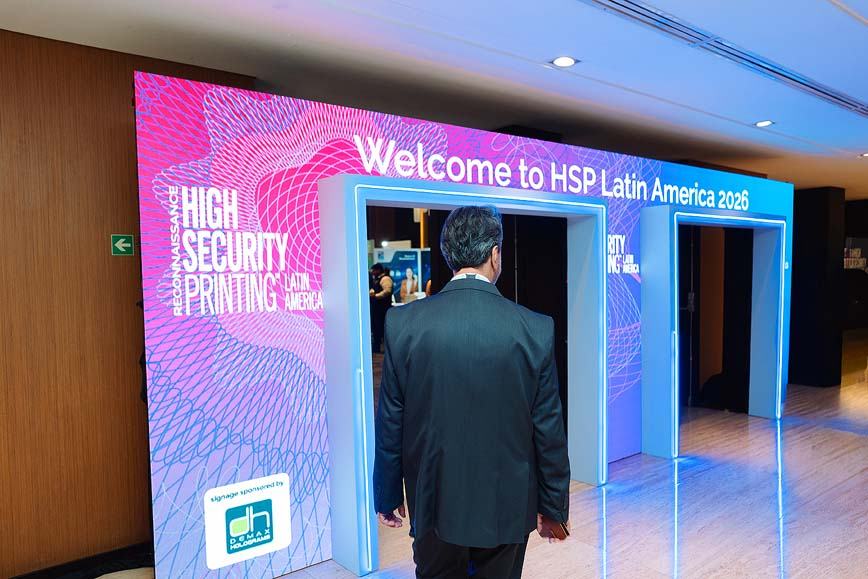
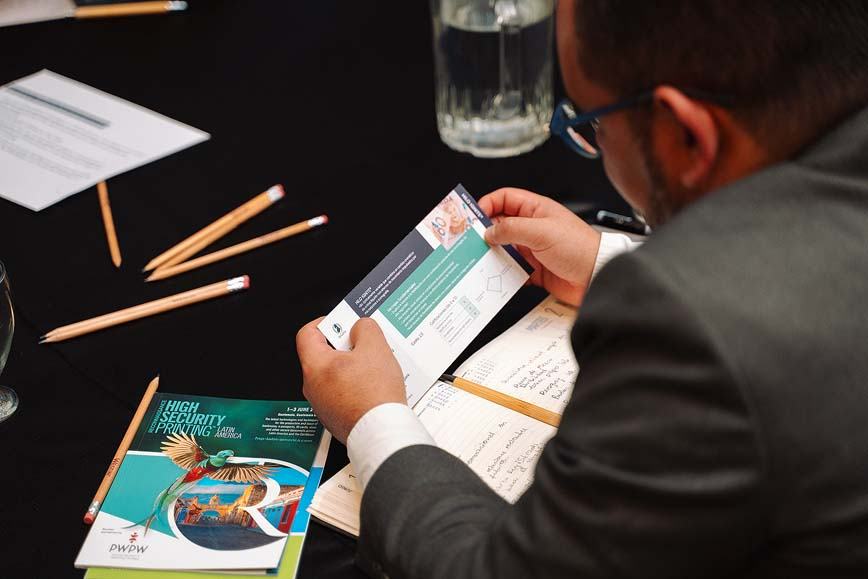
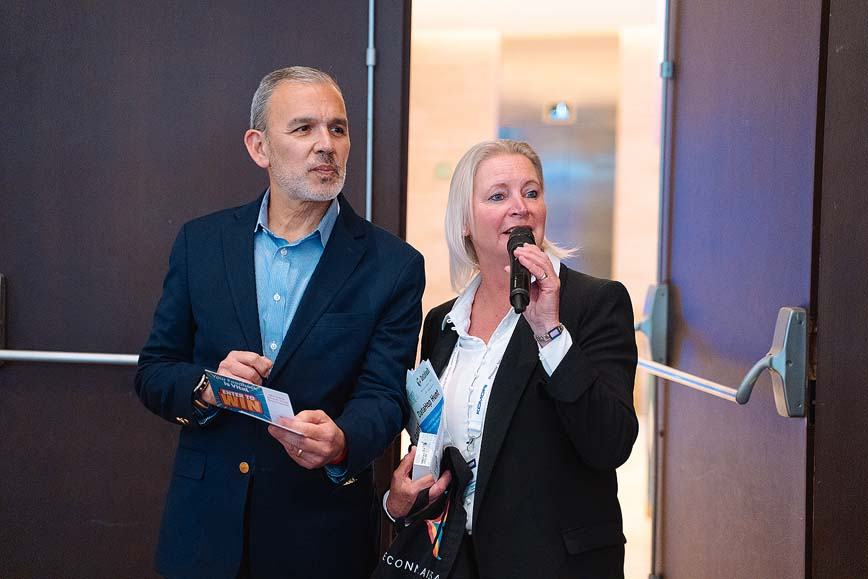
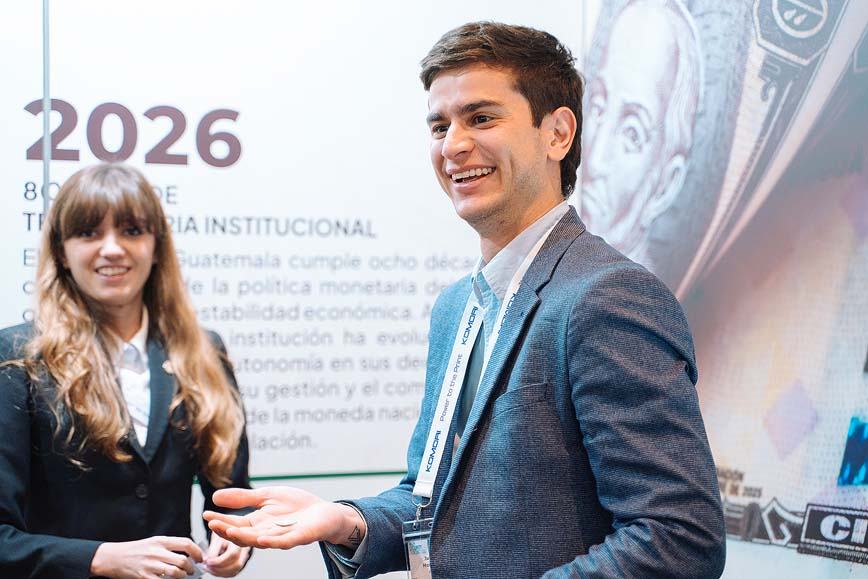
HSP Day2 Exhibition KAOKOSt 24

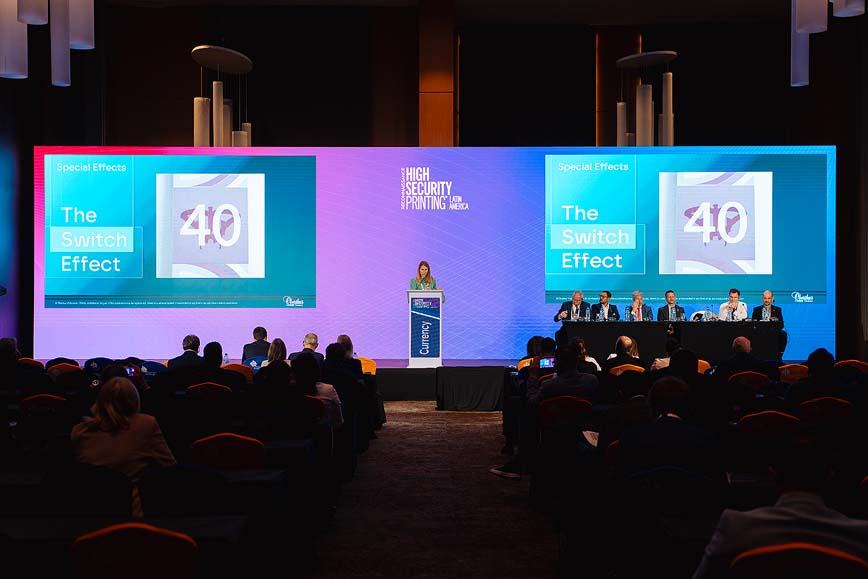
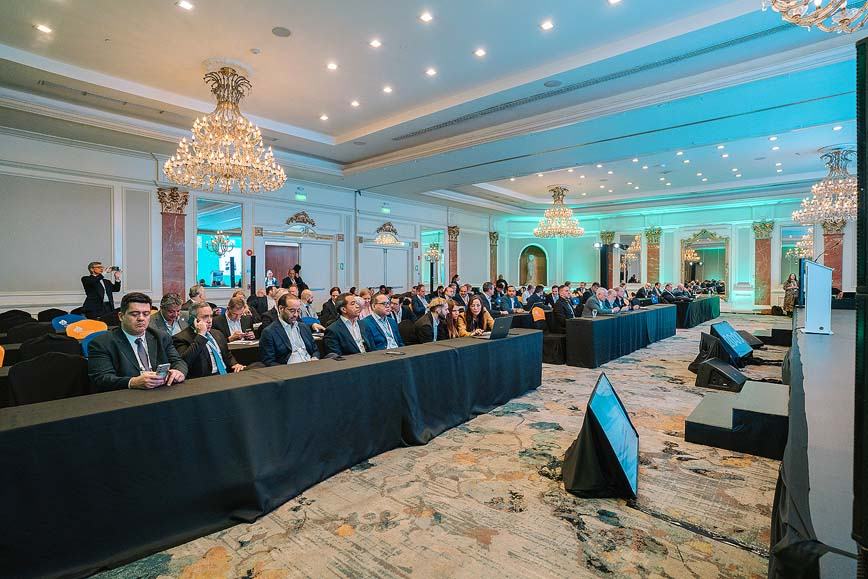
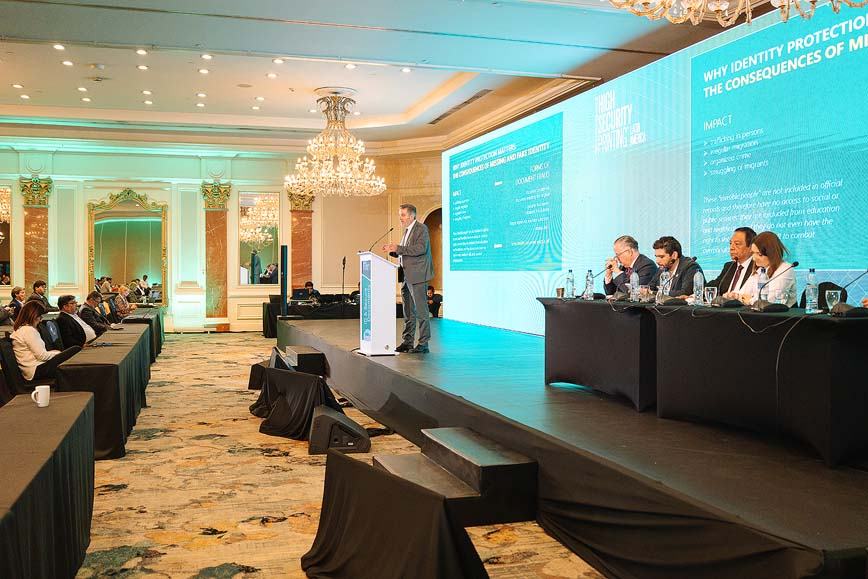
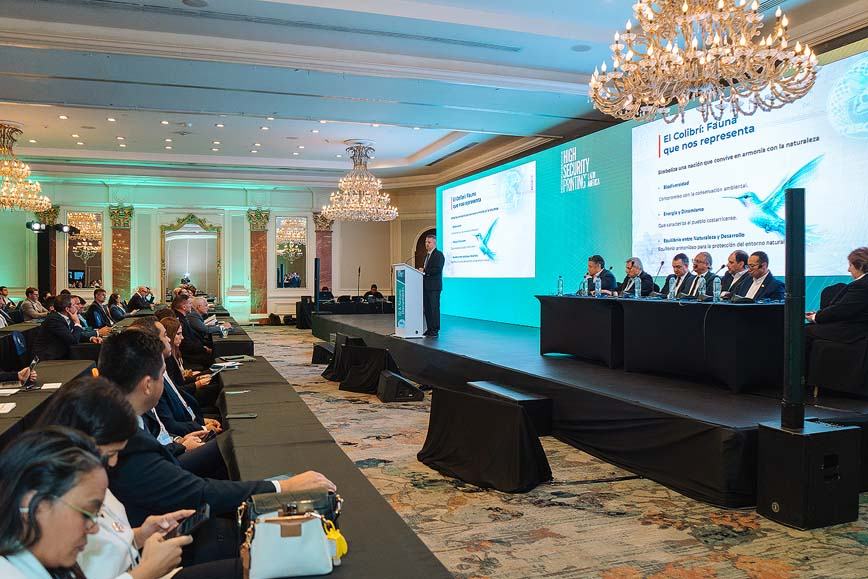
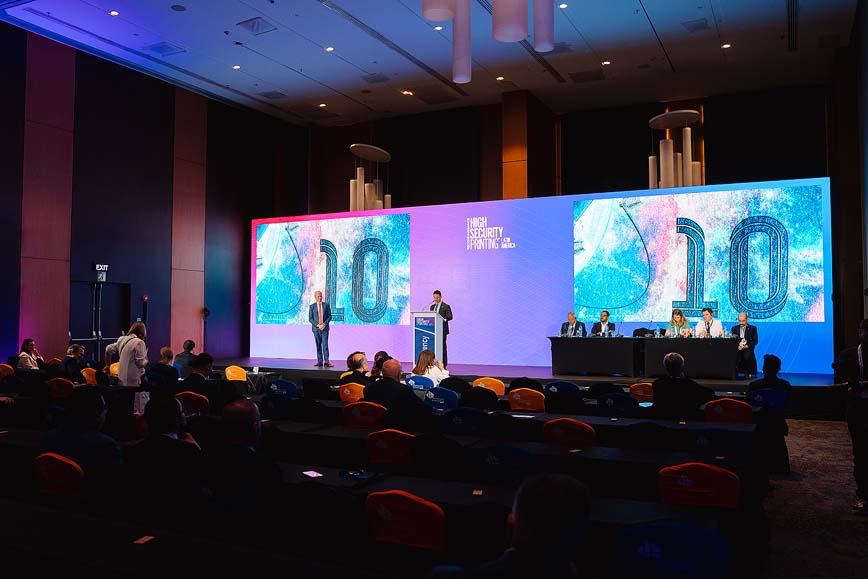
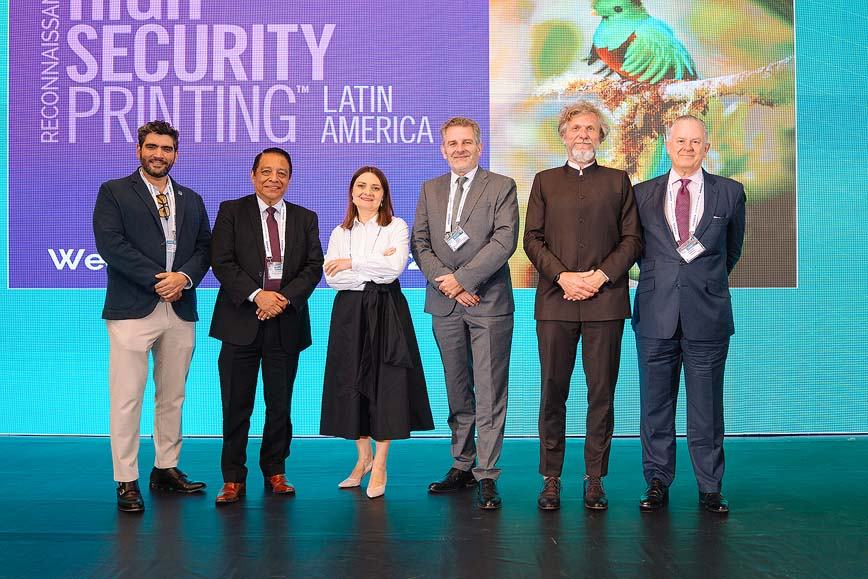
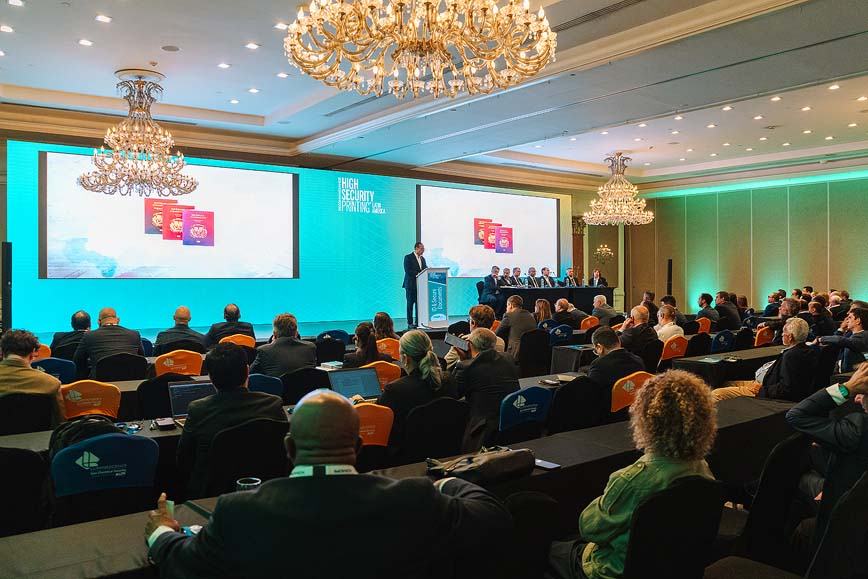
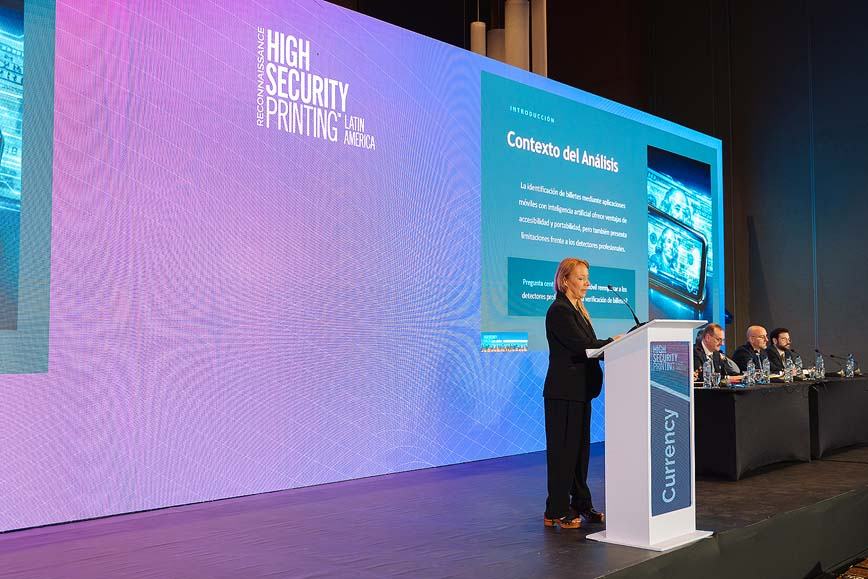
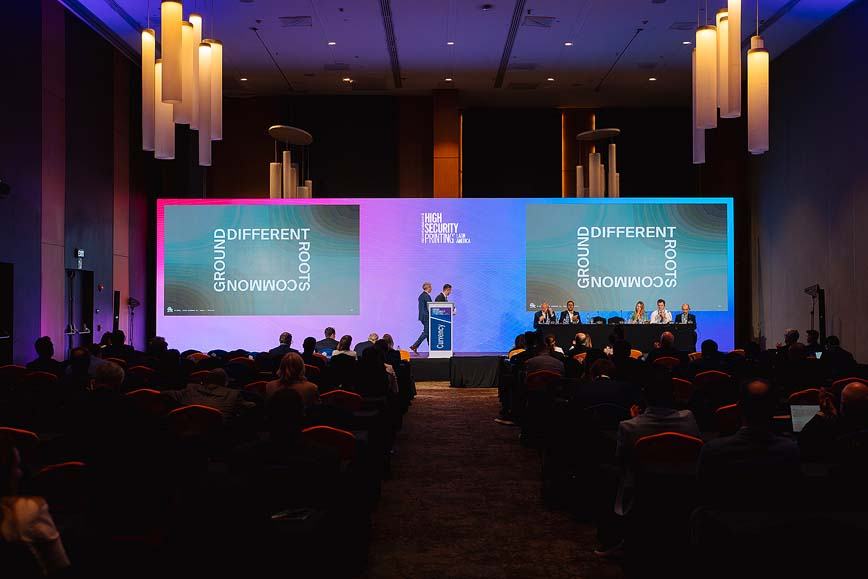
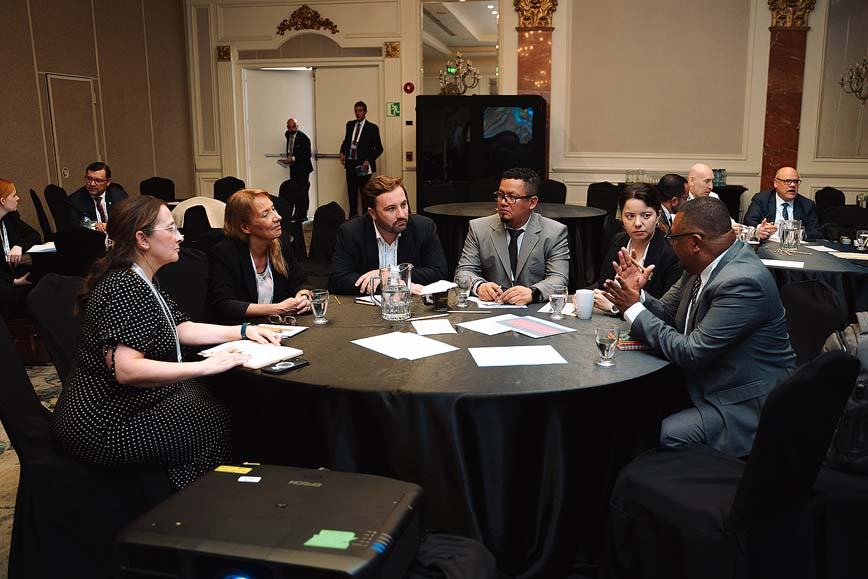
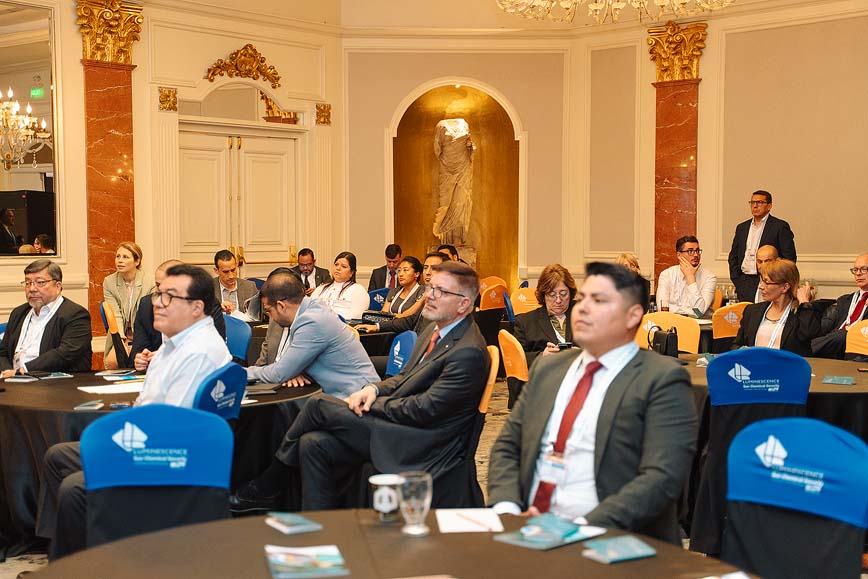
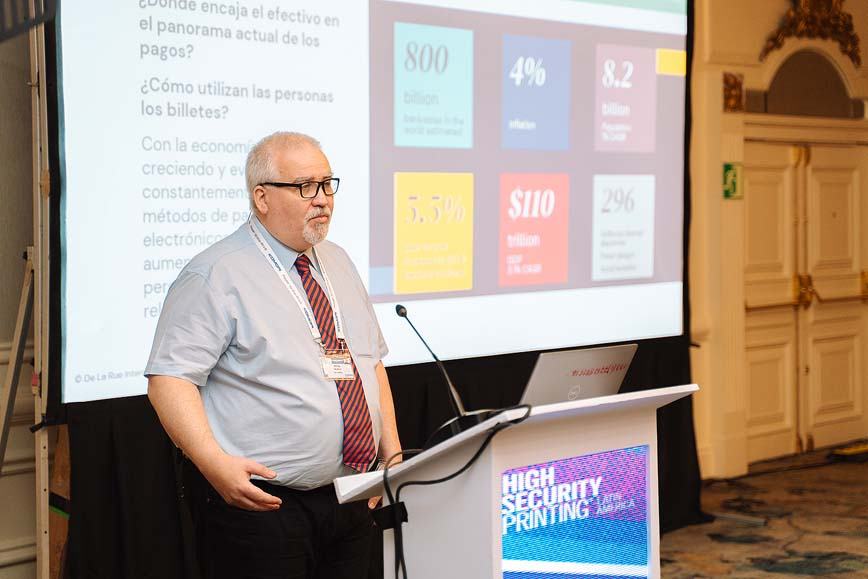
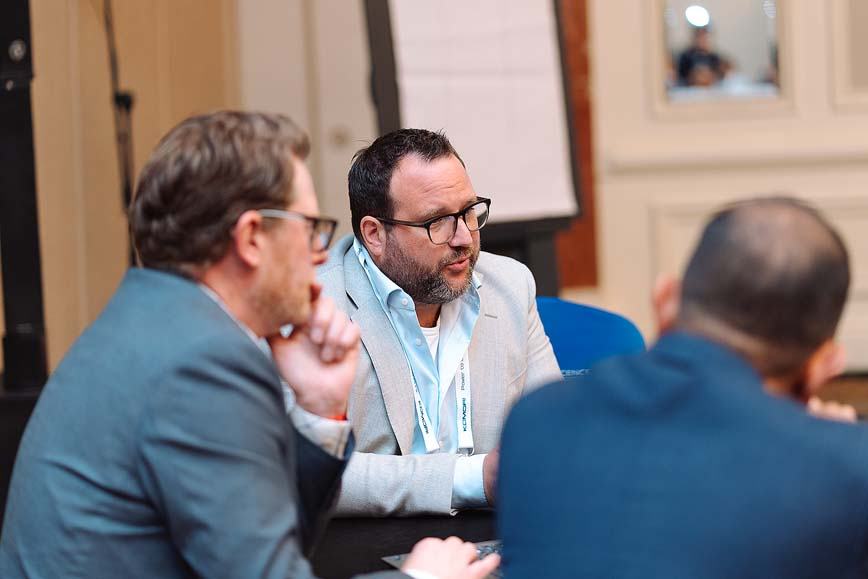
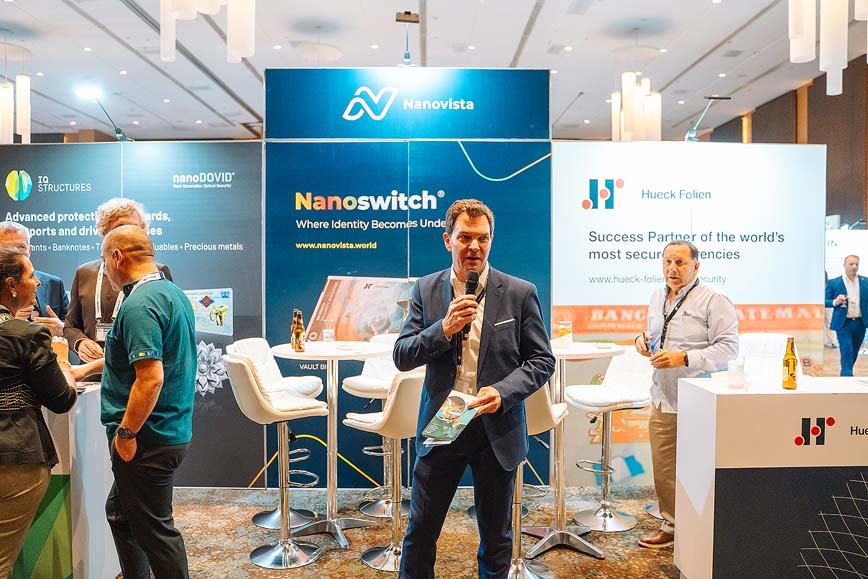
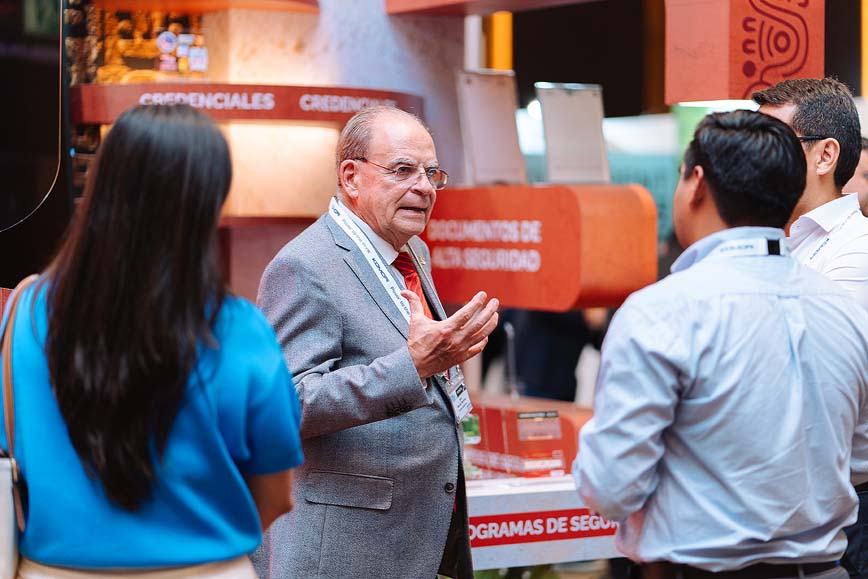
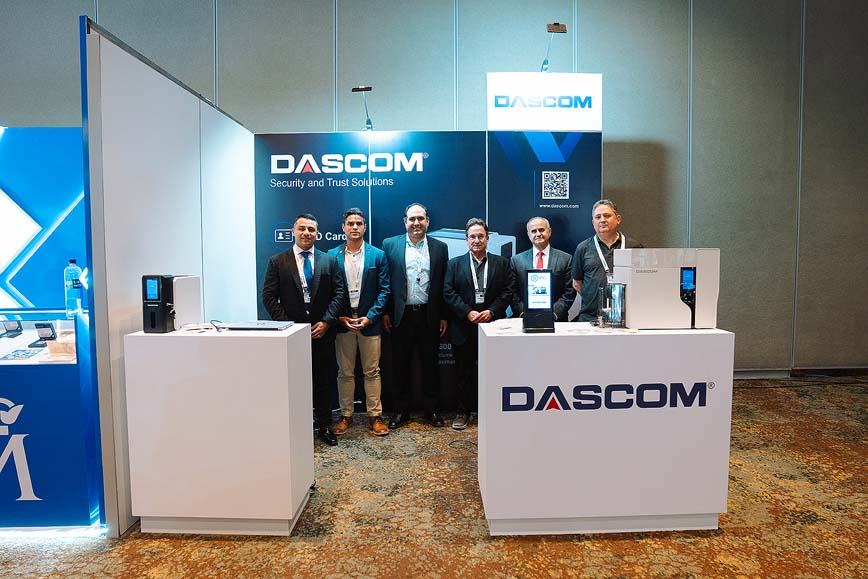
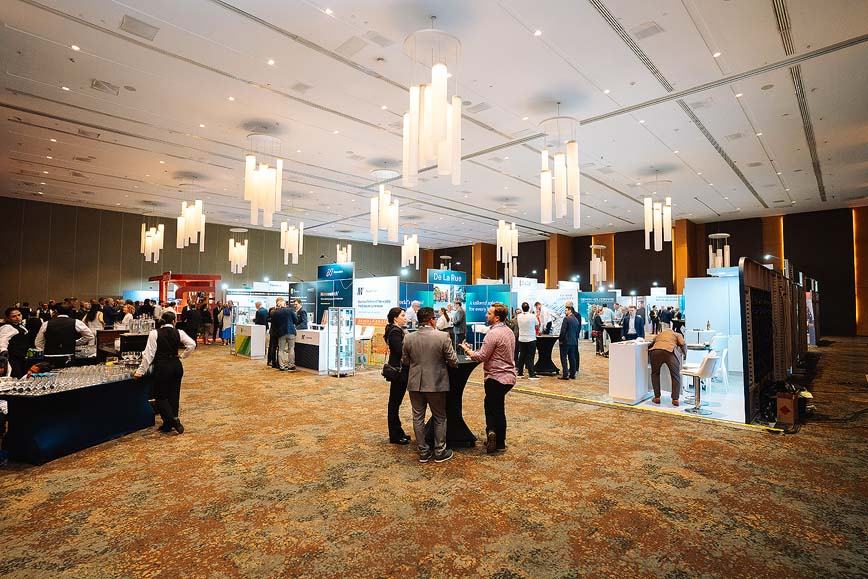
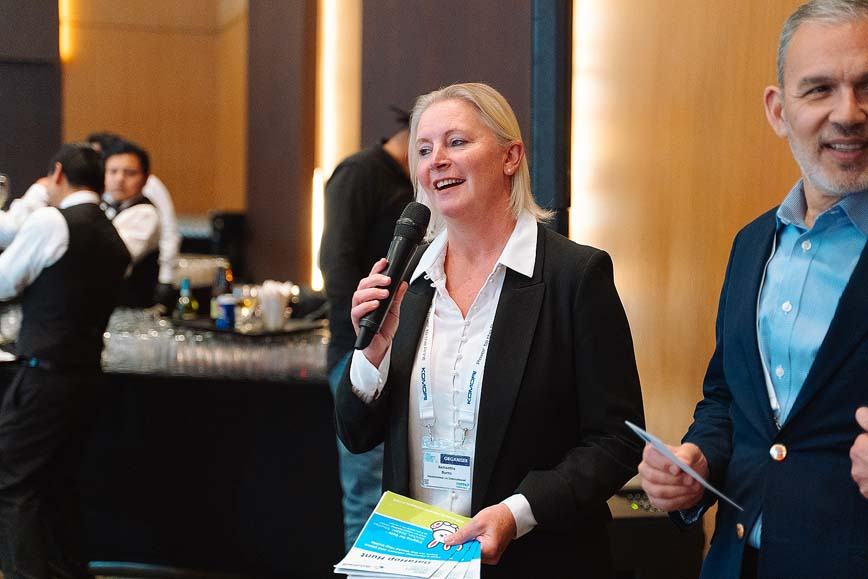
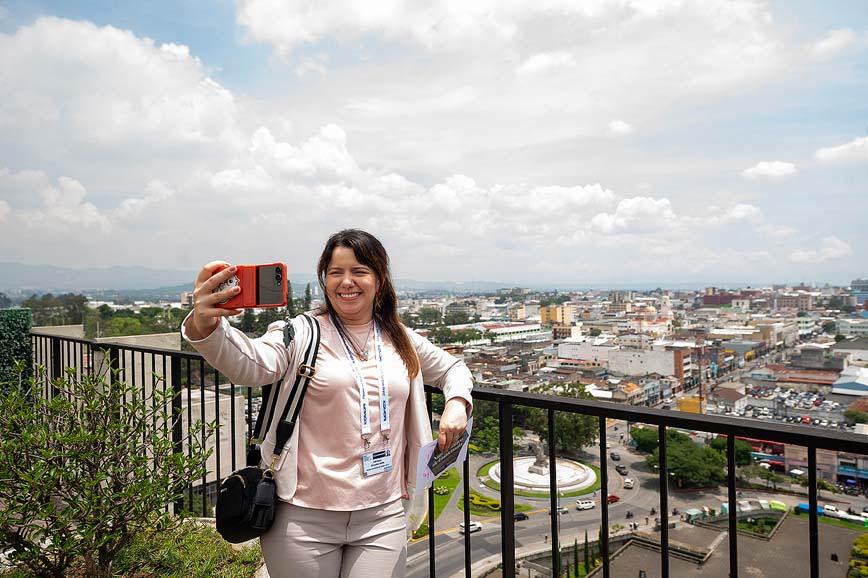
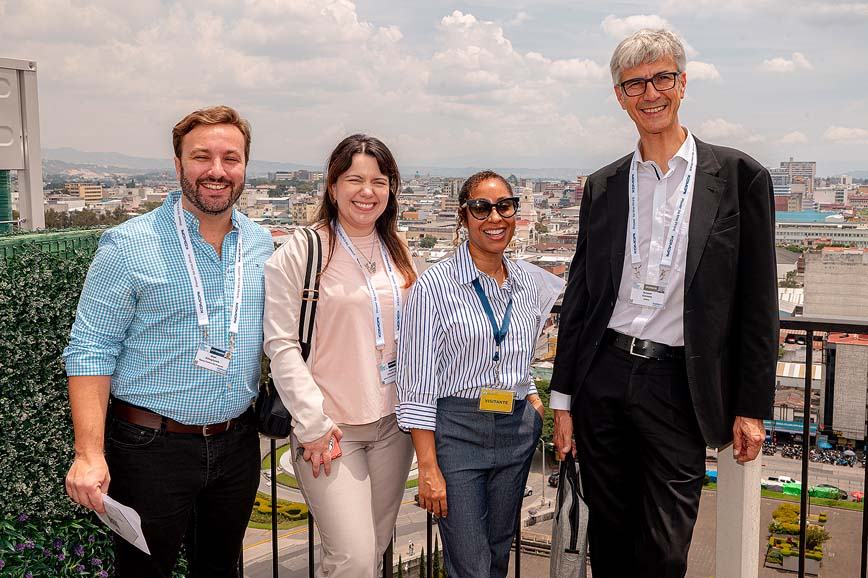
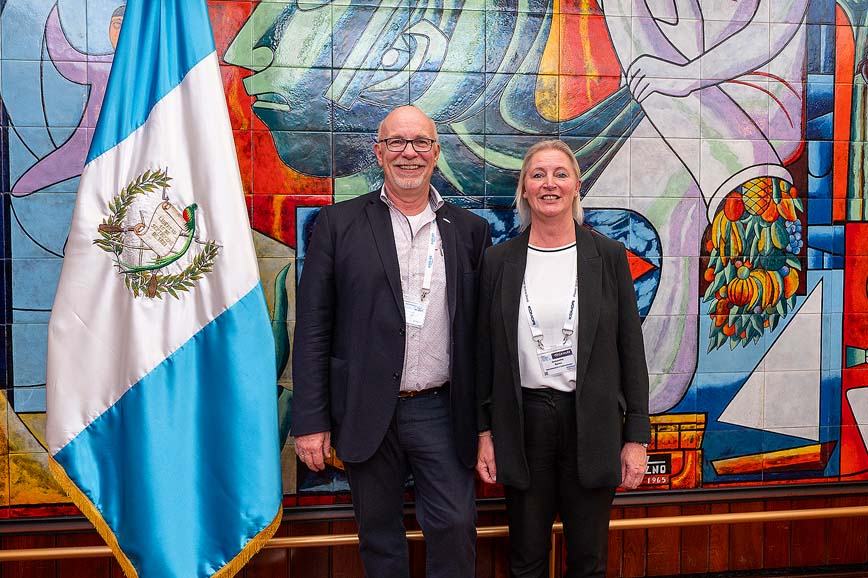
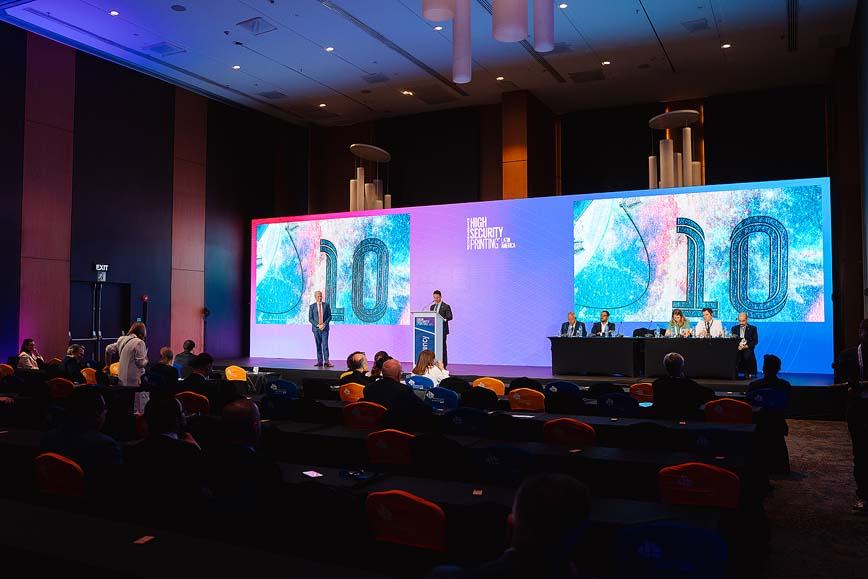
HSP Latin America was previously held in Guatemala City in 2017, and its return – 10 years on – did not disappoint. In fact, many of the delegates commented that it was the best conference yet of all the 13 HSP Latin America conferences to date (and, given that the preceding year it was held in Rio de Janeiro which set an exceptionally high bar, this was no mean feat!)

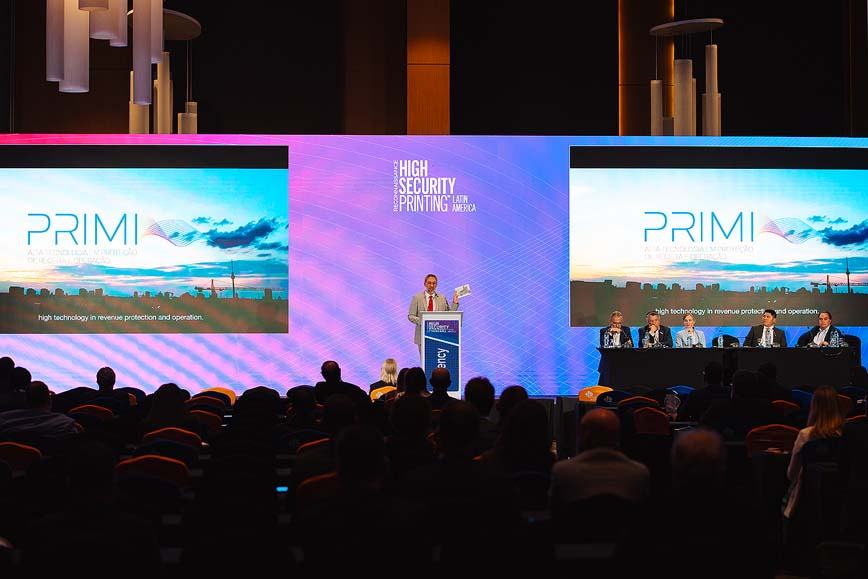
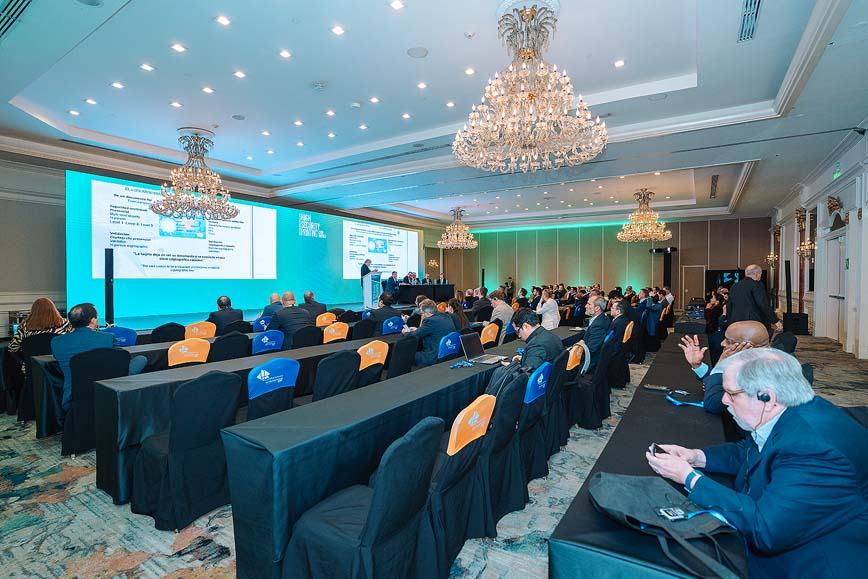
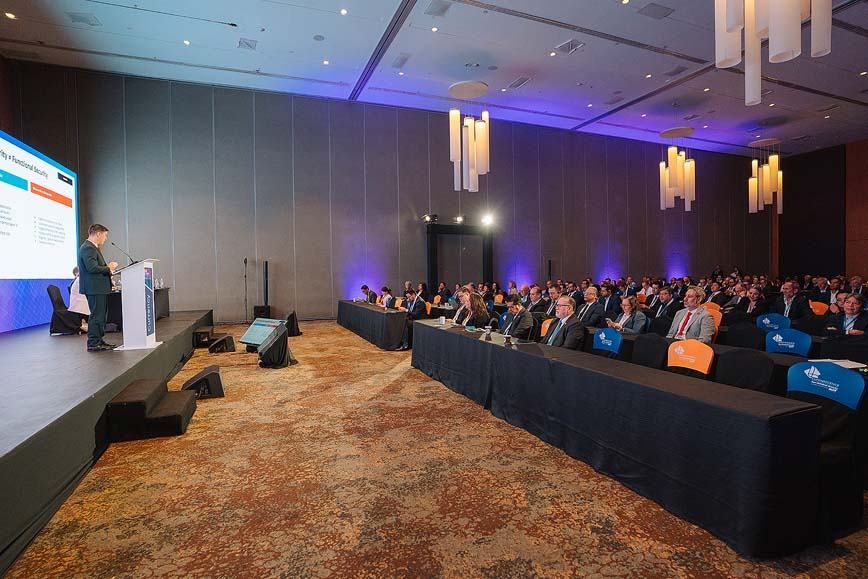
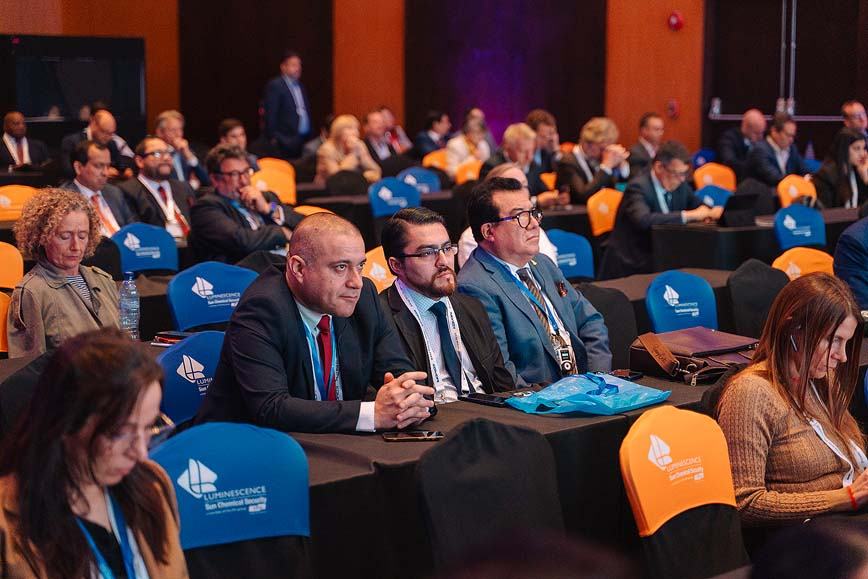
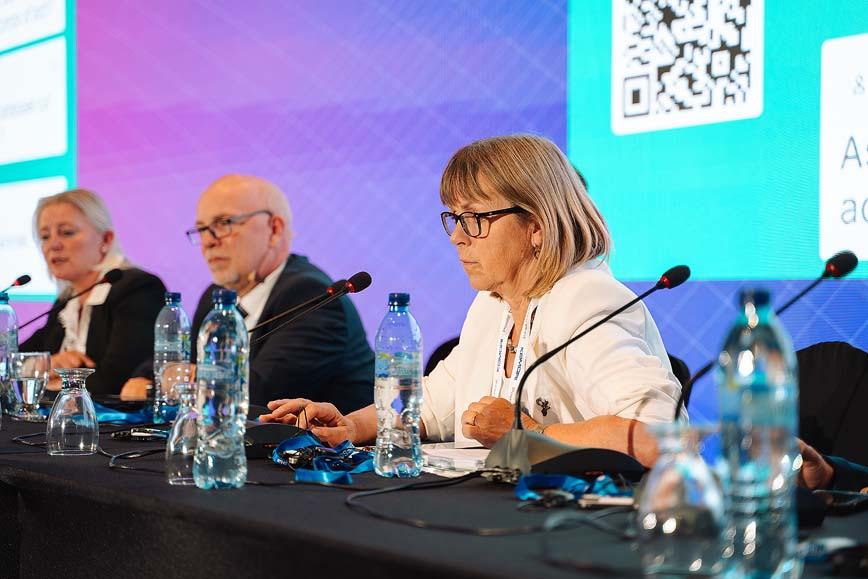
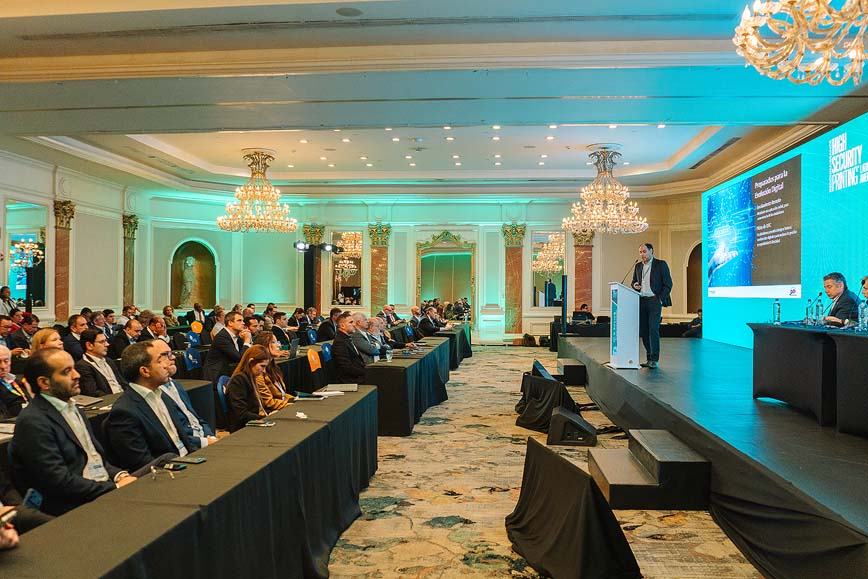
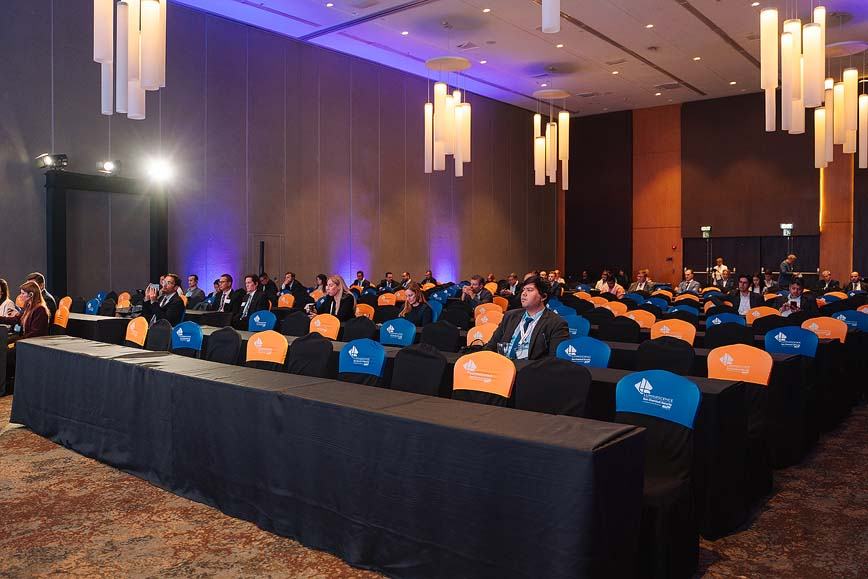
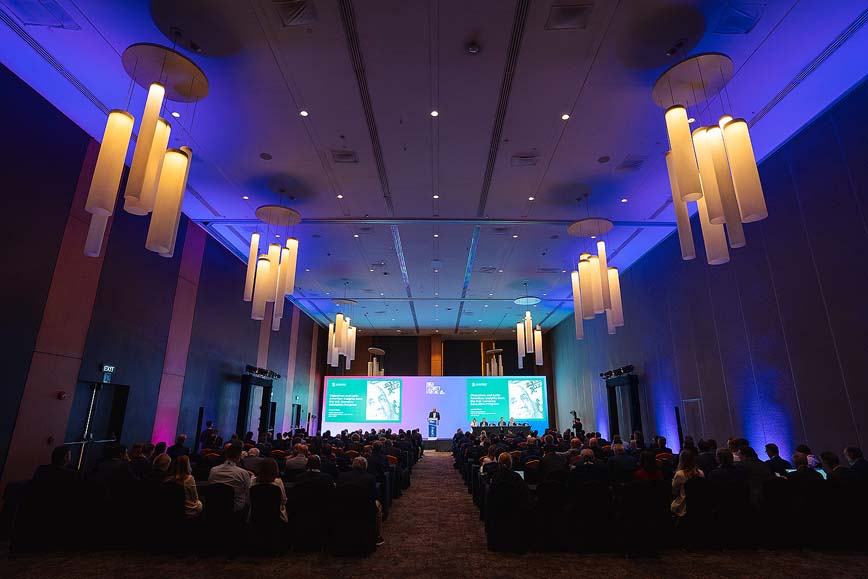
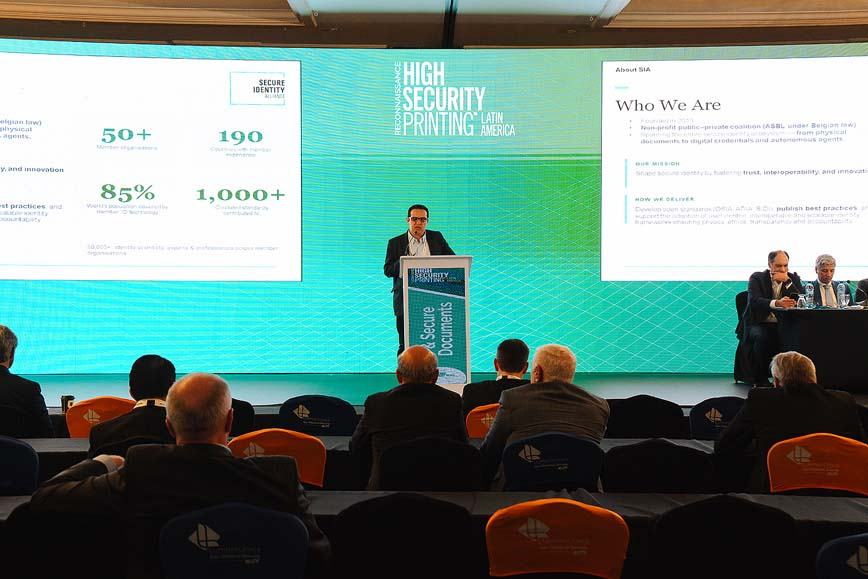
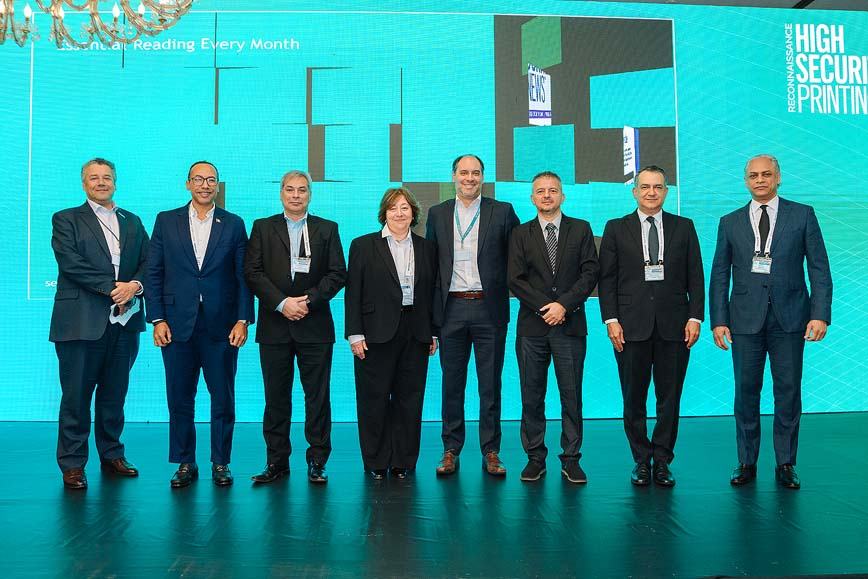
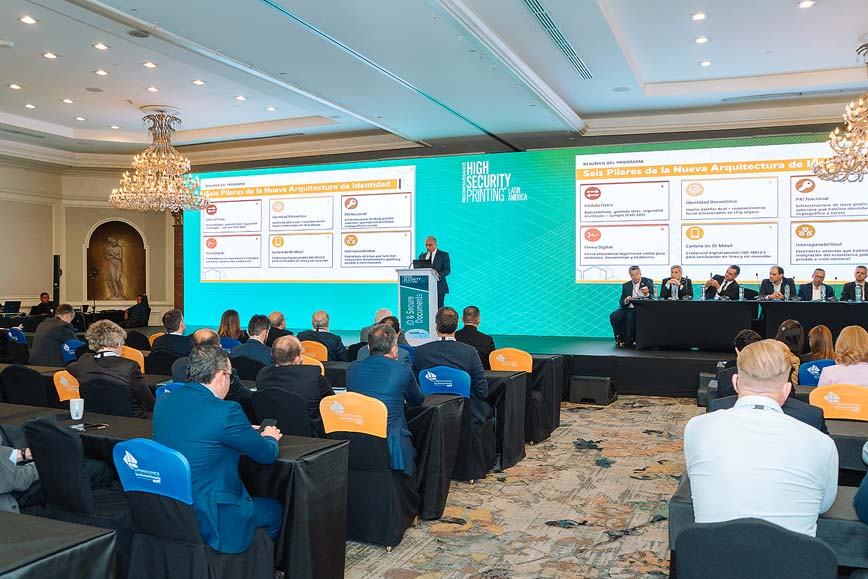
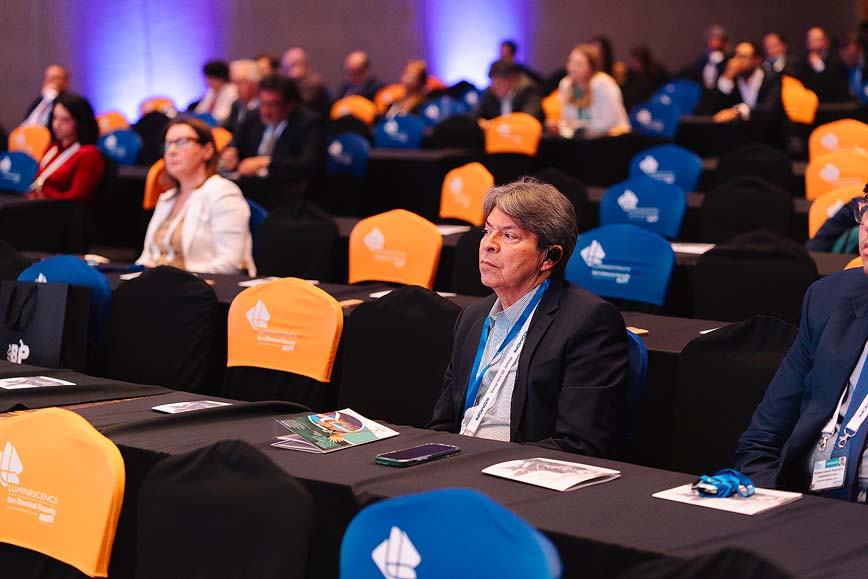
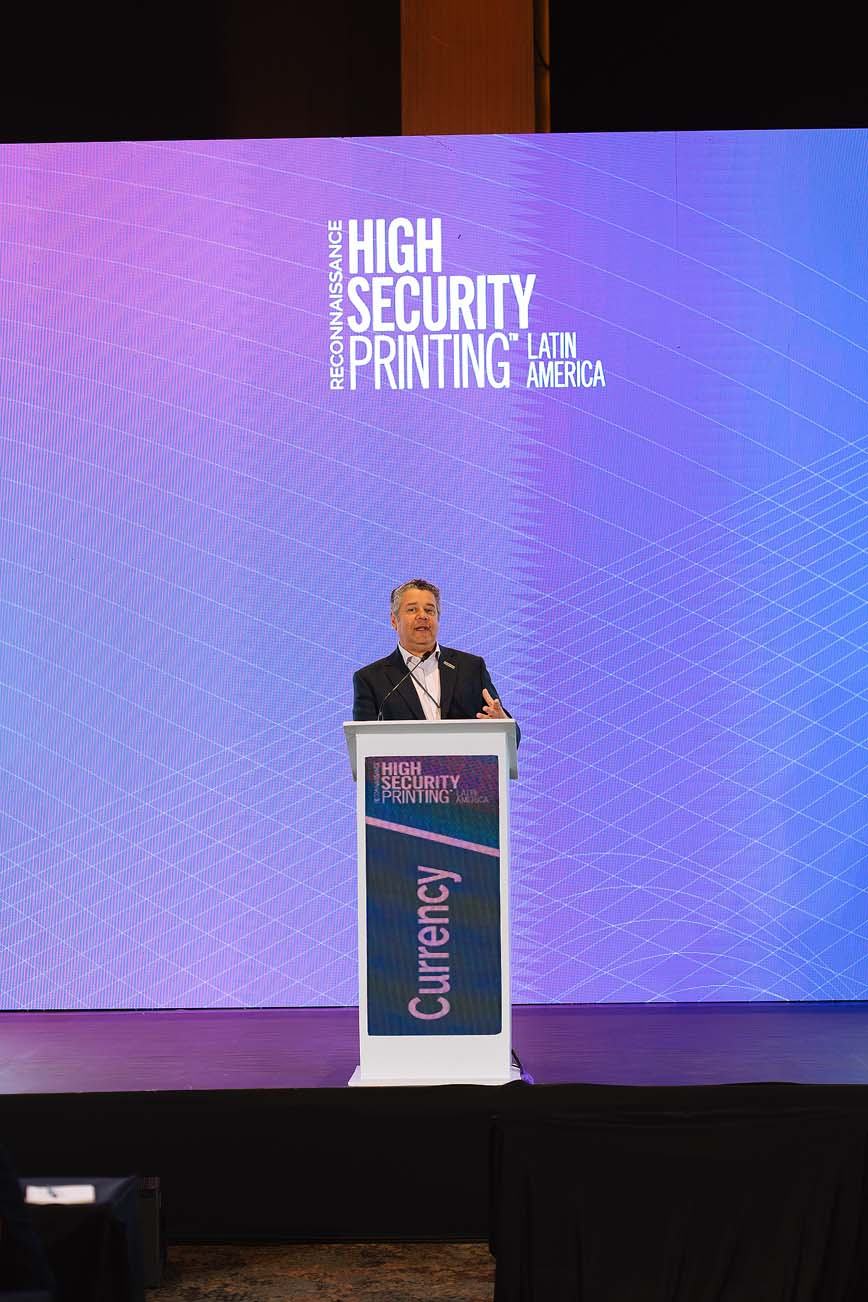
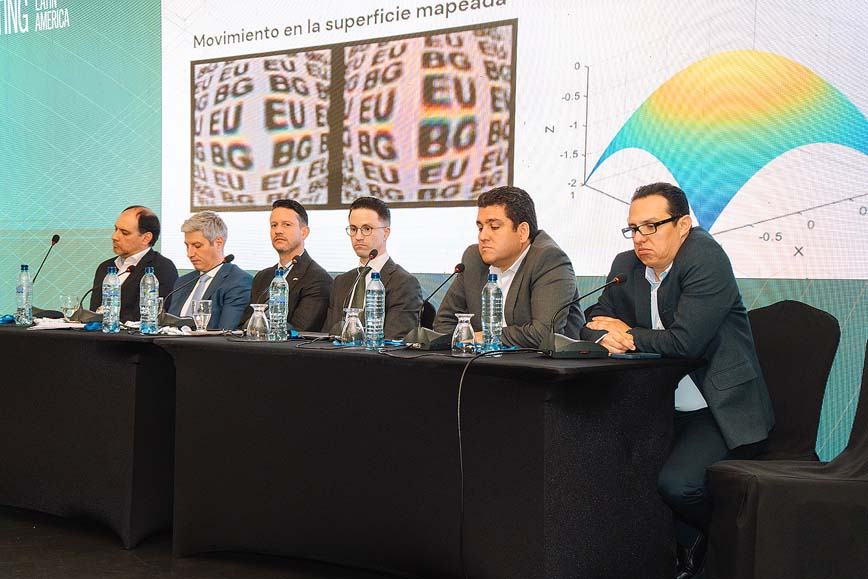
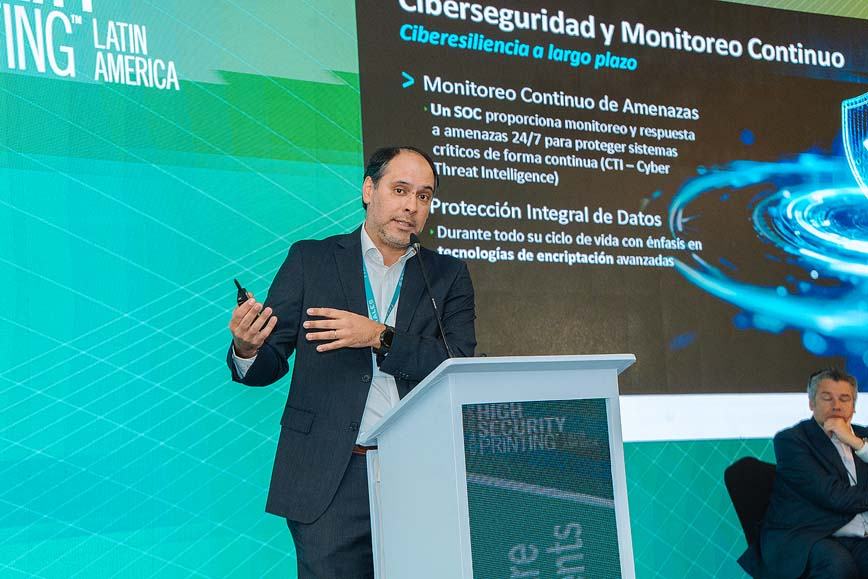
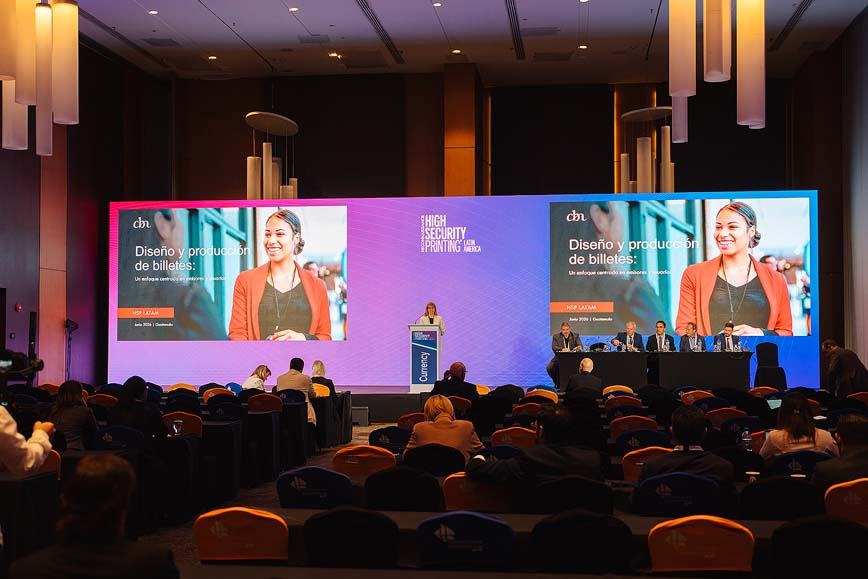
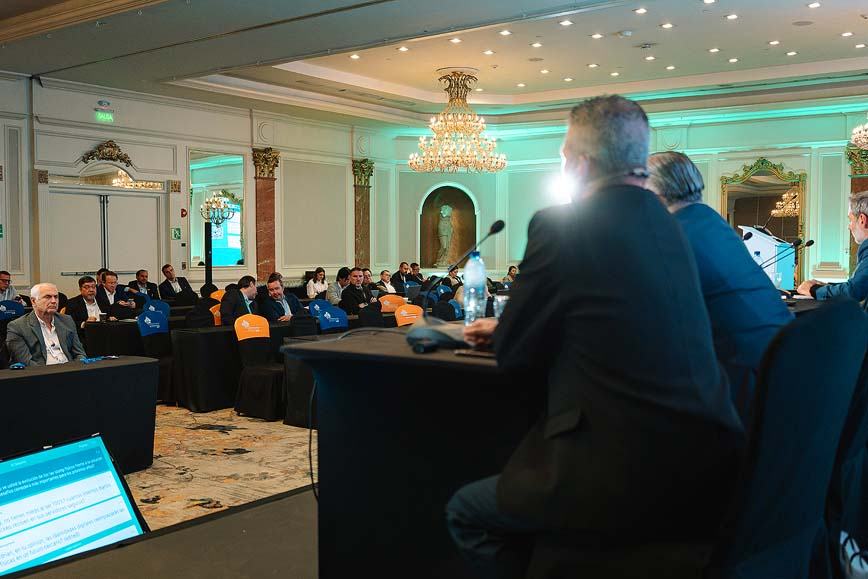
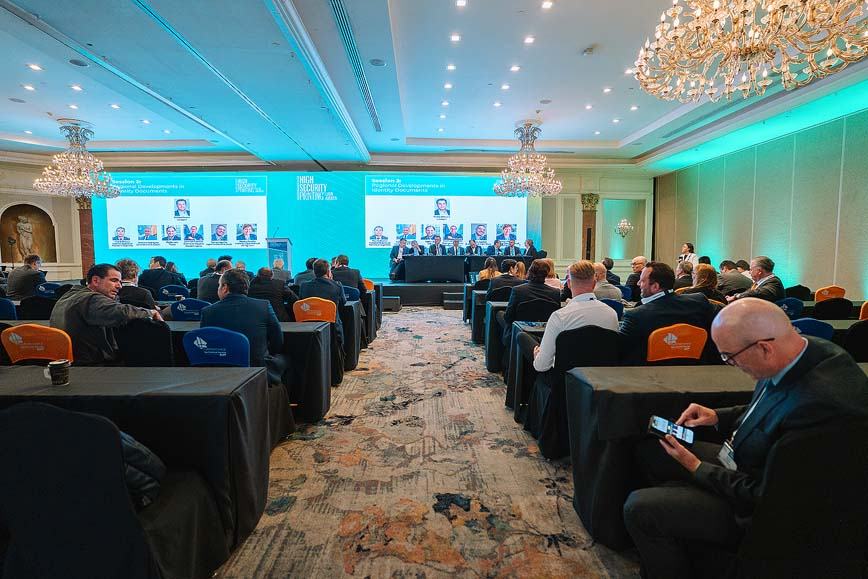
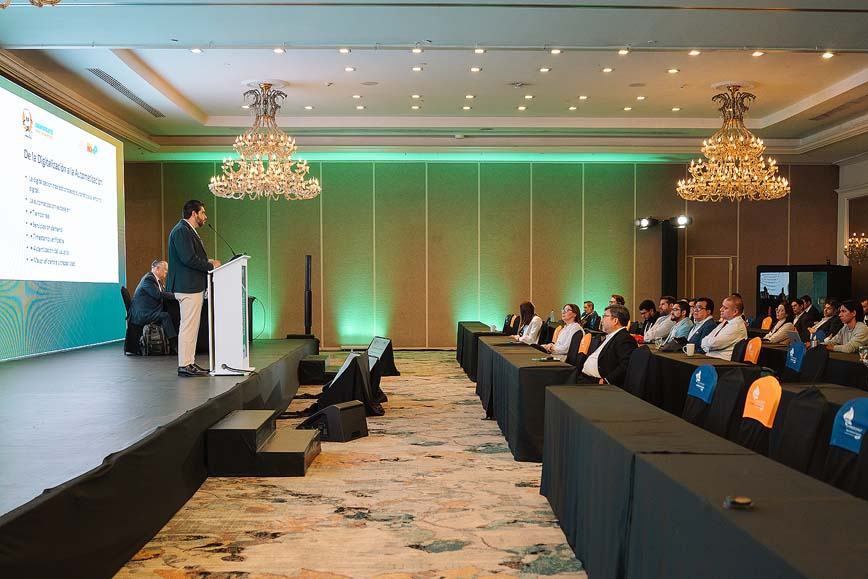
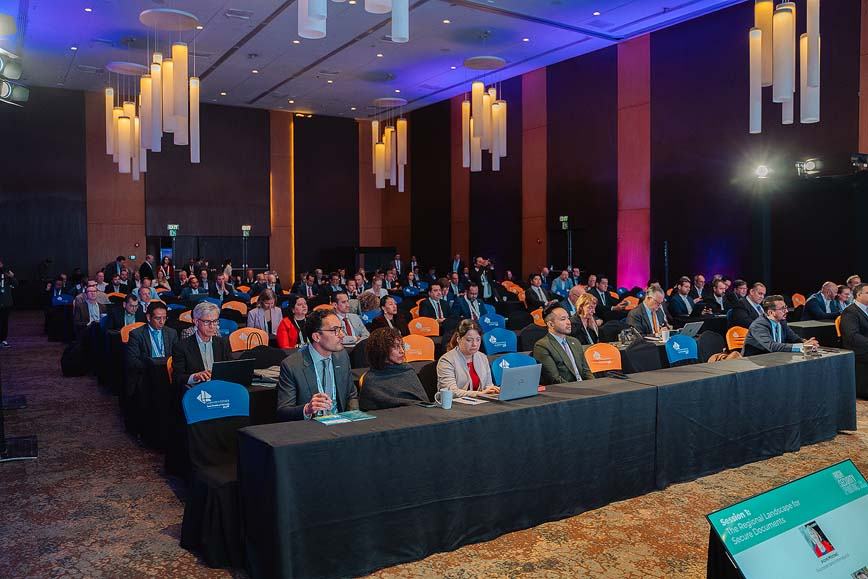
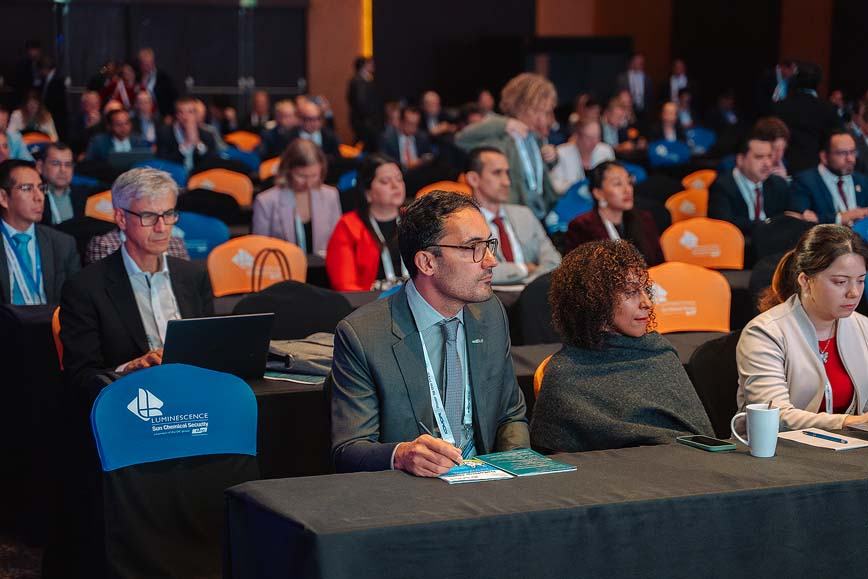
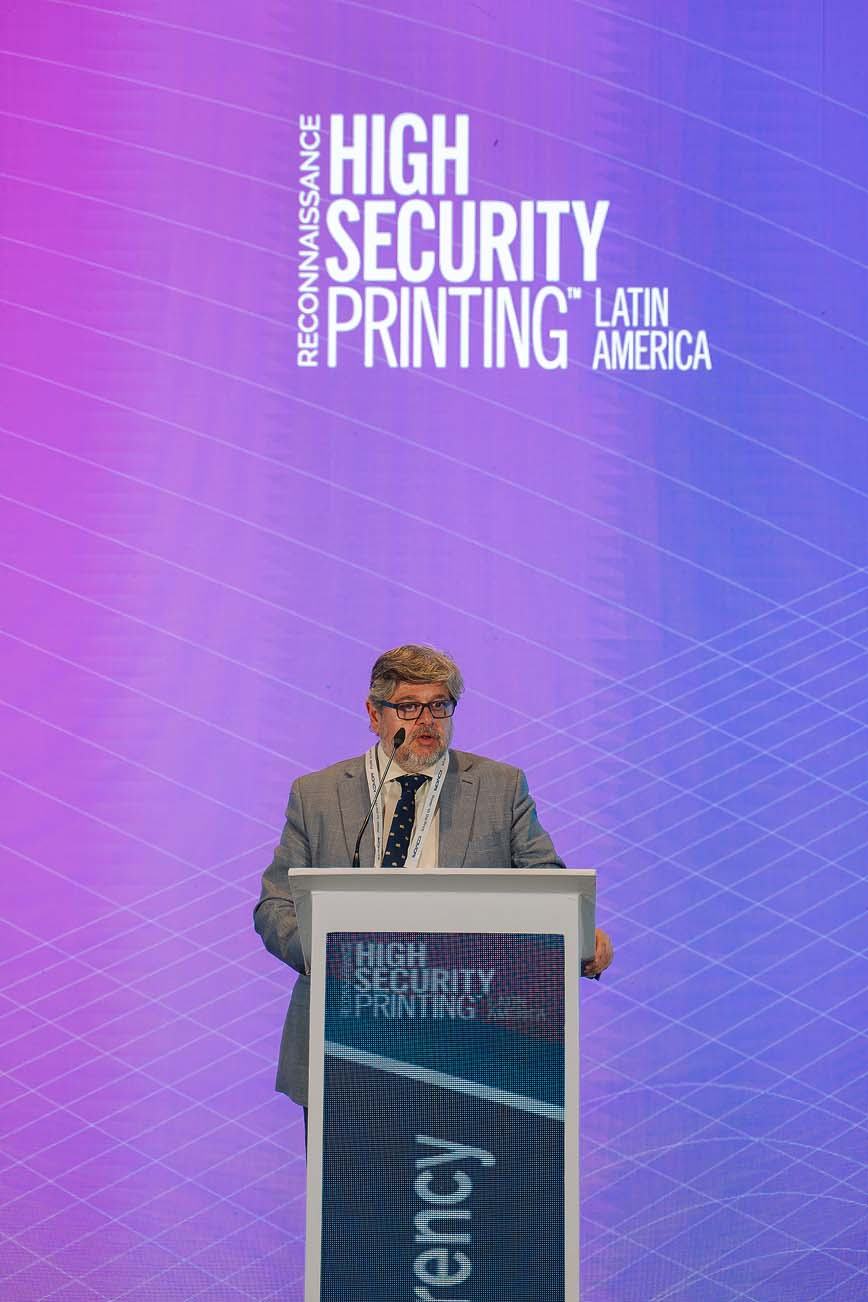
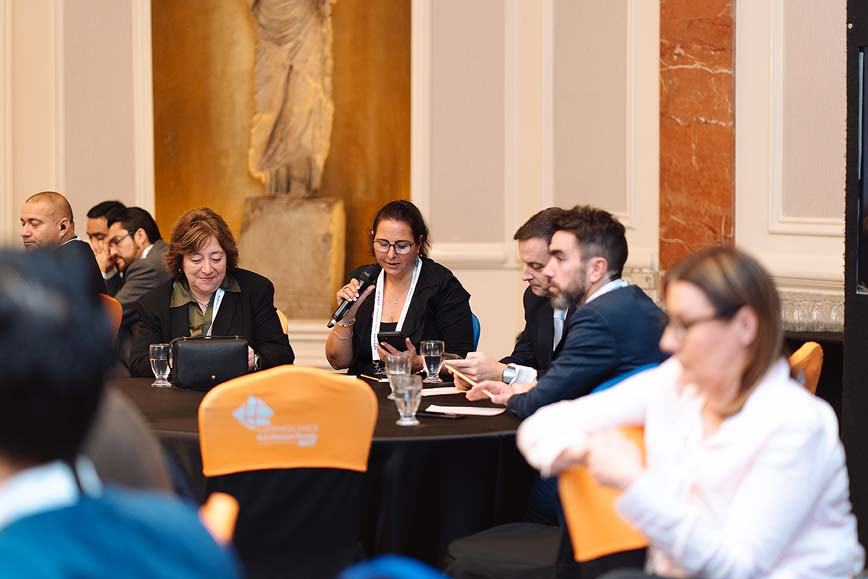
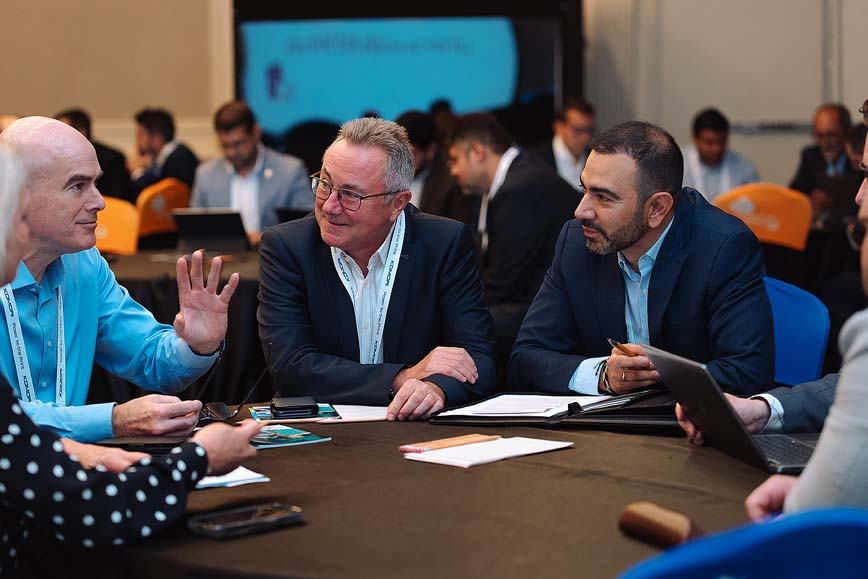
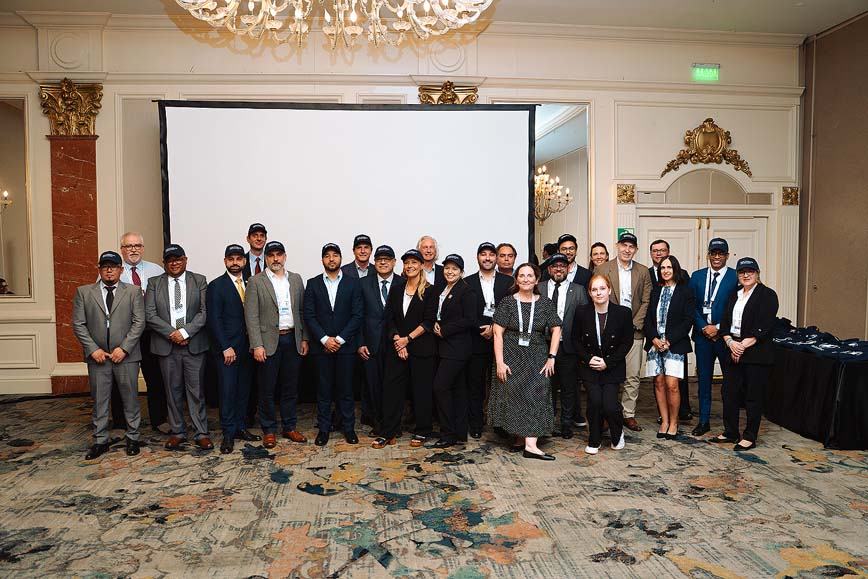
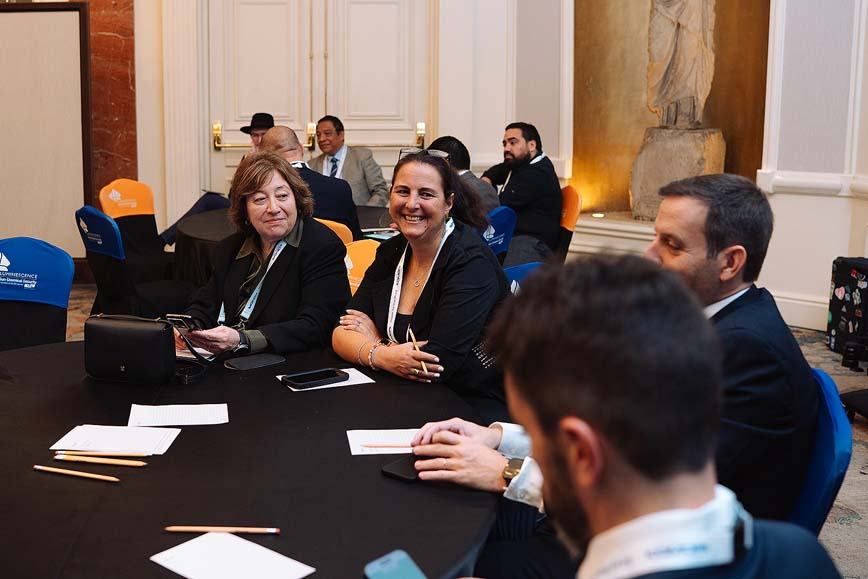
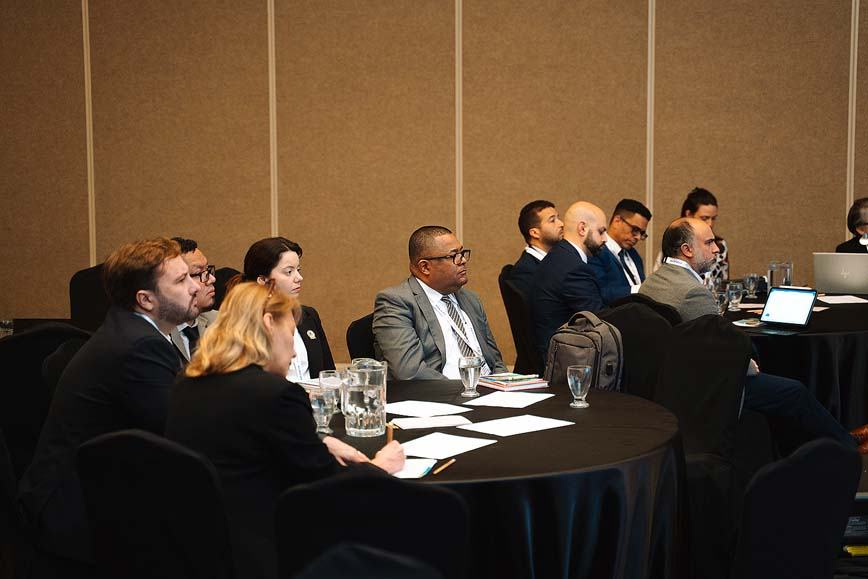
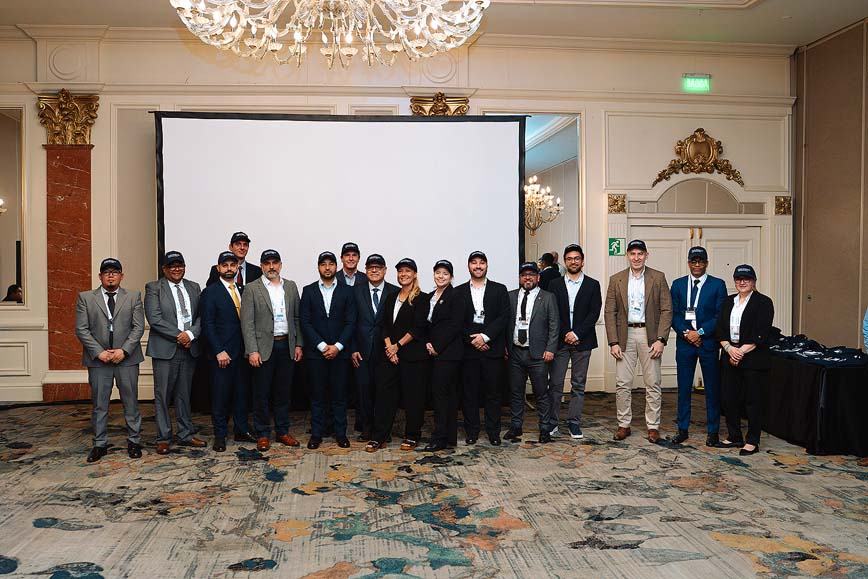
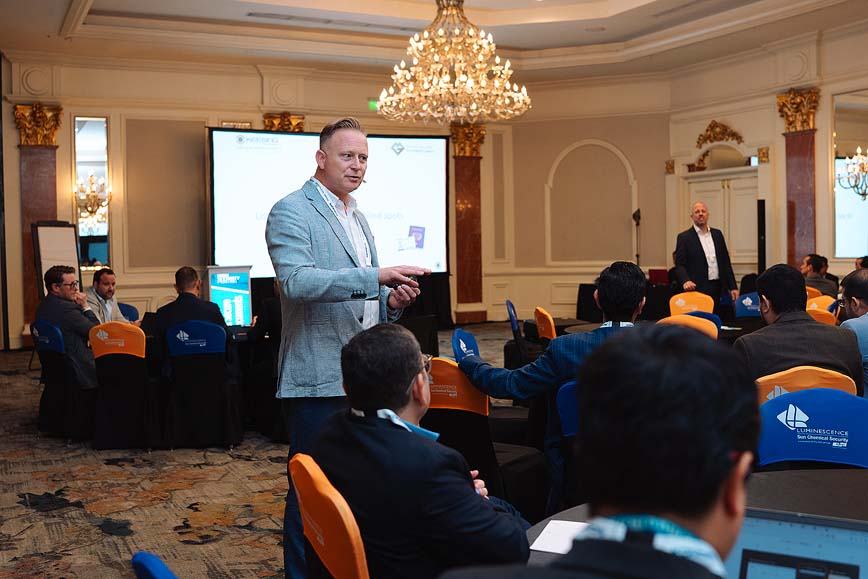
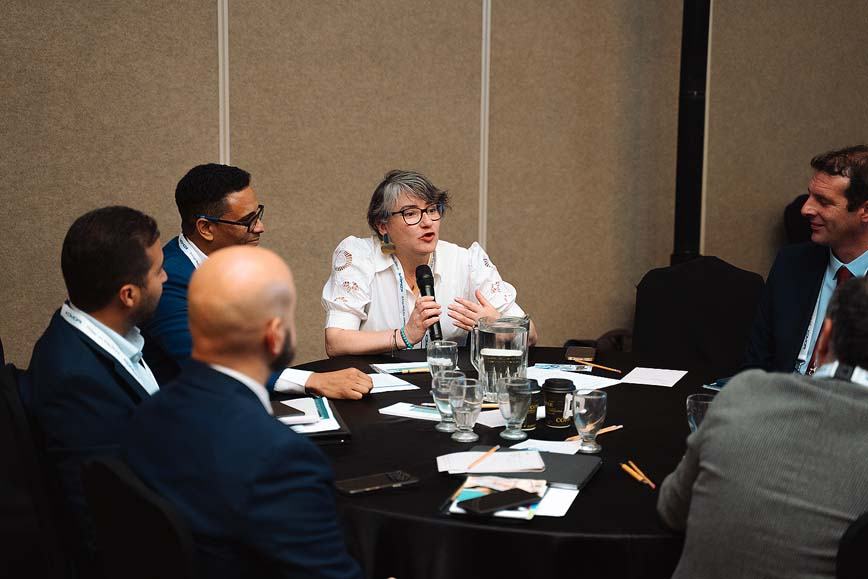
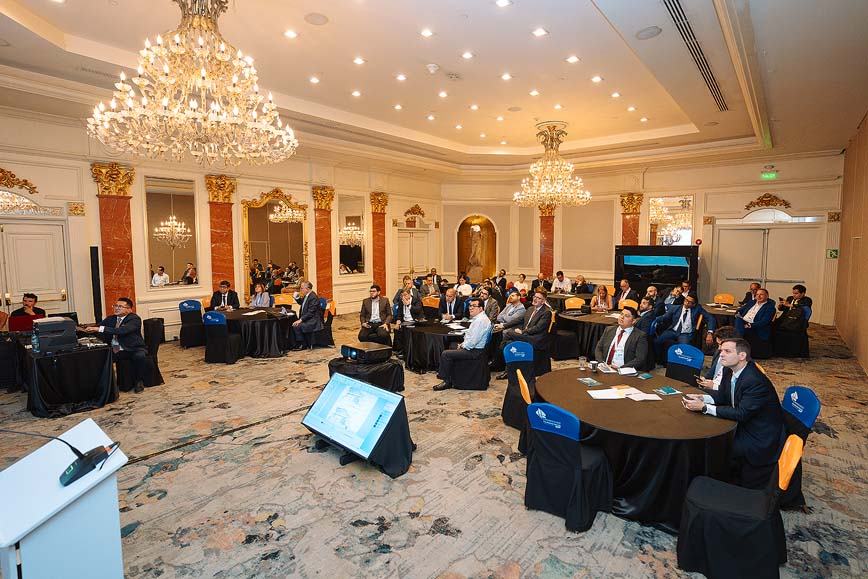
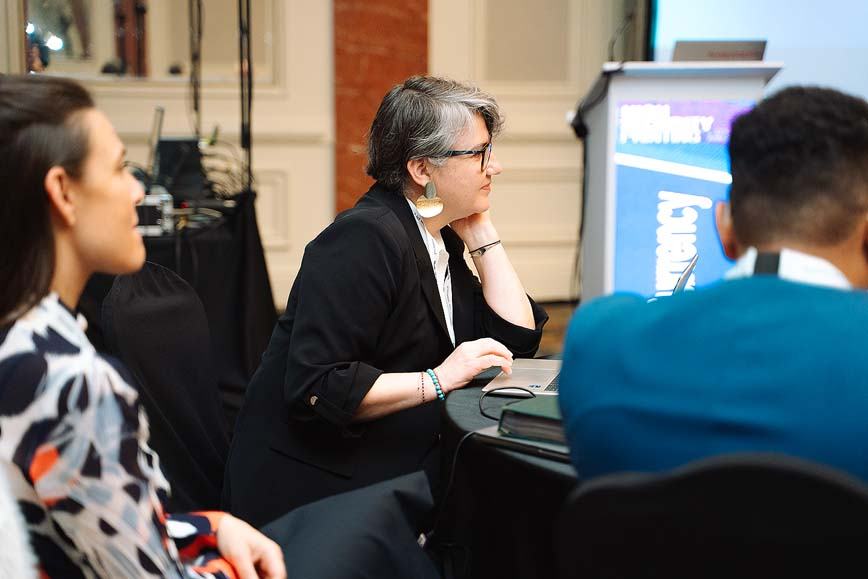
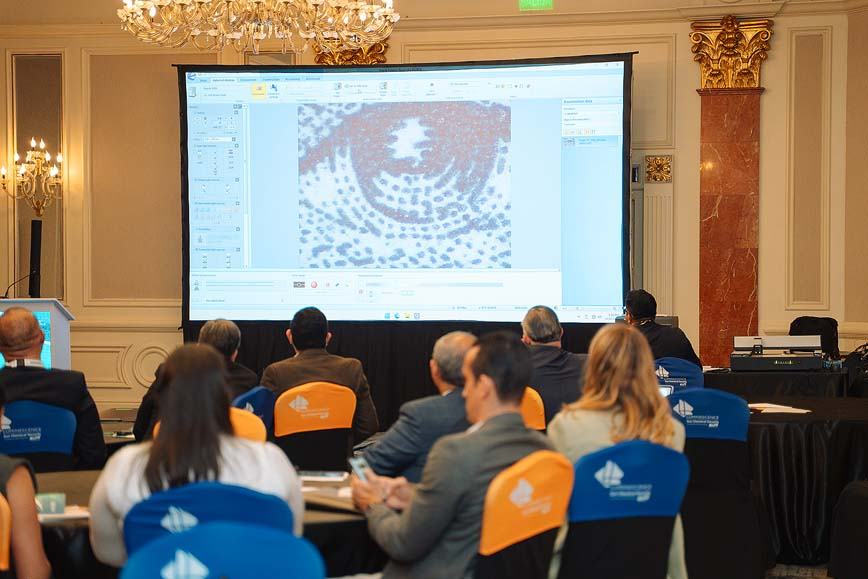
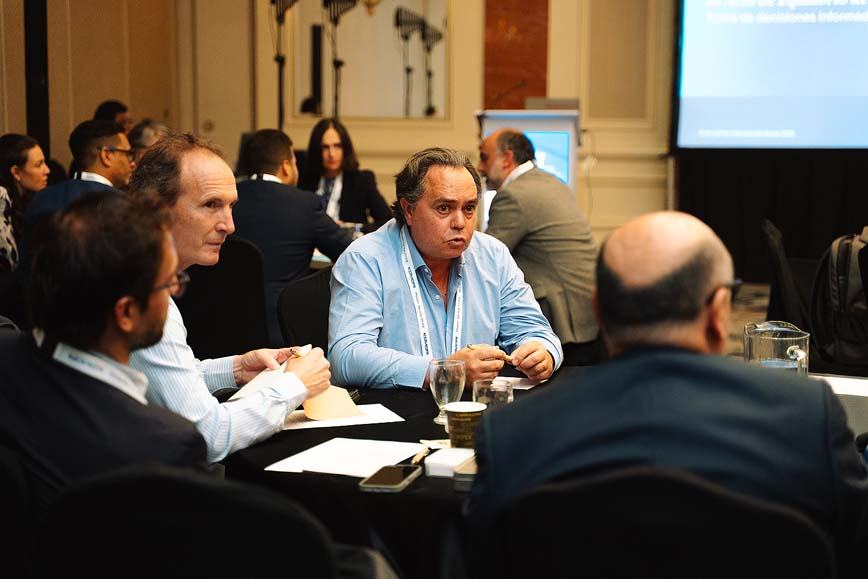
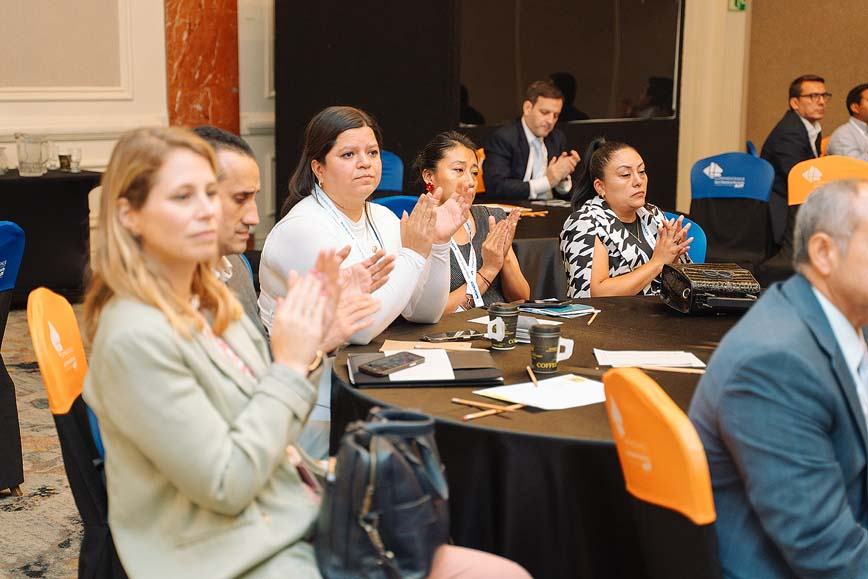
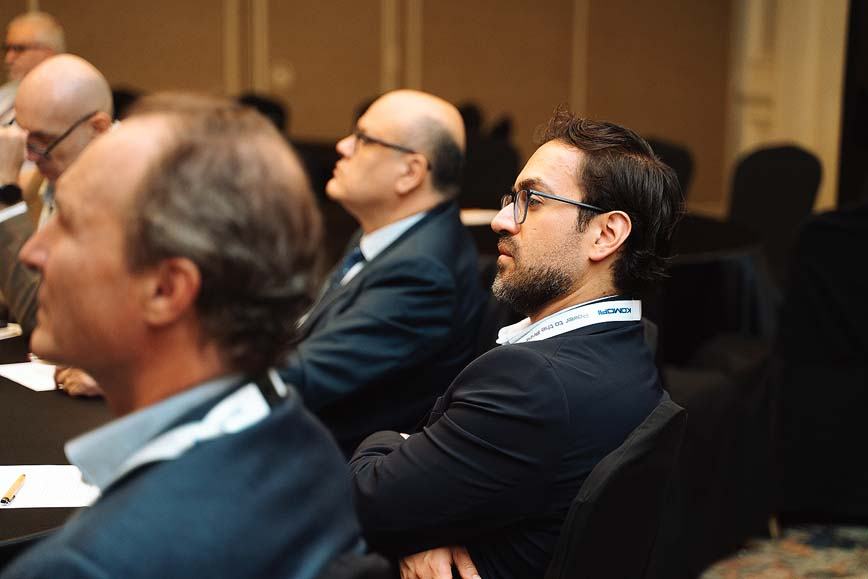
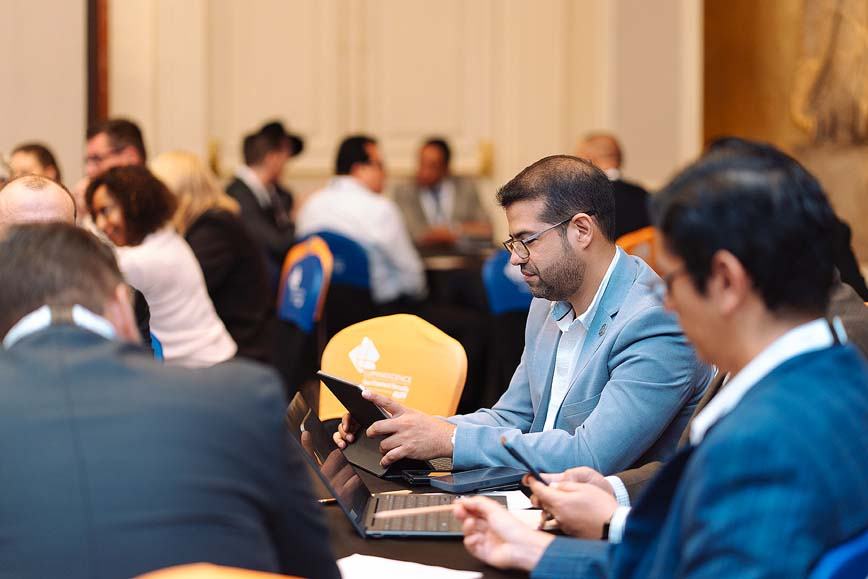
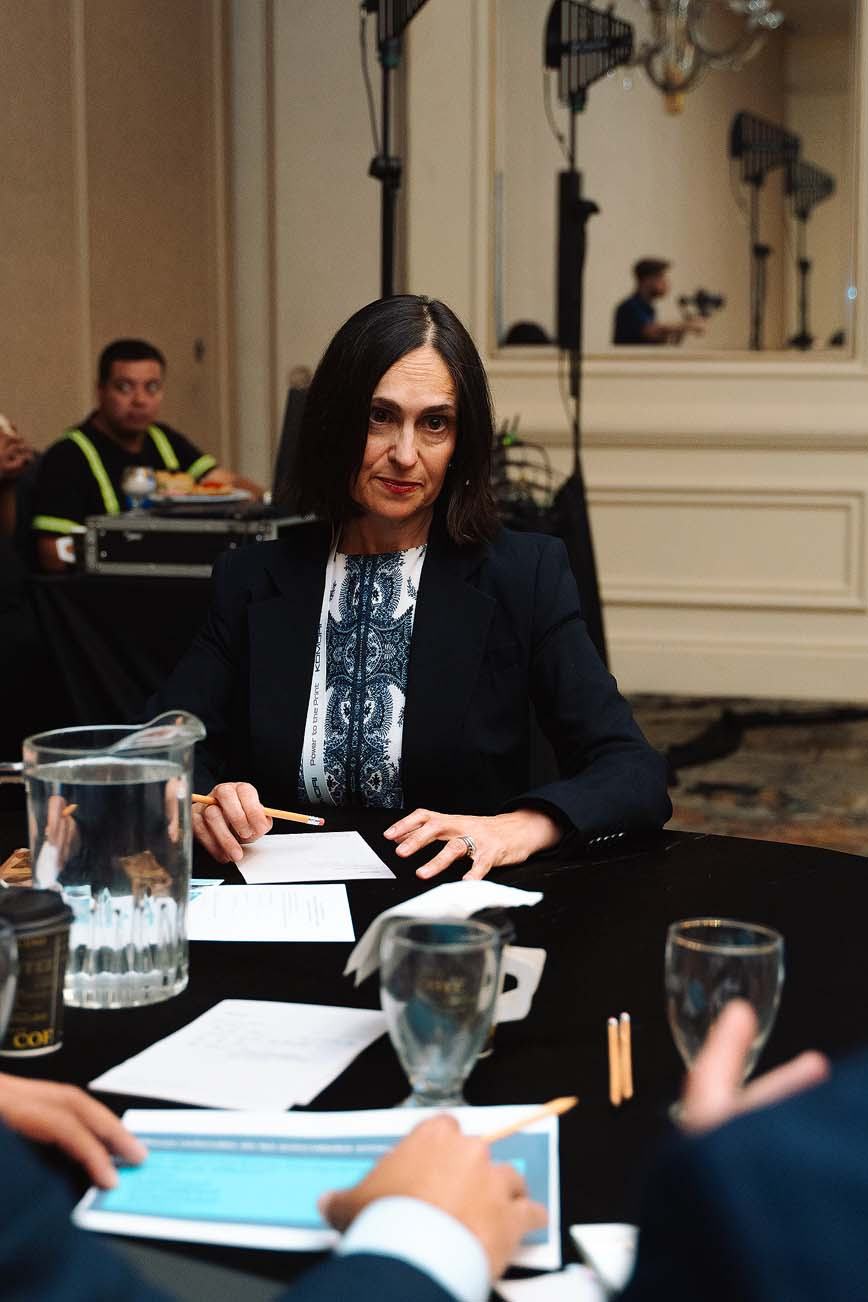
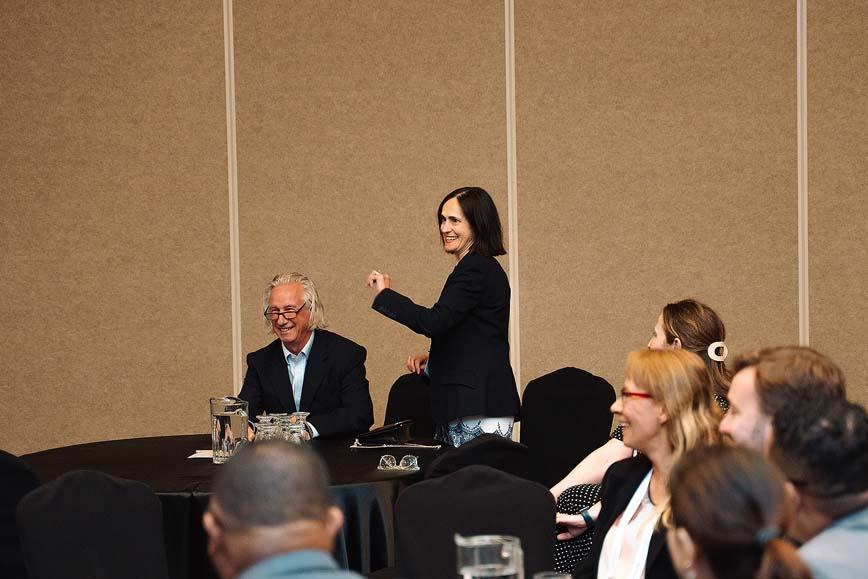
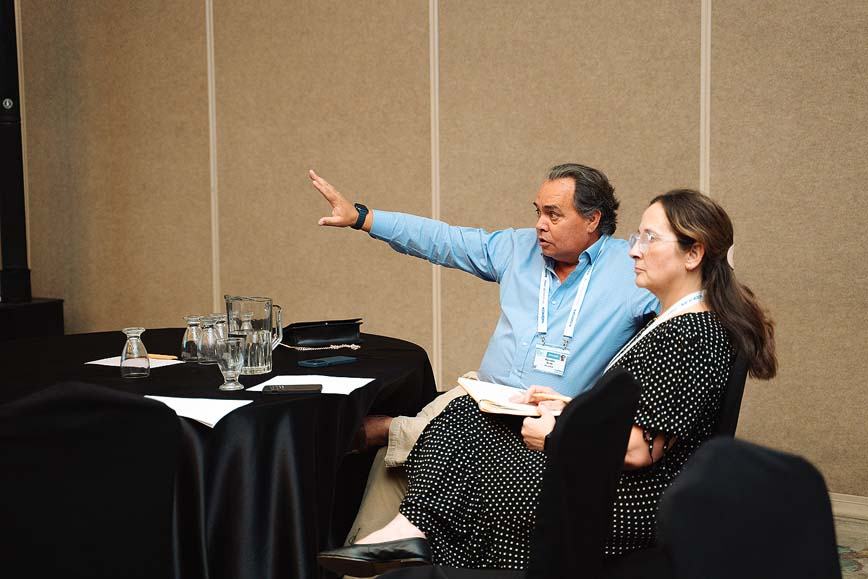
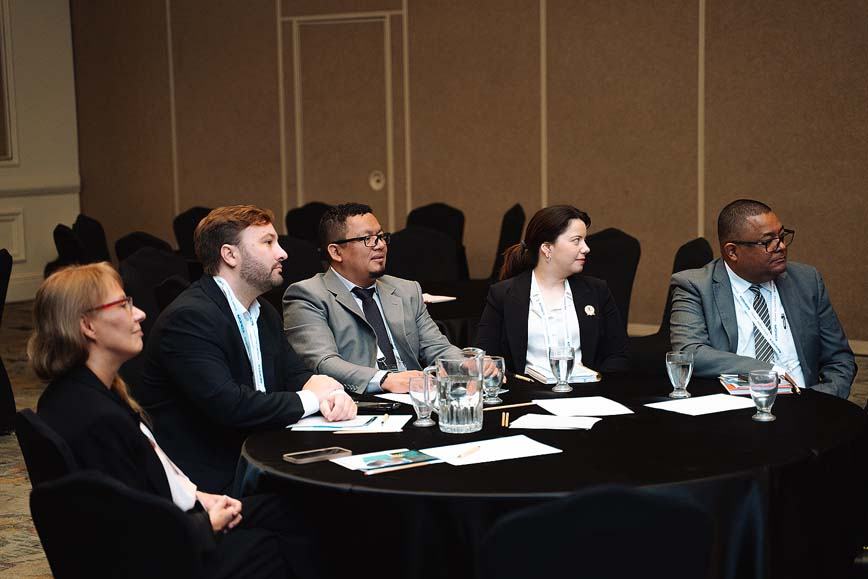
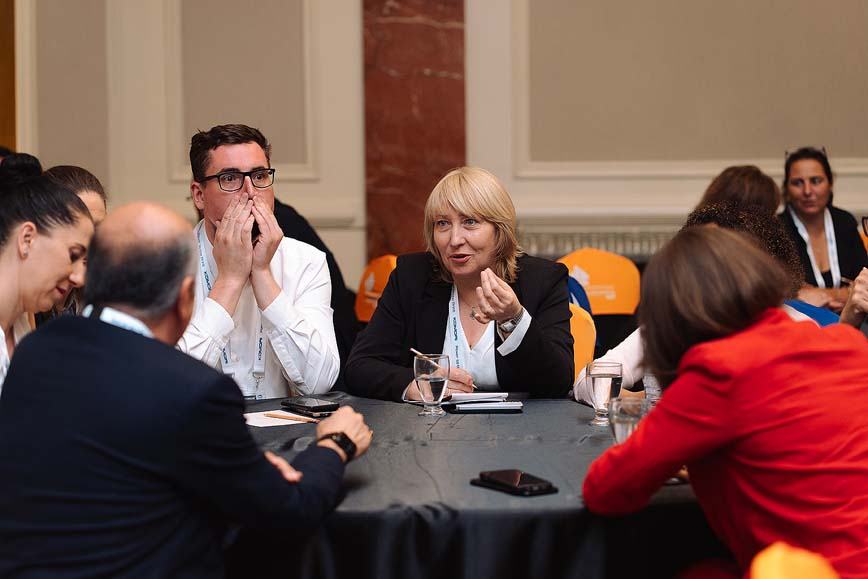
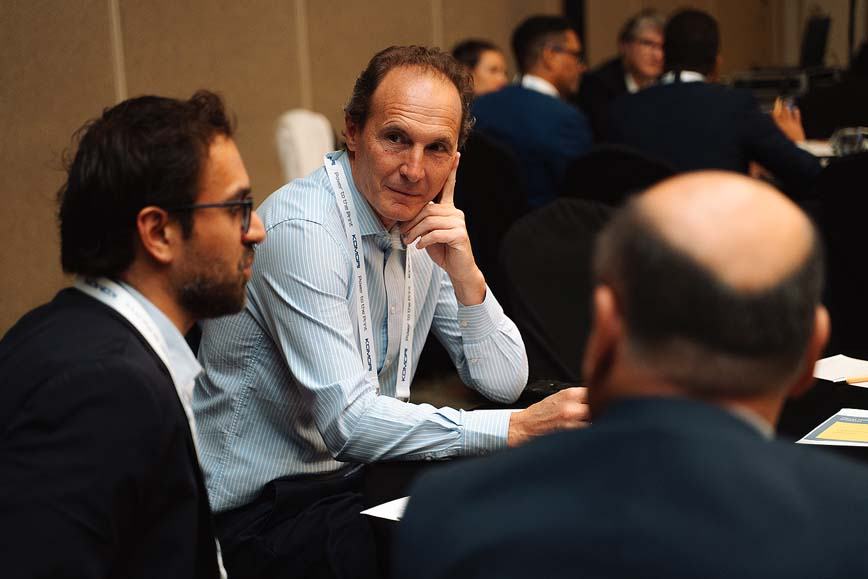
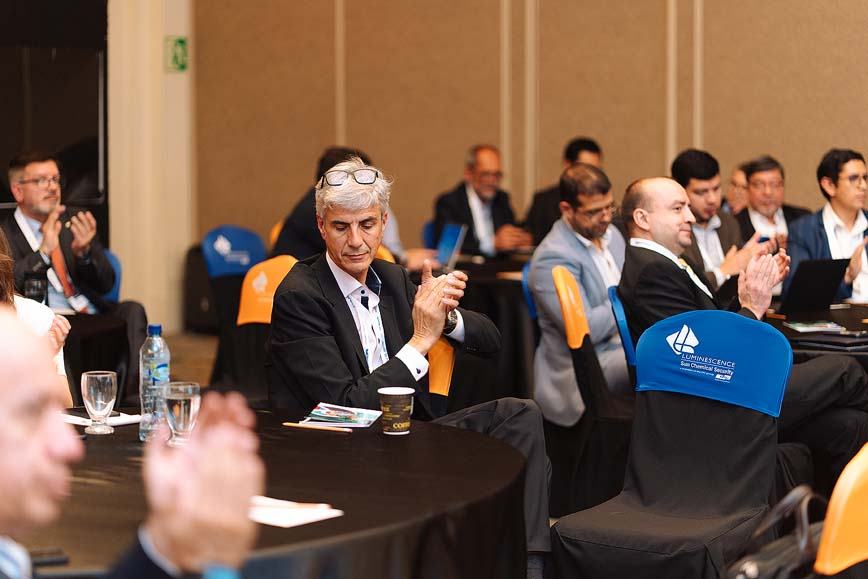
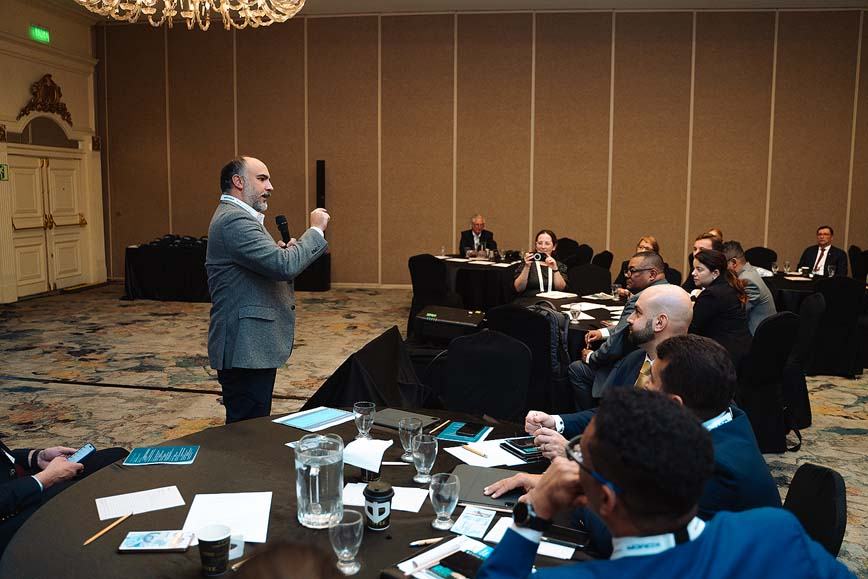
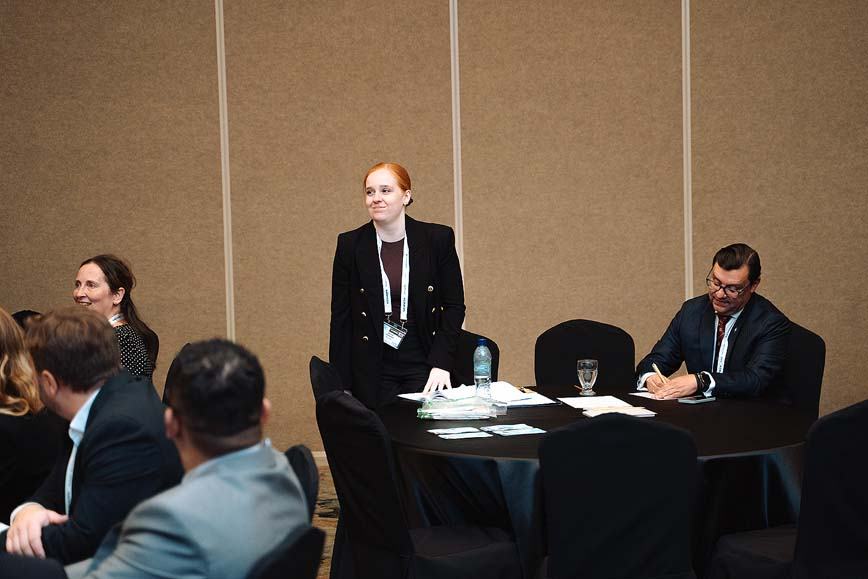
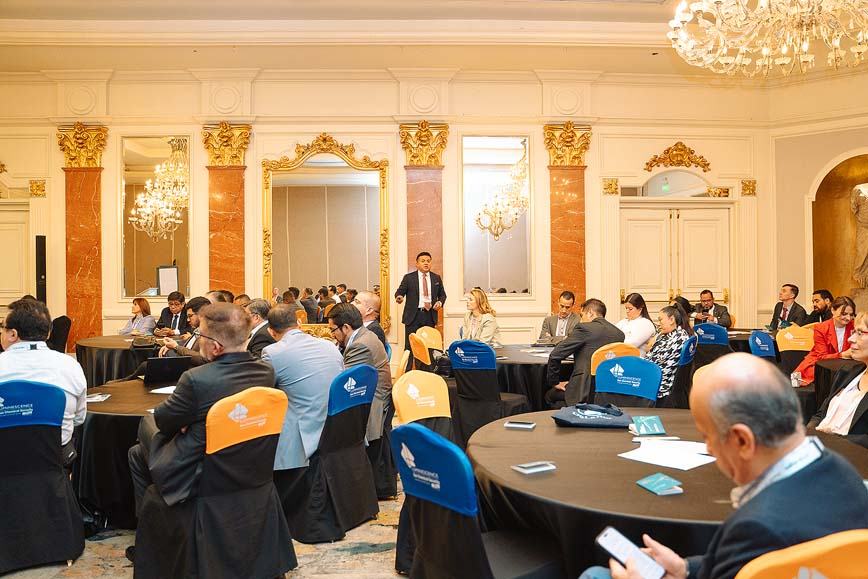
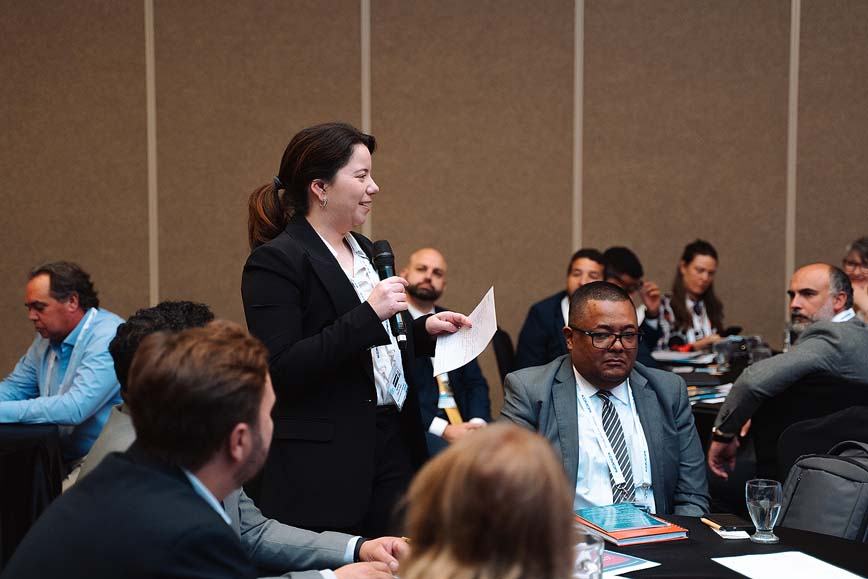
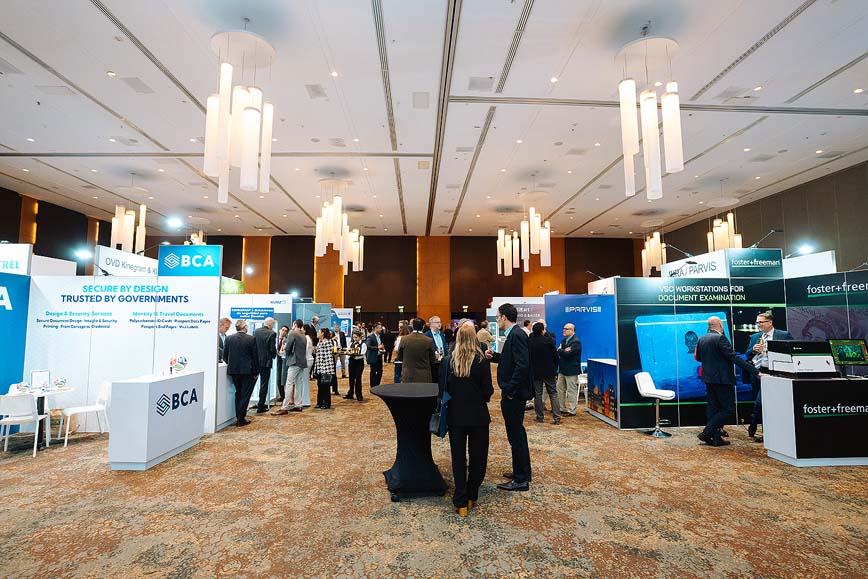
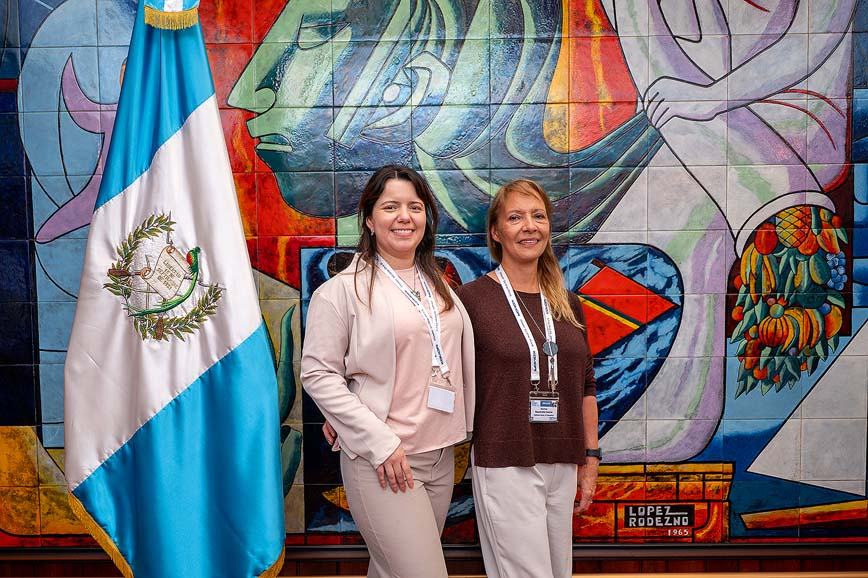
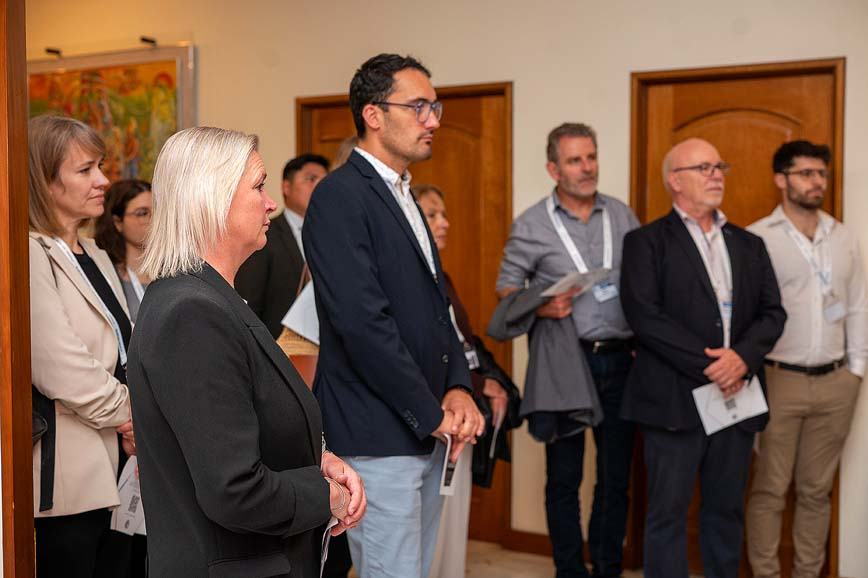
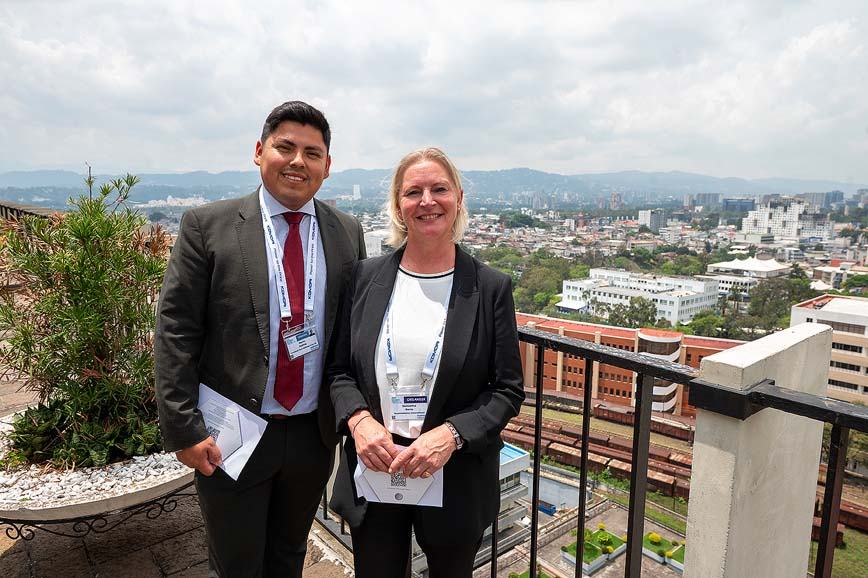
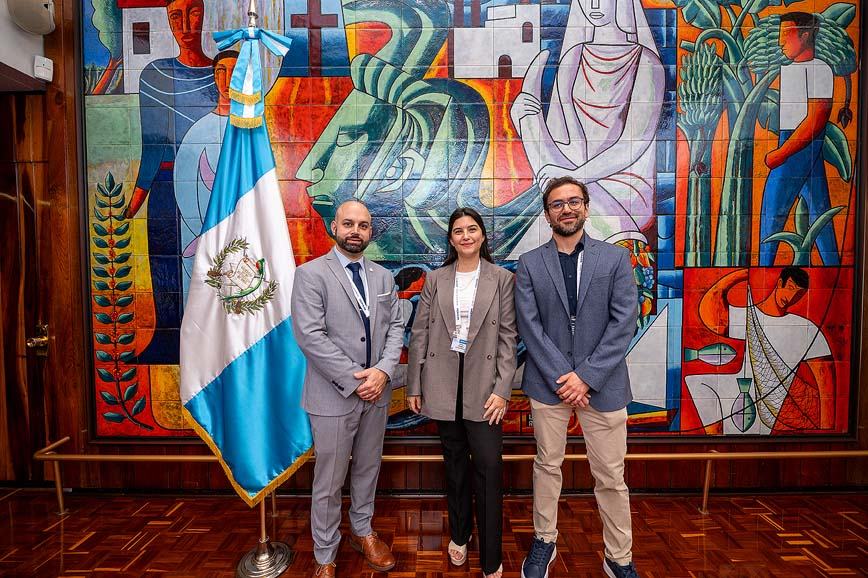
This is of course a welcome comment for the organisers, but the reality is that every year the conference team, with great anticipation and precise planning, meets regularly with local authorities to make certain that every detail is carefully managed and monitored.  Guatemala was no exception, with memorable social activities and a diverse programme of speakers in both the ID and Currency Sessions for just under 300 participants from 40 countries and 135 organisations.

Prior to the official launch of the Conference, ID authorities were welcome to sign up for the Pre-Conference Seminars on 1 June.
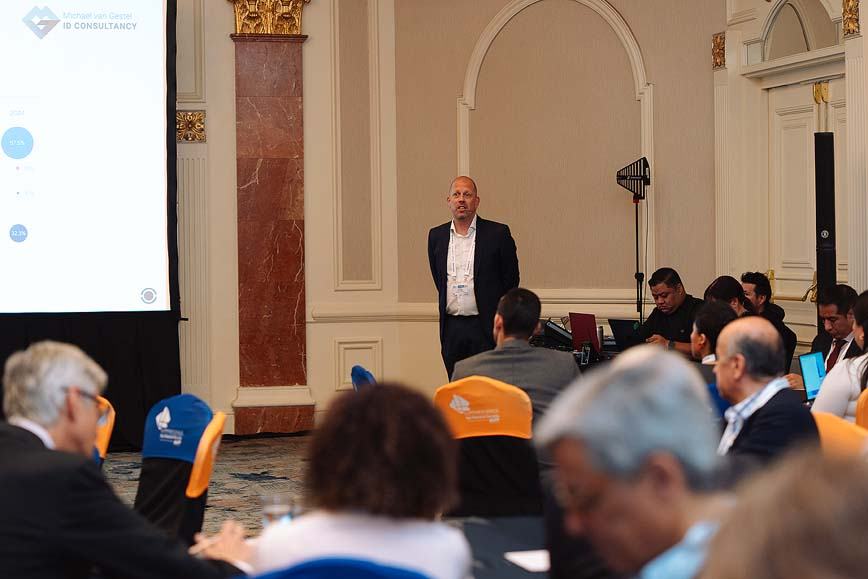
HSP Day2 PetenItzaAM KAOKOSt 12

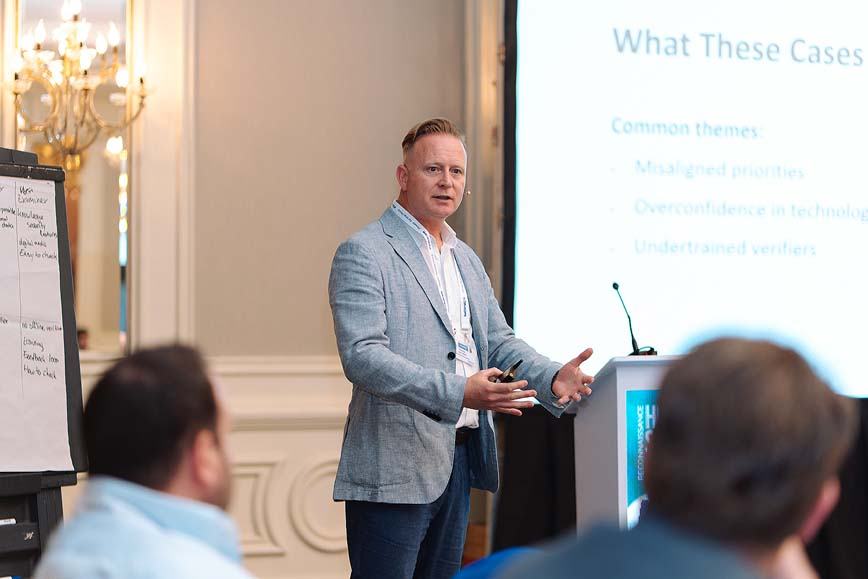
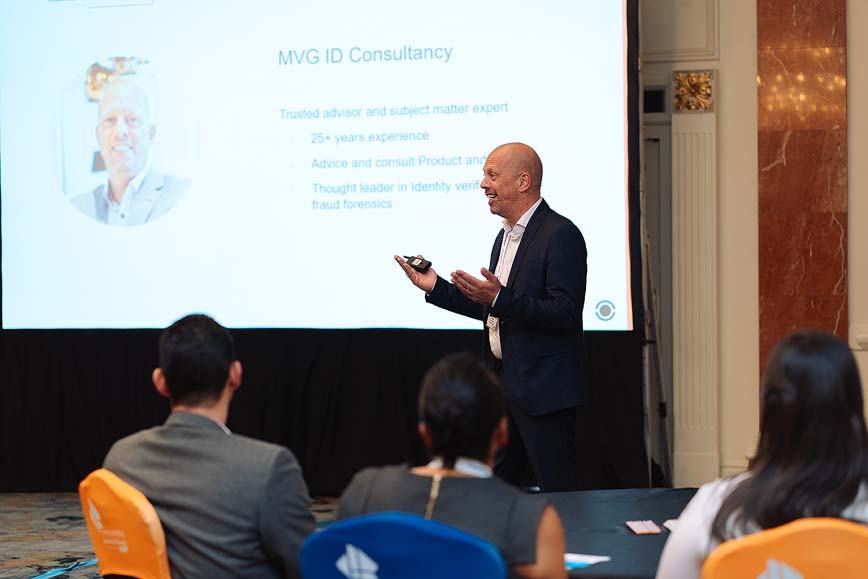
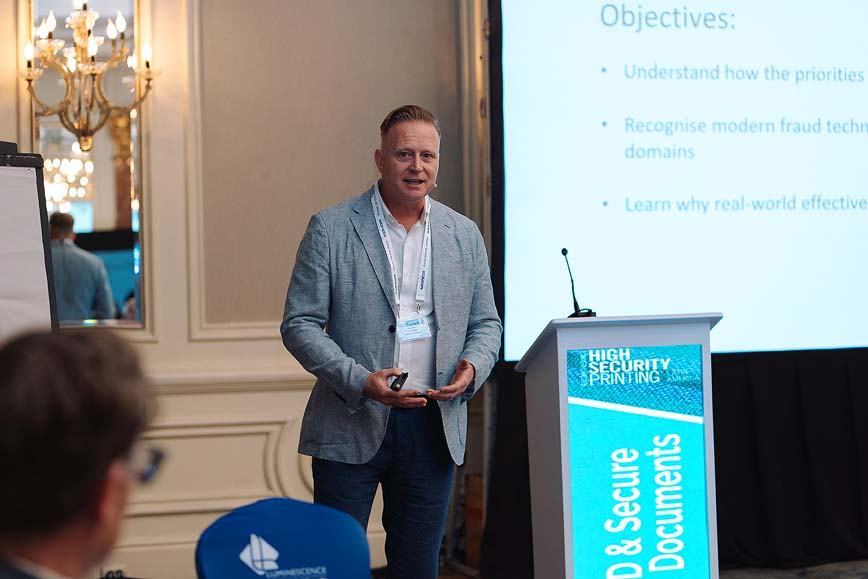
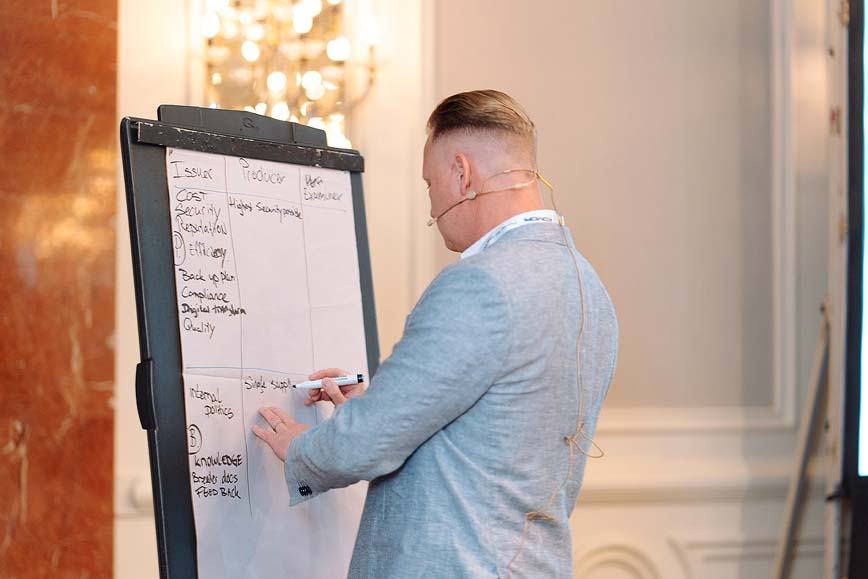
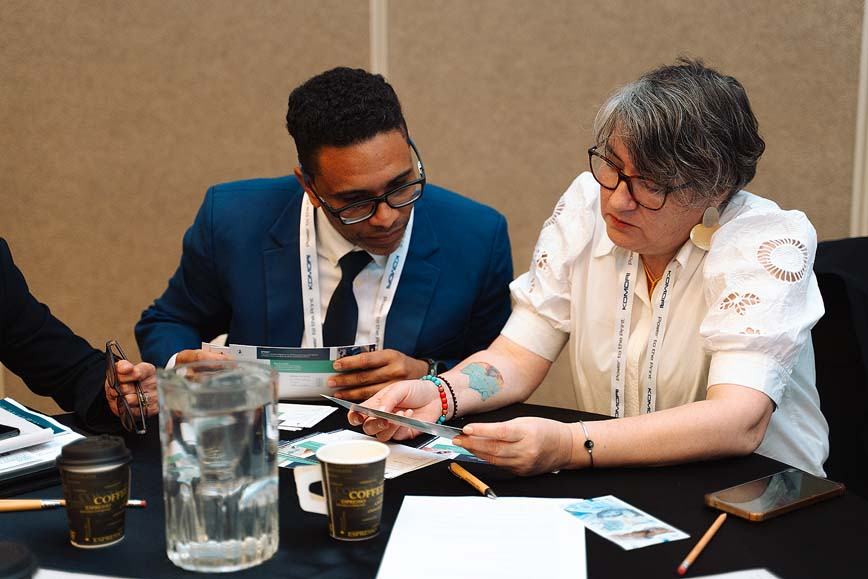
The first ID workshop, conducted by Michael van Gestel and Maickel van Oijen, of MVD ID Consultancy and Keesing Technologies, respectively, focused on ‘Unmasking Identity Fraud’, presenting physical and digital document threats via case studies.  

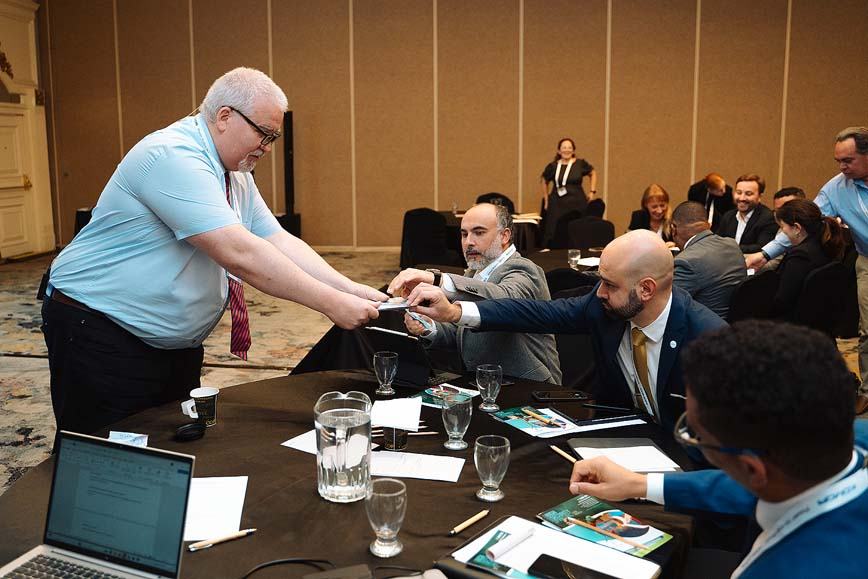
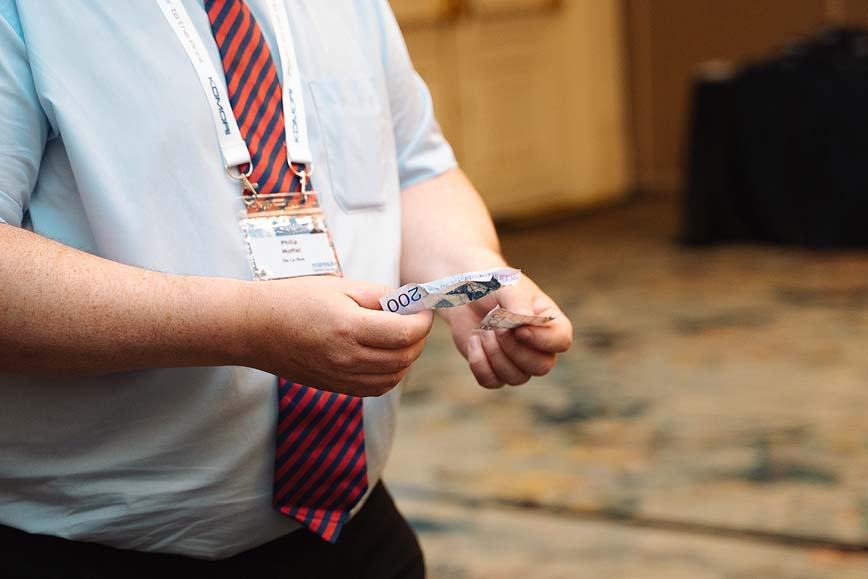
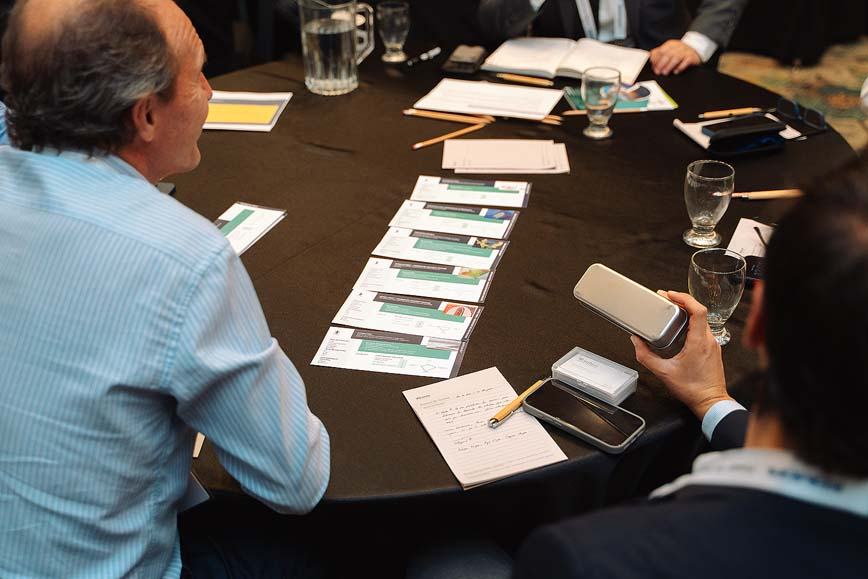
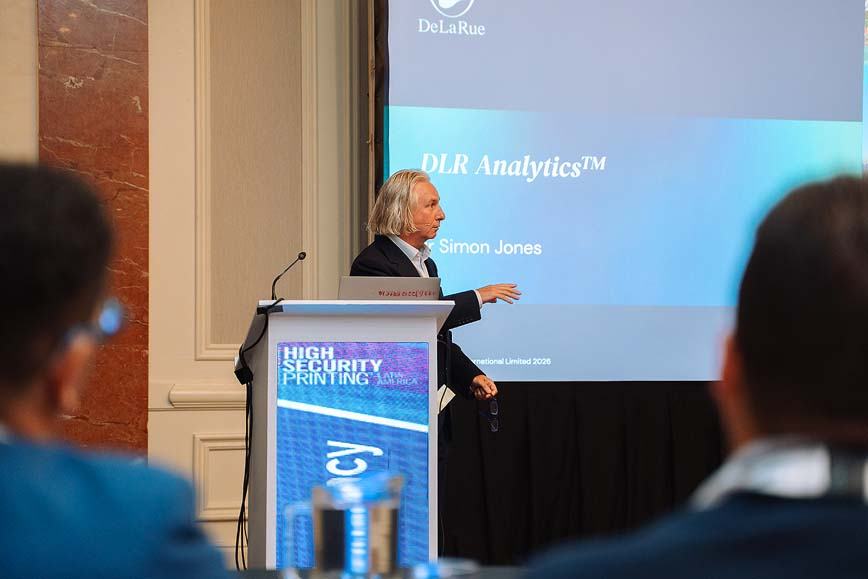
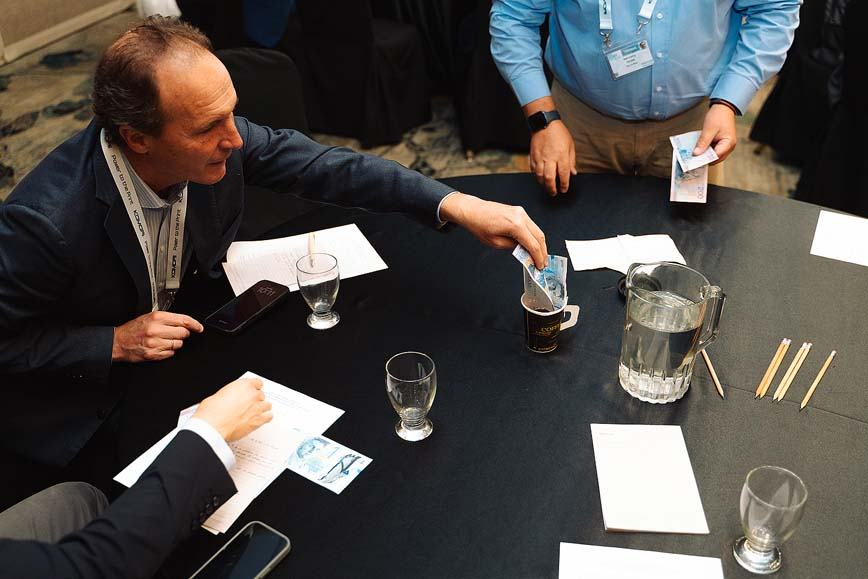
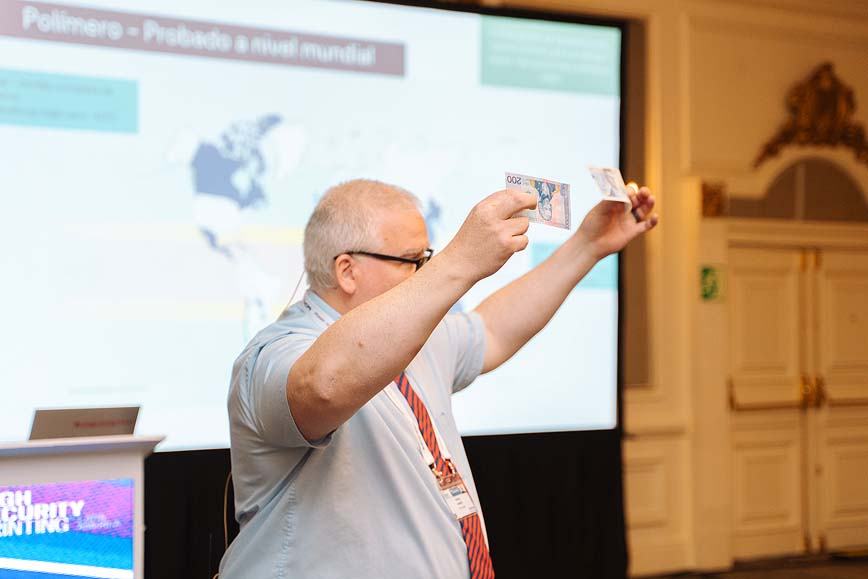
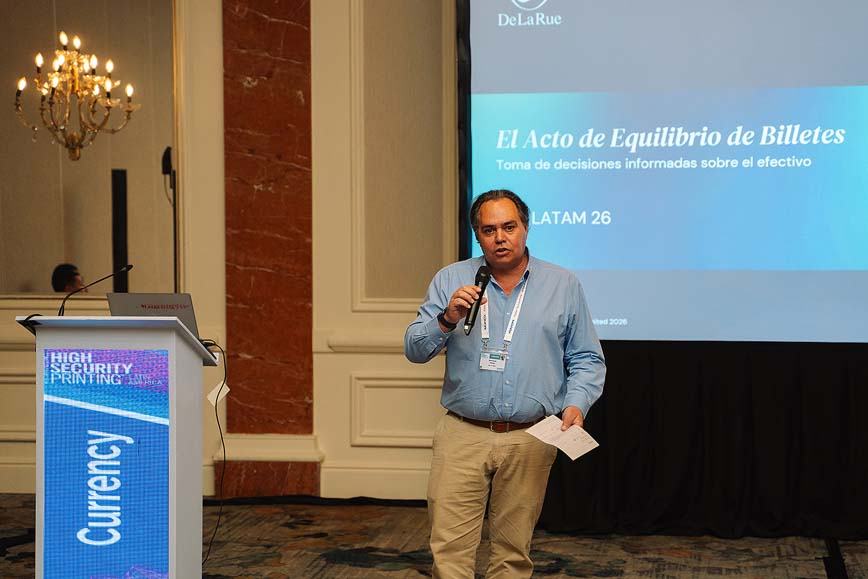
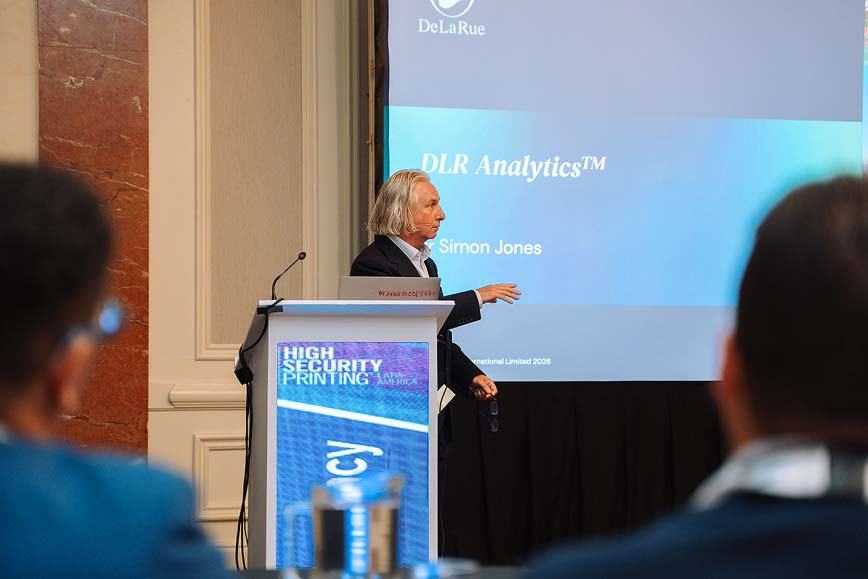
De La Rue also ran a workshop, for central banks only, entitled ‘The Banknote Balancing Act’, which examined how to make informed currency decisions. It included cash data from De La Rue Analytics™, the benefits of the Safeguard® polymer substrate, roundtable talks on cash challenges, and a design exercise on practical trade-offs.

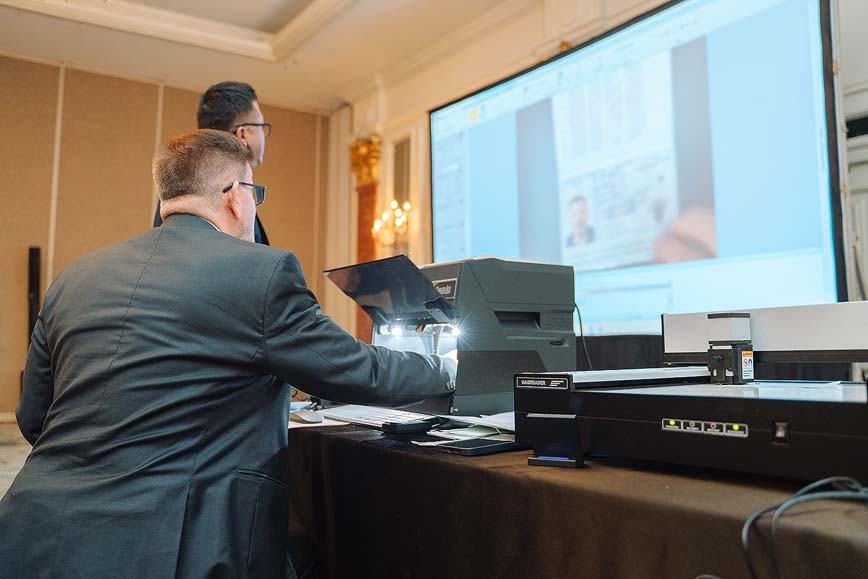
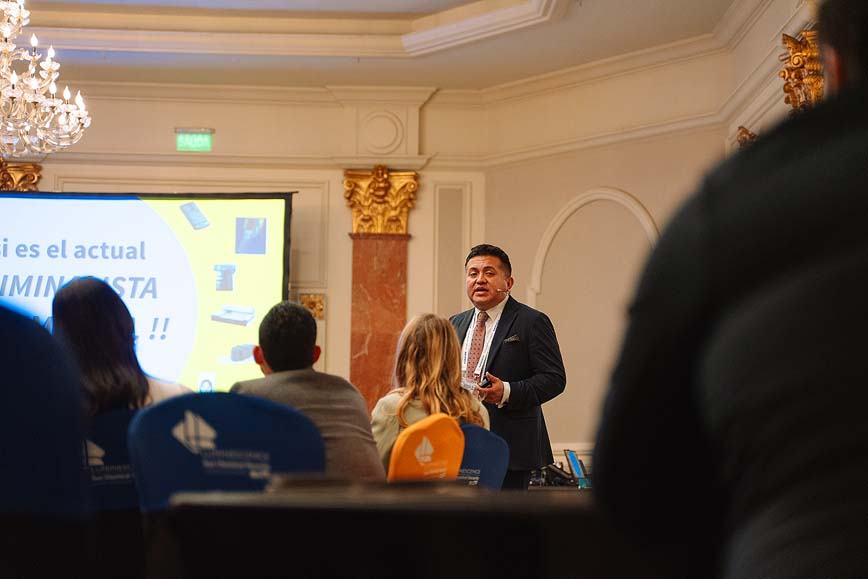
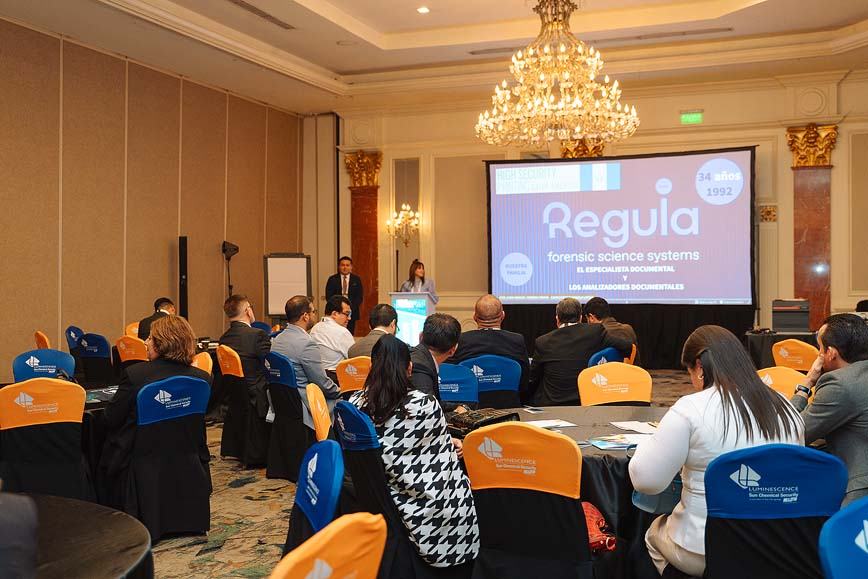
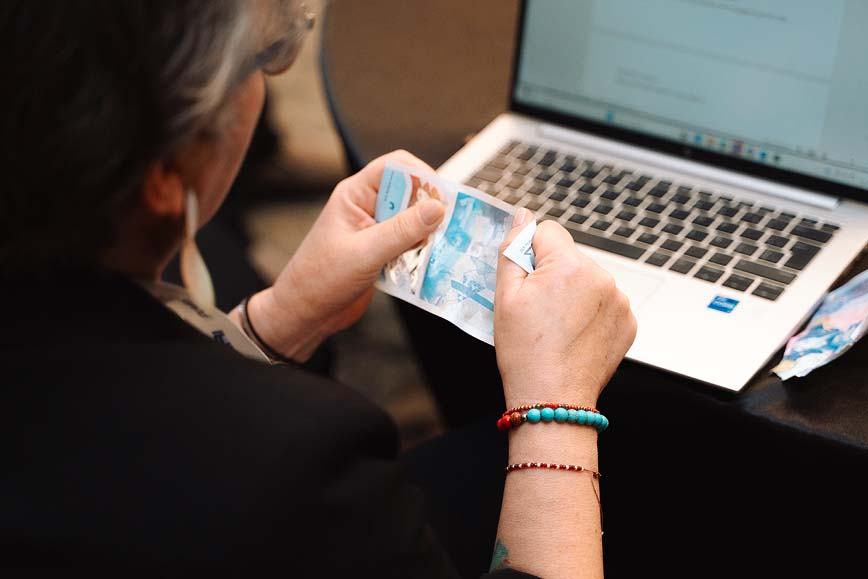
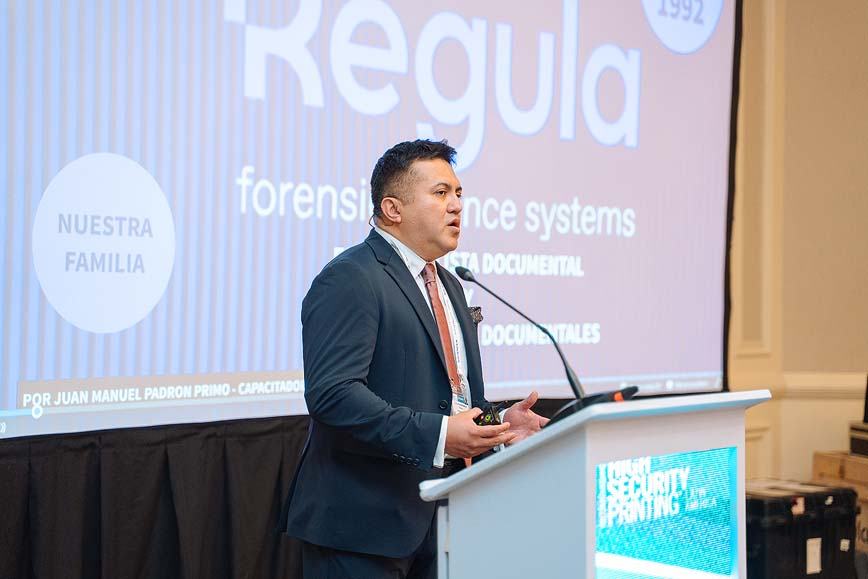
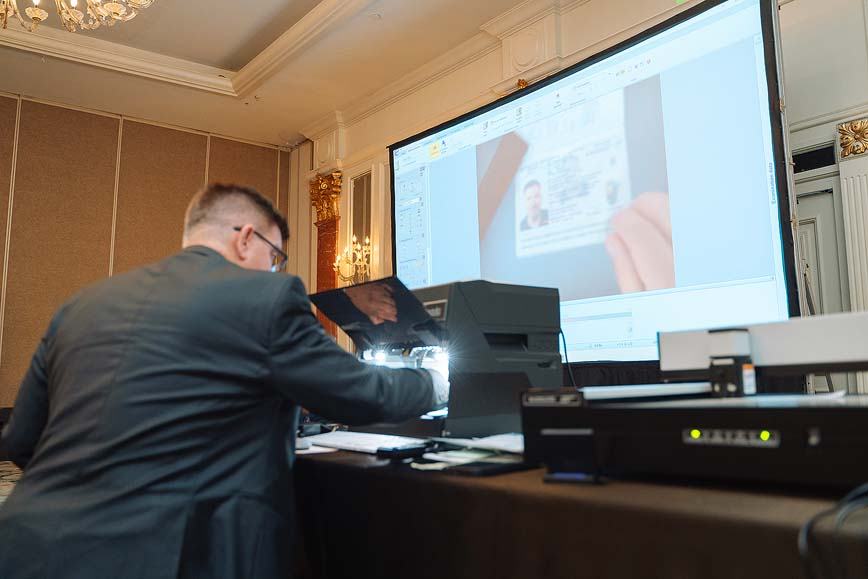
Both were followed by an afternoon of in-depth forensic examination of documents by Juan Manuel Padrón of Regula Forensics.

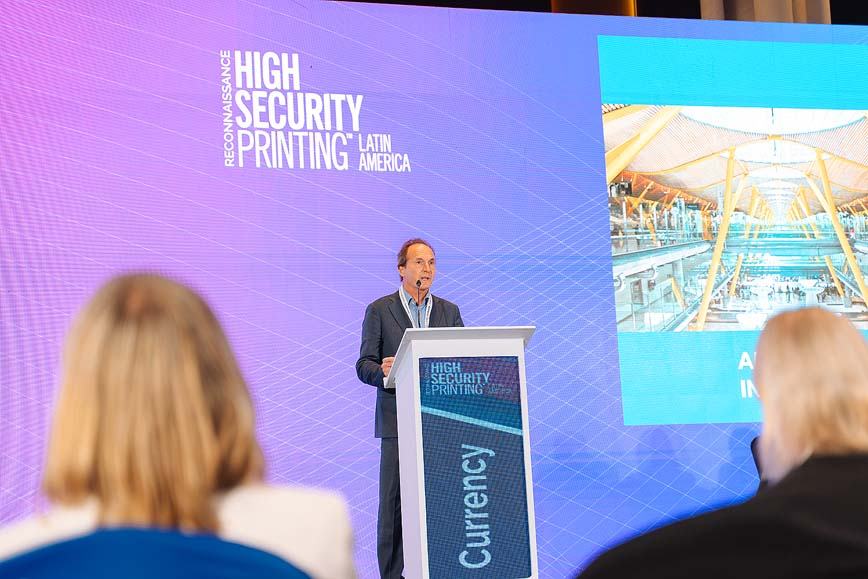
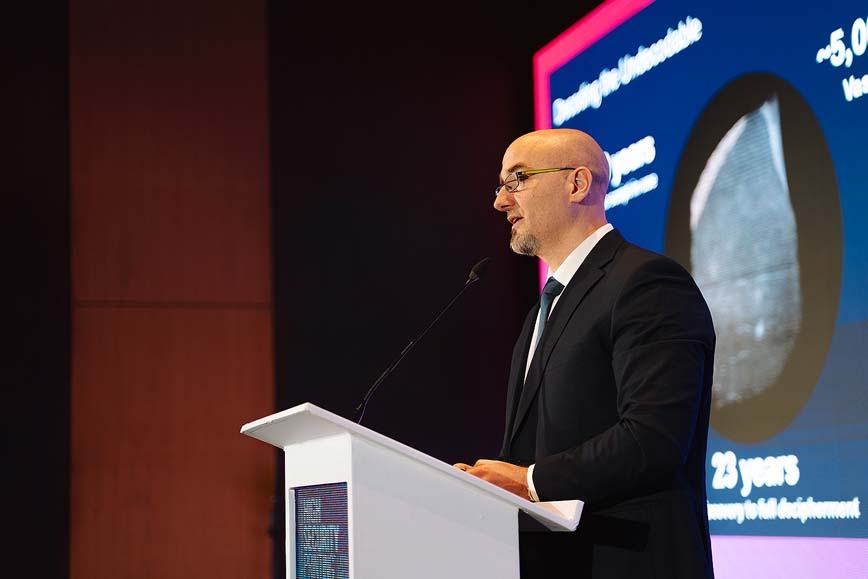
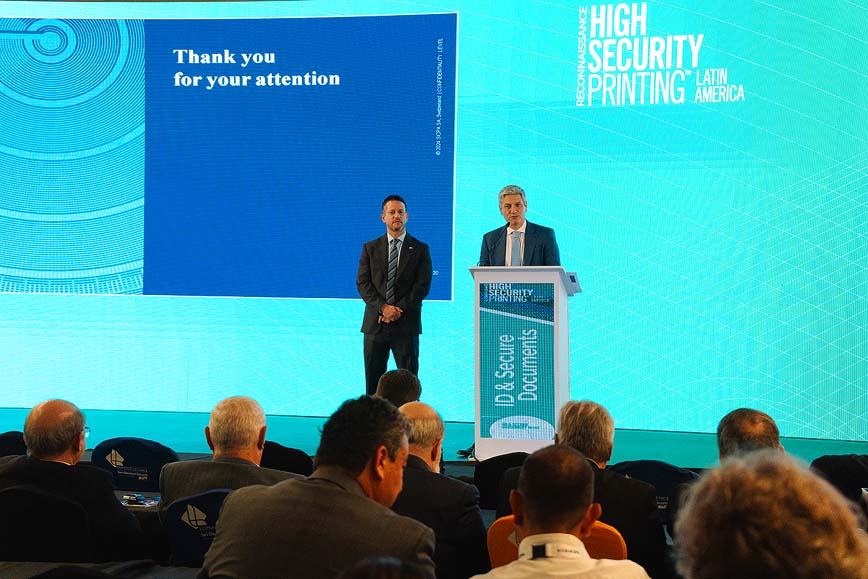
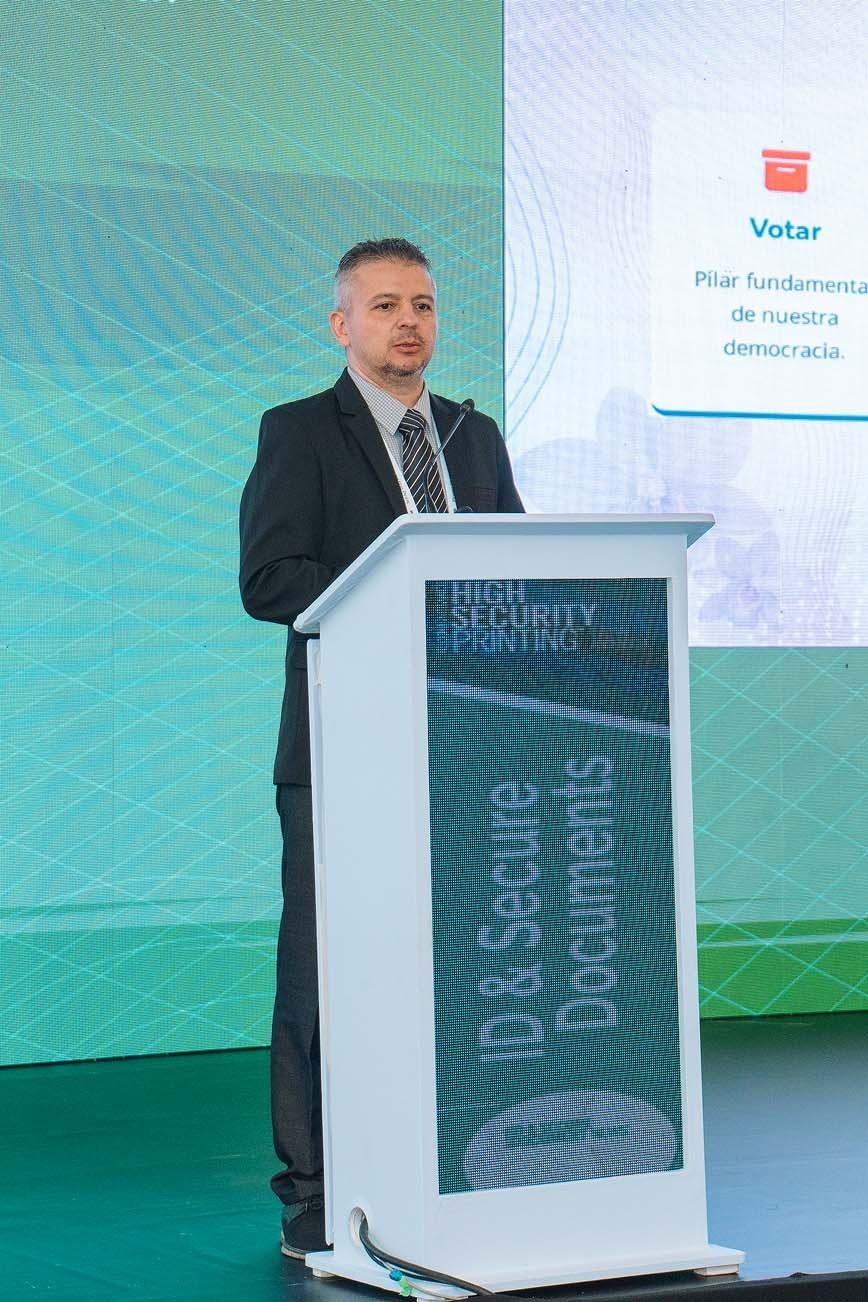
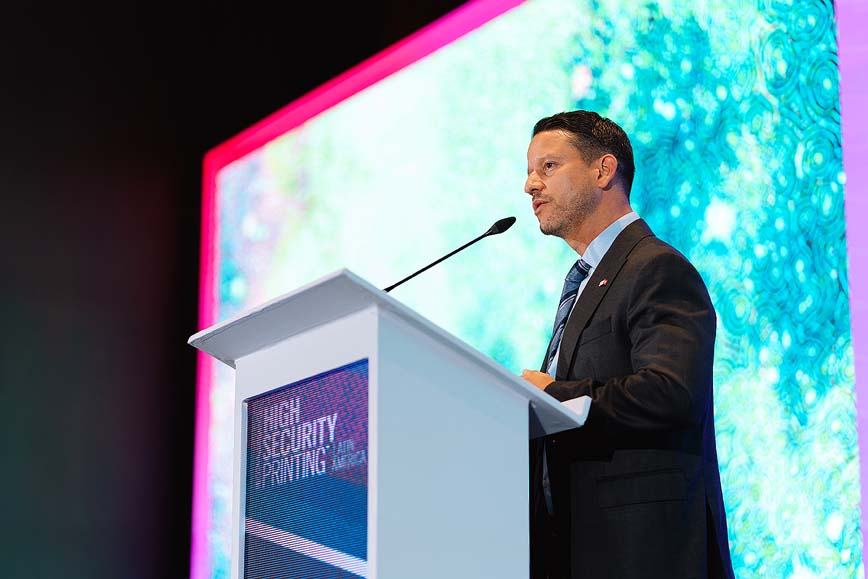
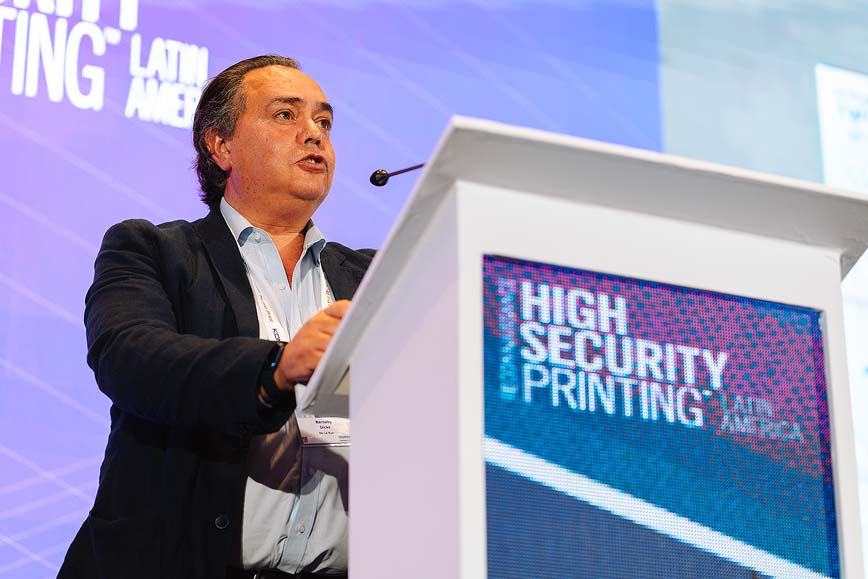
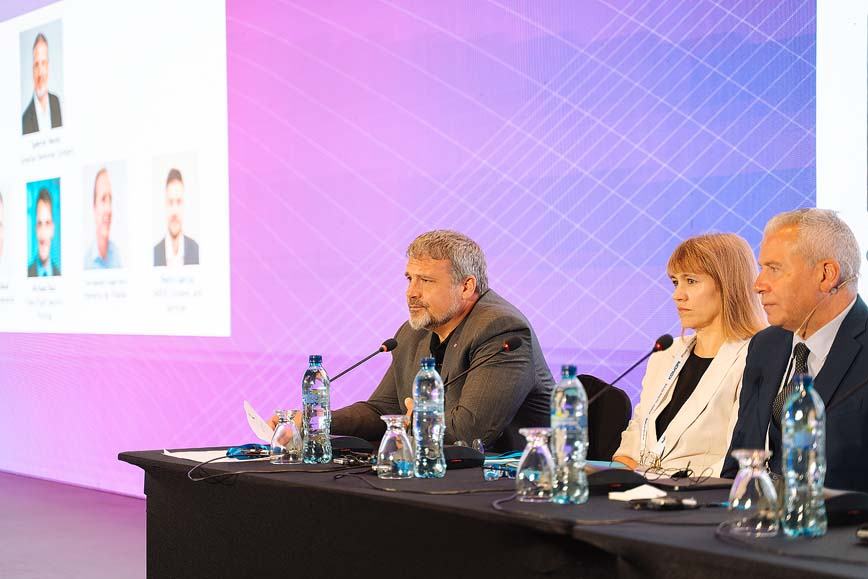
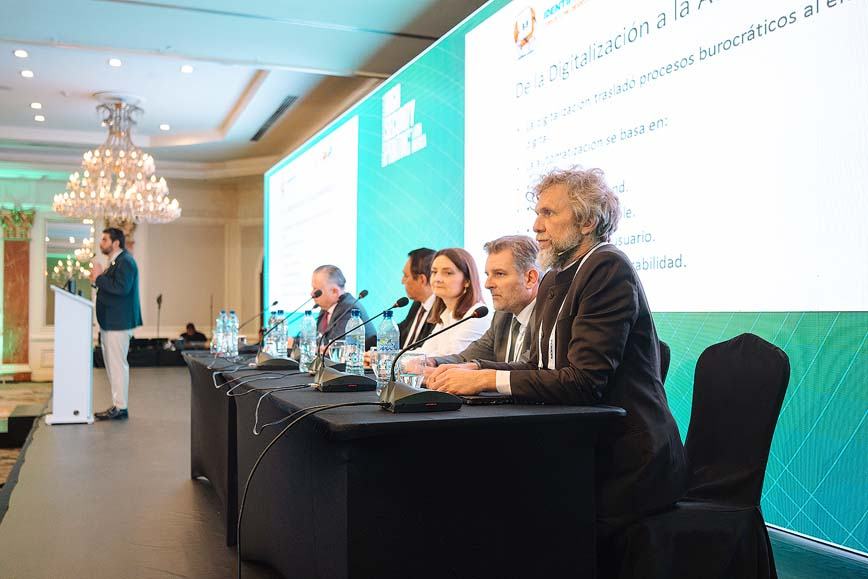
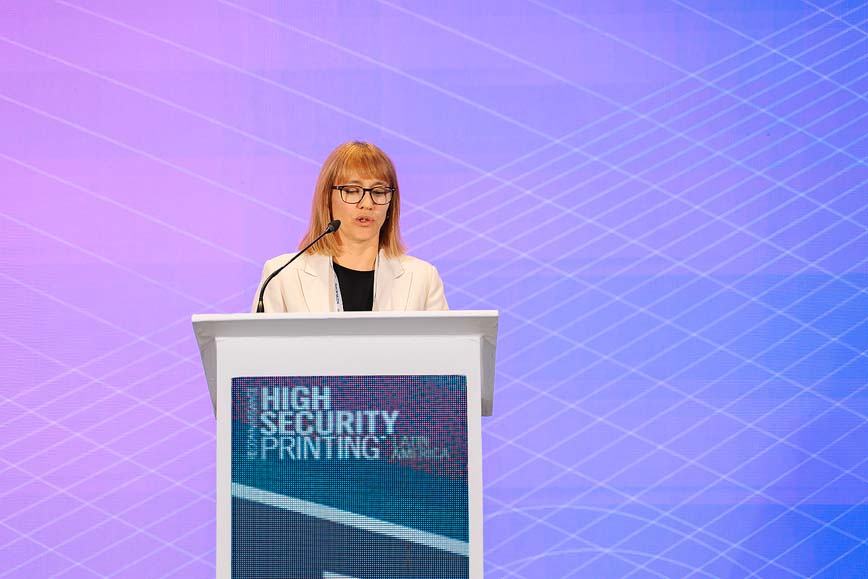
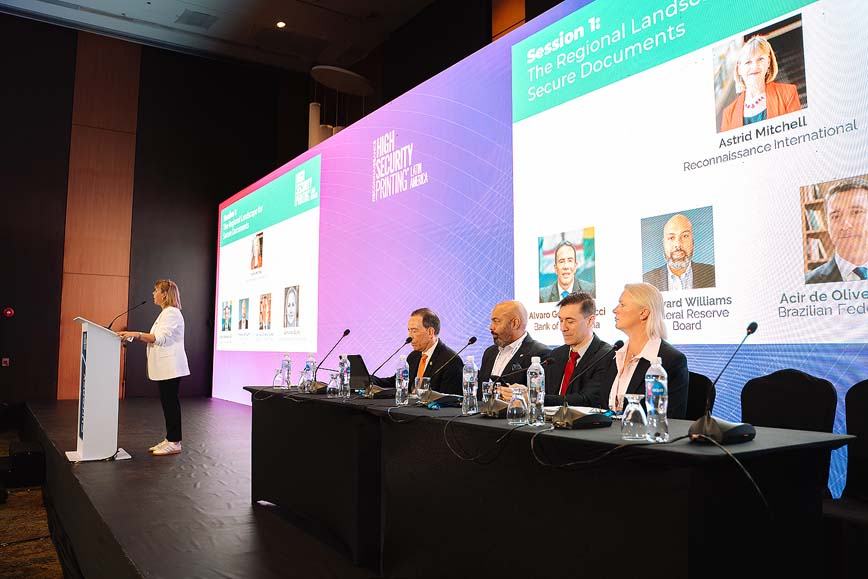
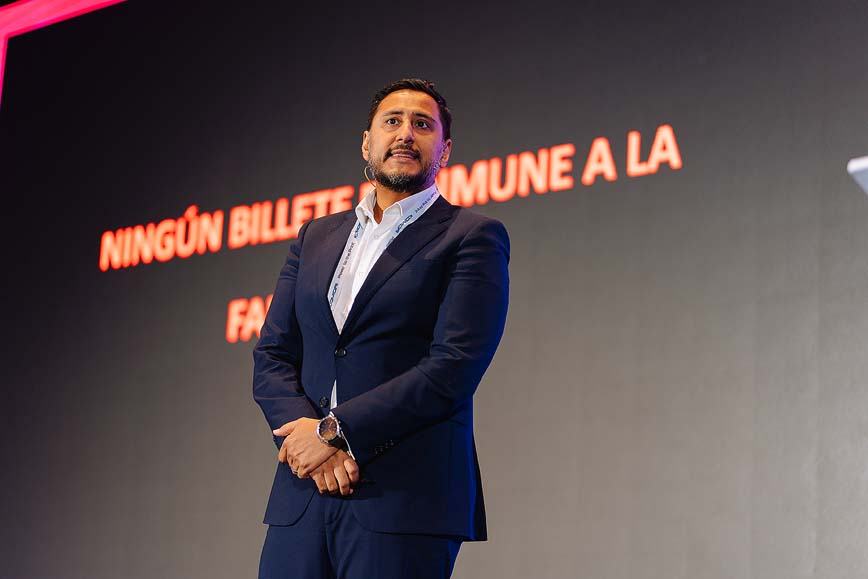
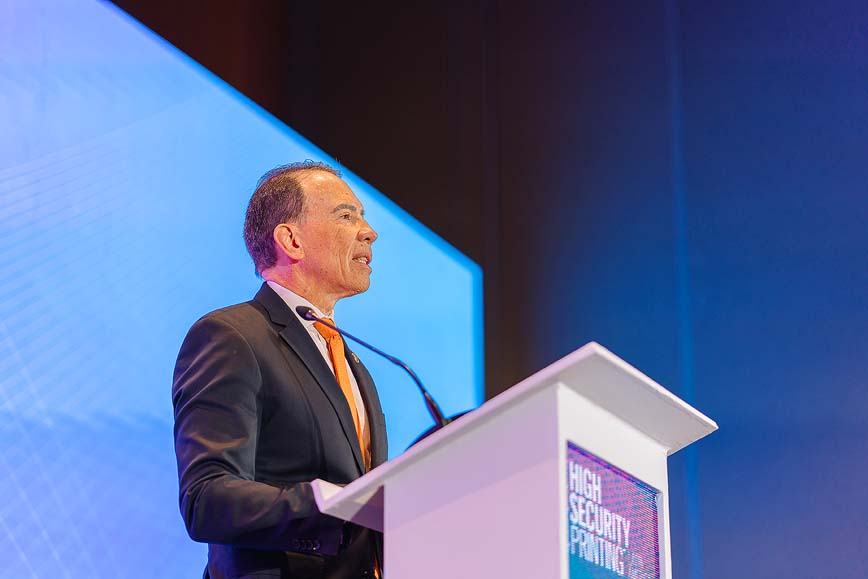
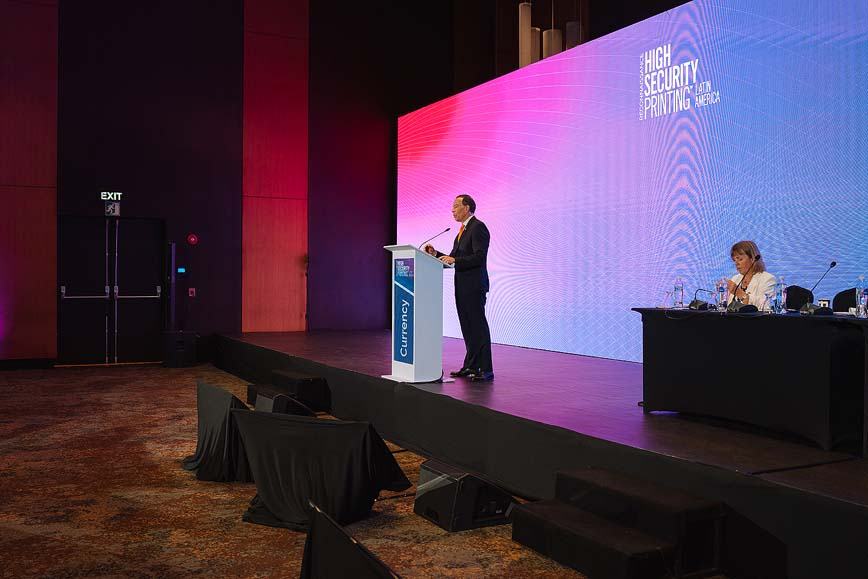
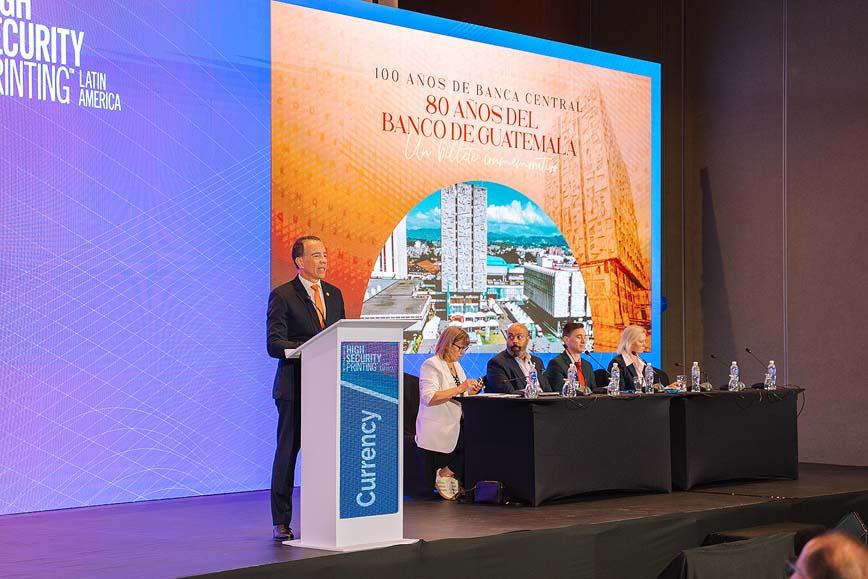
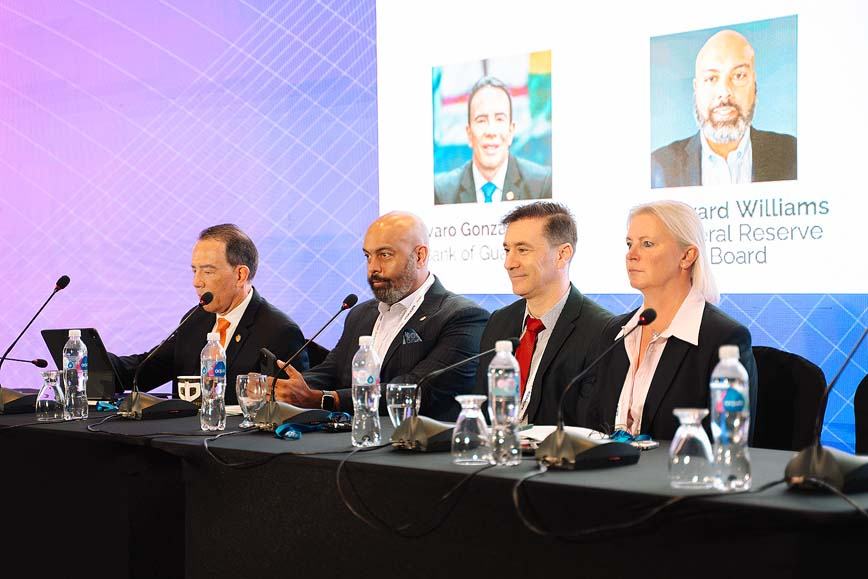
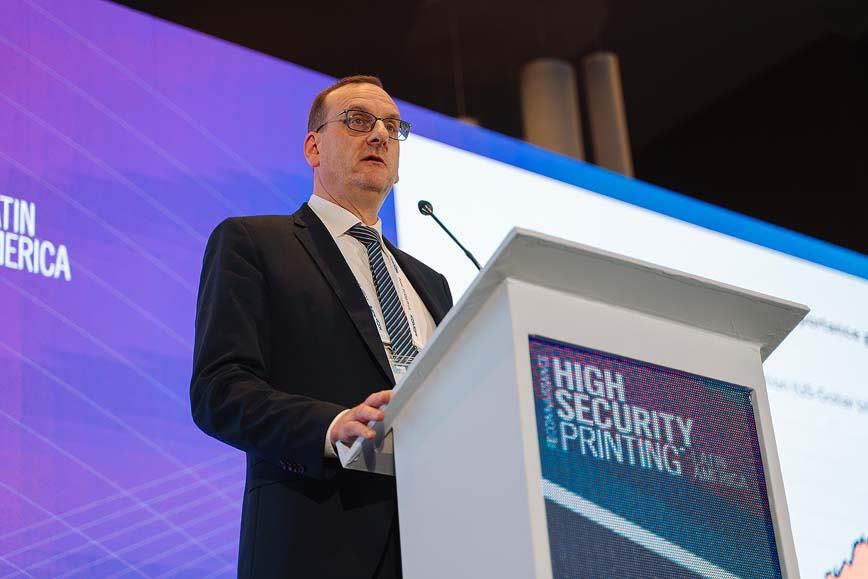
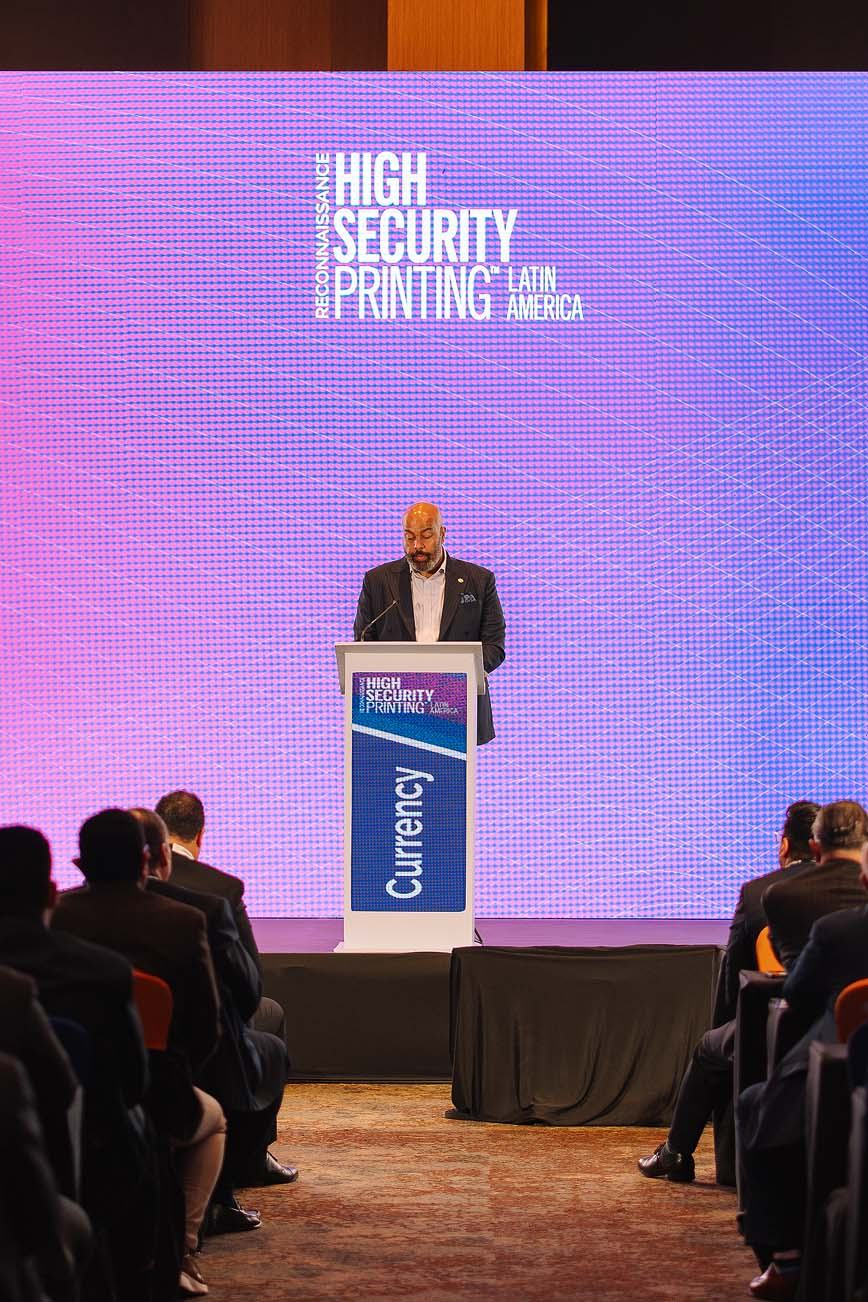
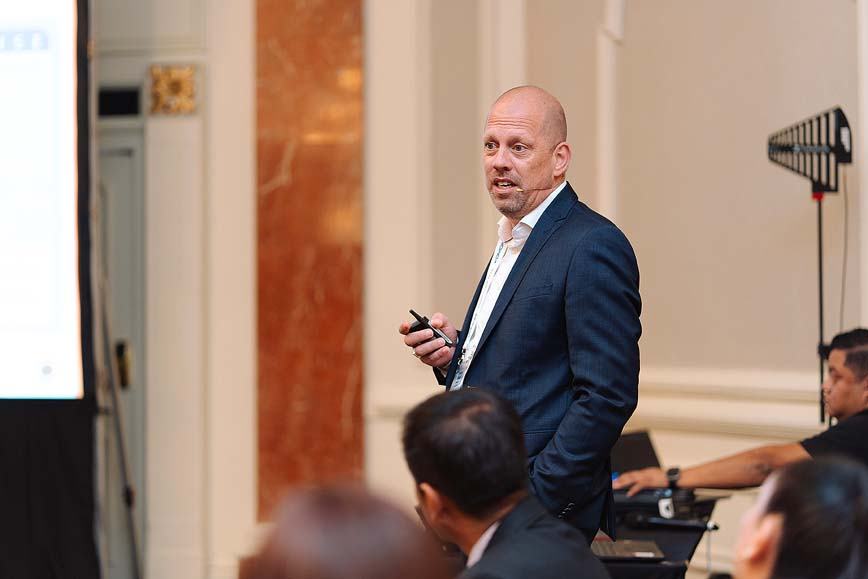
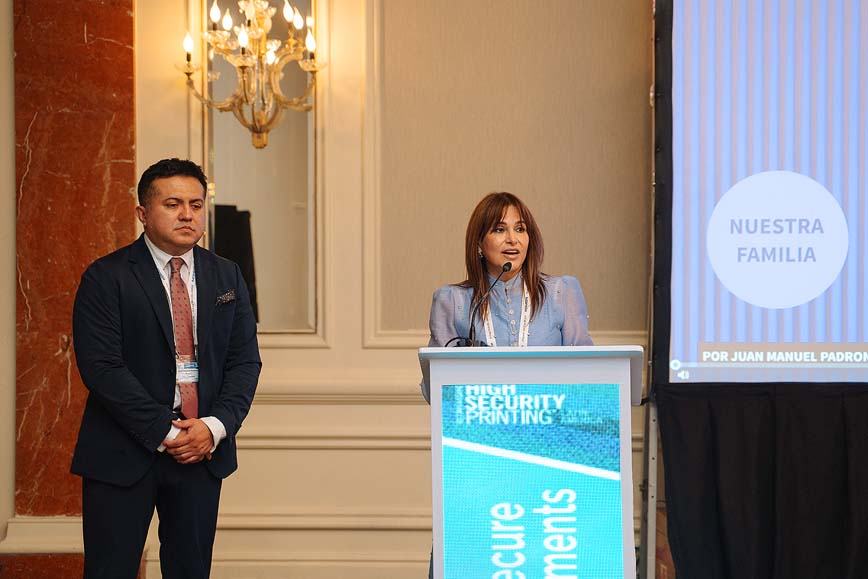
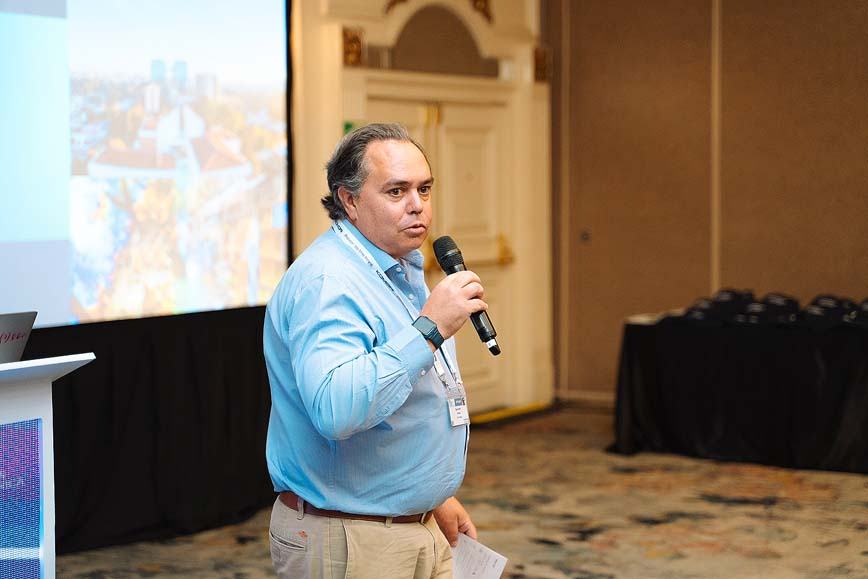
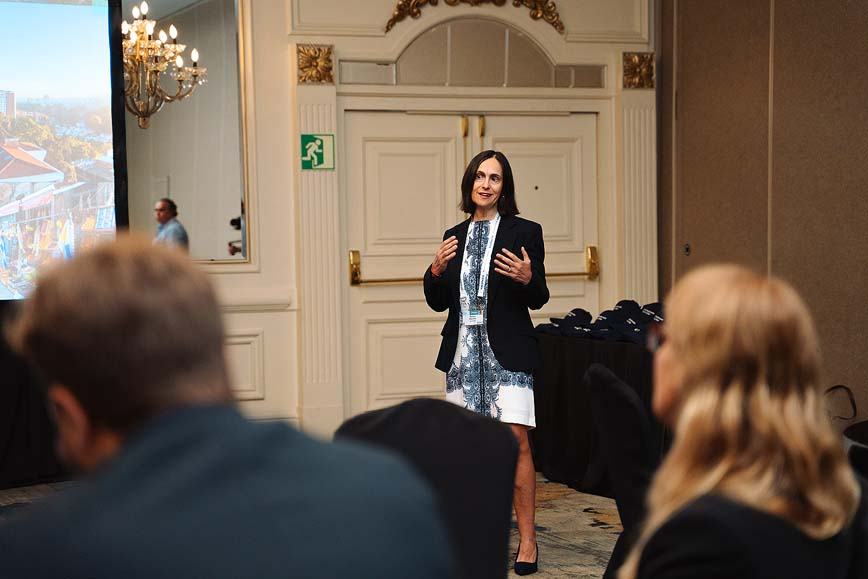
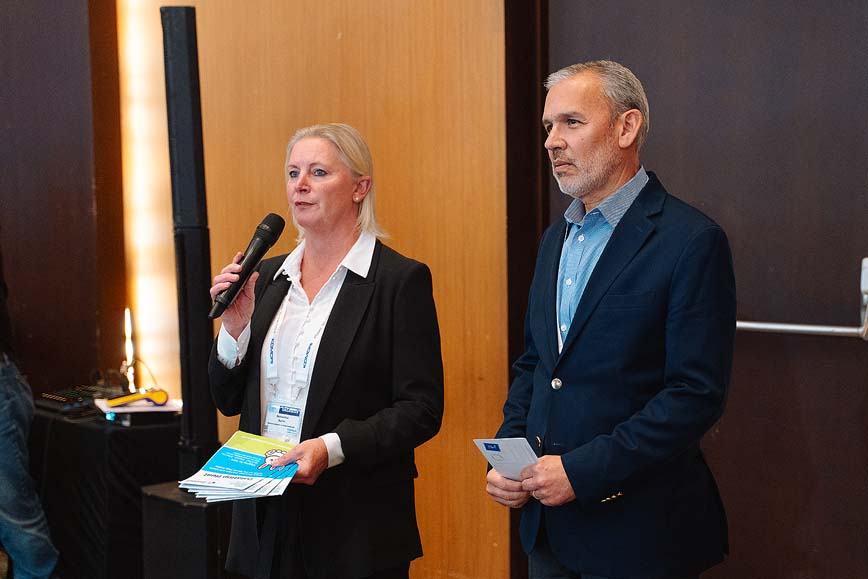
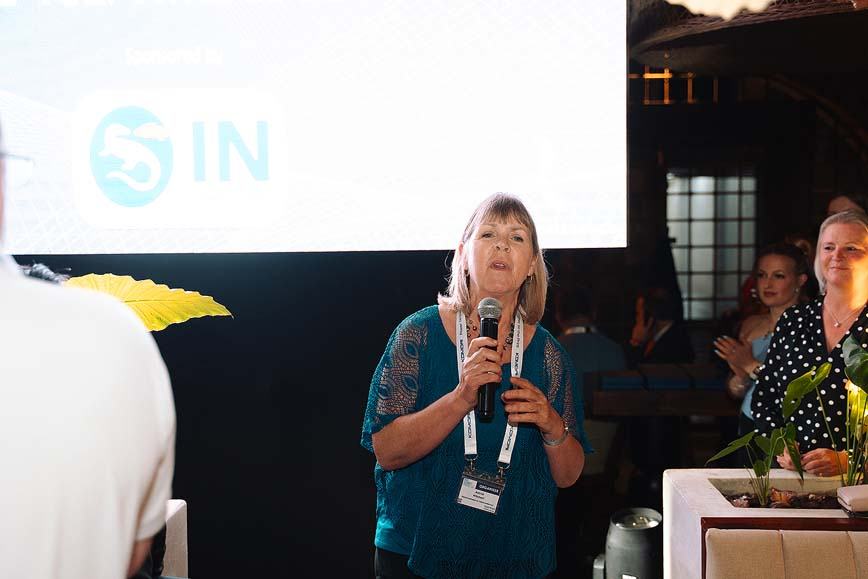
On Tuesday, 2 June, Astrid Mitchell of Reconnaissance International and Alvaro González Ricci, head of the Bank of Guatemala (BANGUAT), welcomed the delegates to Guatemala City and the conference.

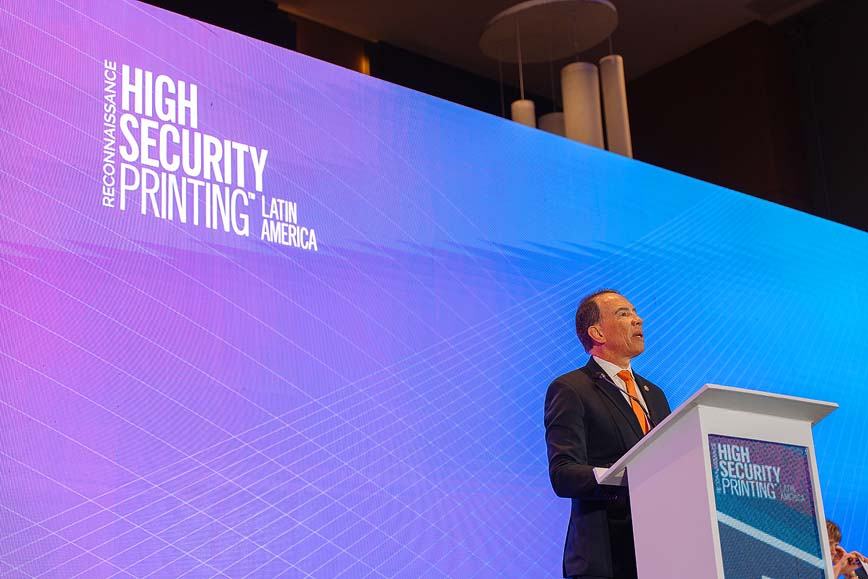
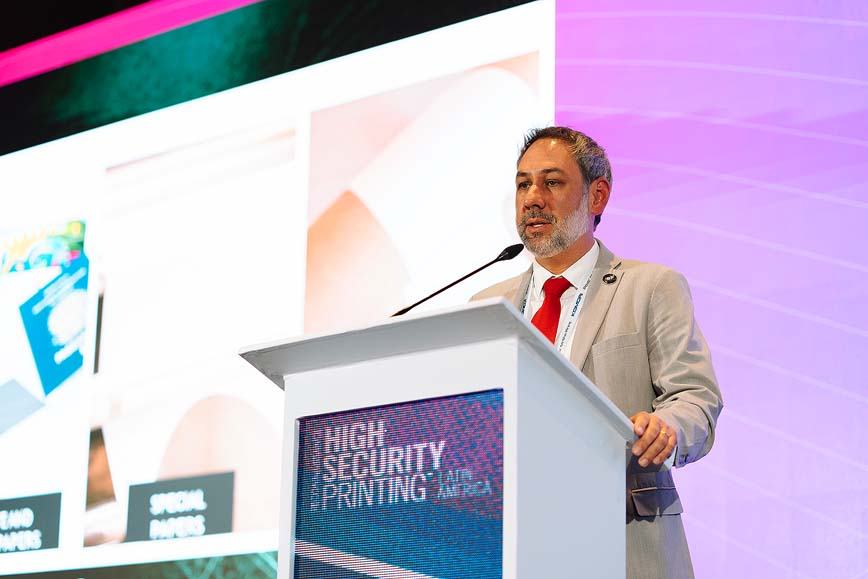
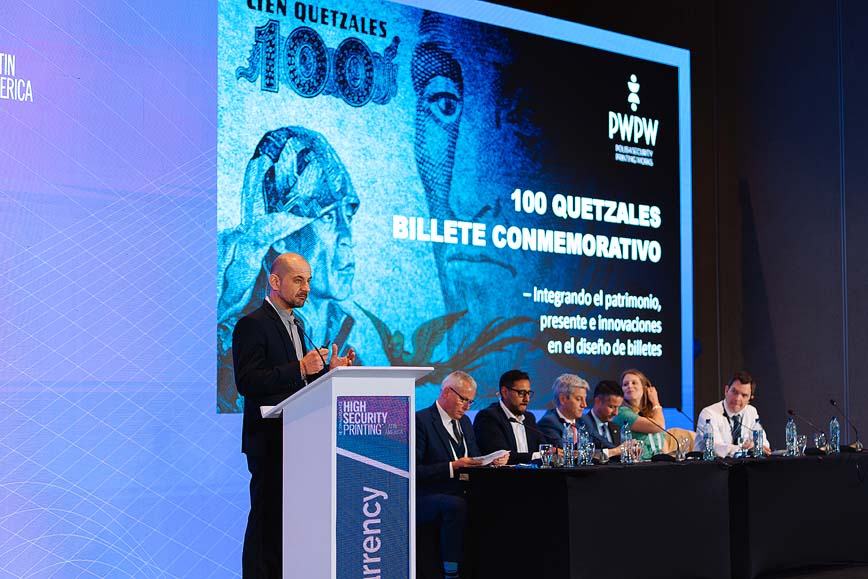
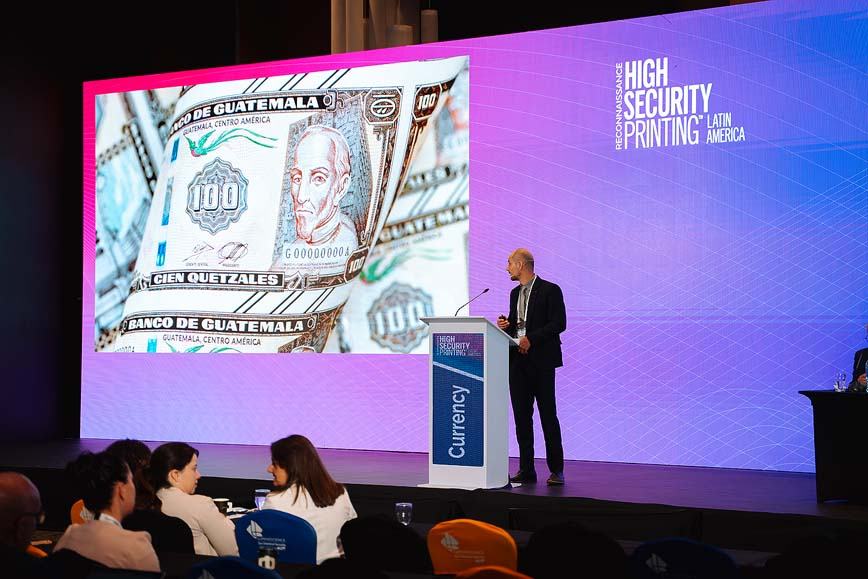
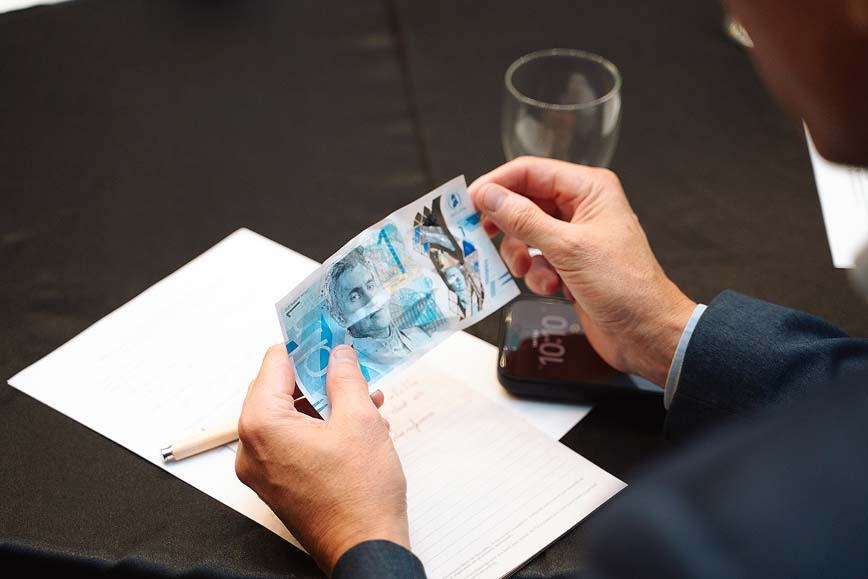
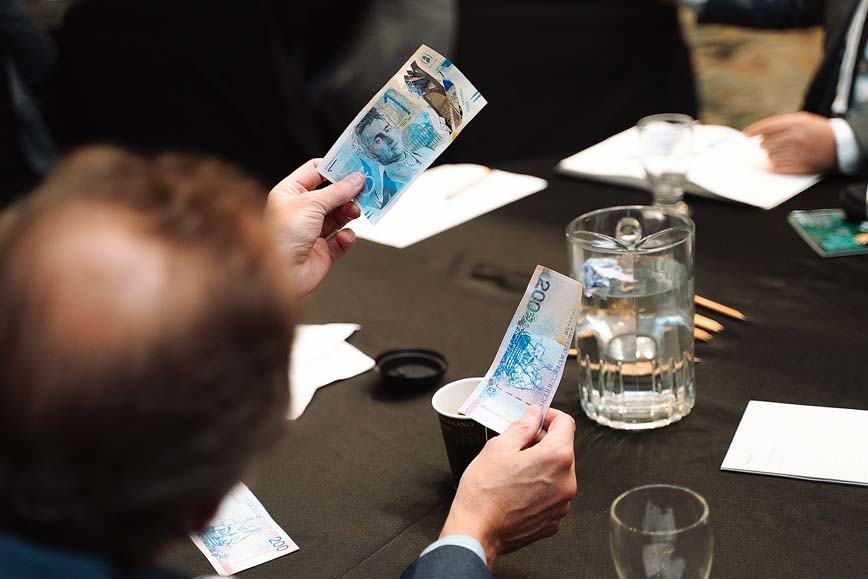
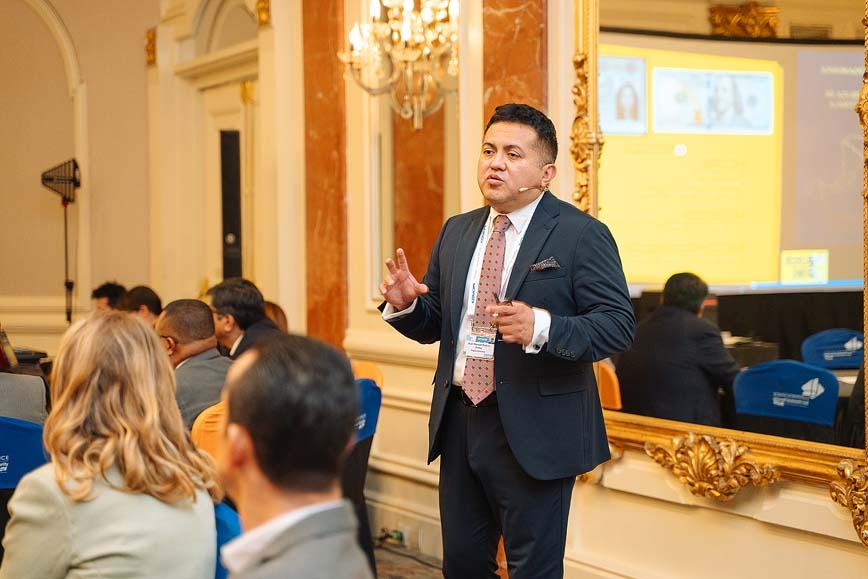
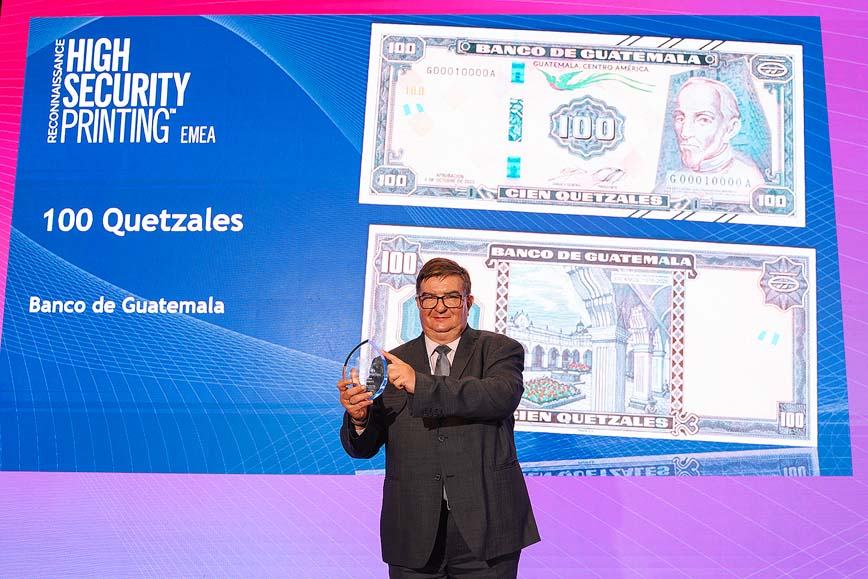
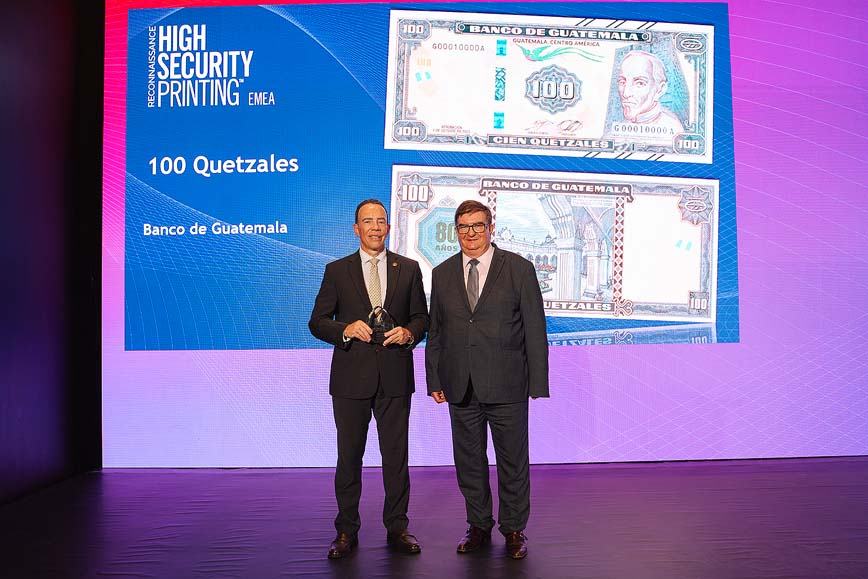
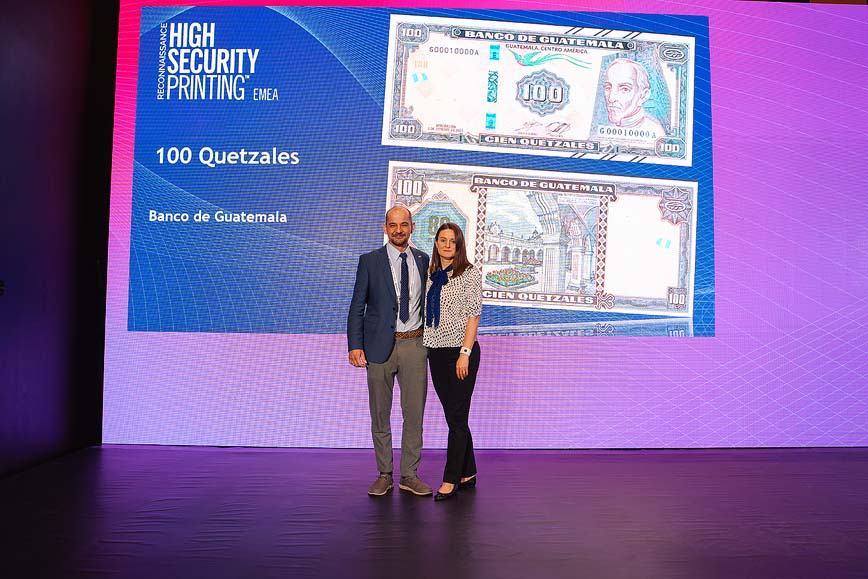
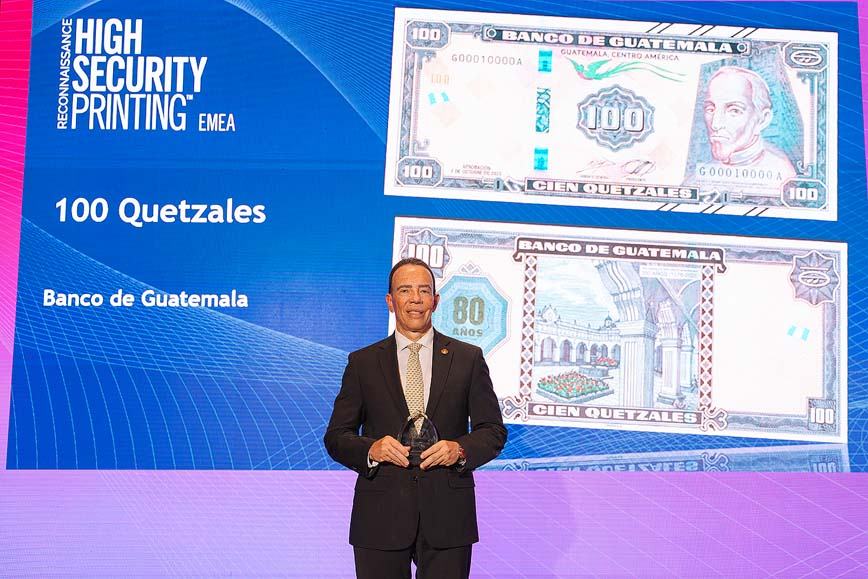
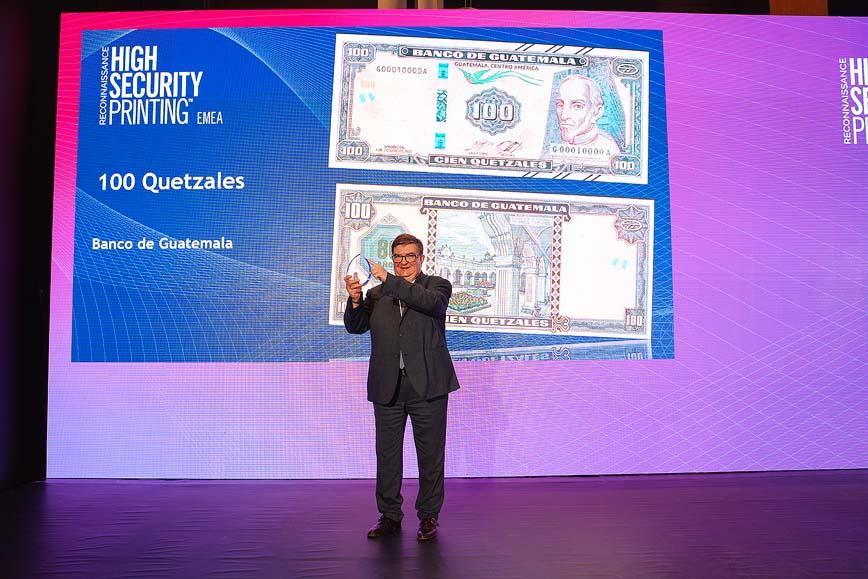
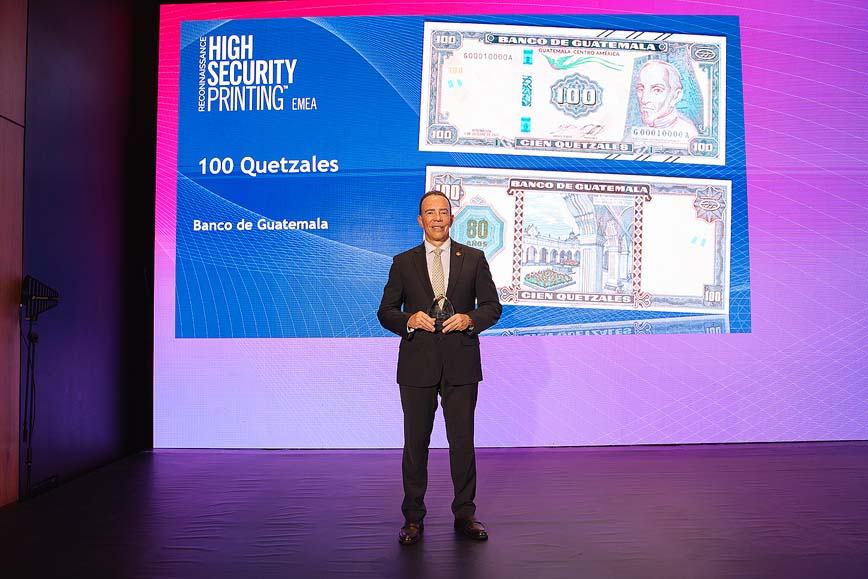
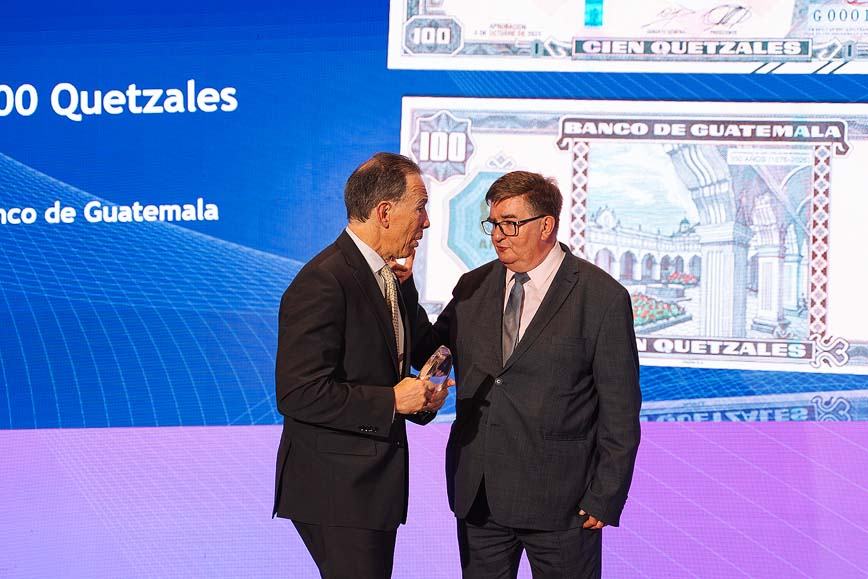
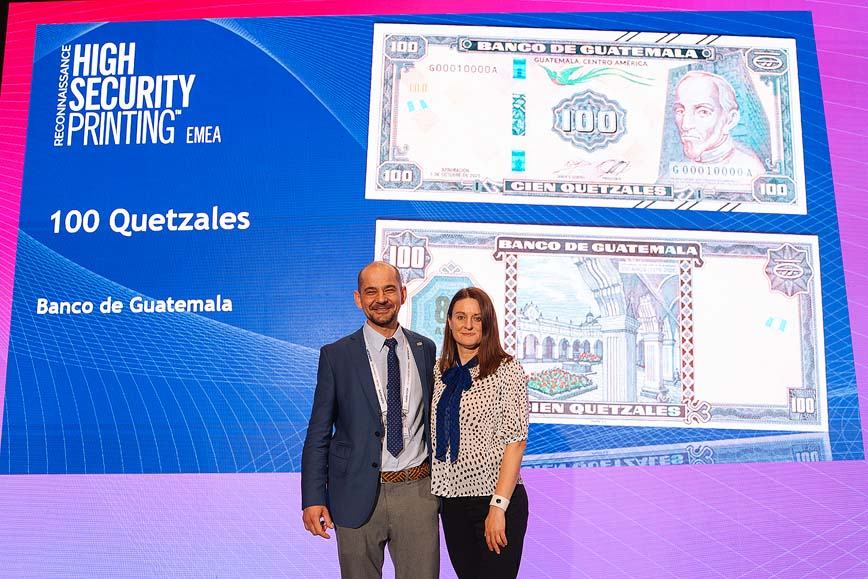
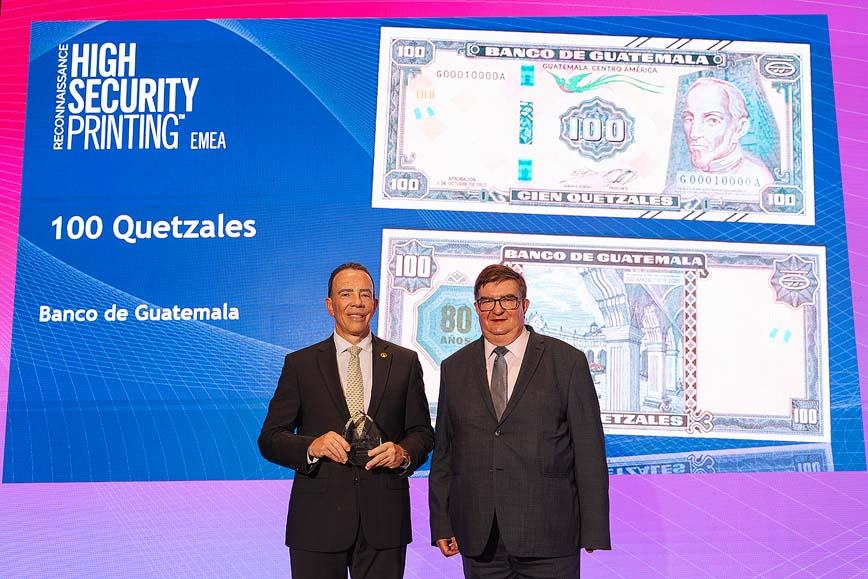
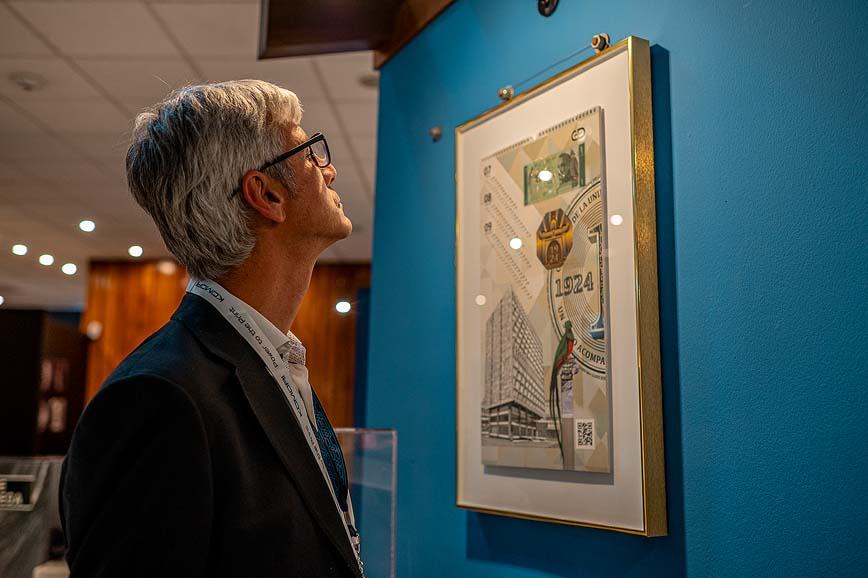
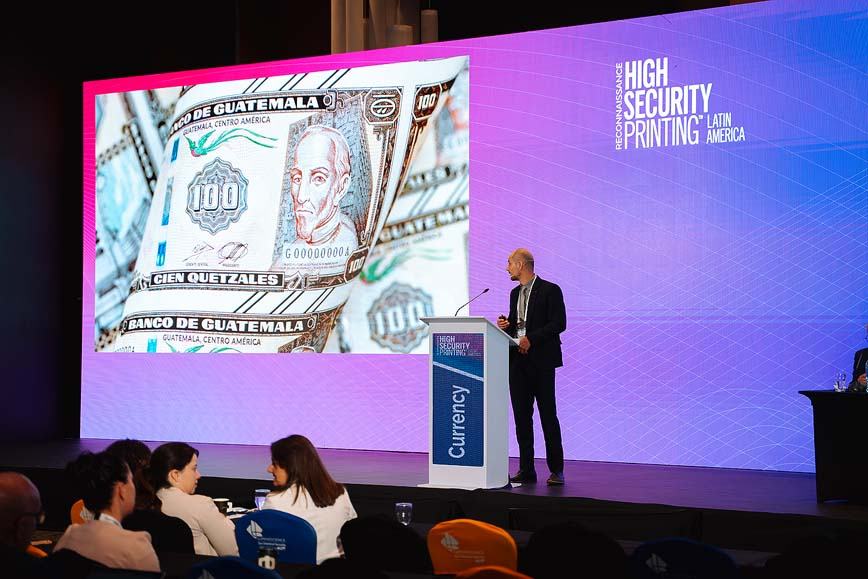
It is often said that banknotes have two functions – as a store of value and as a means of transaction. Mr Ricci gave an eloquent rationale for a third function – namely as a means of communication with the people, engendering trust between a state and its citizens, using the recently released commemorative 100 quetzales banknote as a prime example.

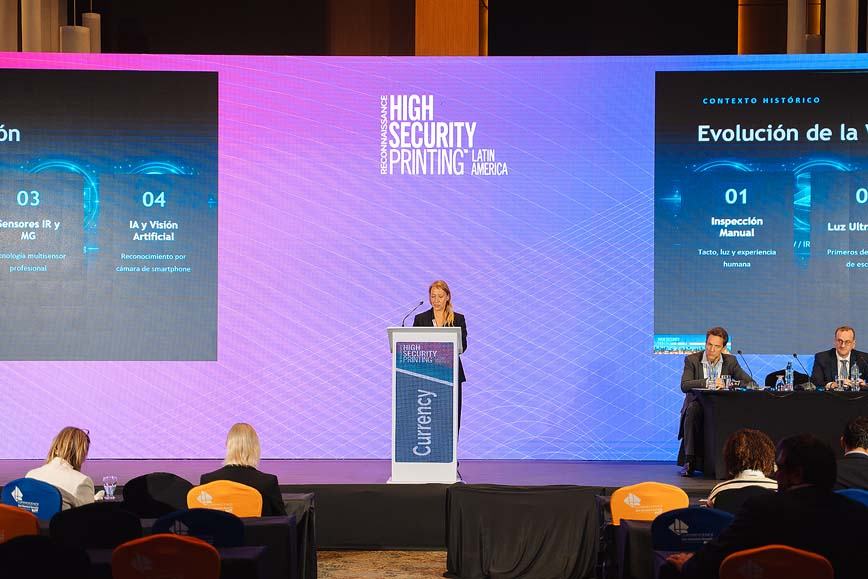
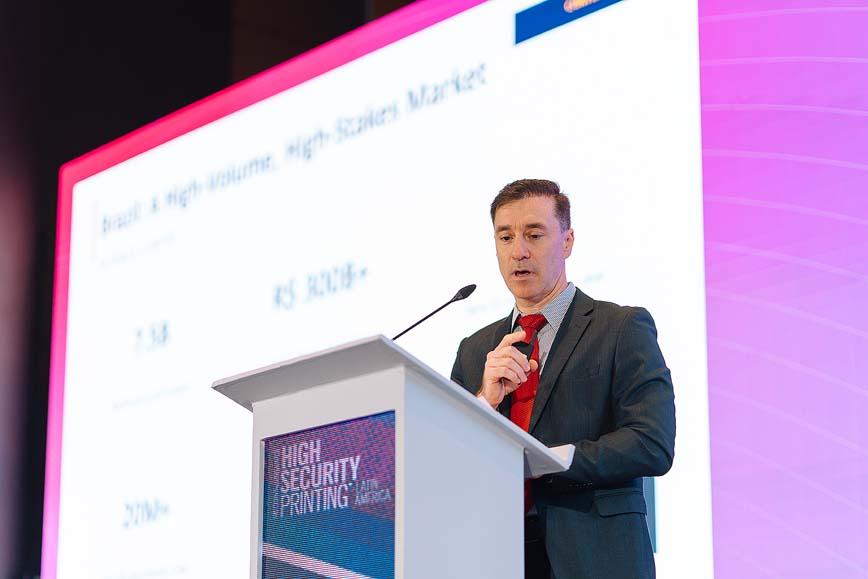
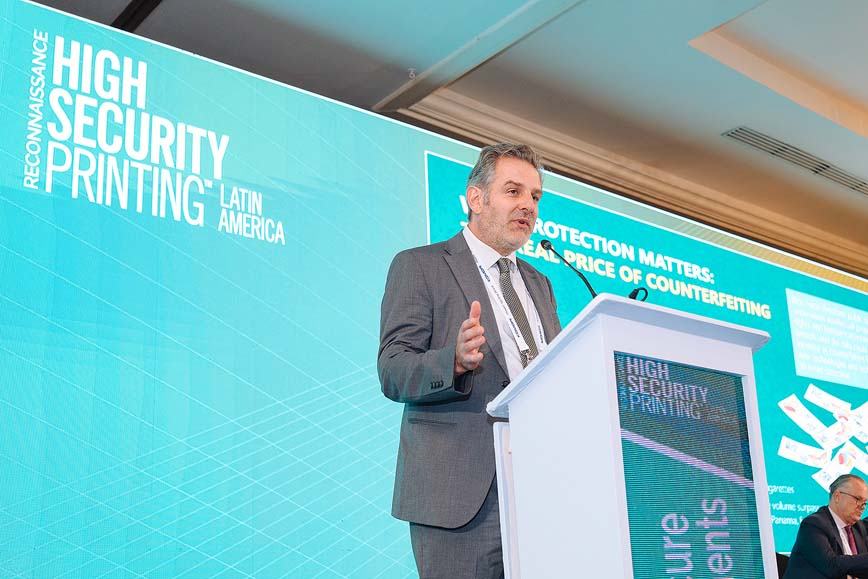
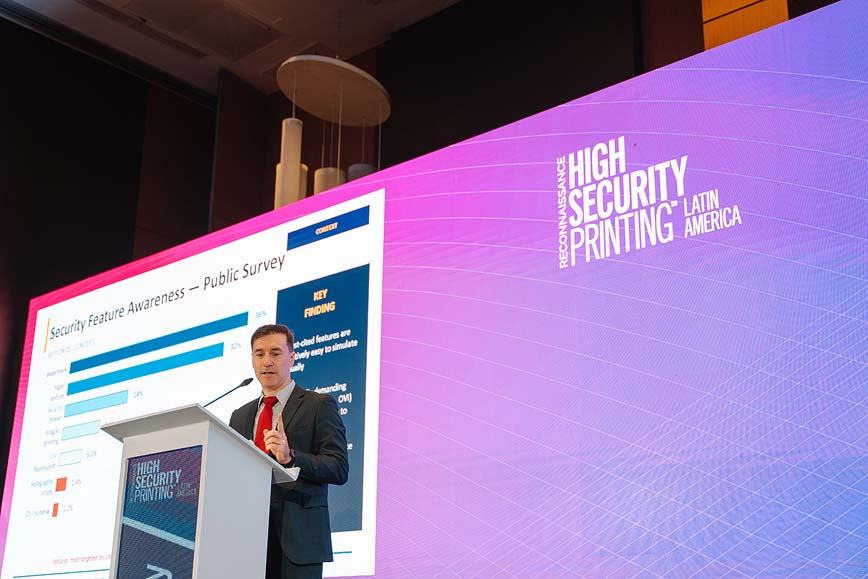
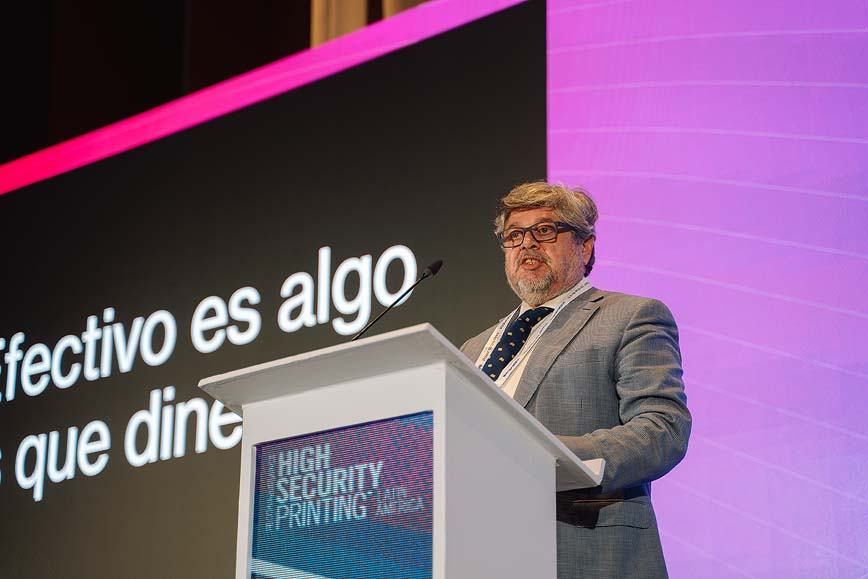
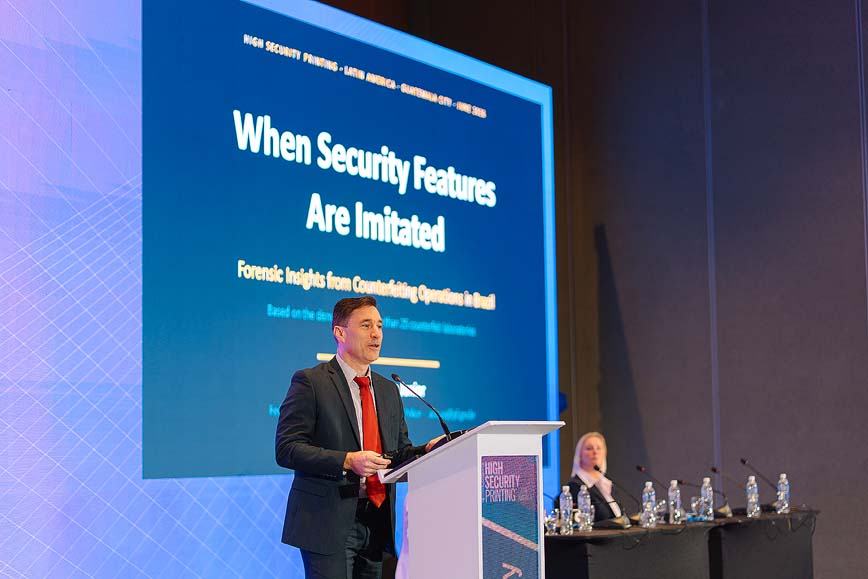
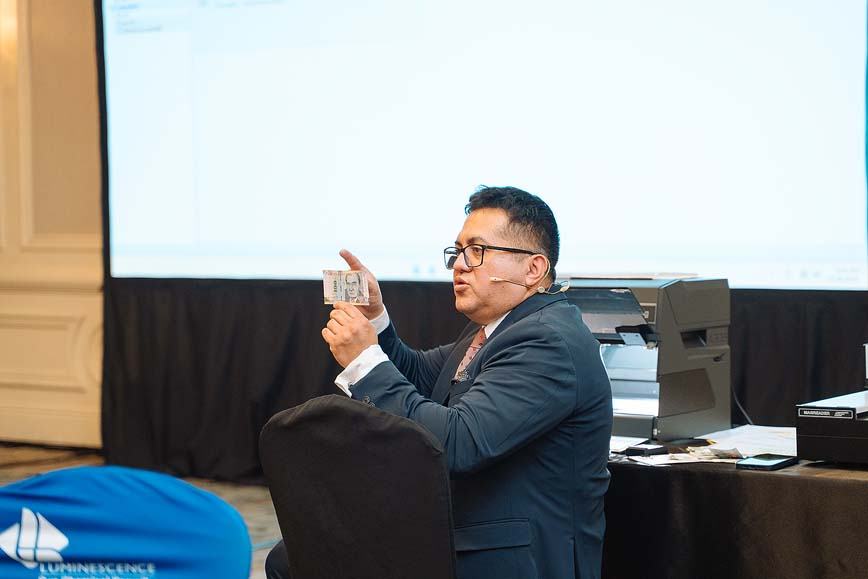
Acir de Oliveira Junior from the Brazilian Federal Police gave a presentation on forensic insights from counterfeiting operations in Brazil. To the surprise, and consternation, of many in the audience, he explained that, according to research and perception tests among the population on the efficacy of different security features, the watermark scored the highest in terms of recognition, and applied features such as OVDs and optically variable ink the lowest by far.  

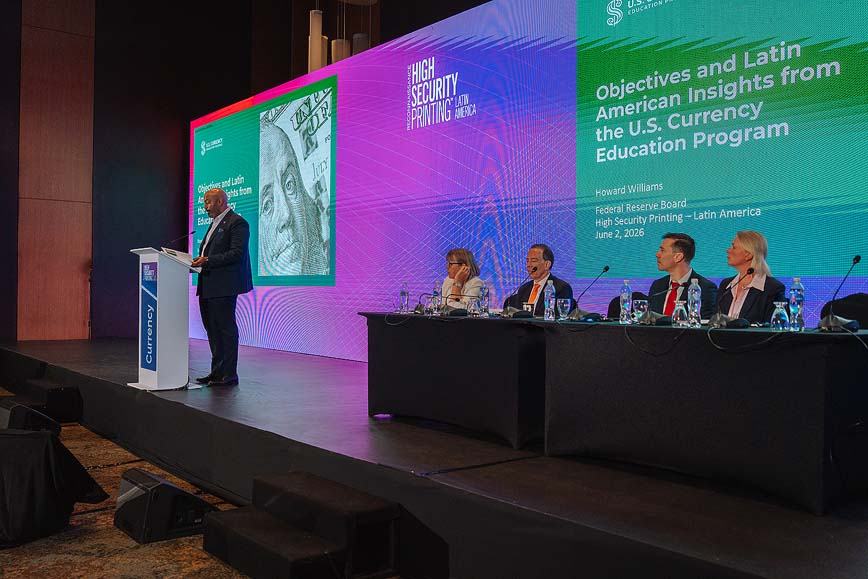
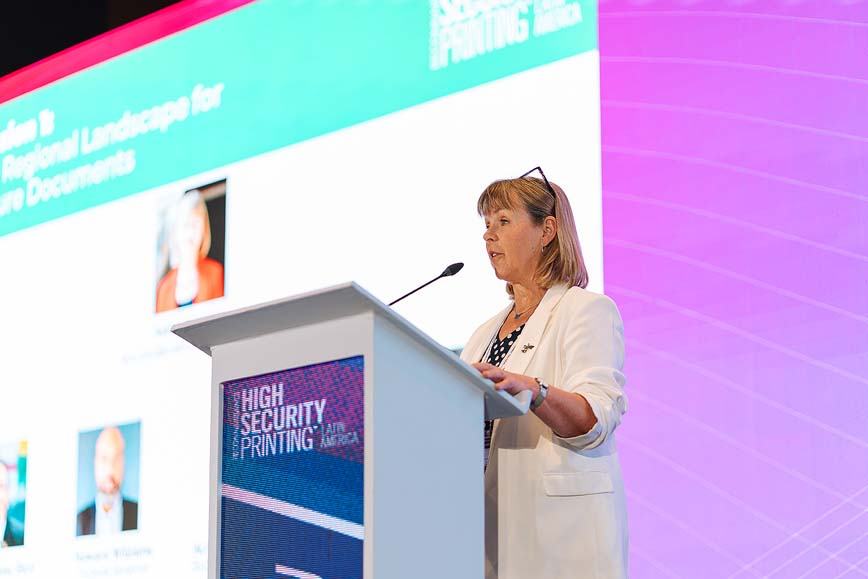
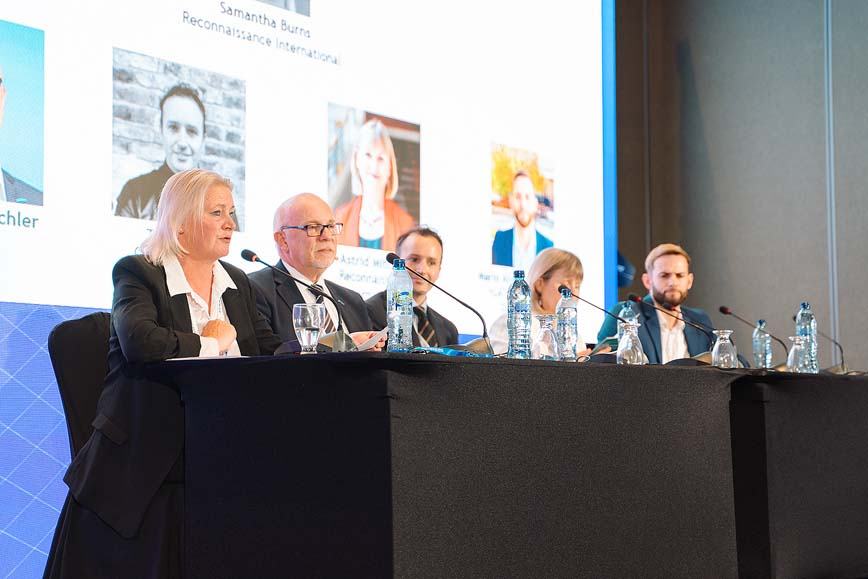
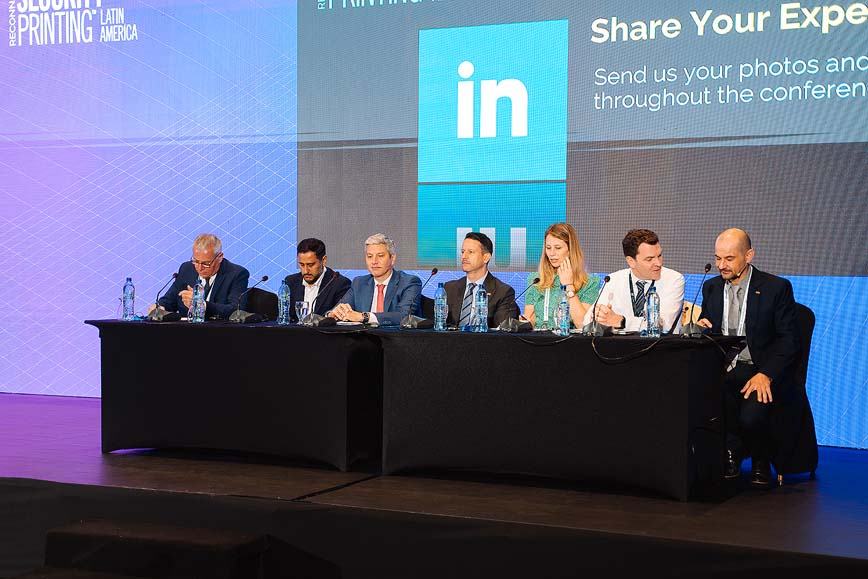
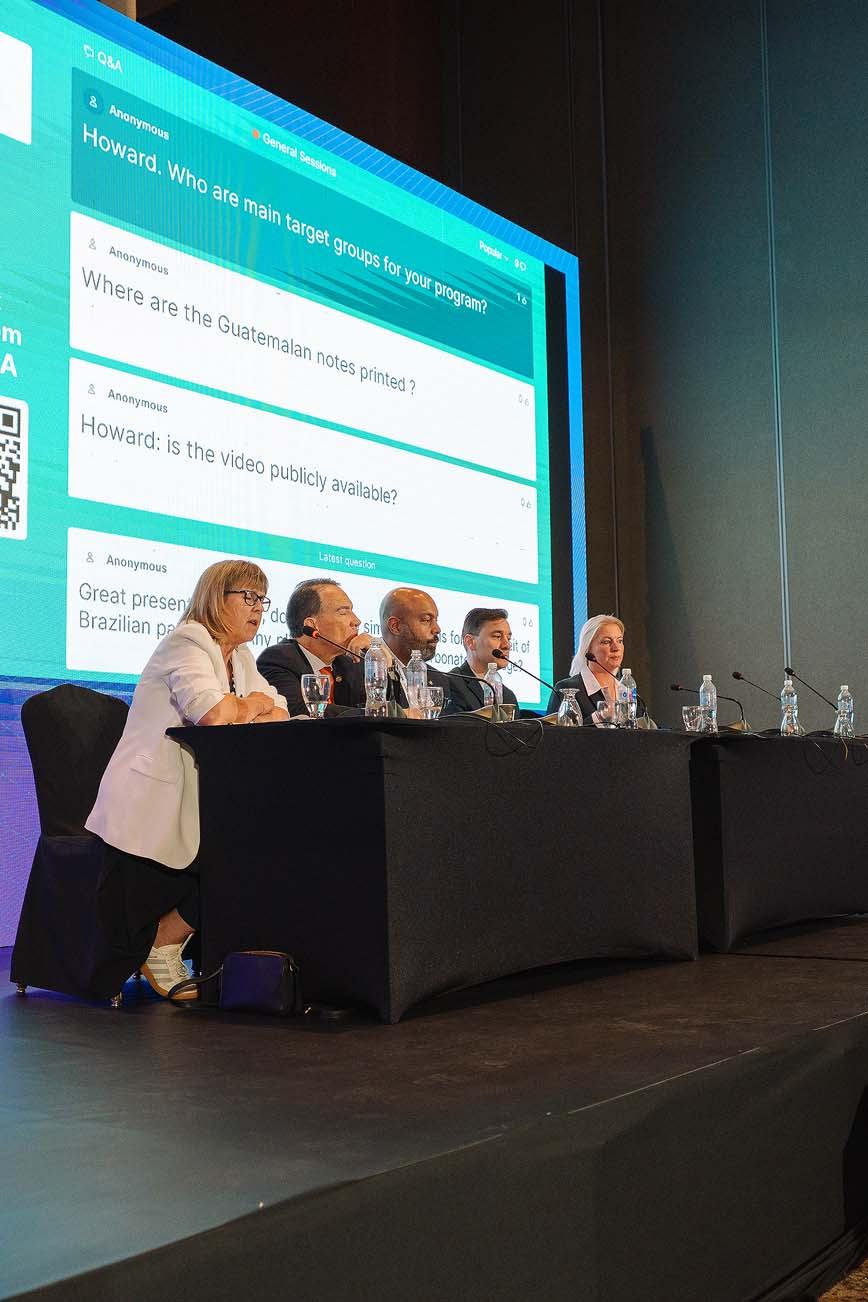
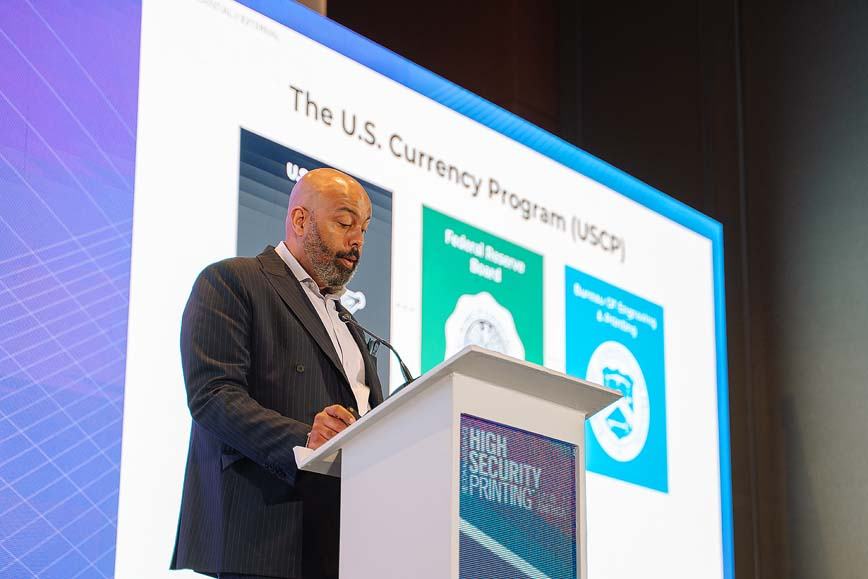
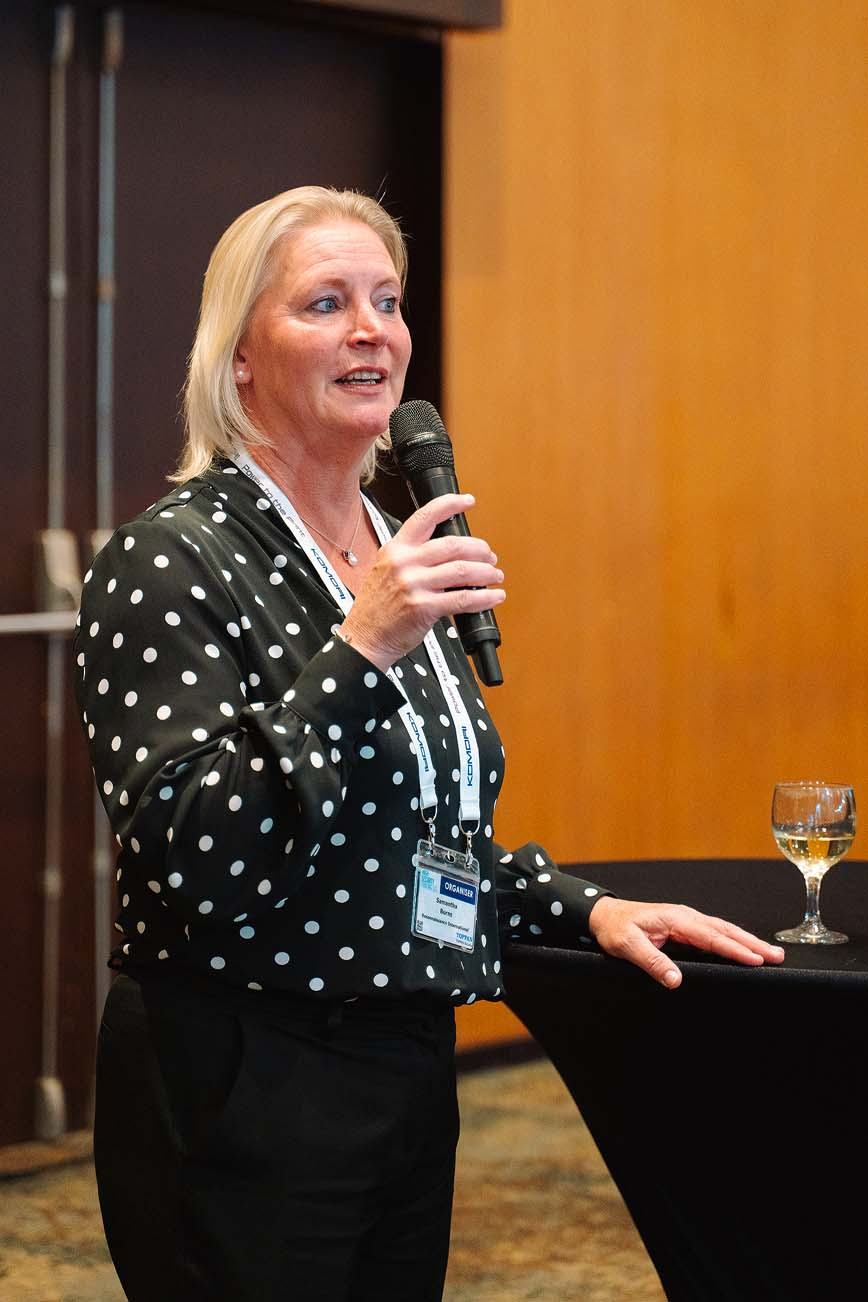
He was followed by Howard Williams of the Federal Reserve Board, giving insights into the US Currency Education Program and the toolkit available to central banks in the region, and Sam Burns of Reconnaissance with a presentation on ‘Latest Developments in ID in Latin America & the Caribbean’, respectively. 

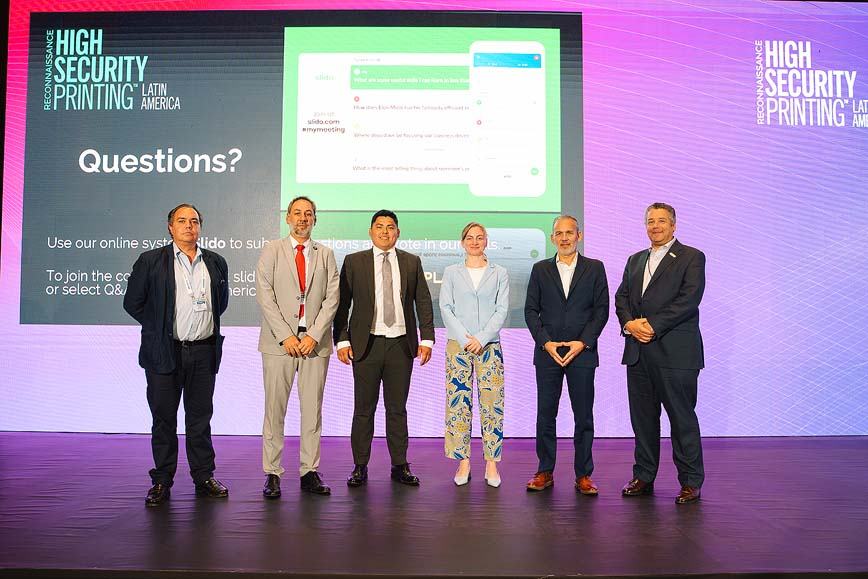
Both set the scene for the remainder of the programme, with delegates having the option to attend either the ID or Currency Sessions or, as many attendees did, split their team so they could take advantage of both.
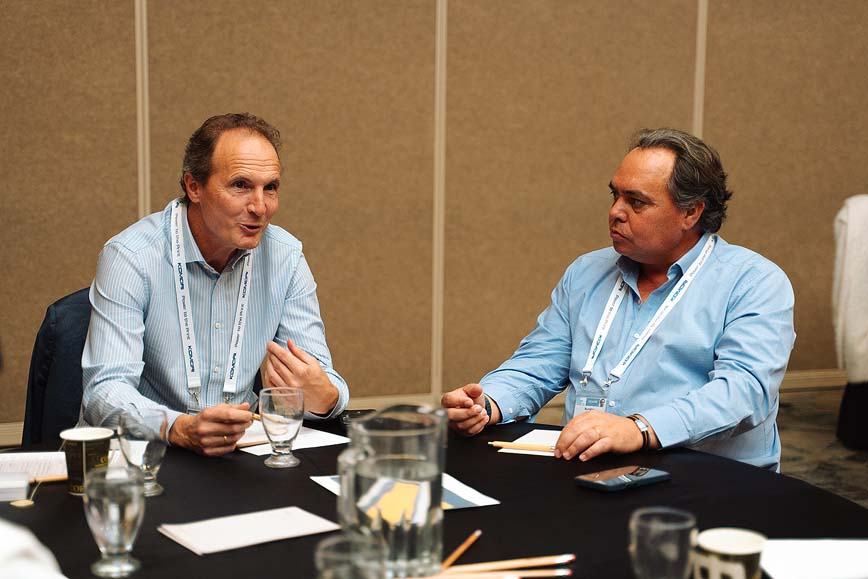
HSP Day3 PlataCurrencyAM KAOKOSt 12

The Currency Track

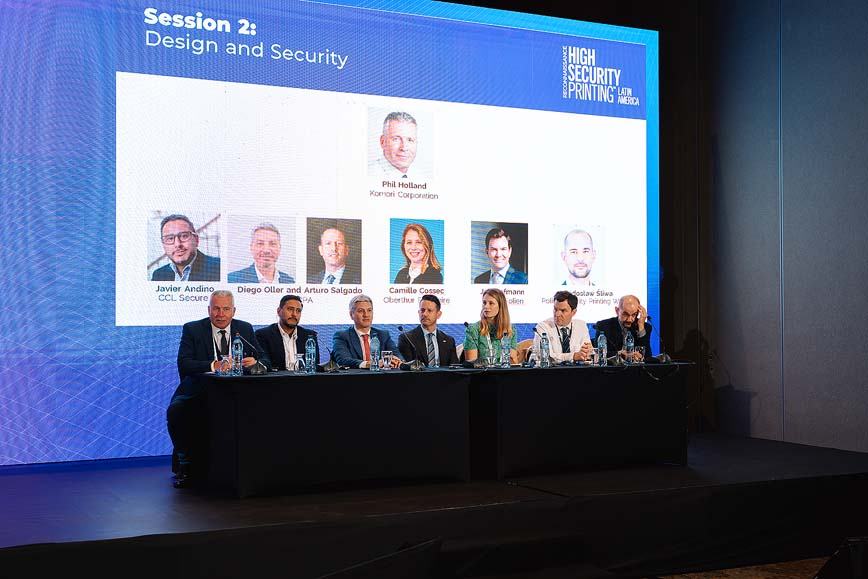
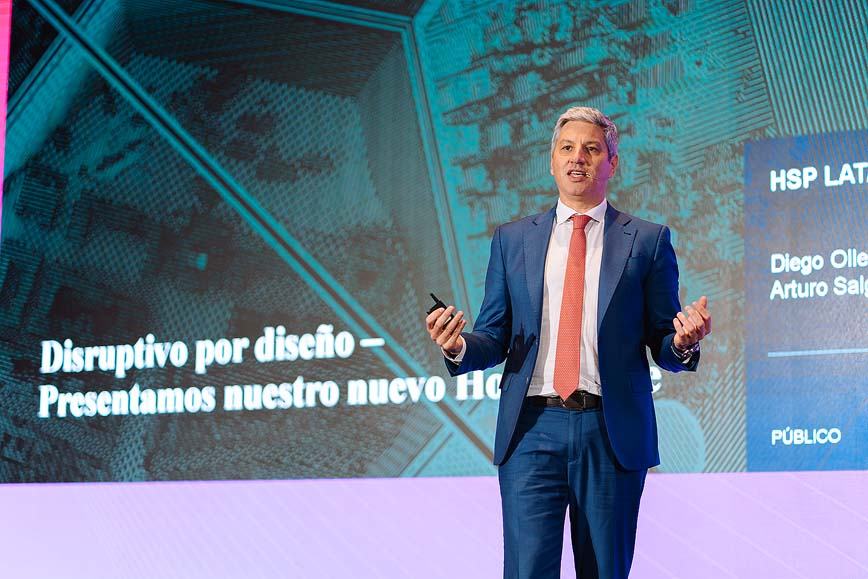
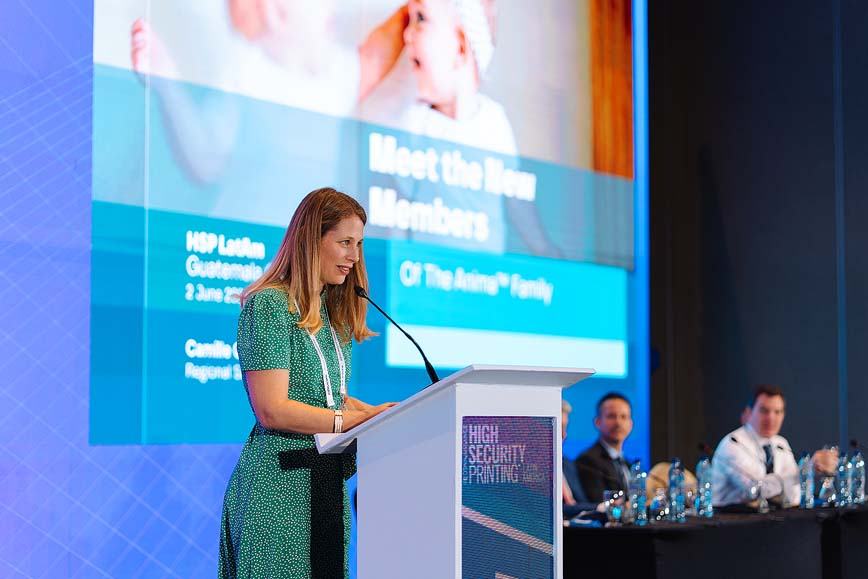
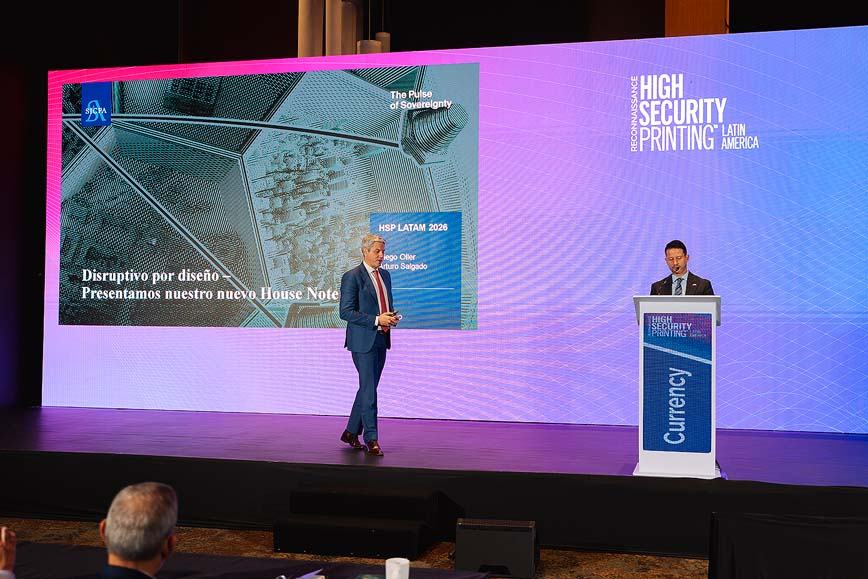
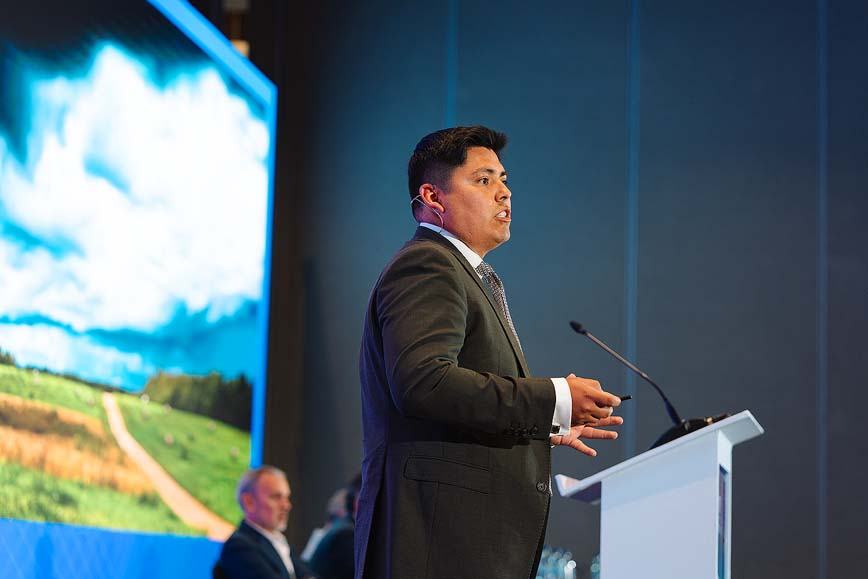
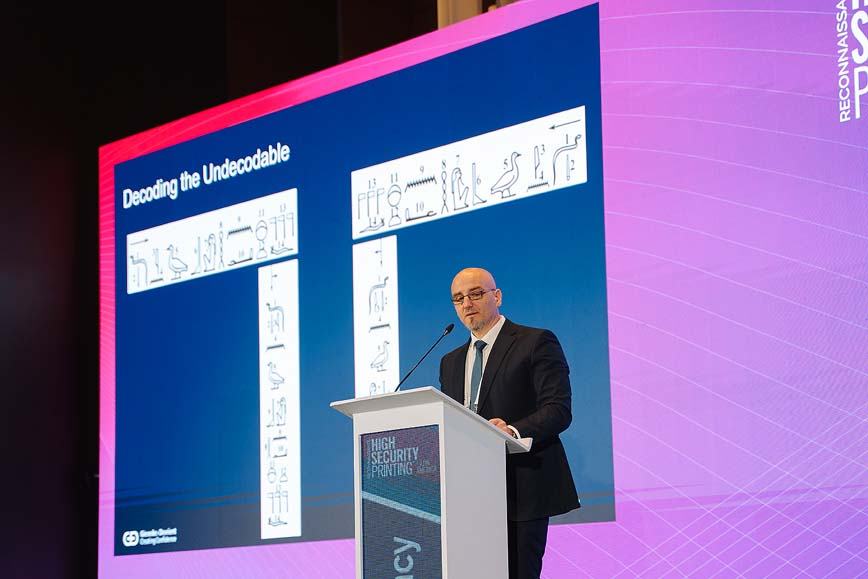
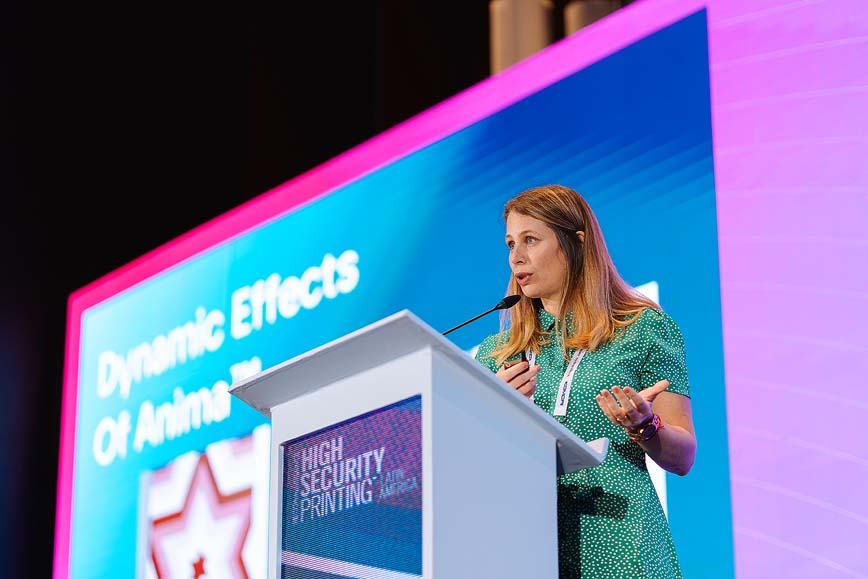
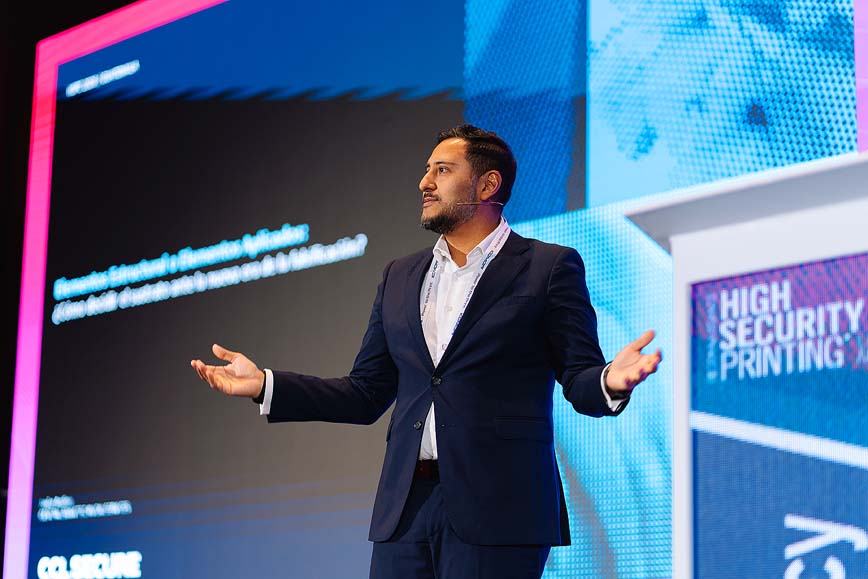
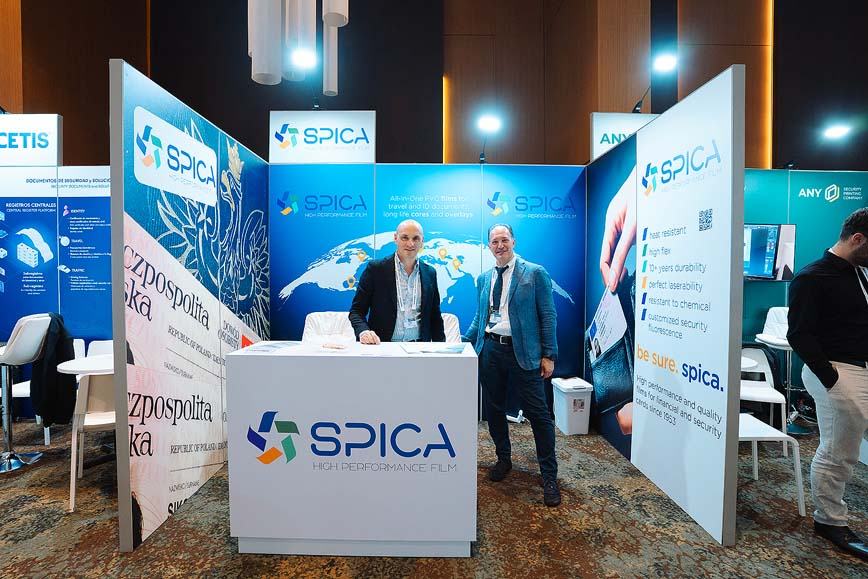
Looking at the currency sessions first, these led off with one on Design and Security, with presentations from CCL Secure on structural versus superficial security (as in the benefit of integrated rather than applied features);  SICPA on how to be disruptive by design, utilising their stunning new house note – ‘Different Roots, Common Ground’ – to show how to push design beyond traditional formats; and Oberthur Fiduciaire on the company’s  latest security thread  - Anima™ Colour -  which brings machine readability and jewel-inspired colour shifting effects to its micro-lens platform.

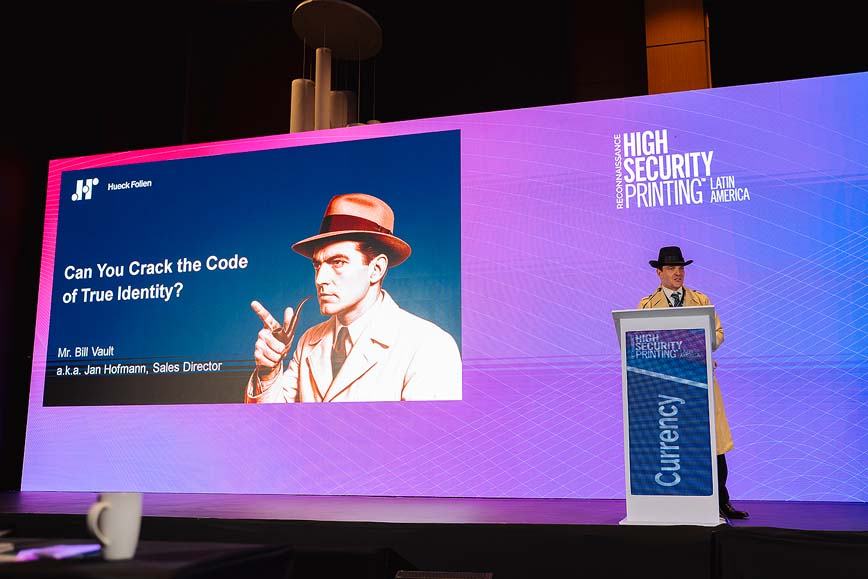
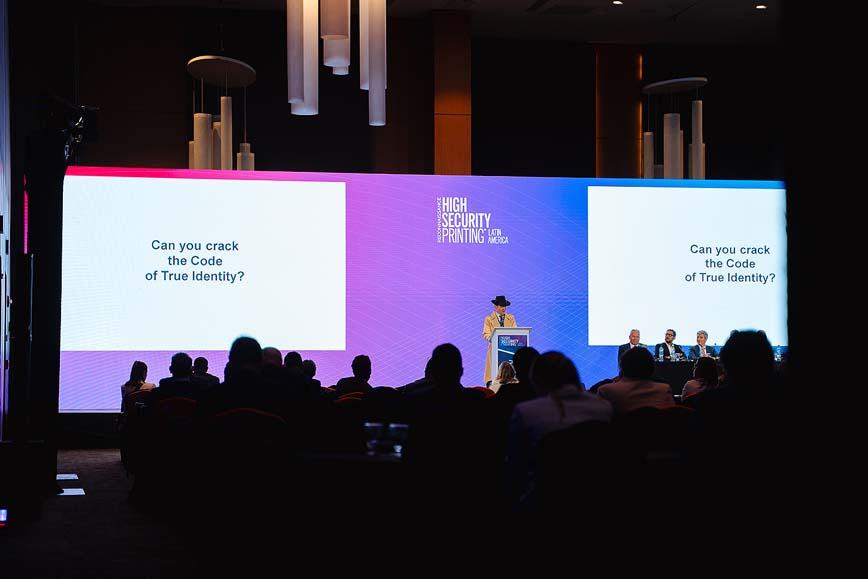
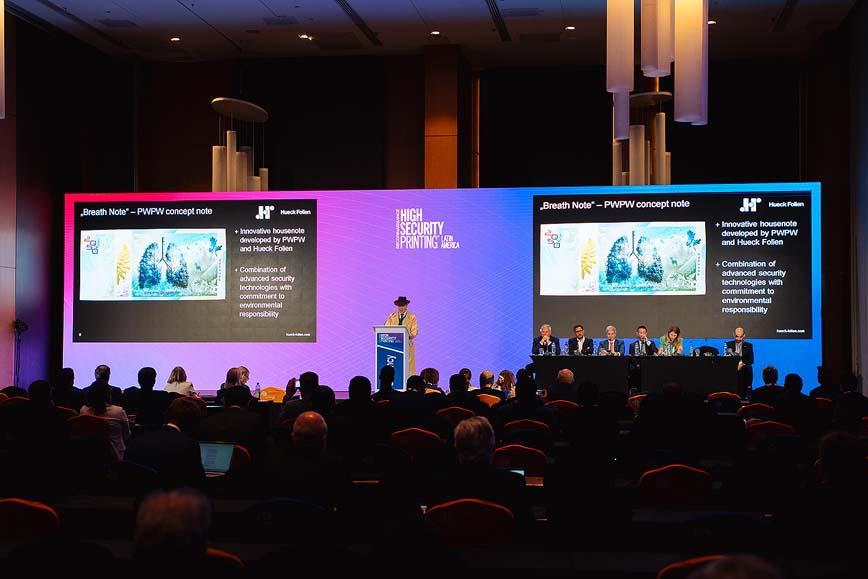
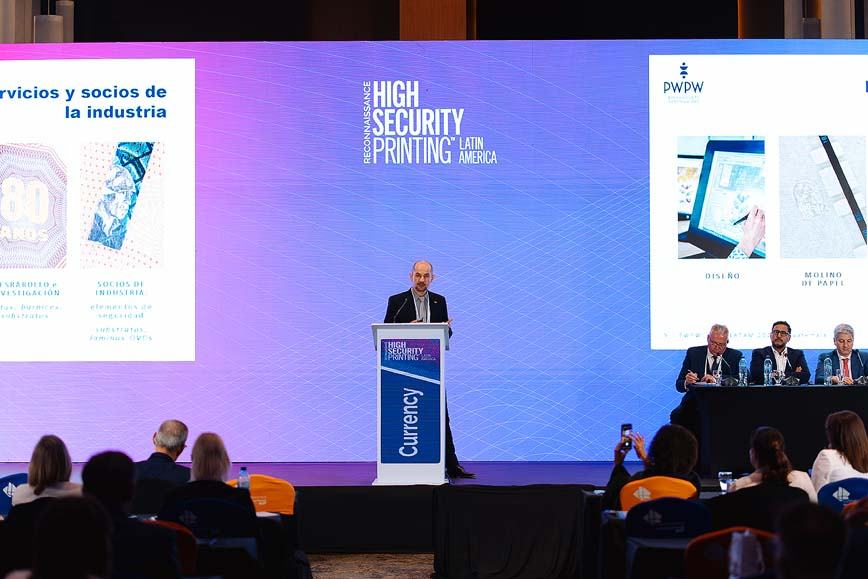
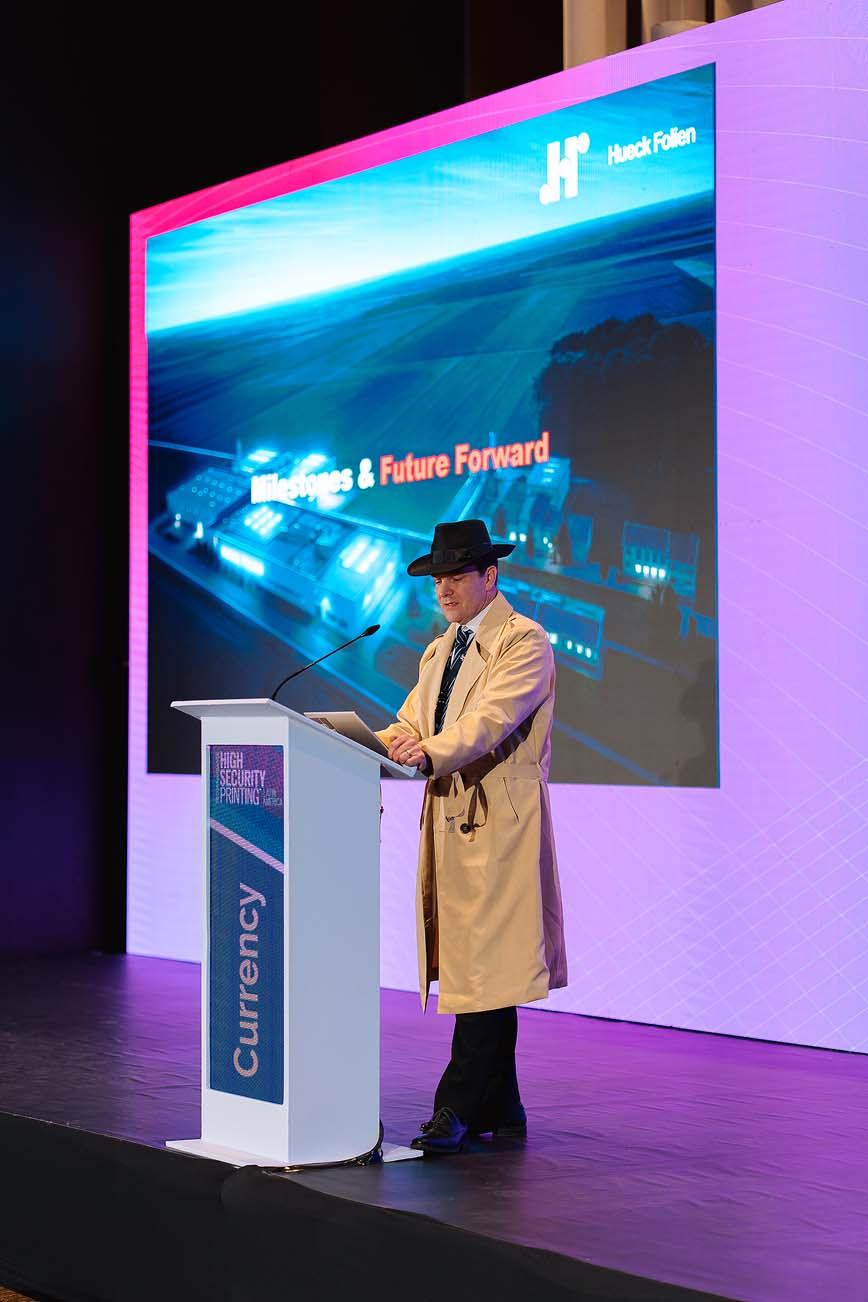
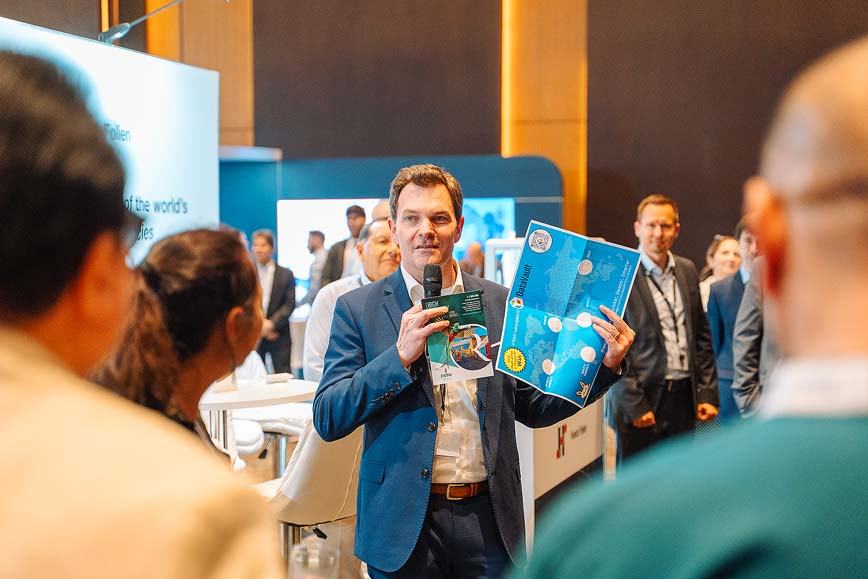
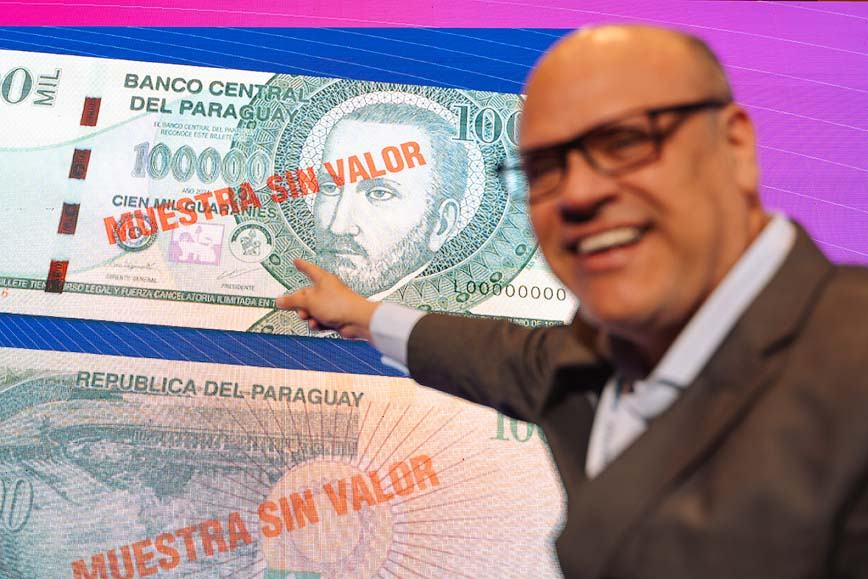
Also, Jan Hoffman of Hueck Folien gave a highly entertaining presentation using his alter ego of Bill Vault to demonstrate the company’s latest house note – the Vault Bill – which combines advanced optical and hidden features; and a further look from PWPW at the design and features in the aforementioned 100 quetzales commemorative banknote.

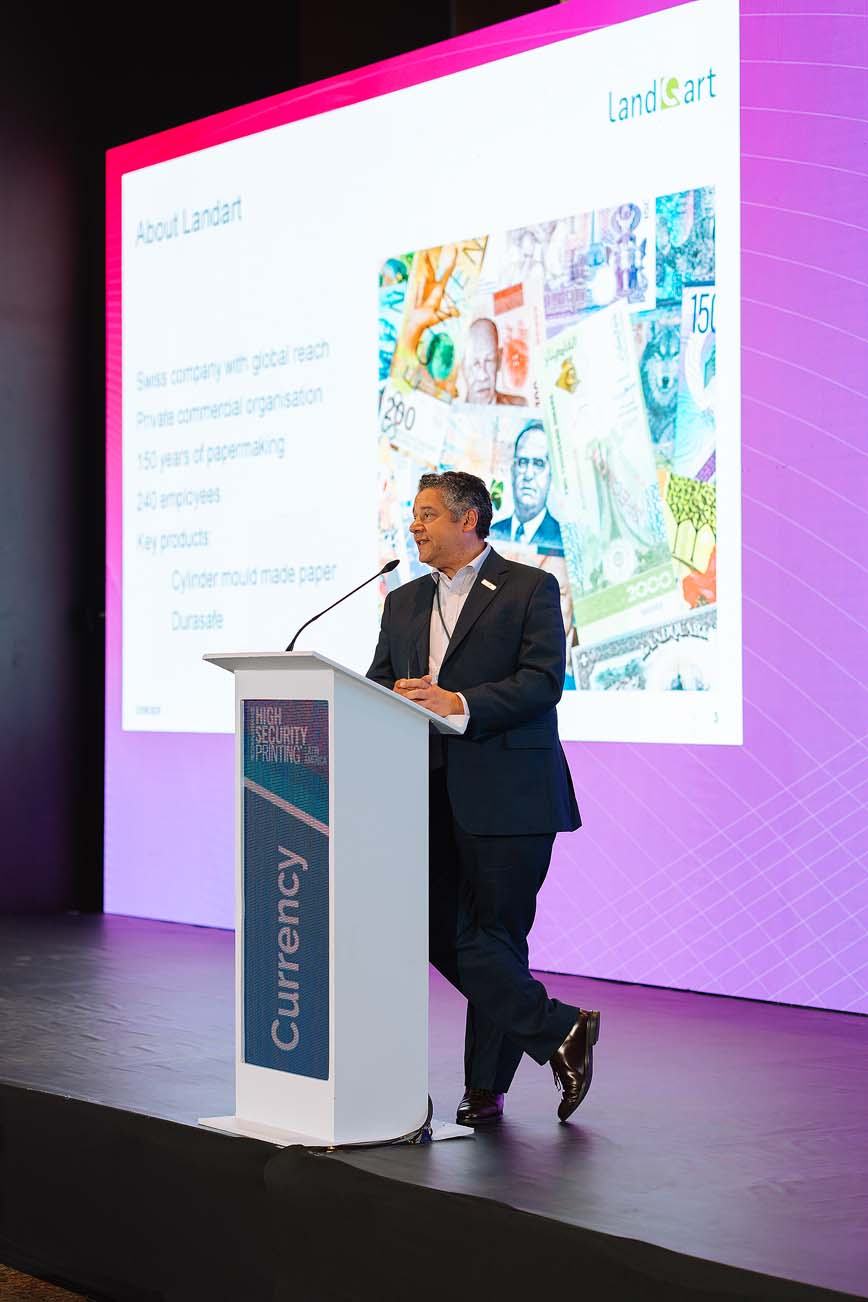
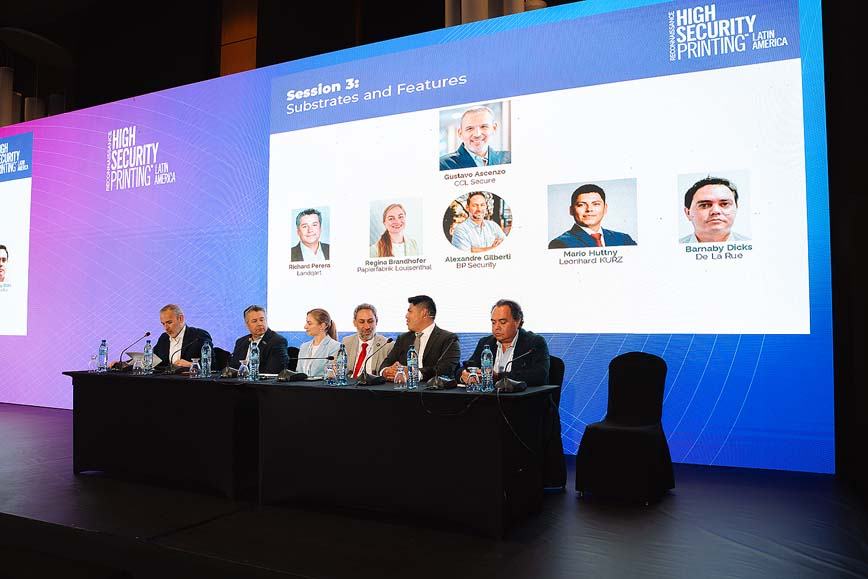
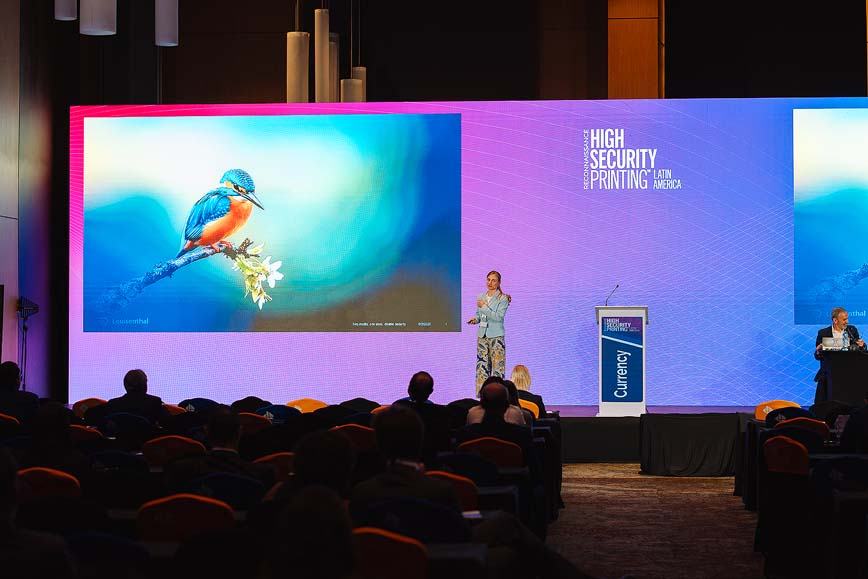
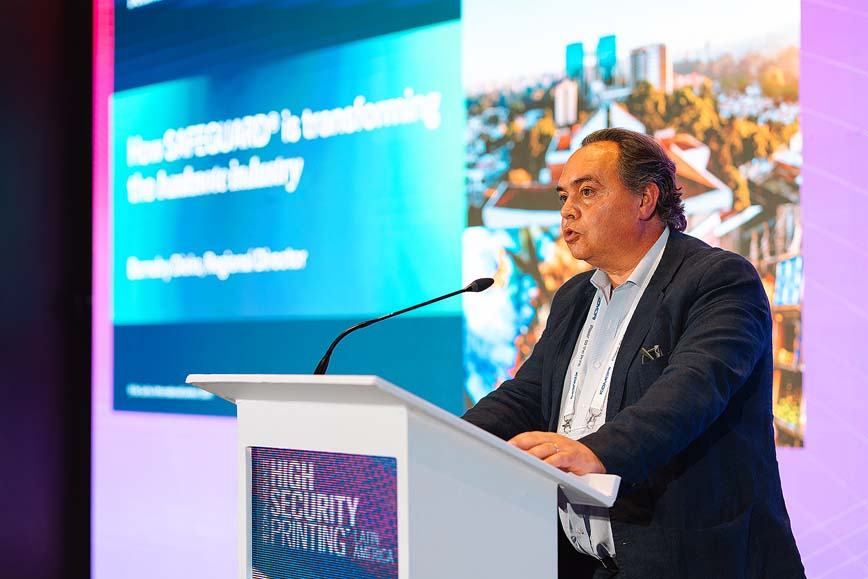
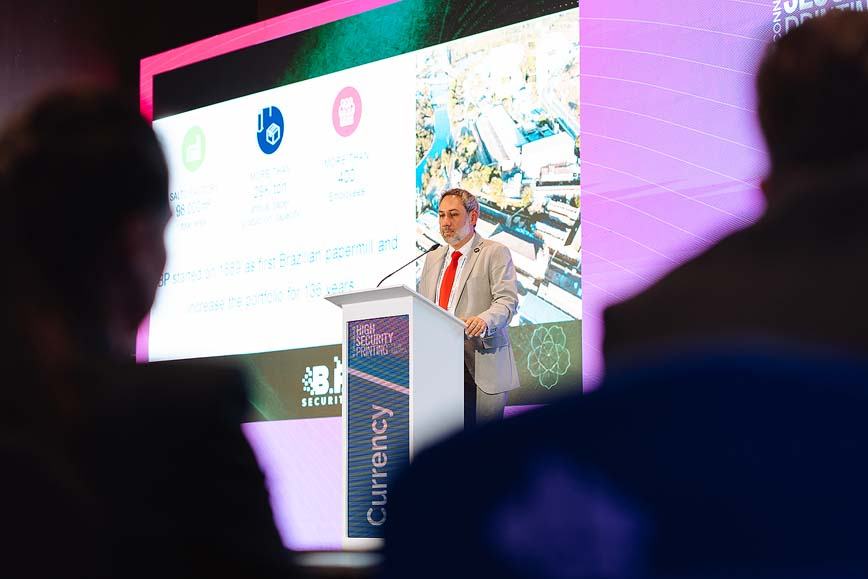
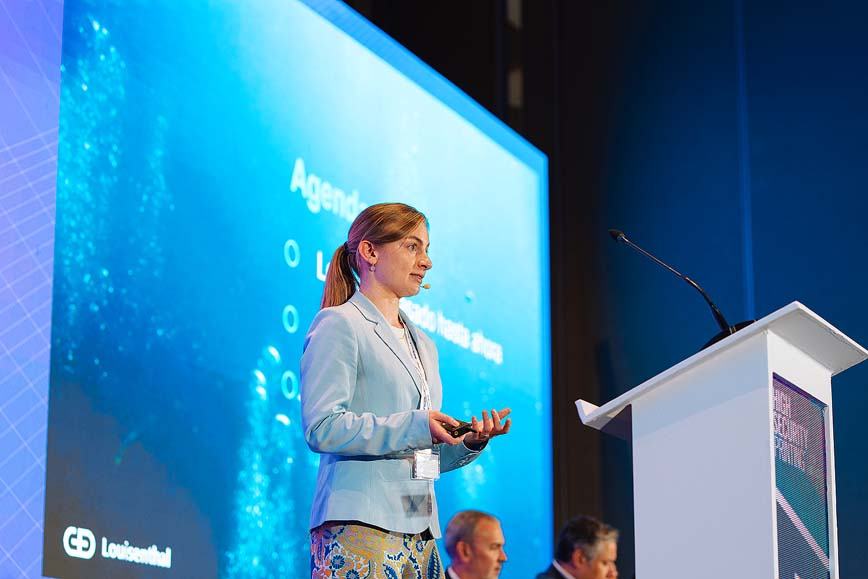
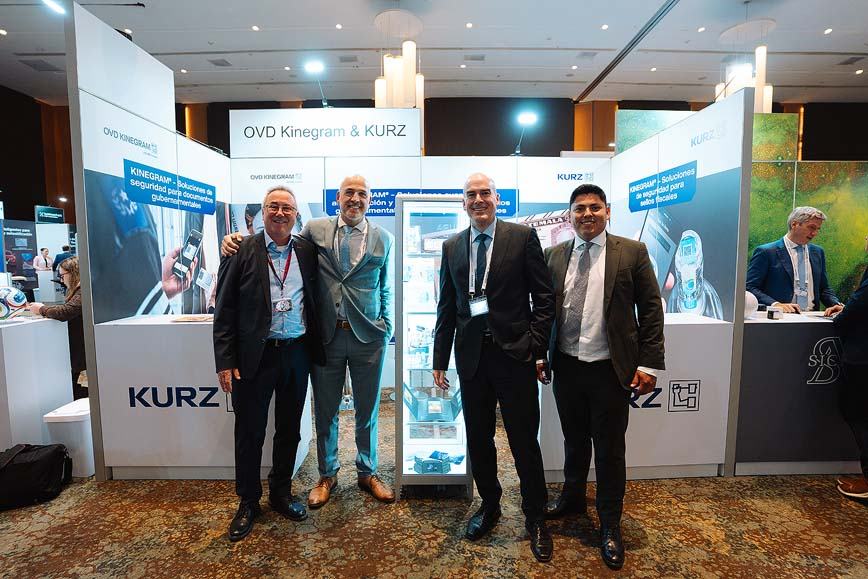
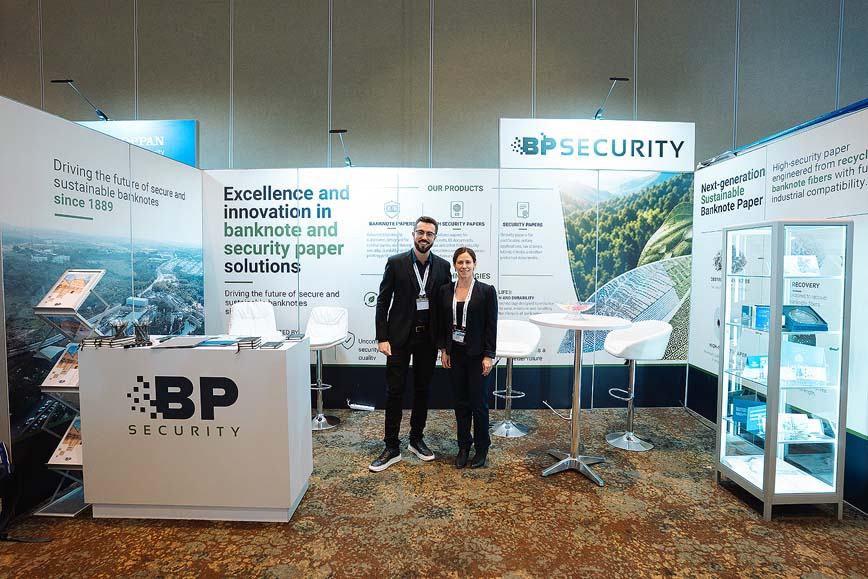
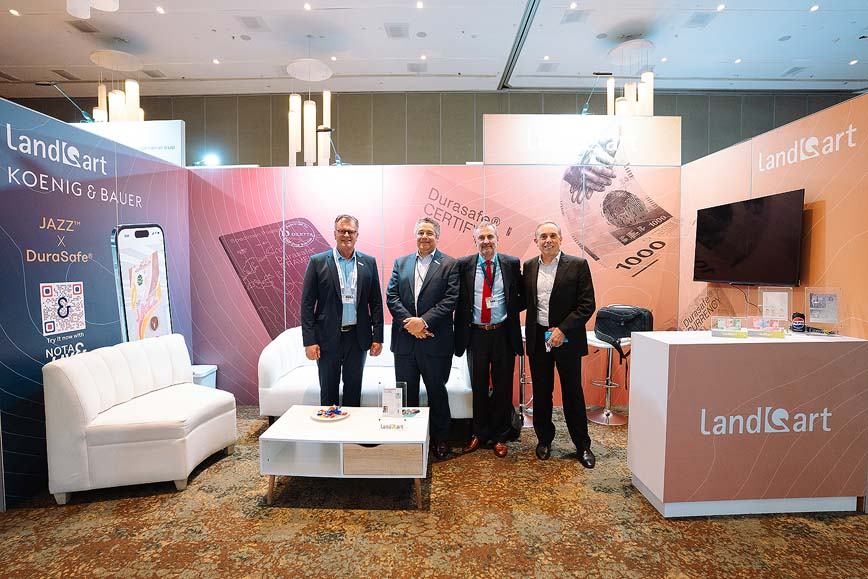
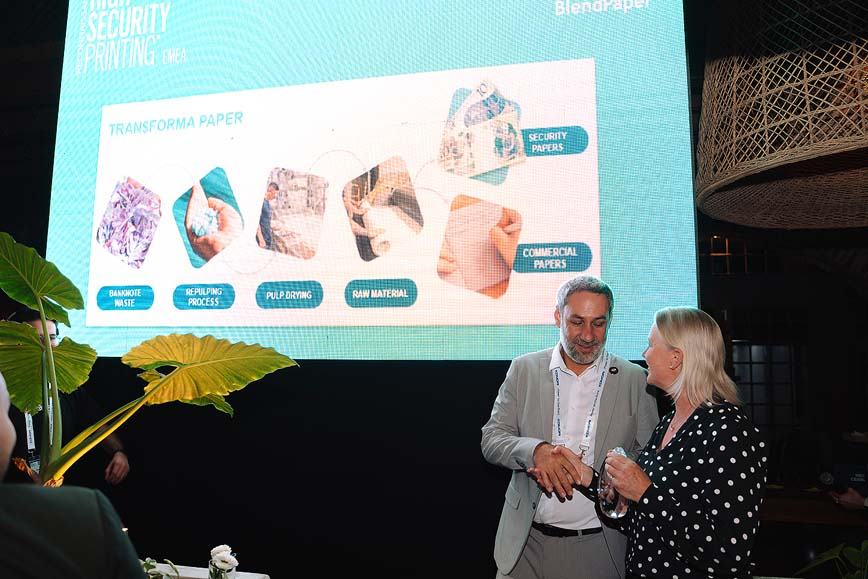
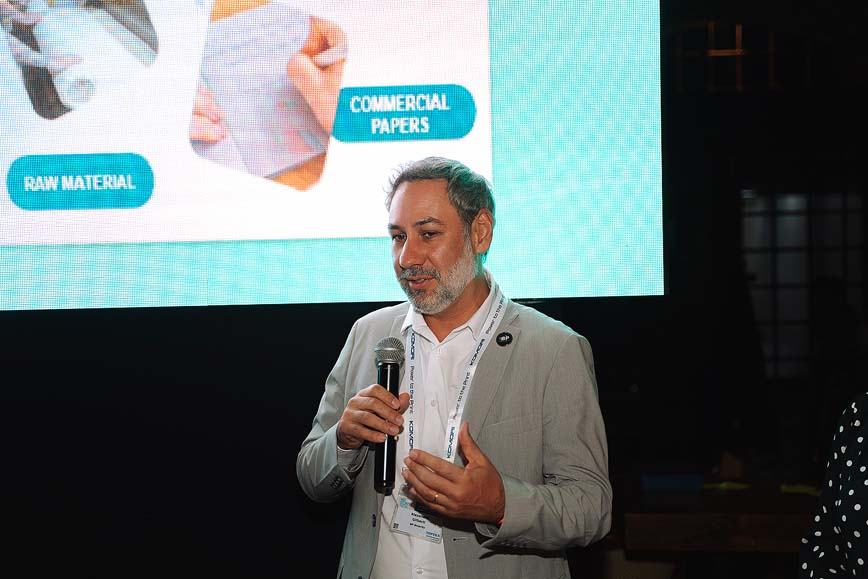
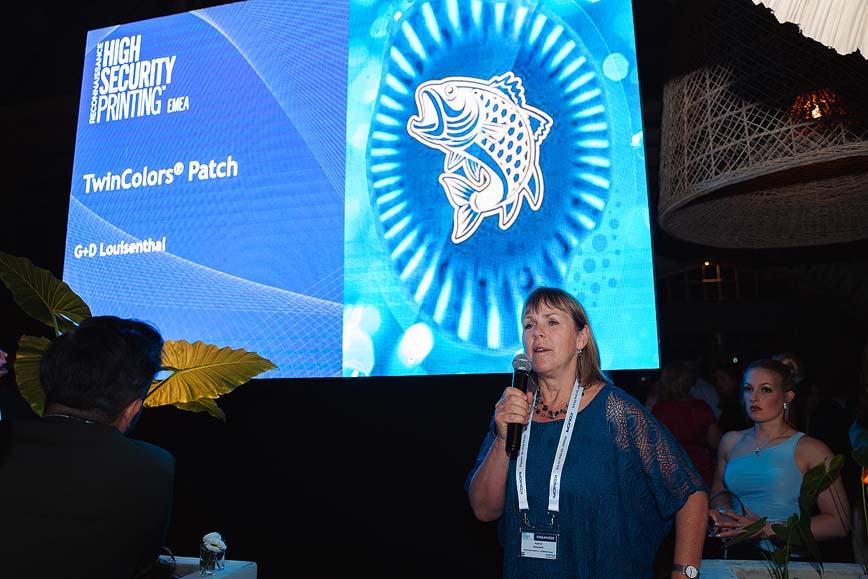
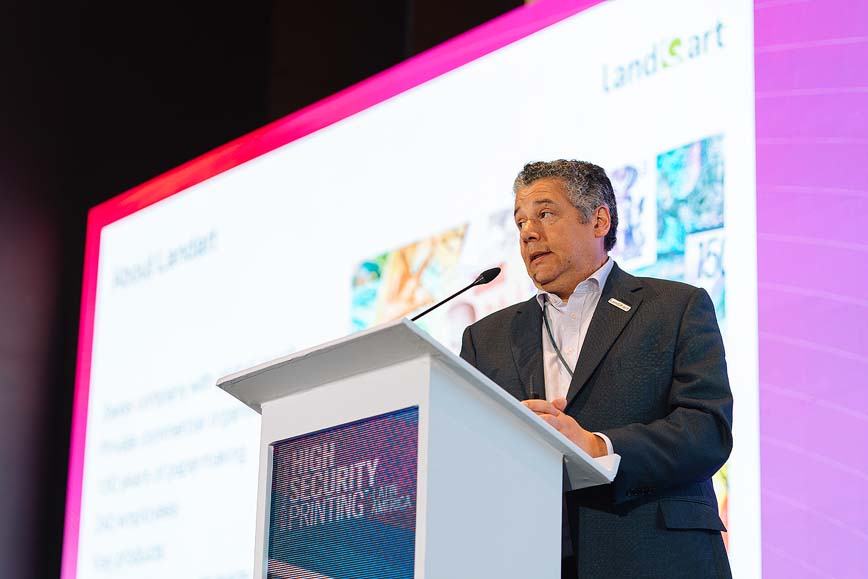
Substrates and Features were the topics of the next session, with presentations from Landqart on its new Durasafe® Eco composite substrate, with 70% of the paper element made from hemp rather than cotton; Louisenthal on TwinColors® Patch, its revolutionary two-layer micromirrors feature with double the visual impact and security; BP Security on how to extend the lifecycle of products using recovered and reprocessed fibers, KURZ on combining security with sustainability; and De La Rue demonstrating how SAFEGUARD has transformed the banknote industry over the years.
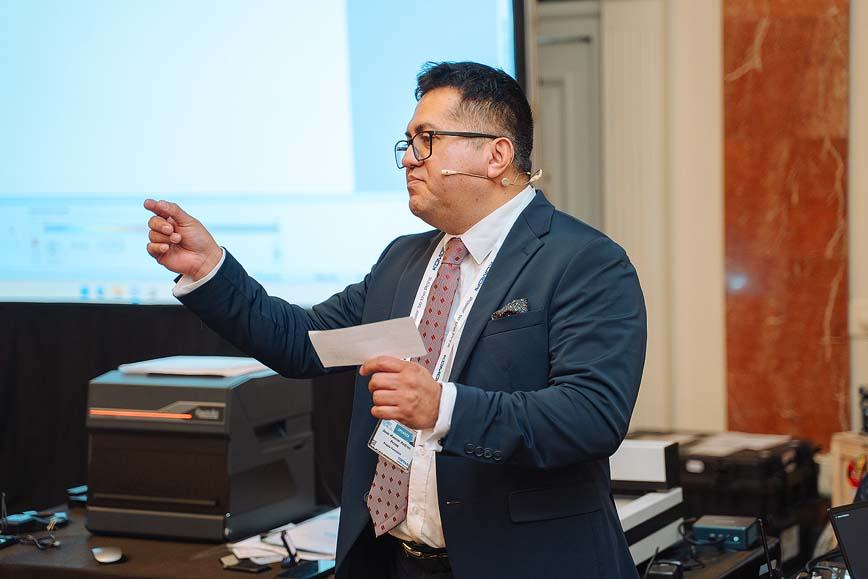
HSP Day3 PlataCurrencyAM KAOKOSt 27

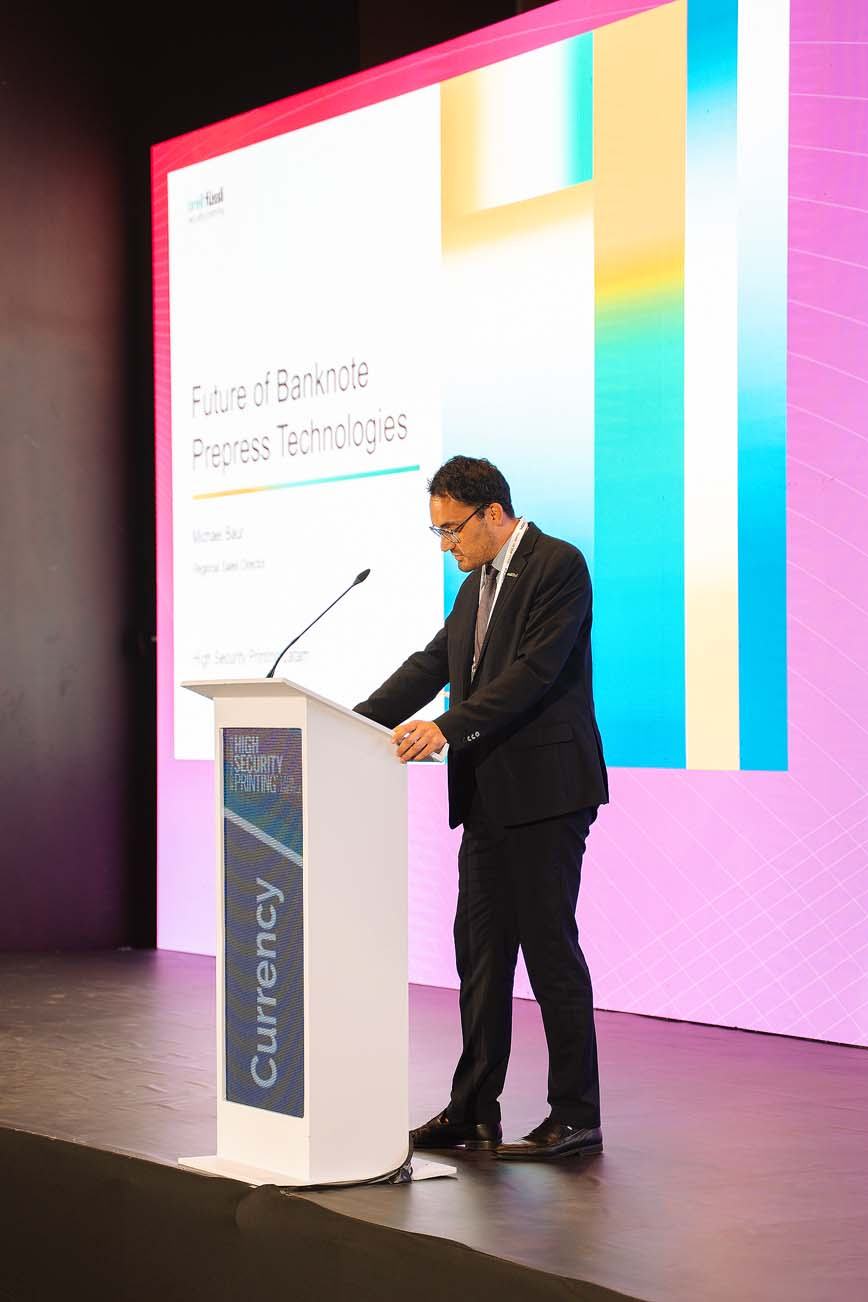
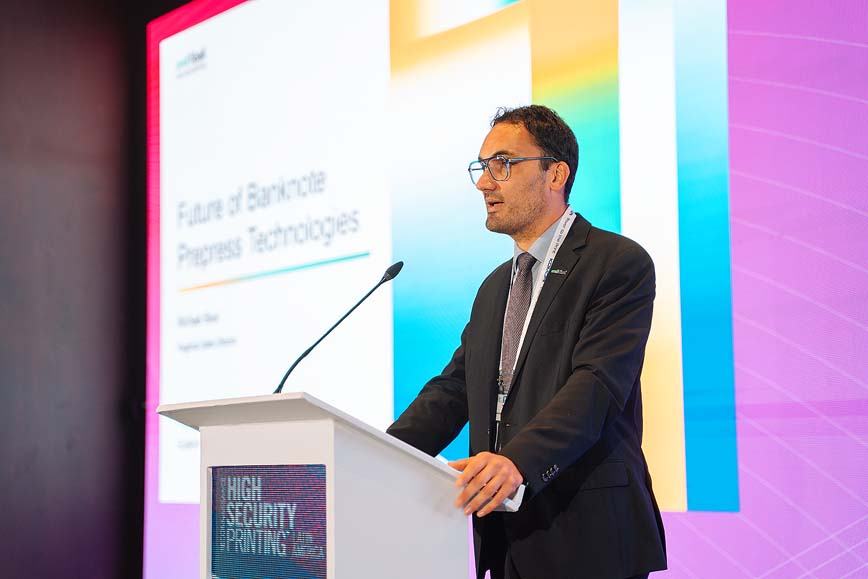
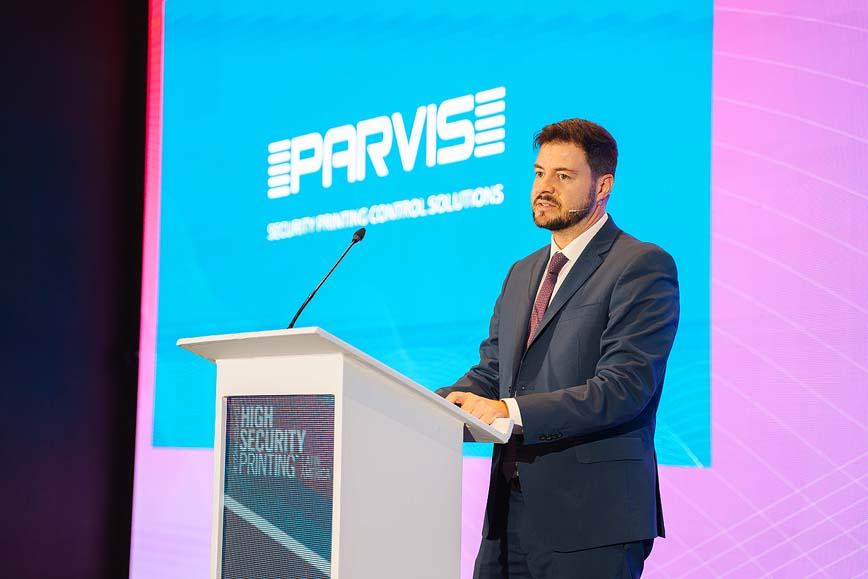
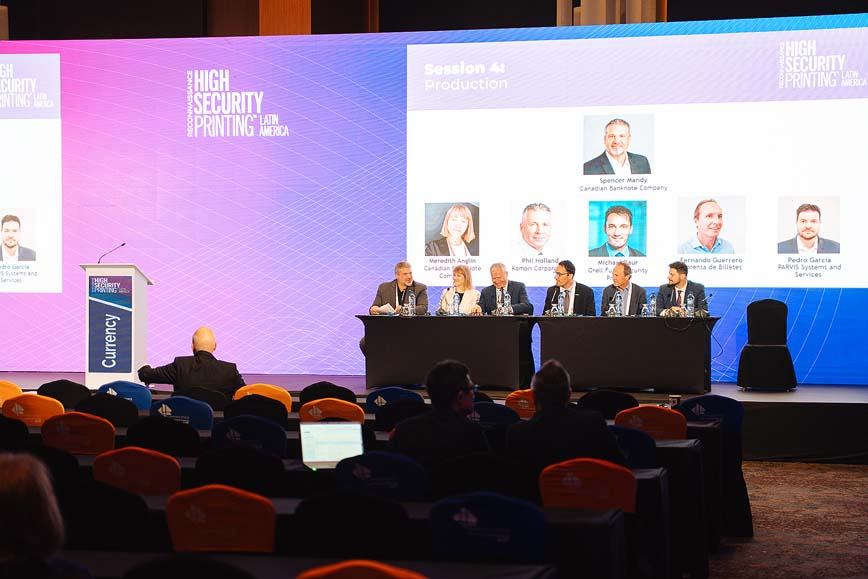
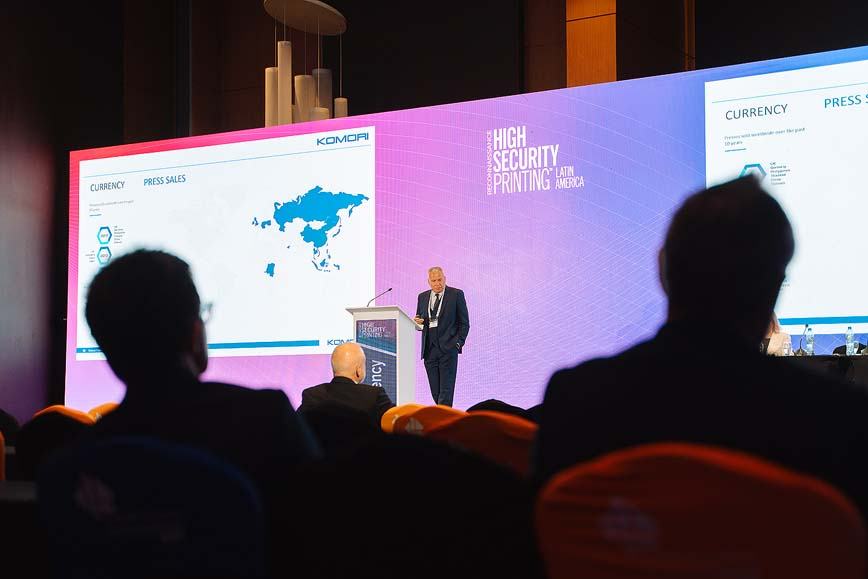
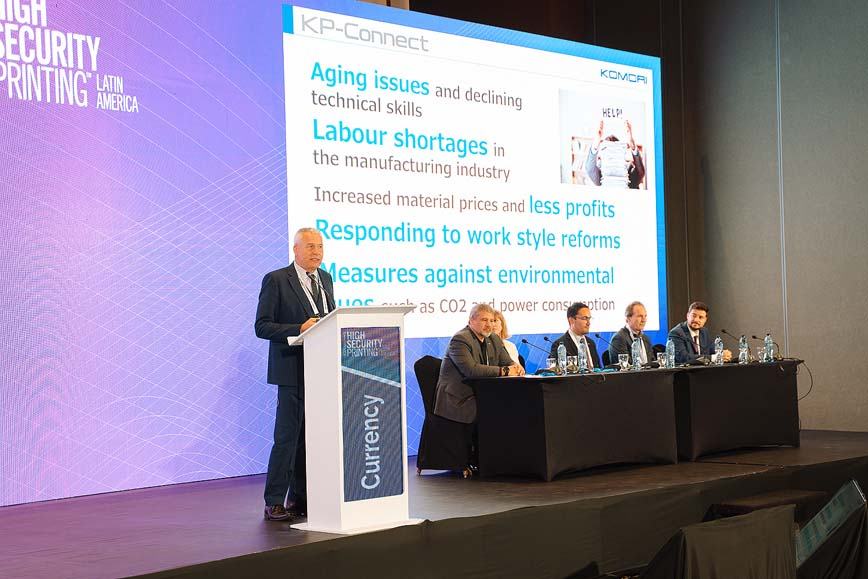
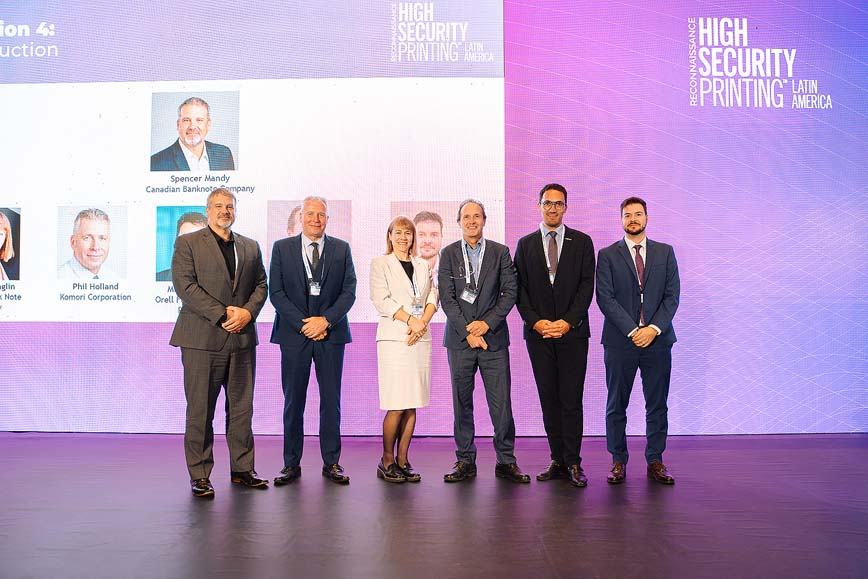
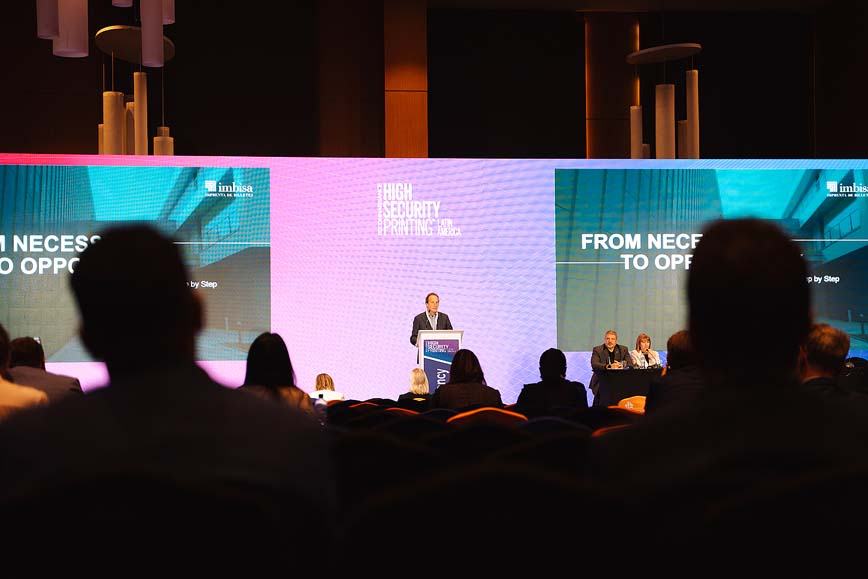
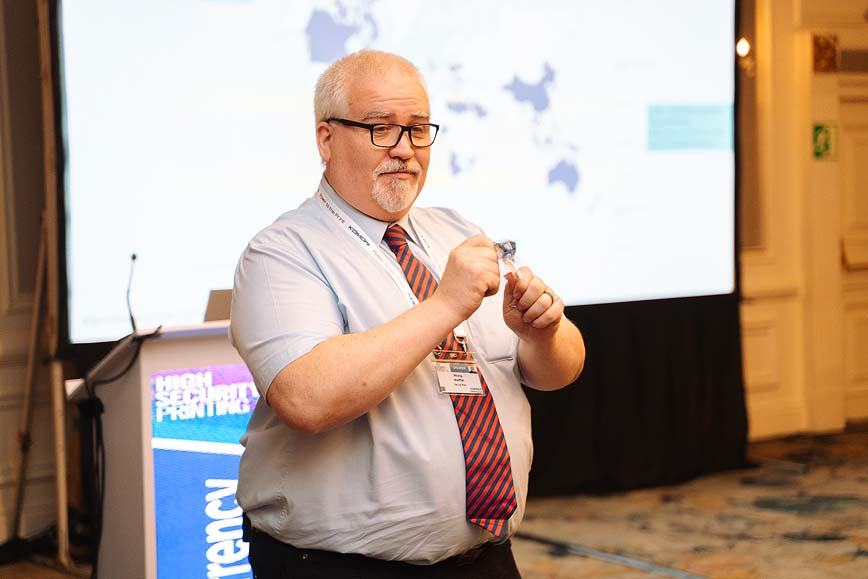
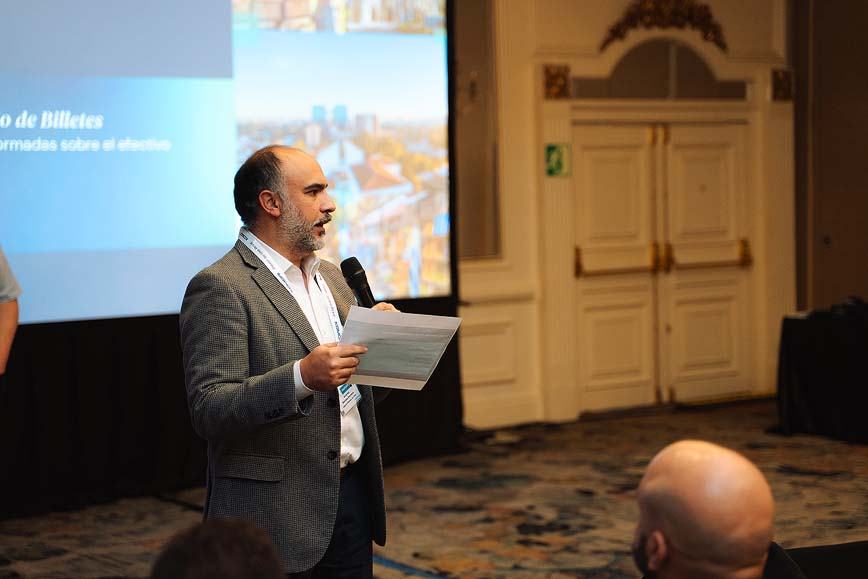
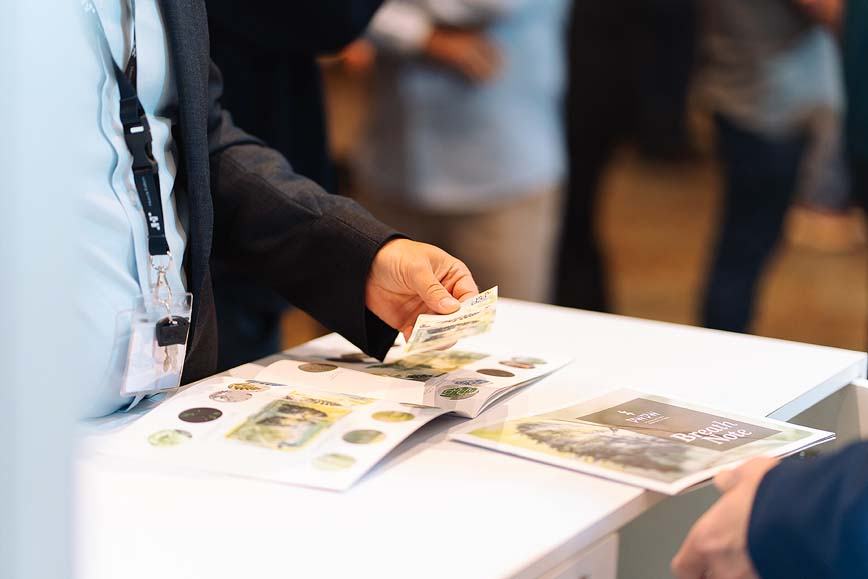
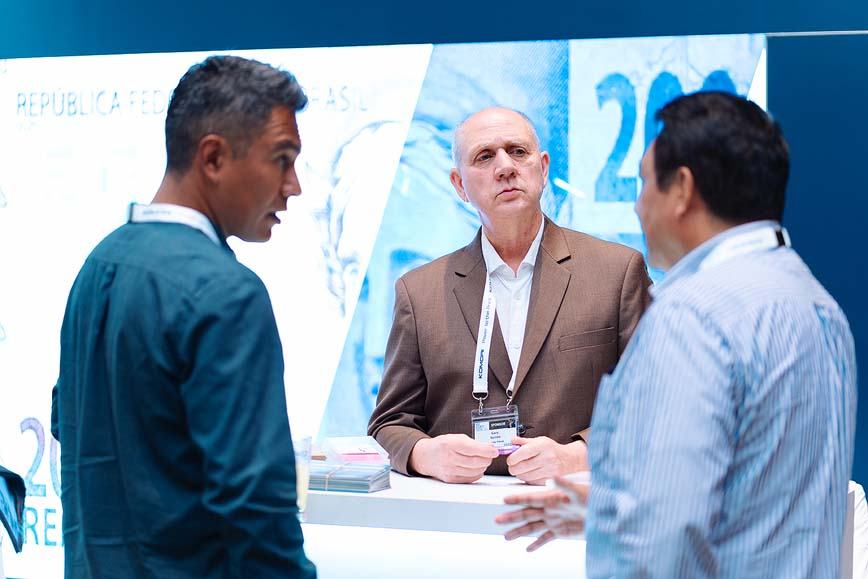
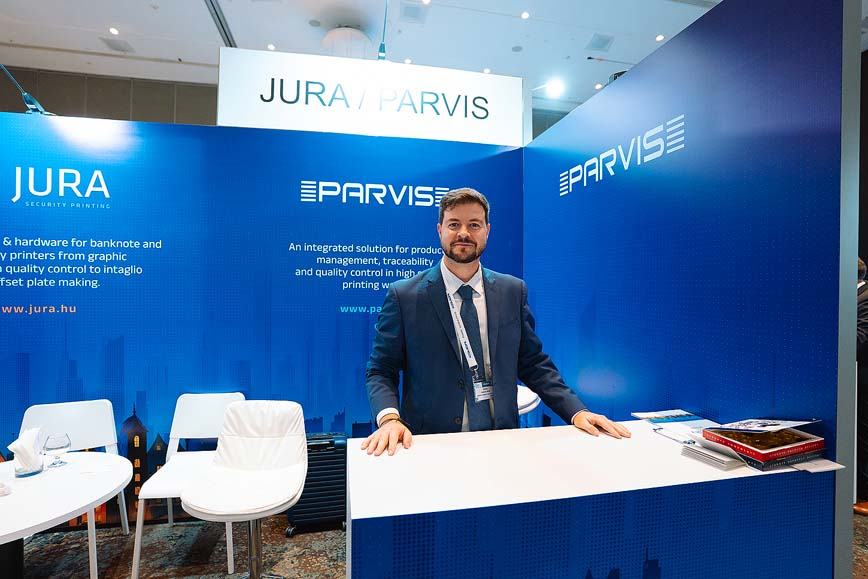
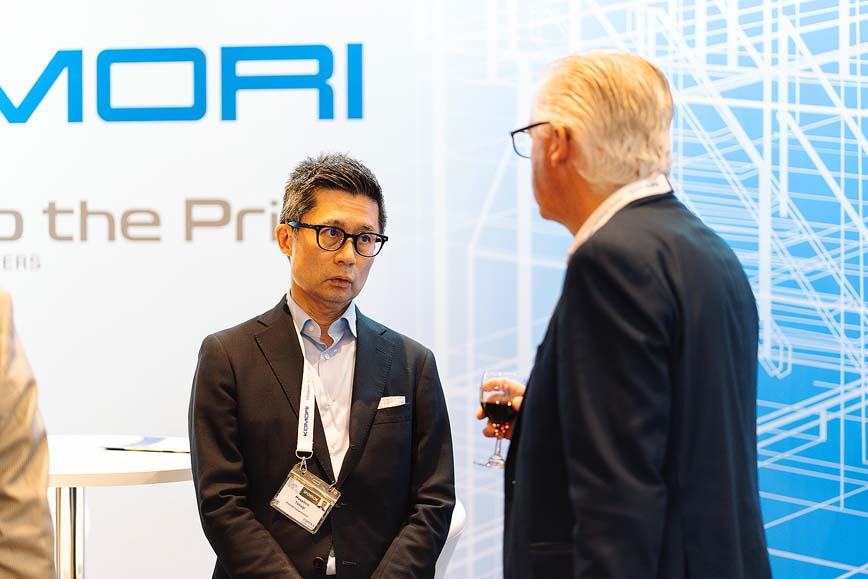
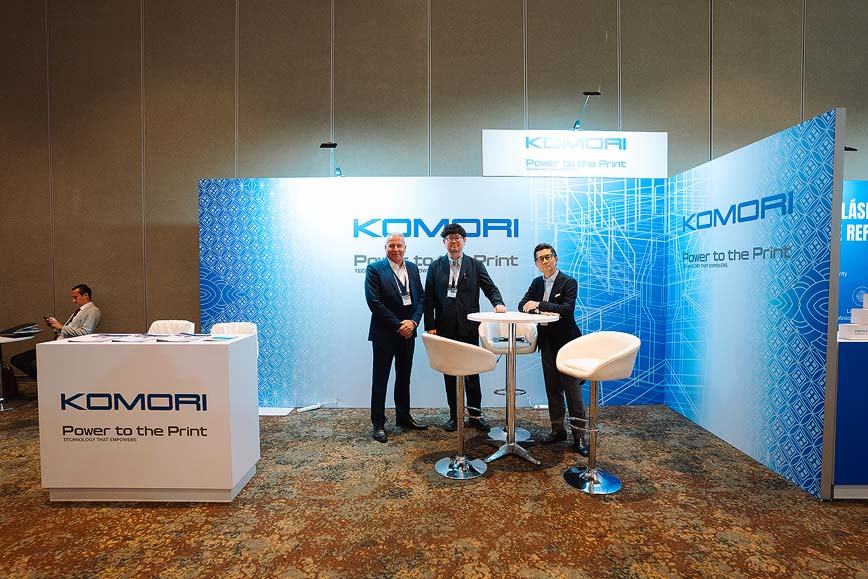
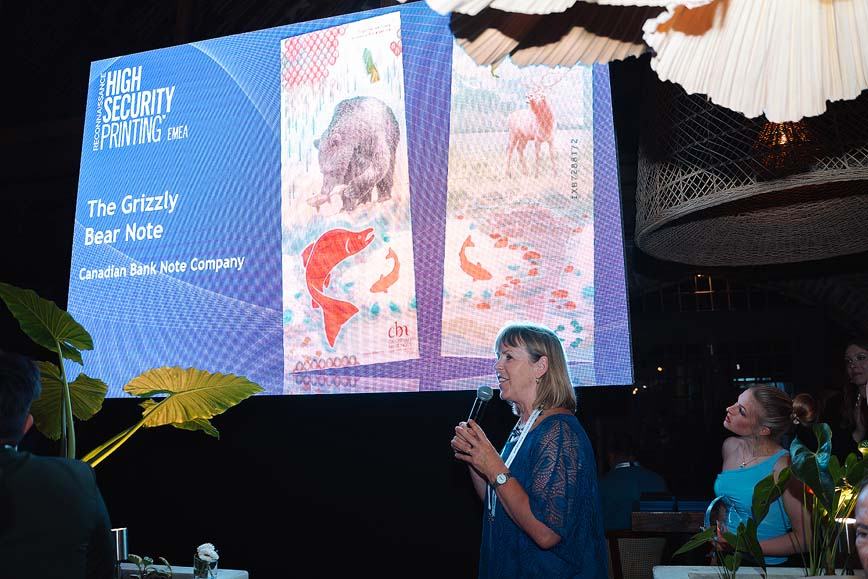
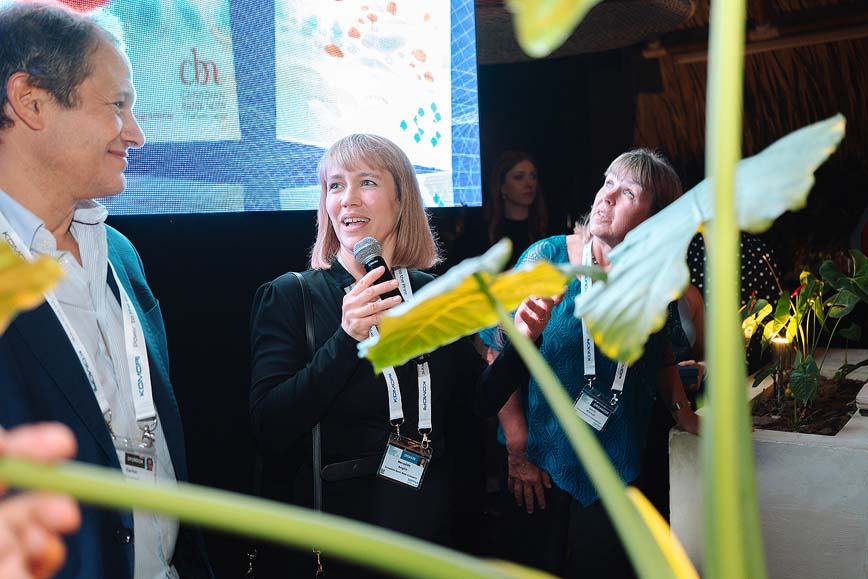
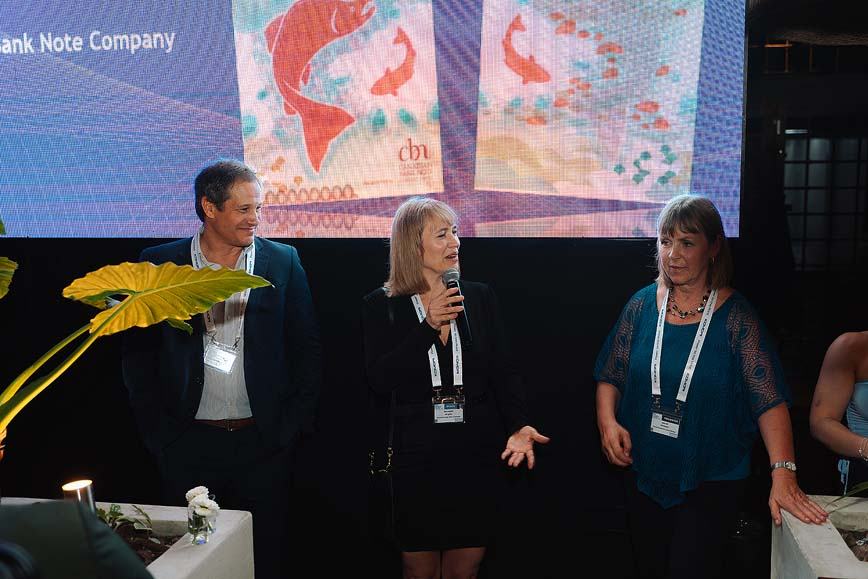
The session on Production heard from Canadian Bank Note on how its philosophy of putting customers first is put into practice, using its award-winning new Grizzly Bear house note as an exemplar of translating words into action; from Komori on the importance of trust in currency production; Orell Füssli Security Printing on its new pre-press technologies, including the SecuriX Simultan and Engrave modules; along with SDLE (Steel Direct Laser Engraving), which between them are reducing waste, emissions and lead-times, as well as increasing quality, security, and productivity, the development of Europe’s newest banknote printer, IMBISA of Spain, and its plans to produce banknotes other than the euro; and from PARVIS on VALDA, the business intelligence system that integrates naturally with a wide range of data sources to deliver powerful visualisations through interactive, real-time dashboards.

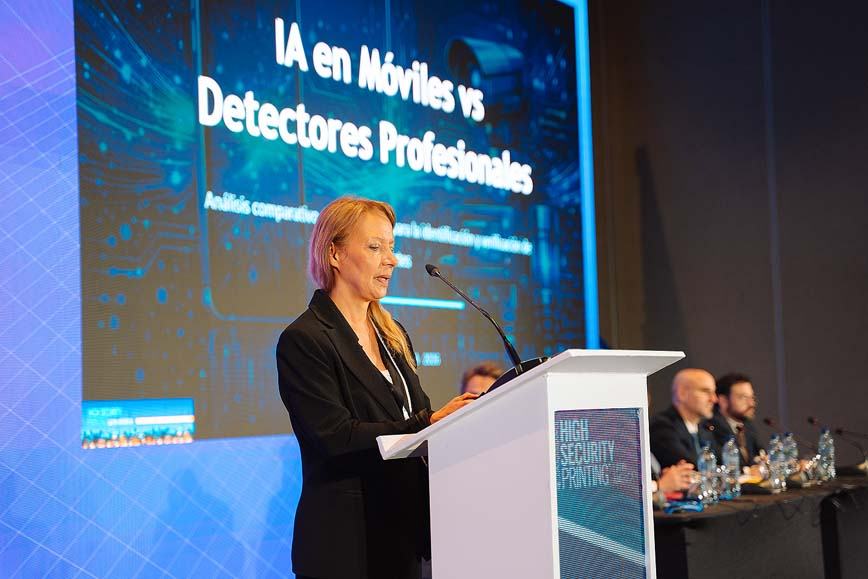
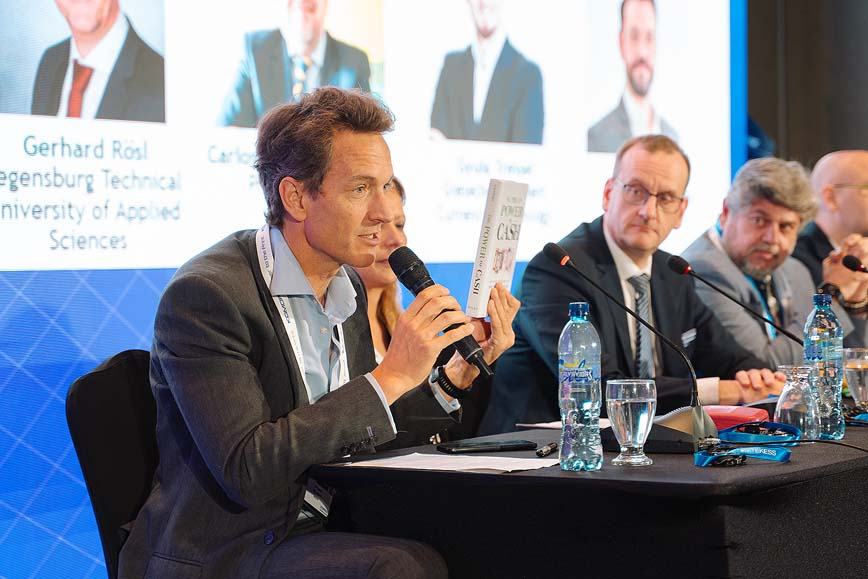
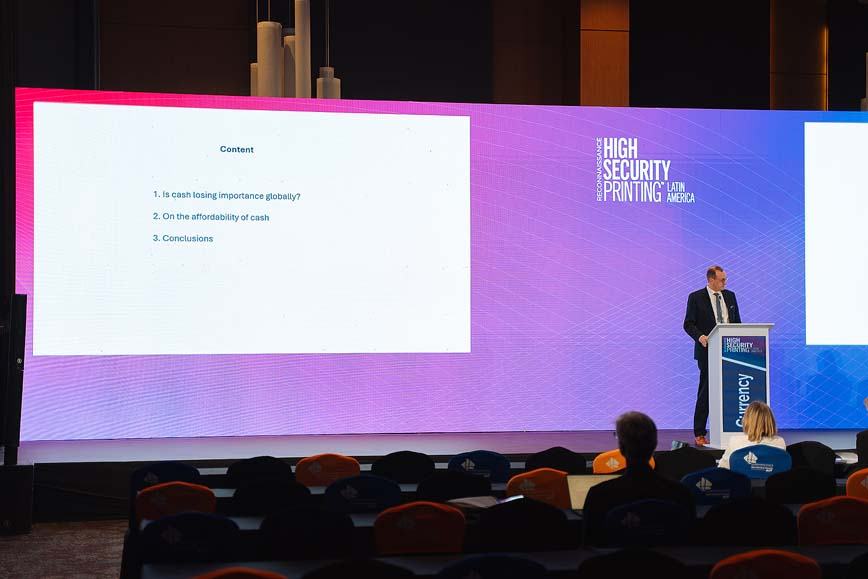
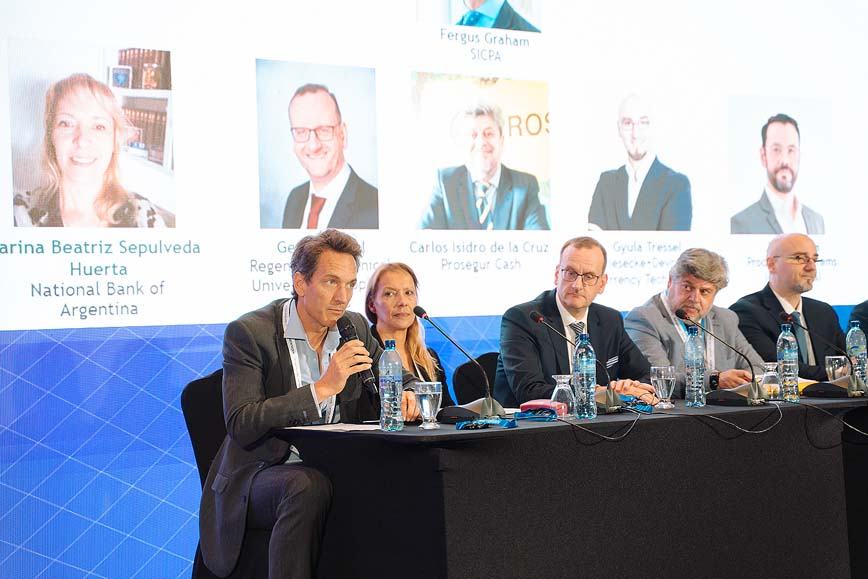
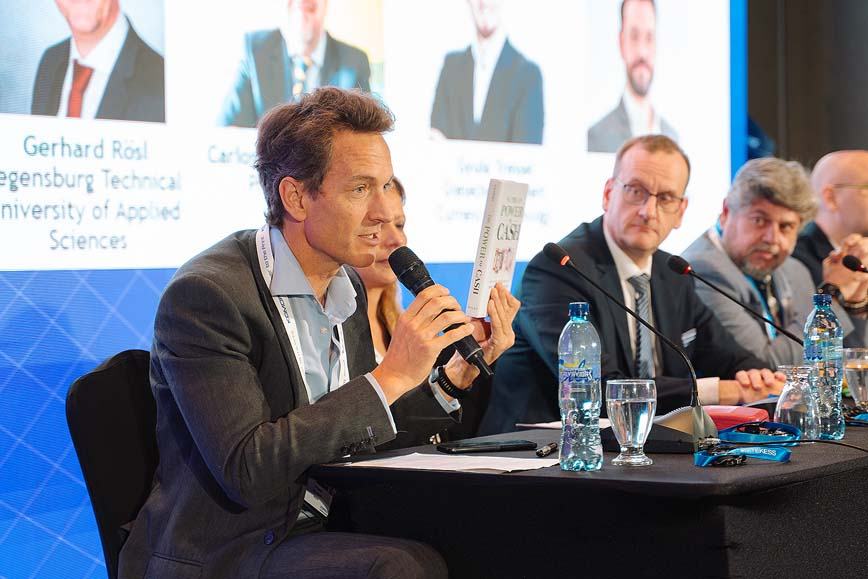
The final Currency session heard from the National Bank of Argentina on the role of AI and crime mapping to counter financial fraud; from academic Gerhard Roesl (of Regensberg Technical University of Applied Sciences) on the affordability of cash; from Prosegur on the importance of cash usage in Latin America; from G+D Currency Technology on its Compass data intelligence platform that converts raw banknote processing data to strategic insights; and finally, from Productivity Systems International (PSI) on scalable high security vault infrastructure, using a recent proposal to automate cash vaults in India - a huge undertaking - as an exemplar.
HSP Day3 Izabal&AtitlánIDAM KAOKOSt 25

The ID and Secure Document Track

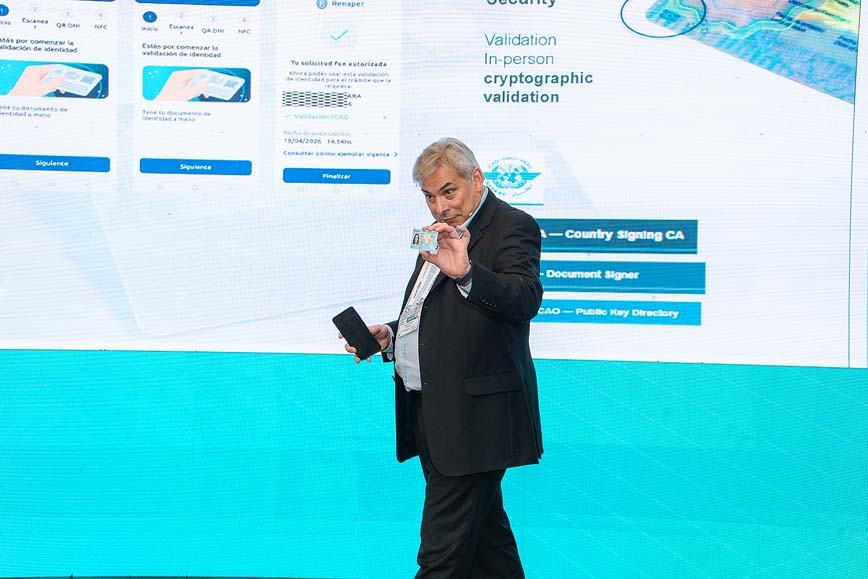
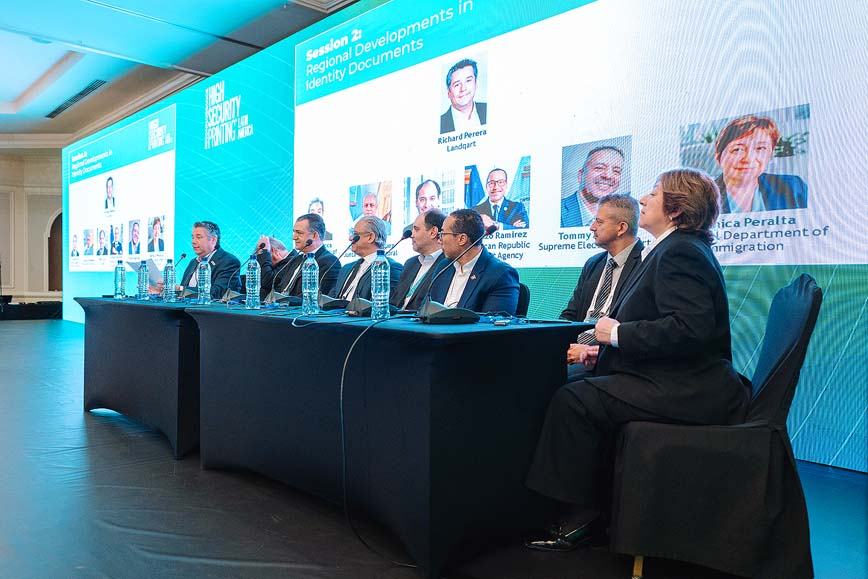
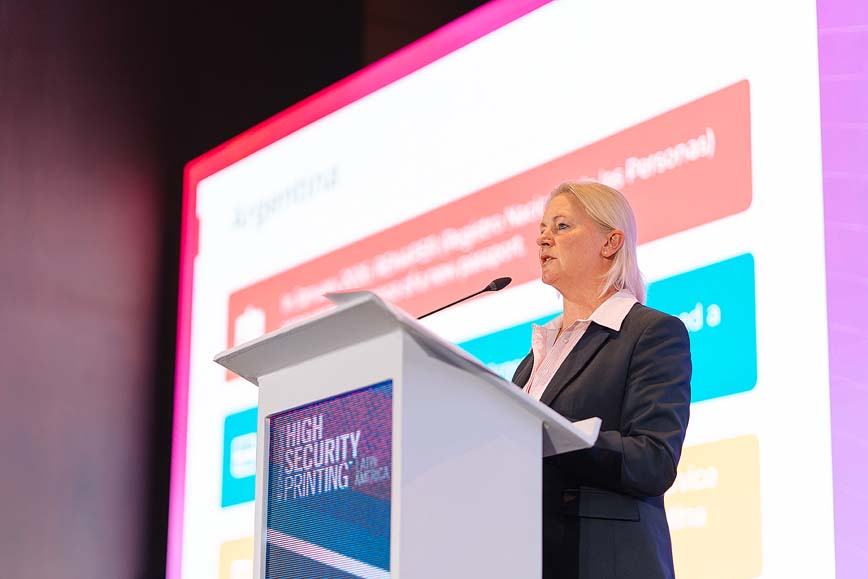
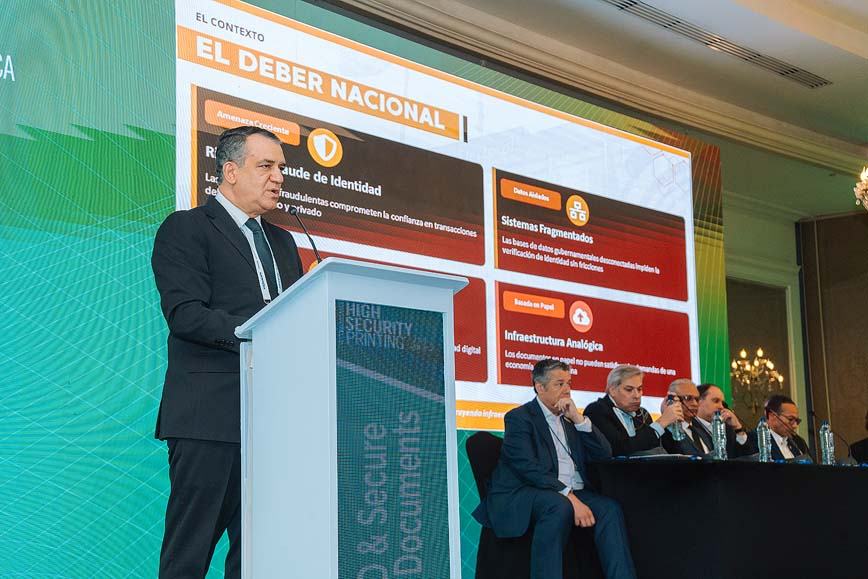
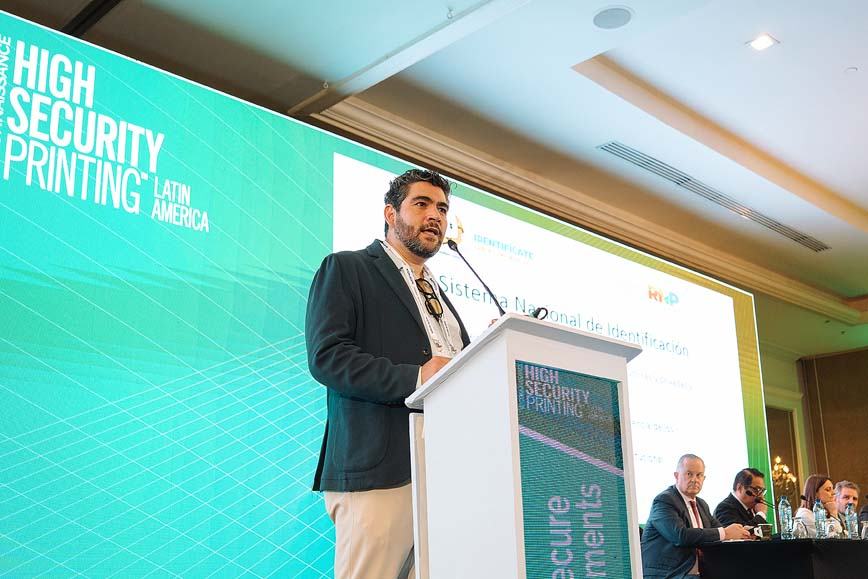
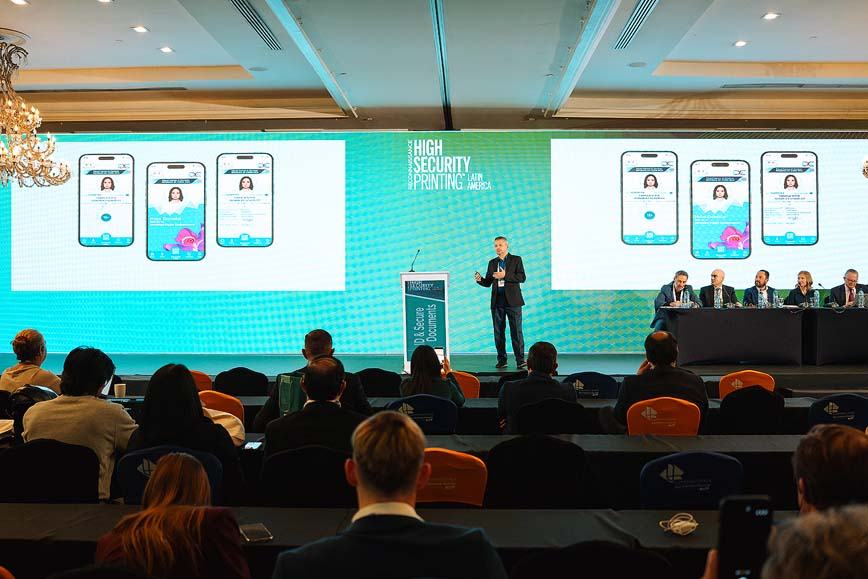
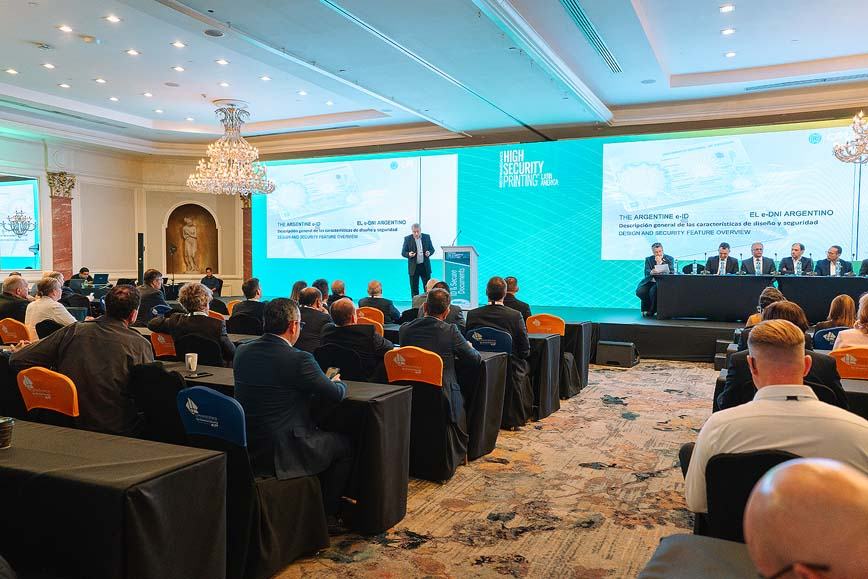
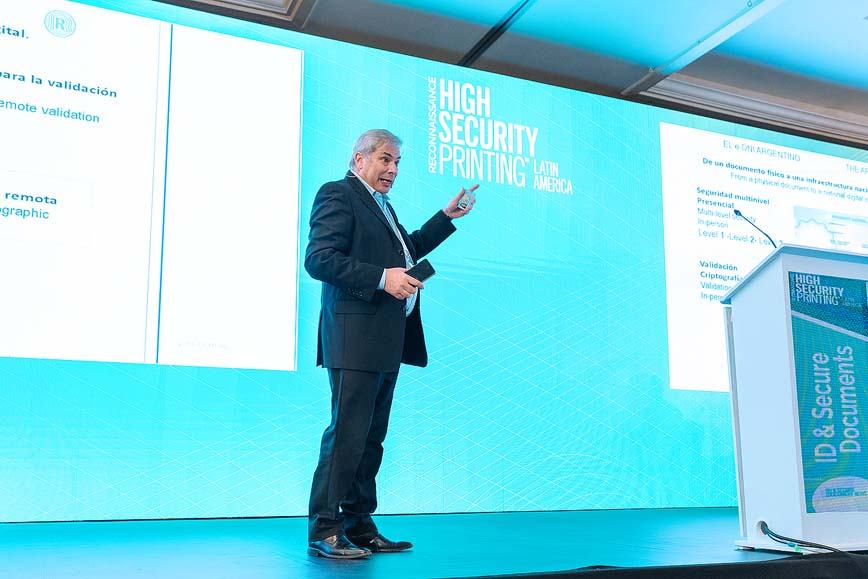
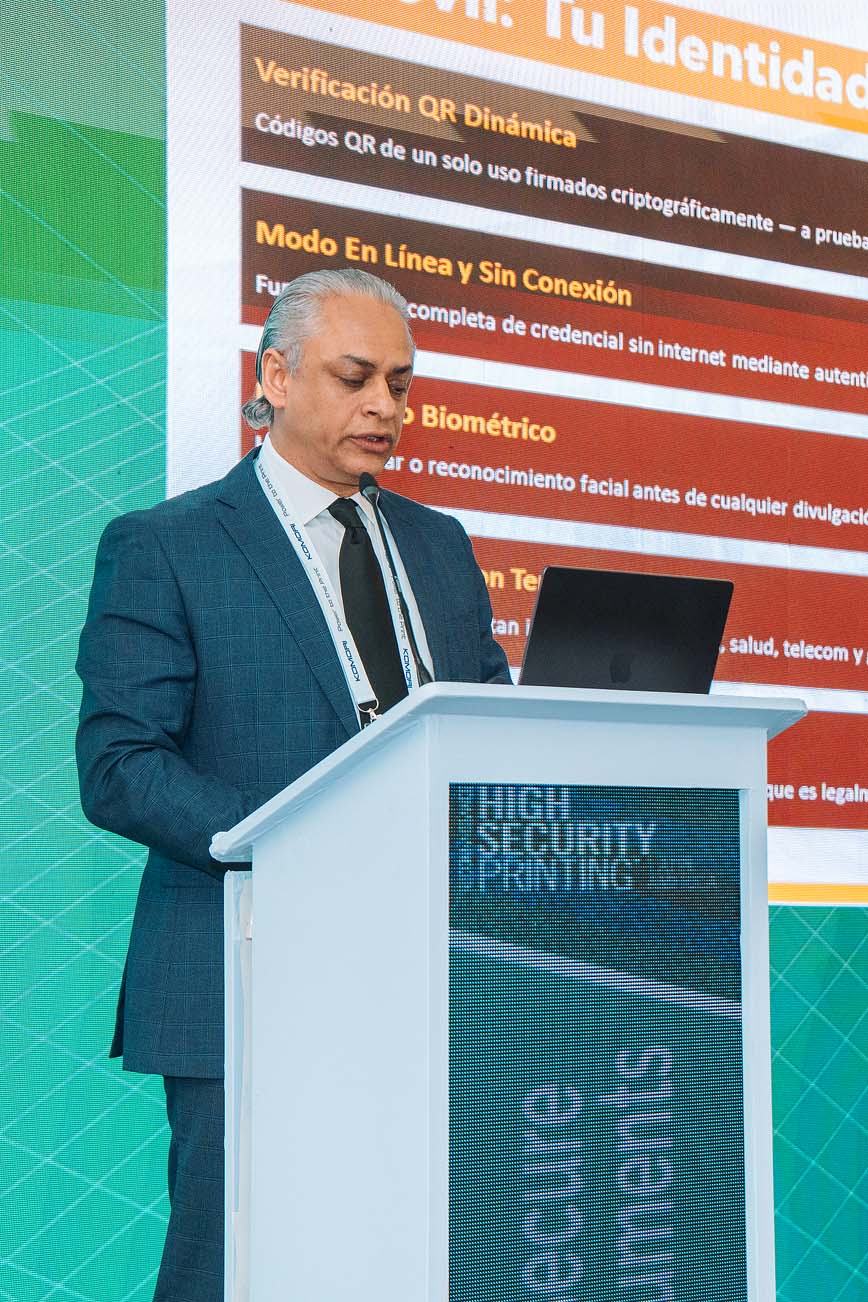
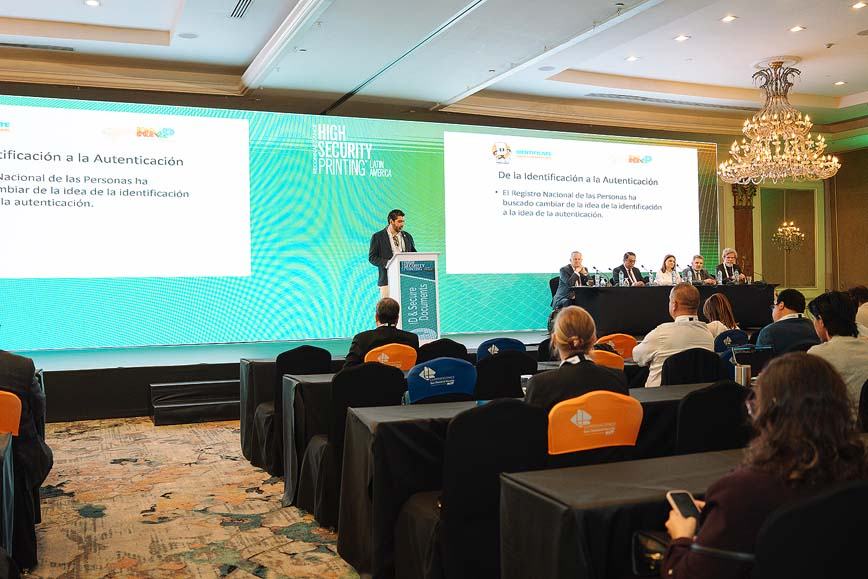
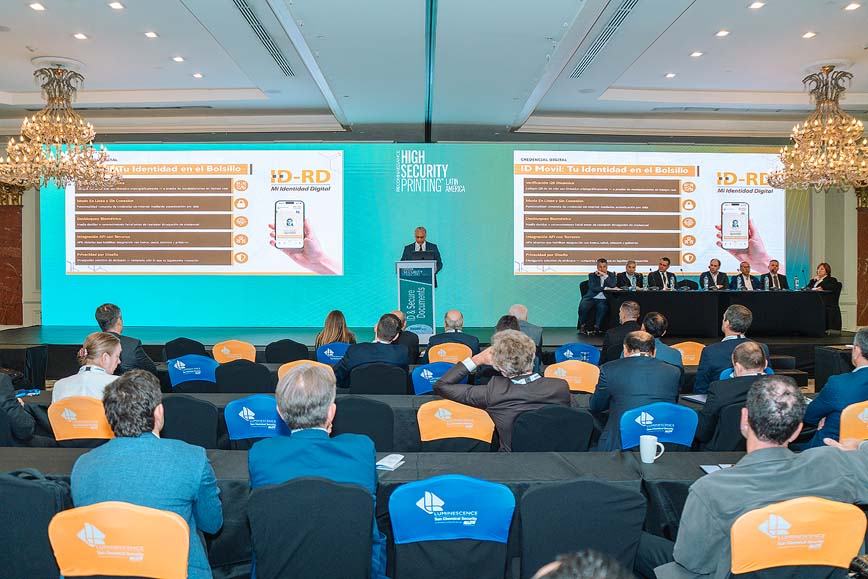
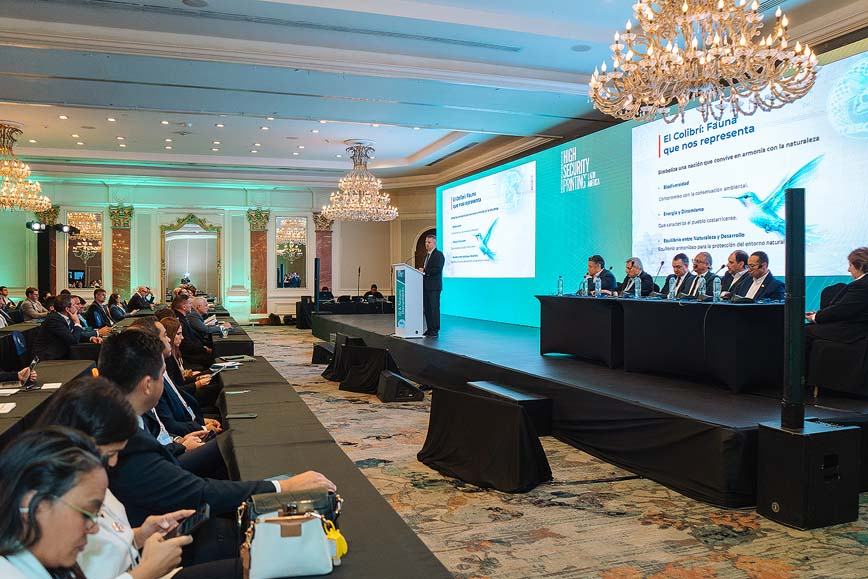
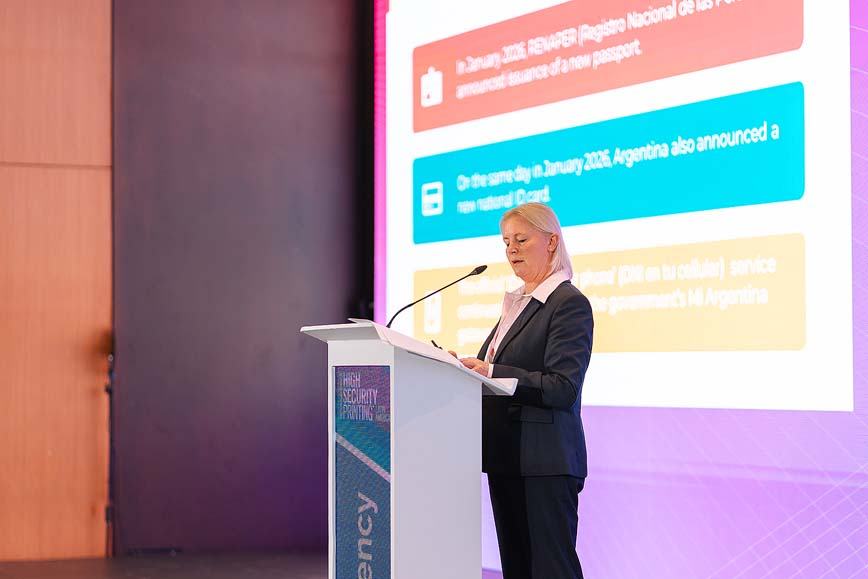
In the first ID session on Tuesday there were presentations by the National Registry of Persons (RENAPER) in Argentina, with a detailed look at the much-awaited new digital ID for Argentina, standards used and cryptographic validation.

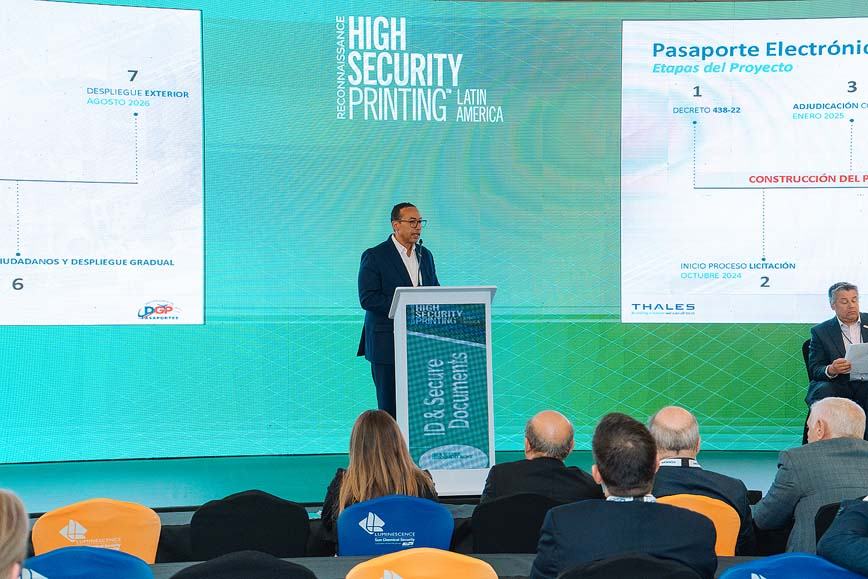
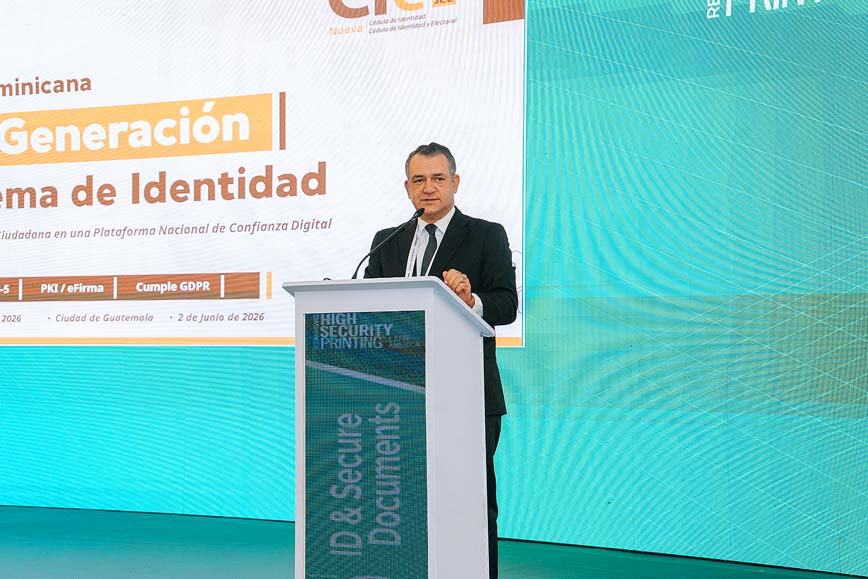
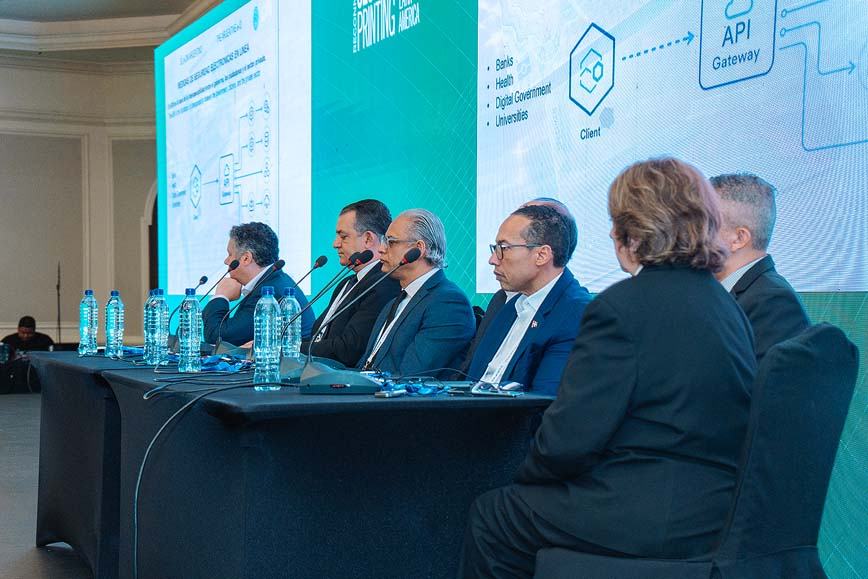
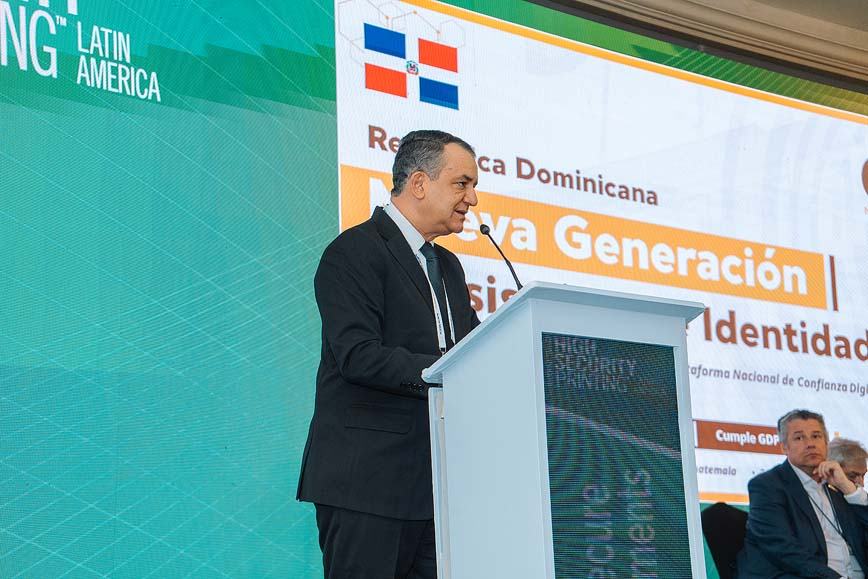
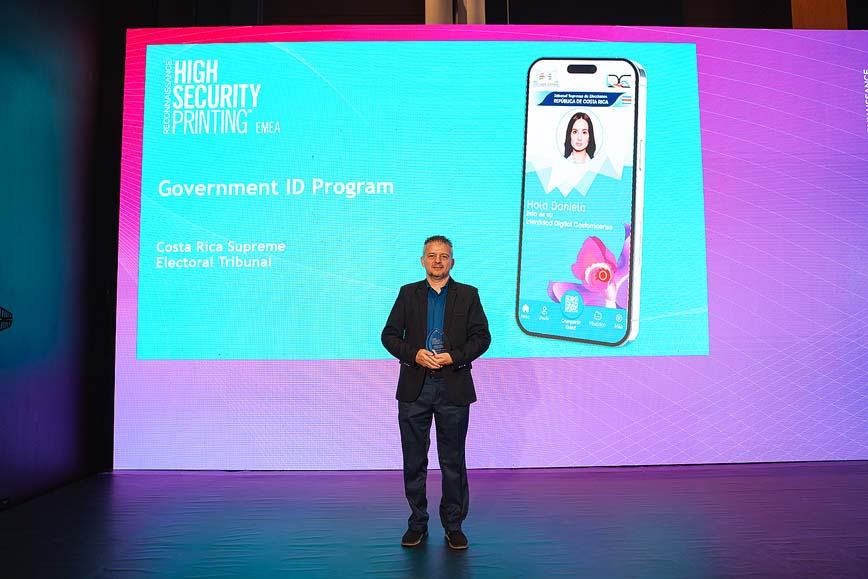
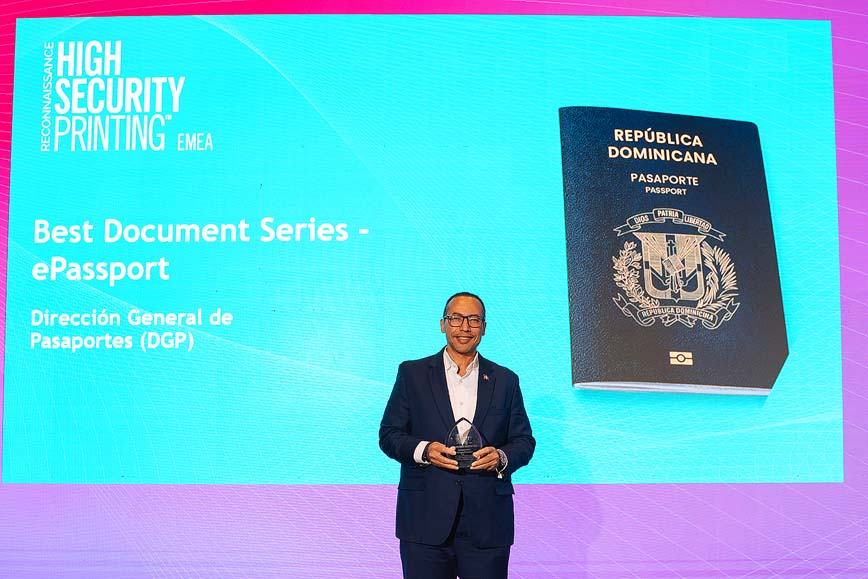
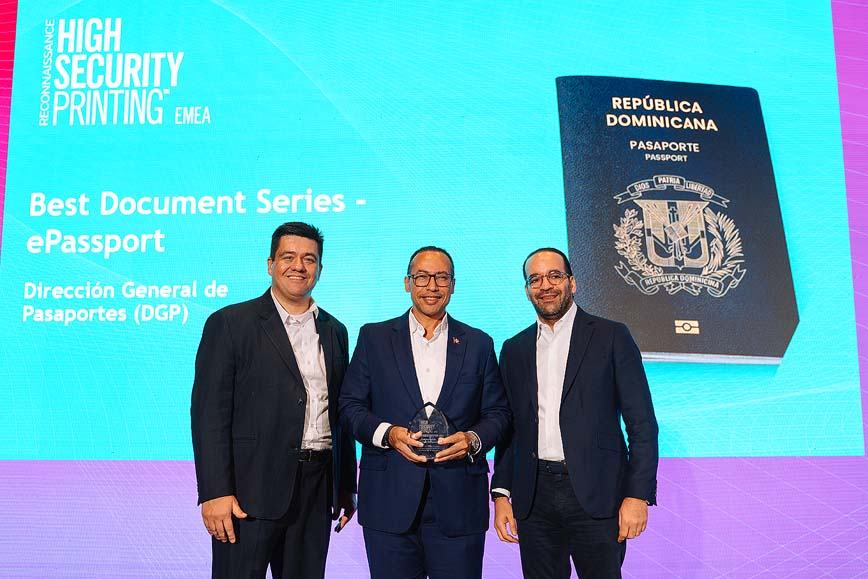
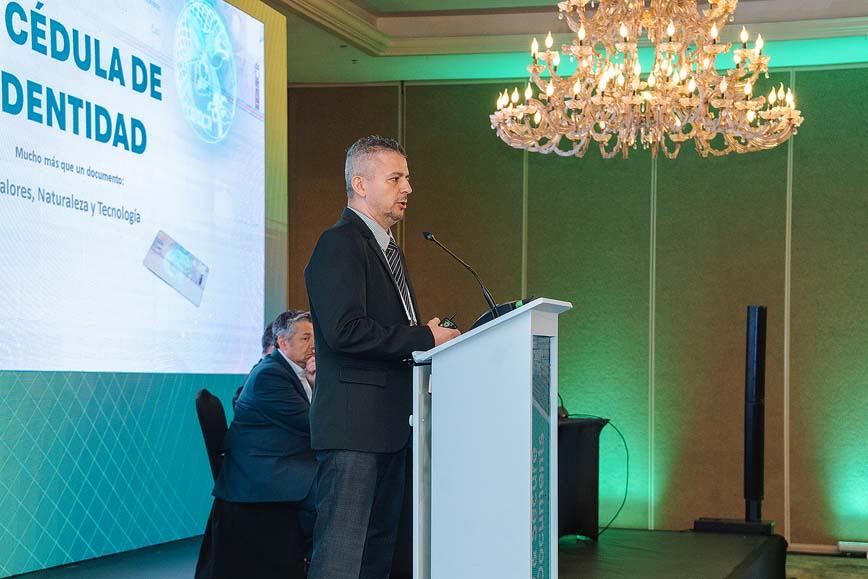
This was followed by the Electoral College of the Dominican Republic presenting the next generation national ID of this country.  Staying in-country, Thales spoke about their new ePassport.  The Electoral College of Costa Rica spoke about their country’s focus on having one identity system for the nation. 

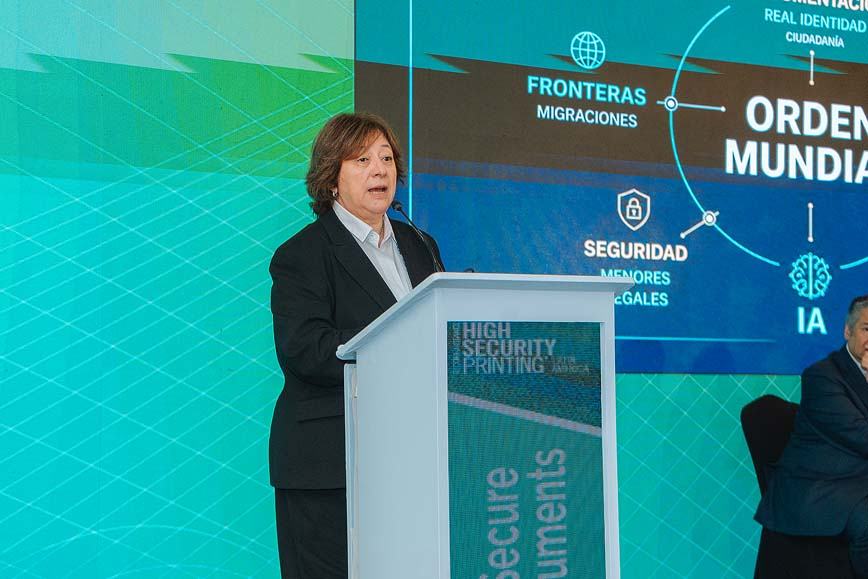
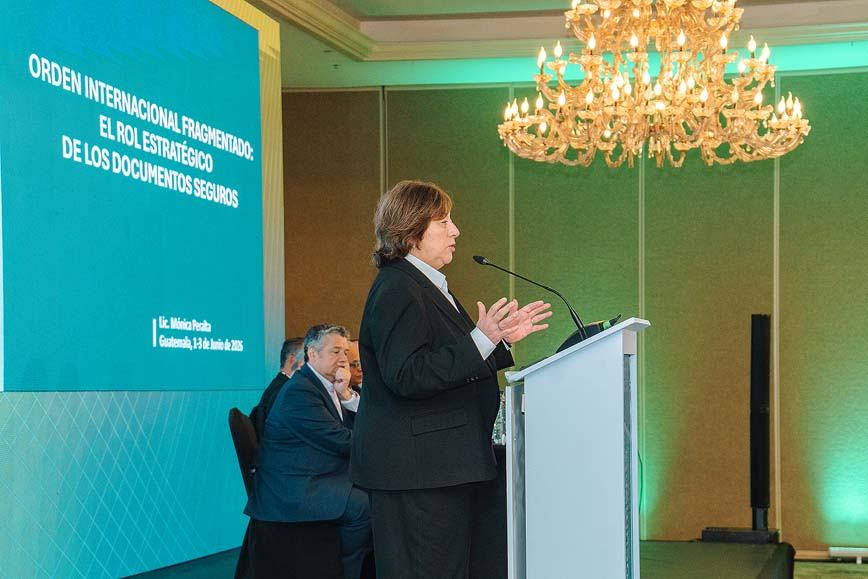
Finally, seasoned expert Mónica Peralta, of the Argentine National Migration Authority, analysed the strategic role that secure documents should continue to play, more than ever before, given the currently fragmented international order.

Design and security tendencies were the topics for the next session, where technological providers were able to present their latest products. 

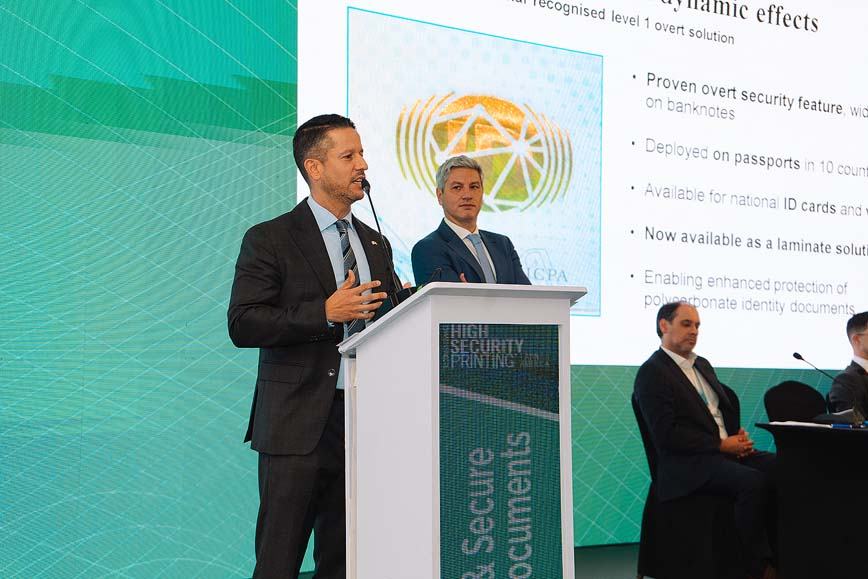
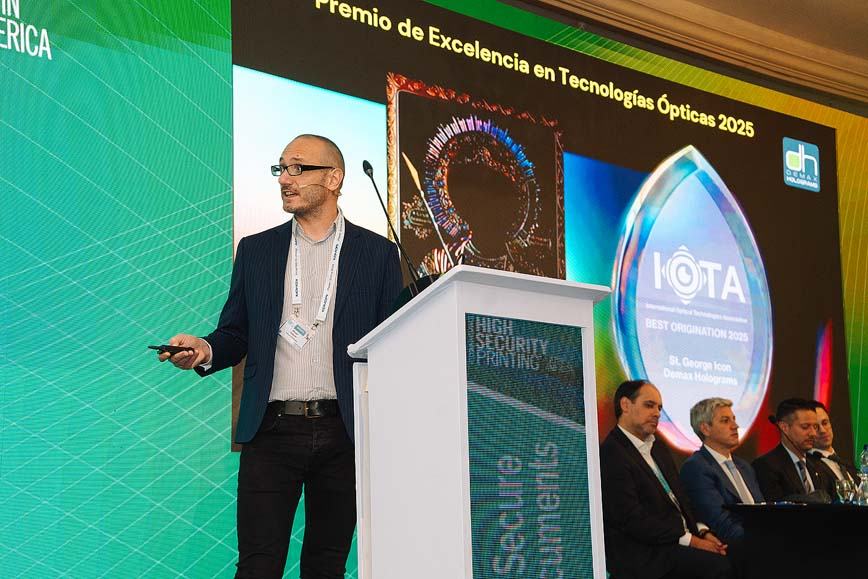
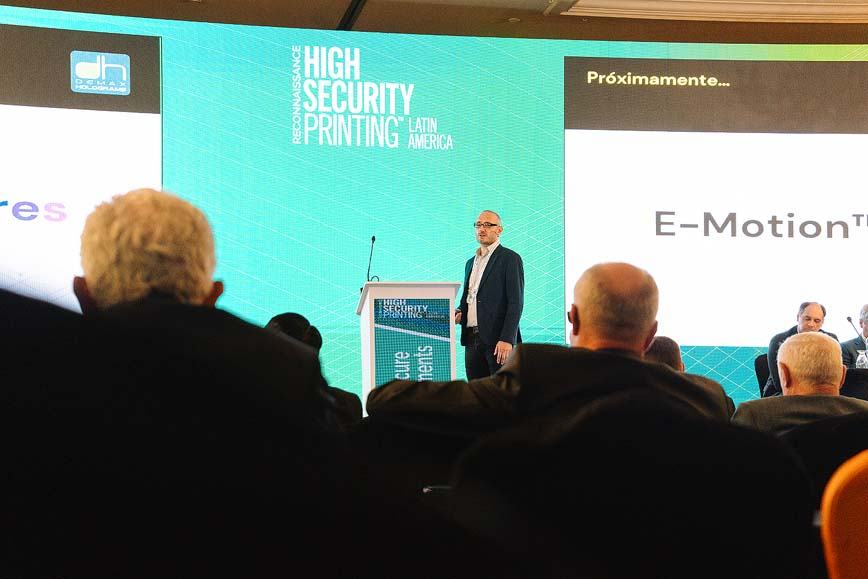
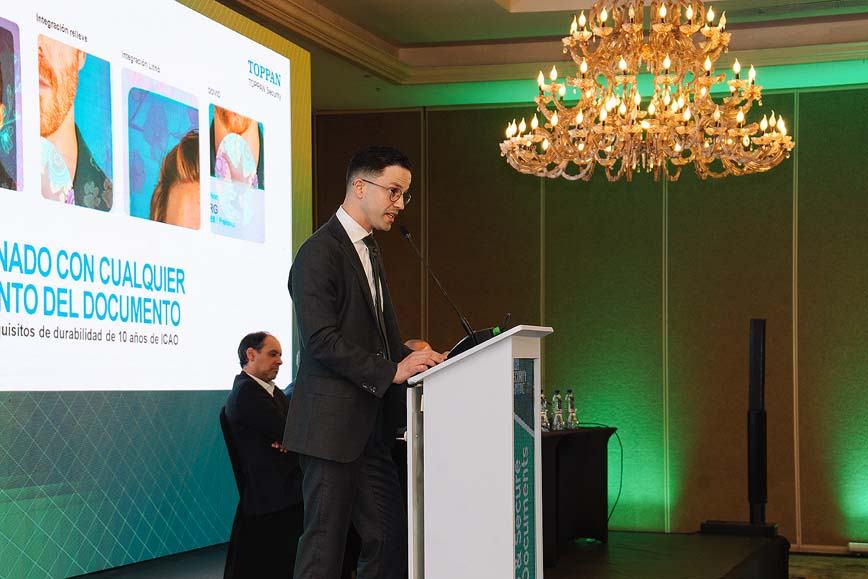
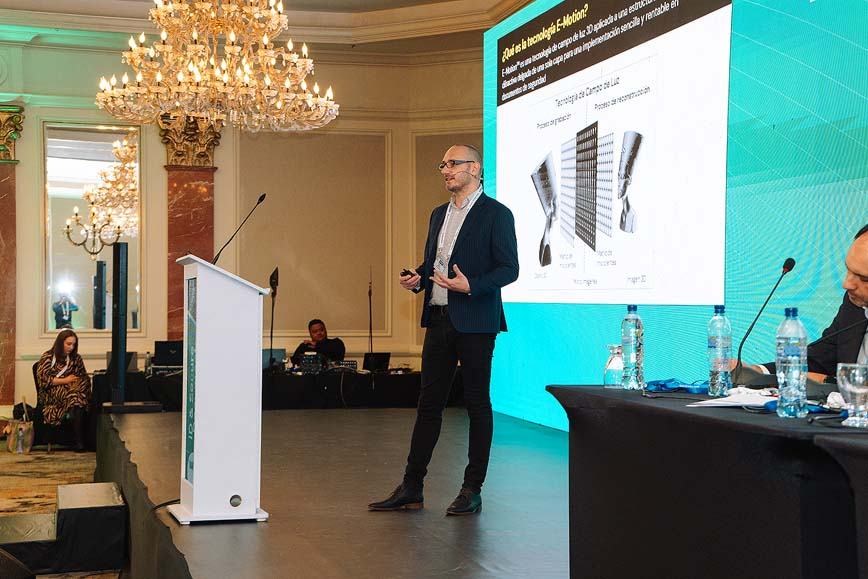
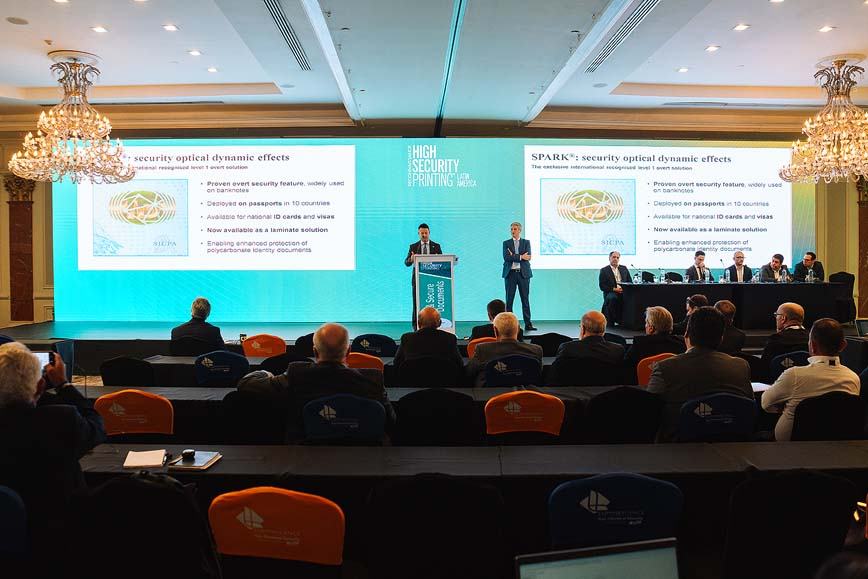
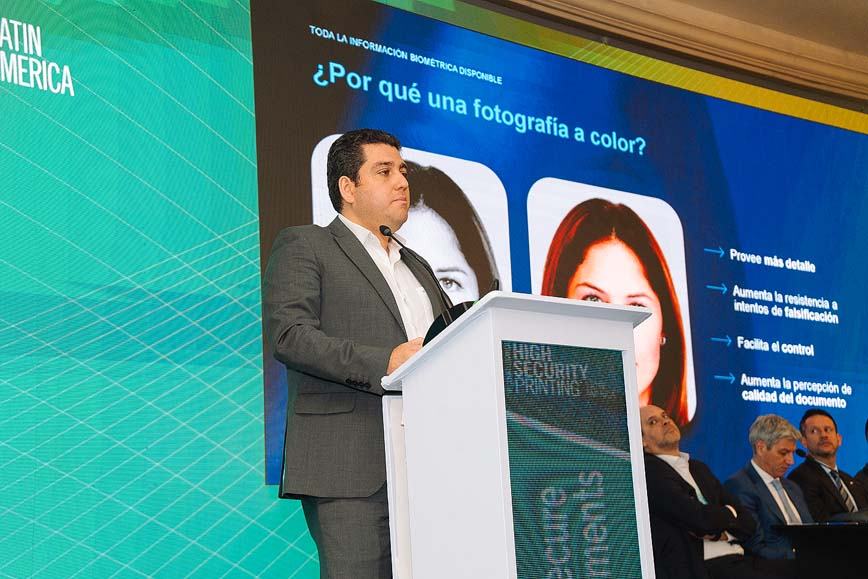
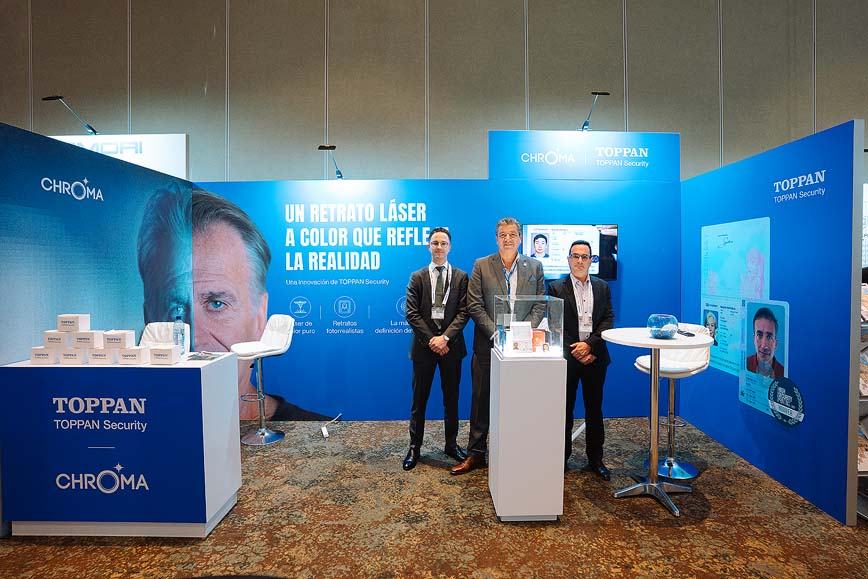
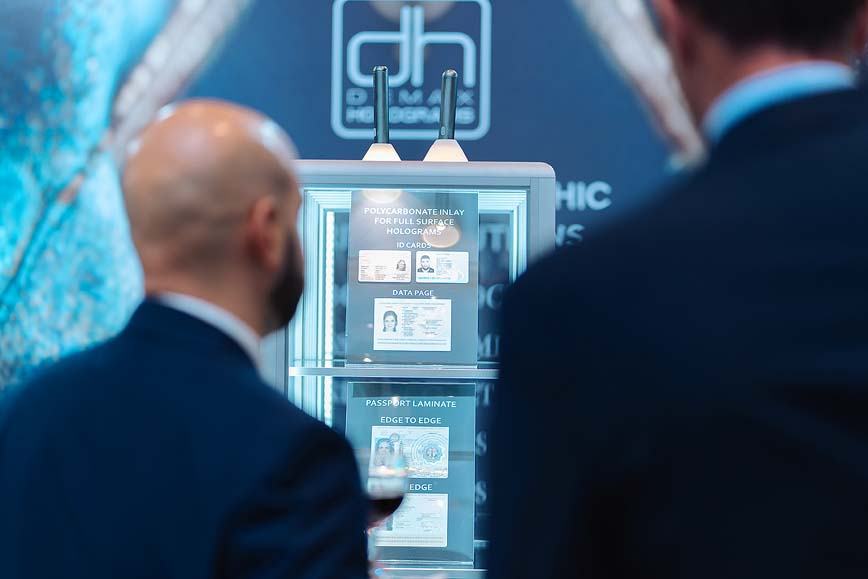
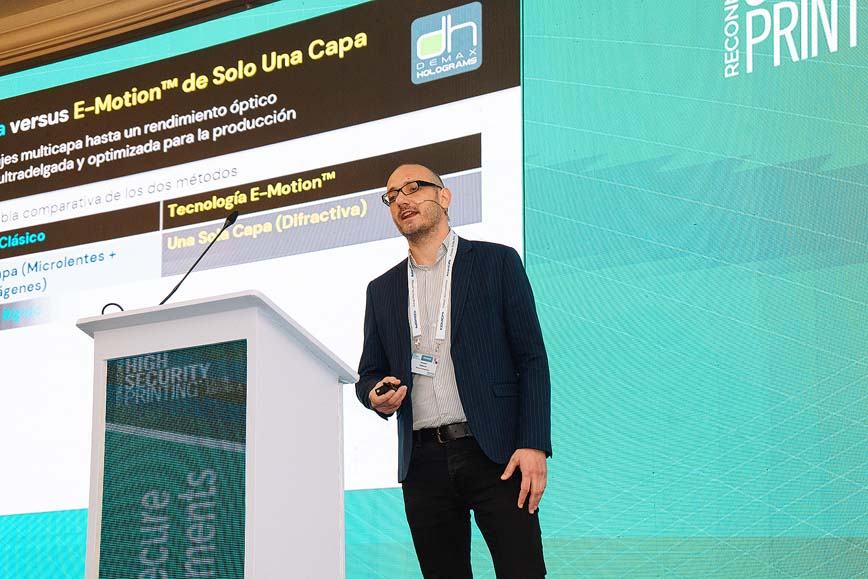
SICPA spoke about next-generation features for polycarbonate datapages and ID cards; Toppan Security gave a fascinating presentation on colour and document security, followed by Bulgaria’s Demax Holograms with its E-Motion hologram with new motion effects; and a final presentation from IN Groupe on LASINKÔ and the importance of colour portraits in Latin American documents.
HSP Day4 Izabal&AtitlánIDPM KAOKOSt 9

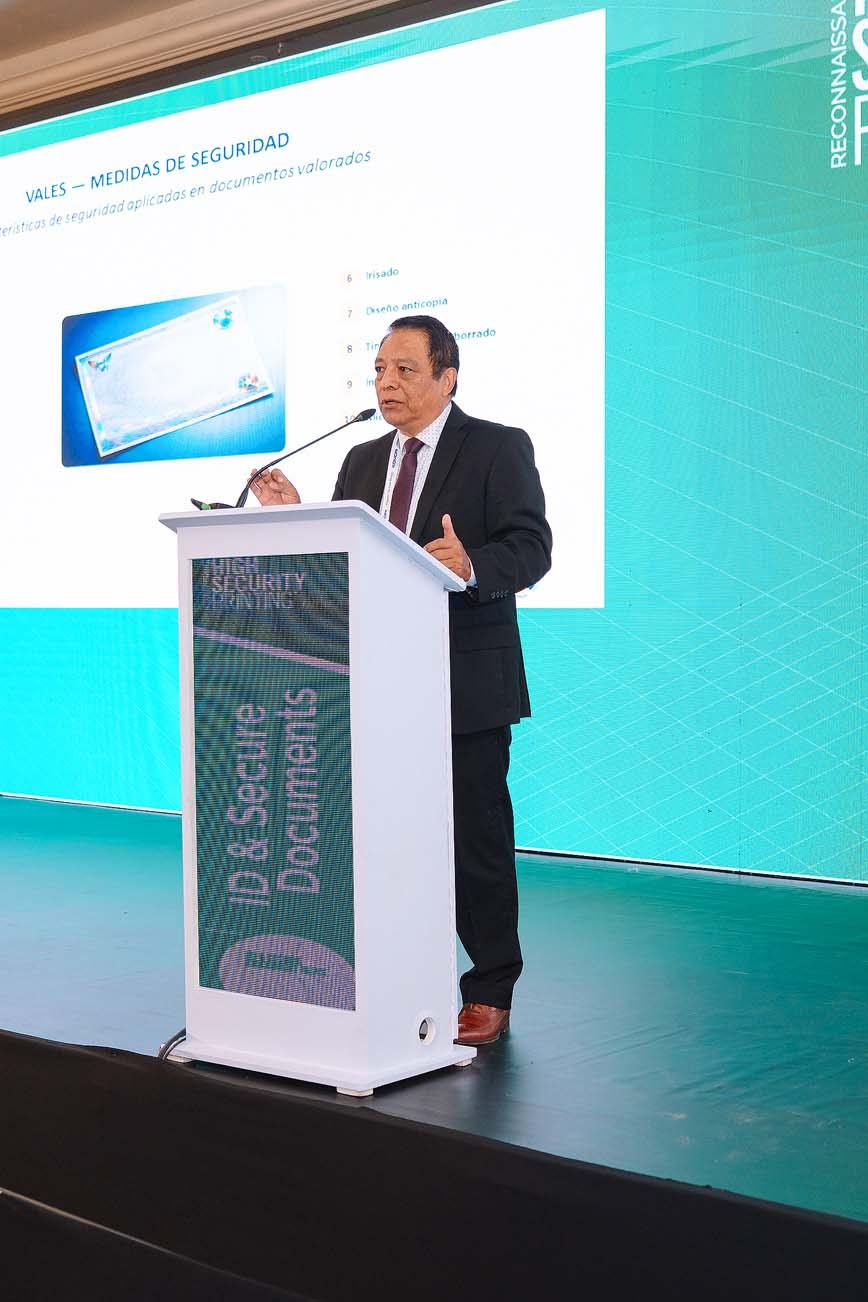
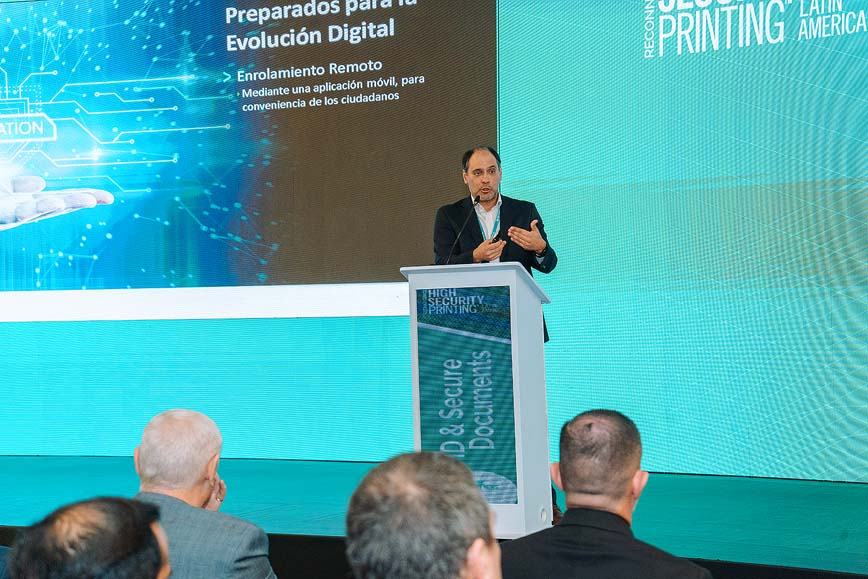
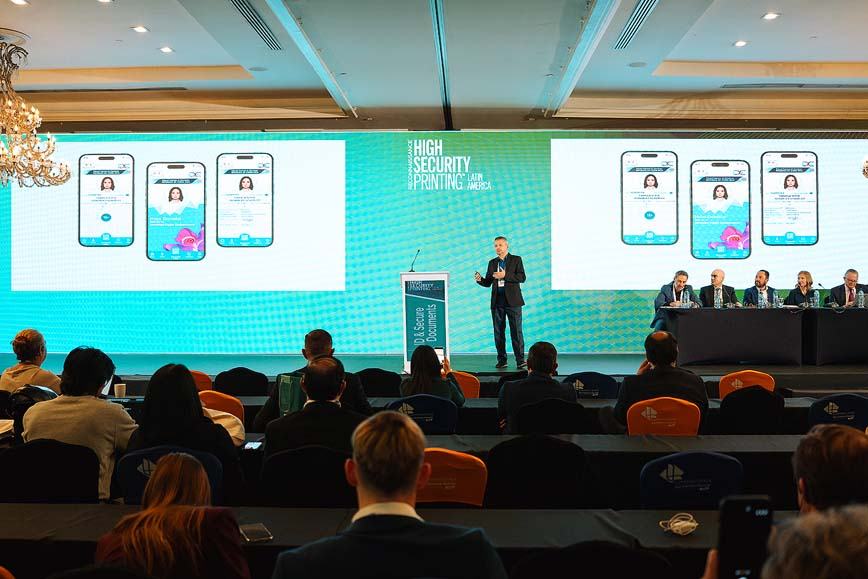
On the last day of the Conference, the first ID session focused on Innovation for Secure Documents.  The first and much-awaited speaker, given that Honduras will be the host country for the CLARCIEV annual conference in September, was from the National Registry of Persons of Honduras, who spoke about the importance of identifying children and adolescents.

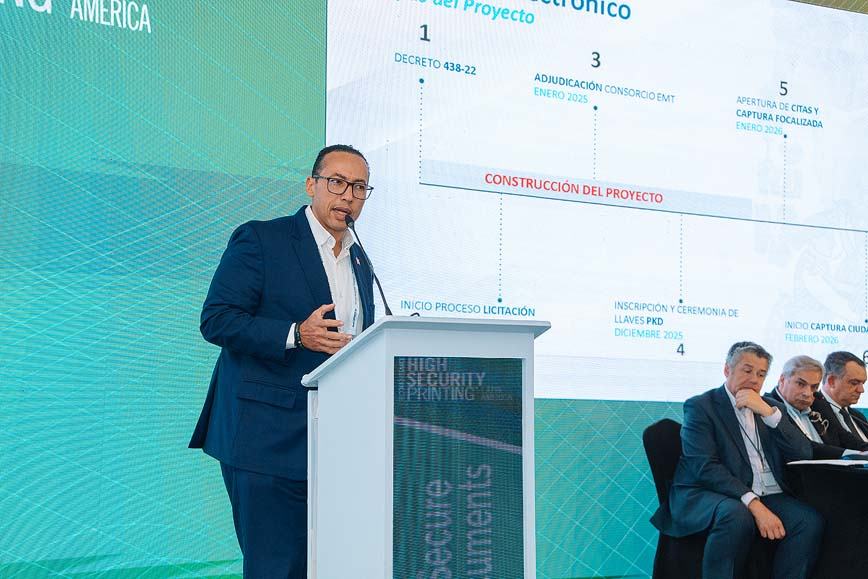
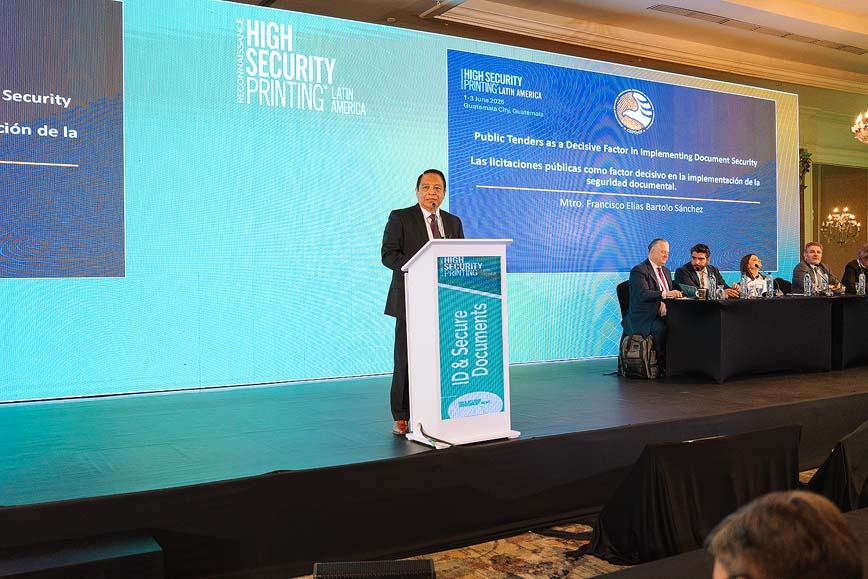
That presentation was followed by one from CSIPDyCF of México on expert vision on public tenders as a decisive factor for implementing document security.

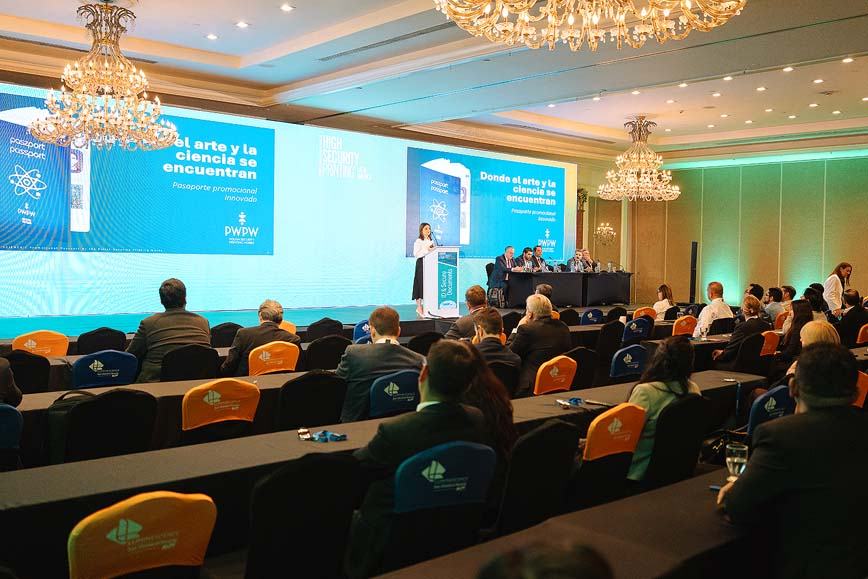
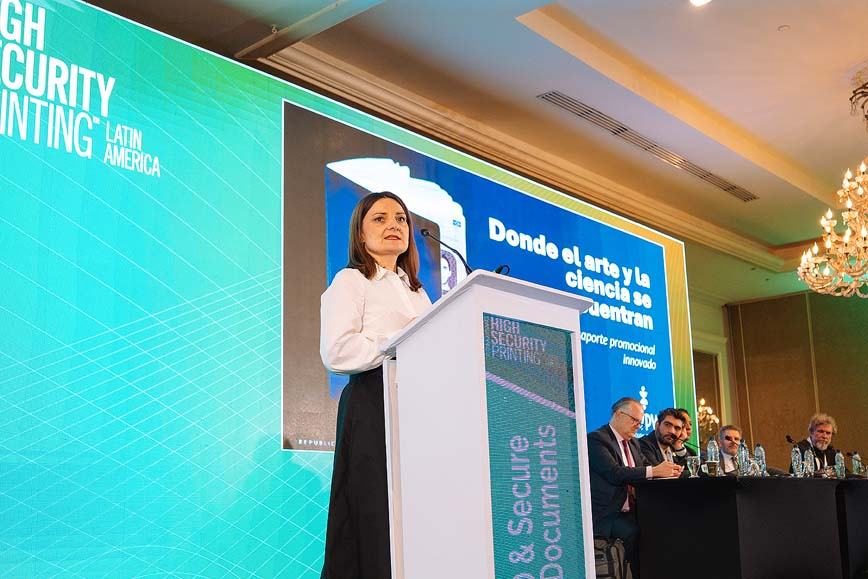
A beautiful presentation on the meeting of art and science for PWPW’s enhanced promotional passport came next, while ANY Security Printers presented how ‘Security Begins Below the Surface’.

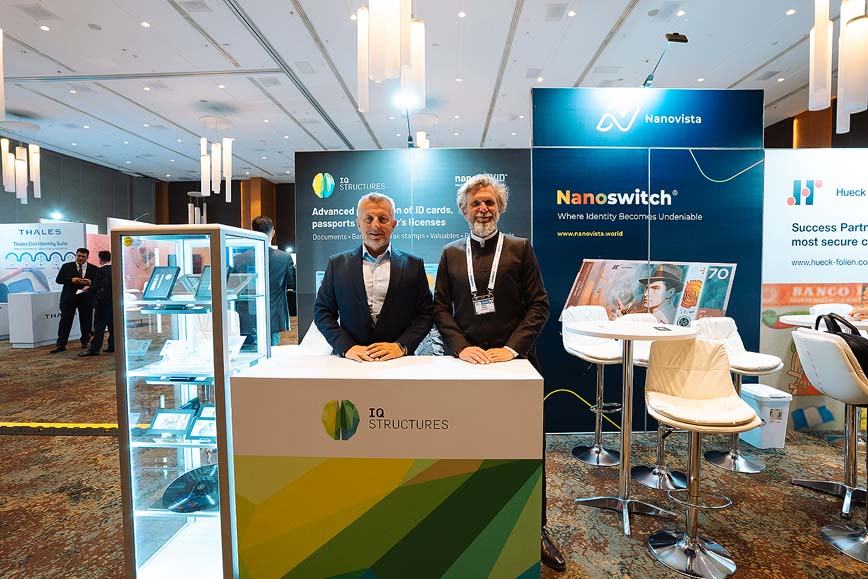
Finally, Robert Dvorak, with his usual élan, presented IQ Structure’s view on a ‘Smooth Transition into Polycarbonate’ by using sophisticated and secure design.

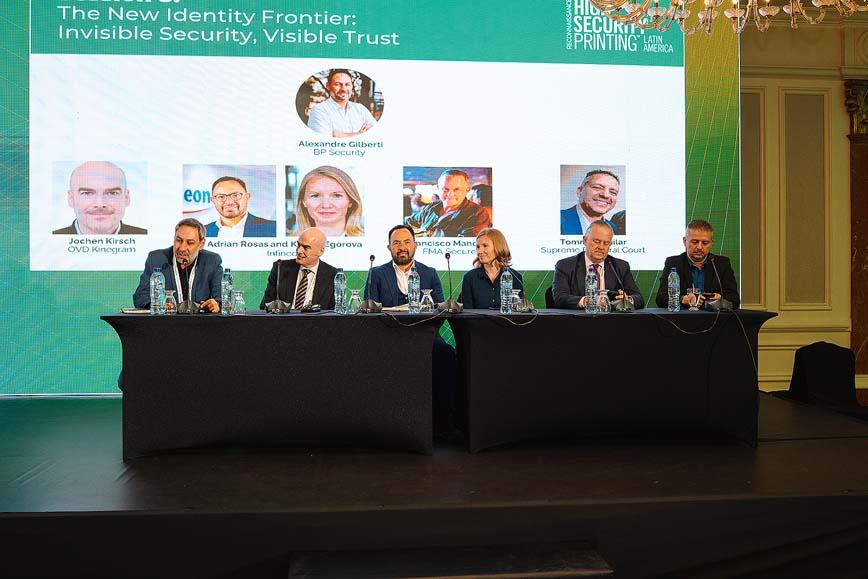
The last solo ID session was titled The New Identity Frontier:  Invisible Security, Visible Trust.

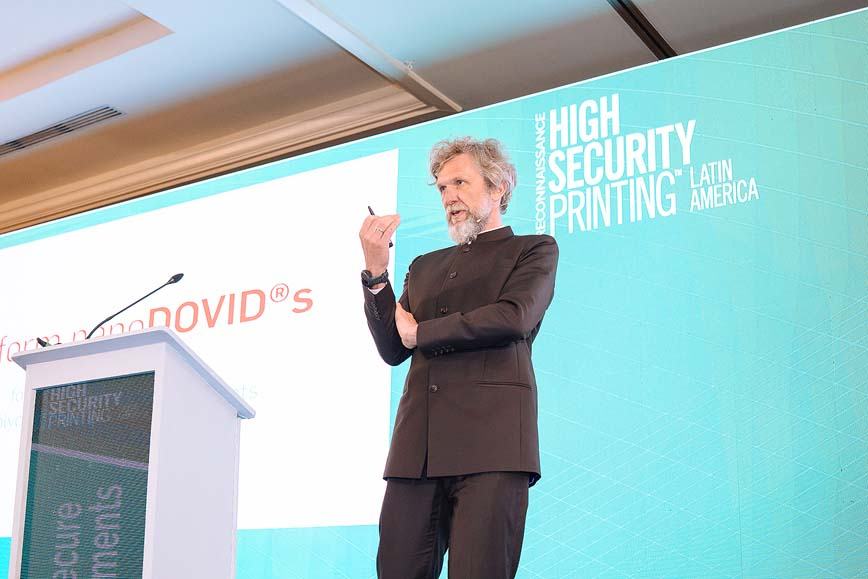
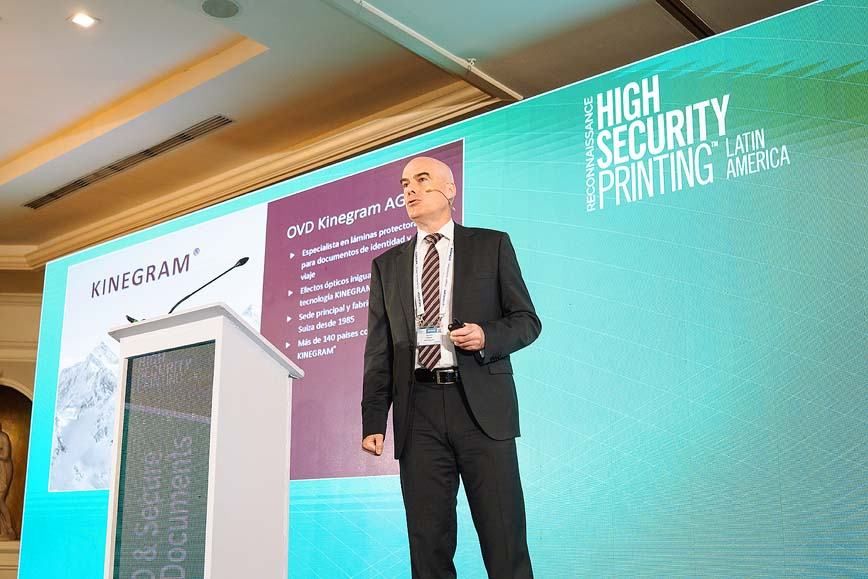
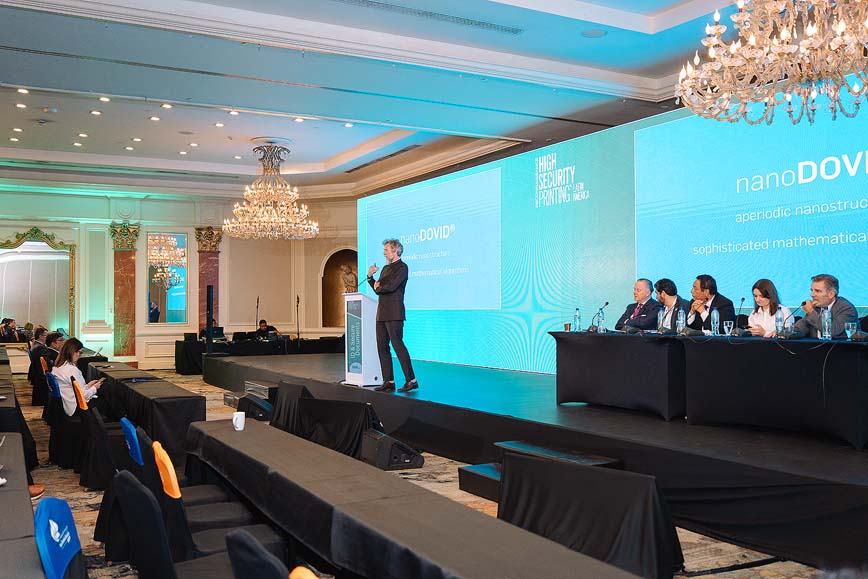
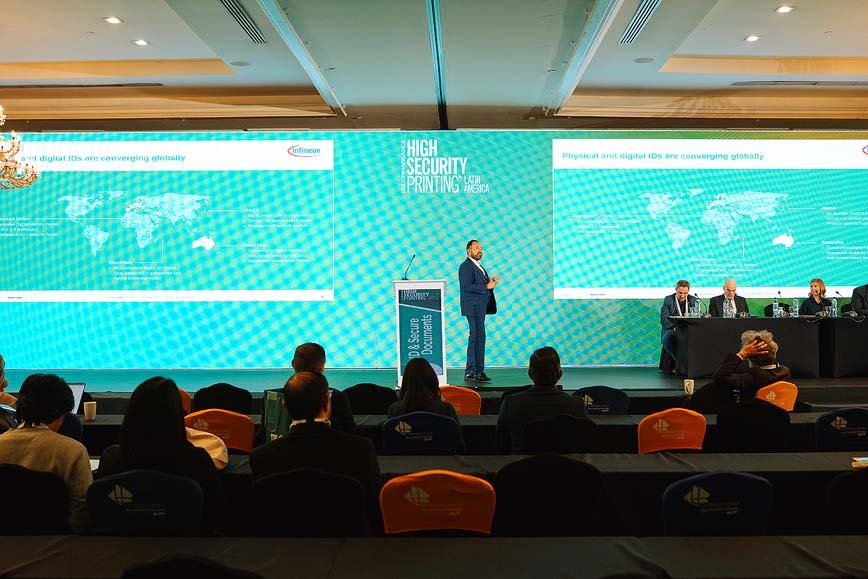
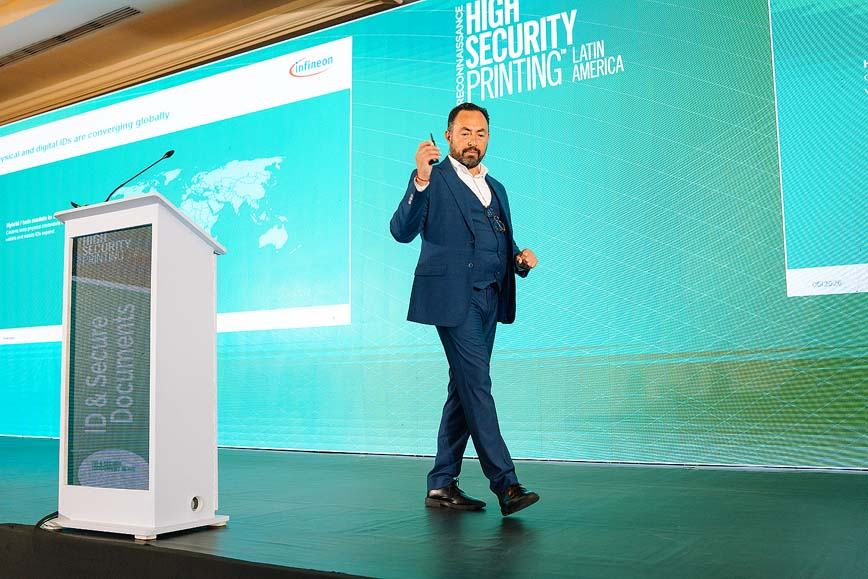
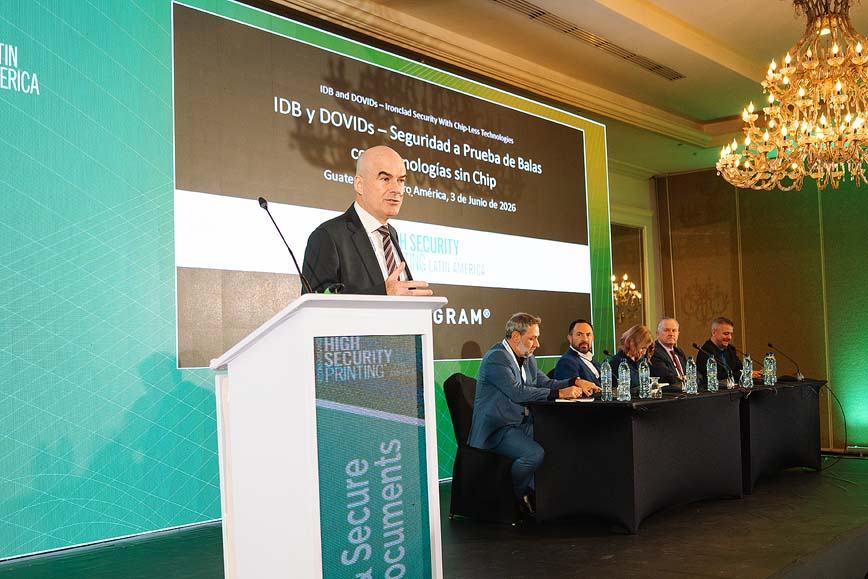
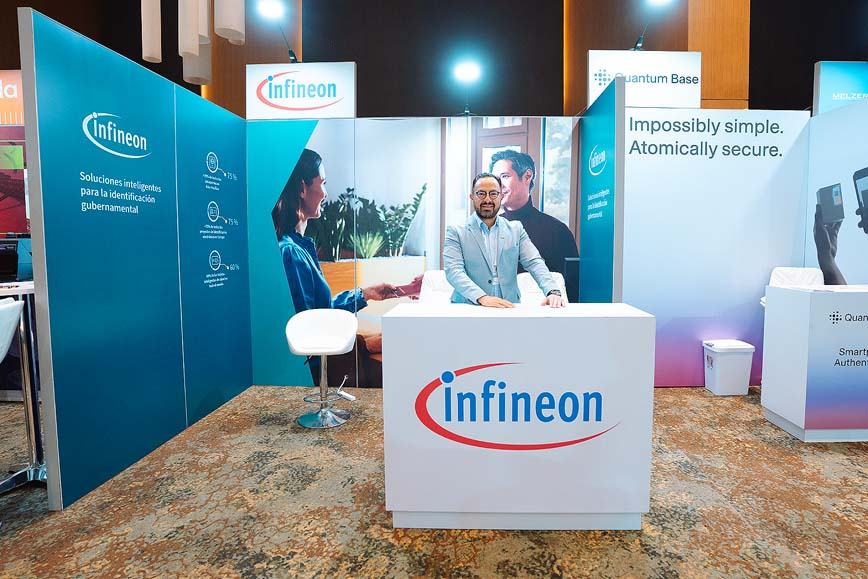
The first presentation of the session was an animated speech from the speaker from OVD Kinegram on IDB and DOVIDs and their ironclad security features with chip-less technologies.  Focusing on ID Evolution, Infineon were able to clearly explain the convergence of digital identity, post-quantum security and next-generation credentials.

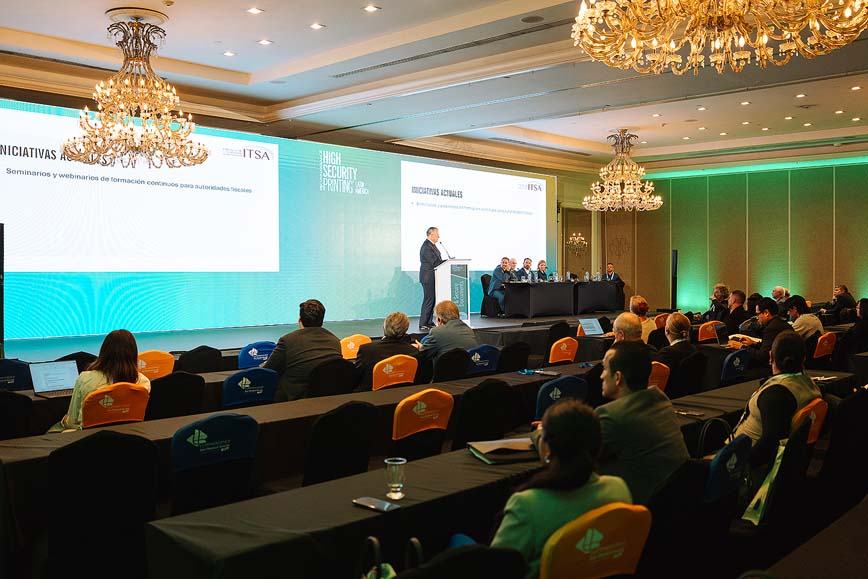
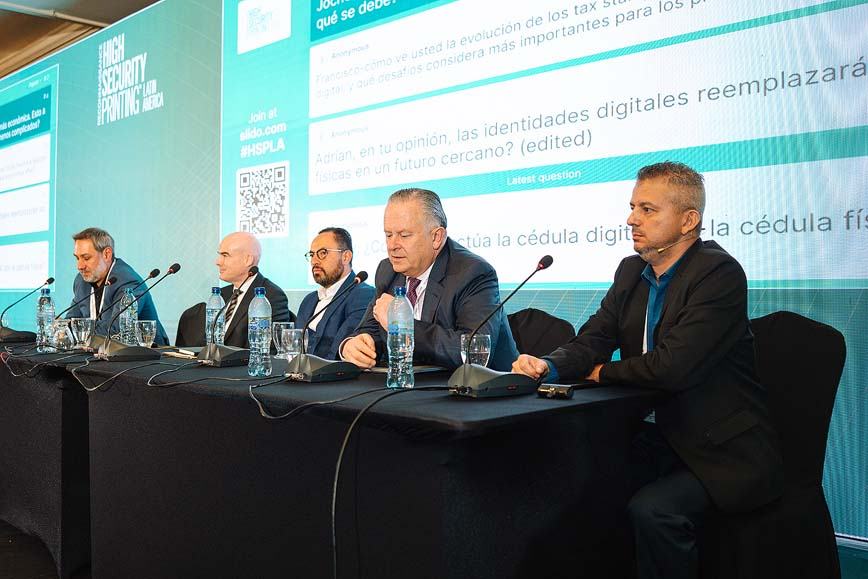
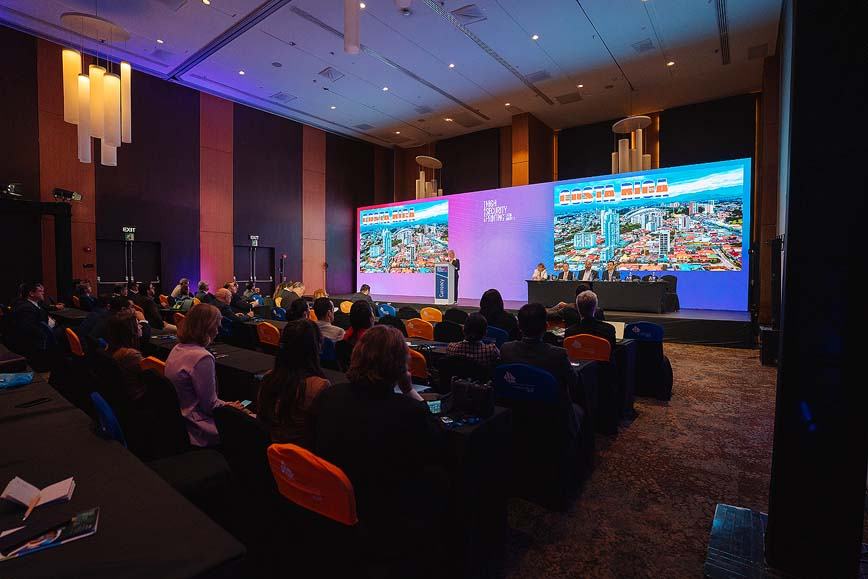
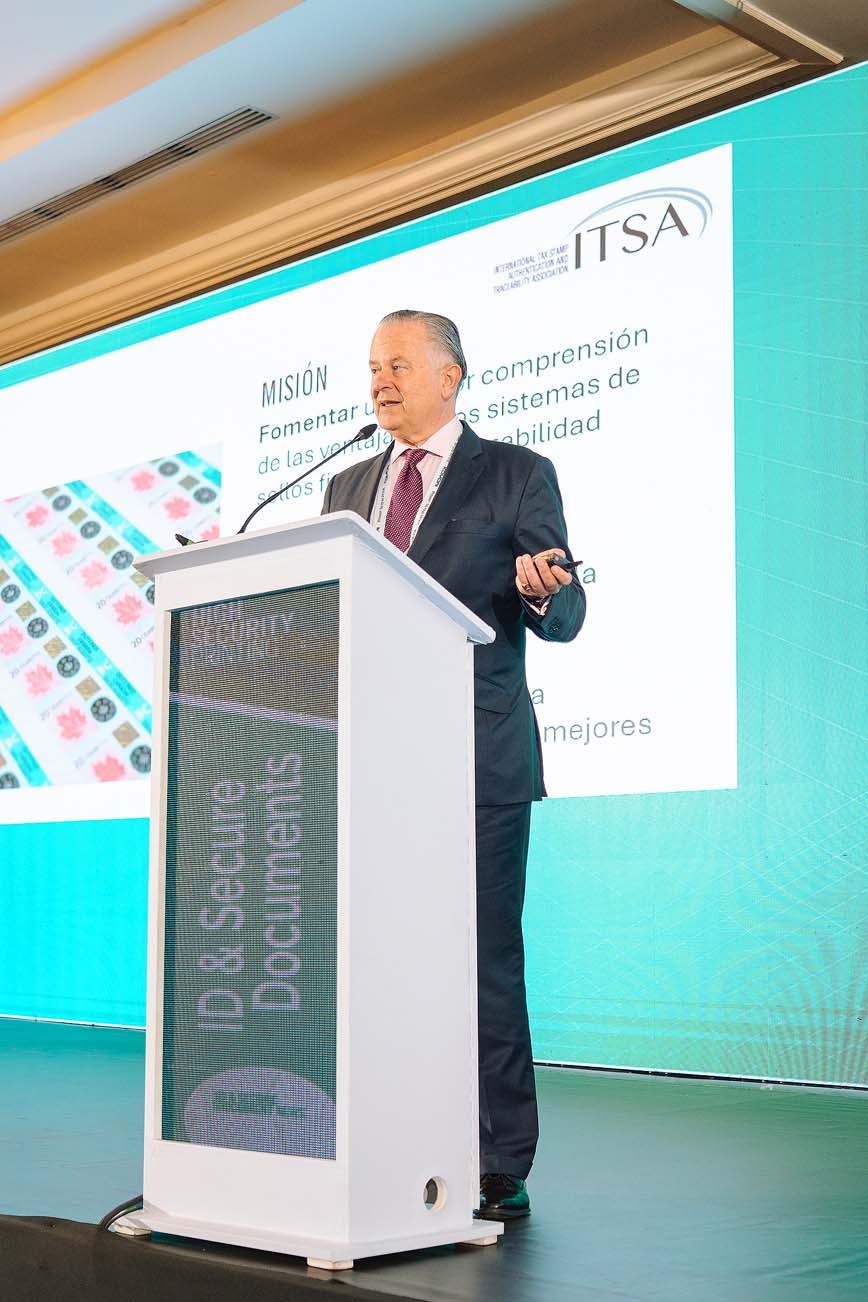
Francisco Mandiola of FMA SECURE and a registered ITSA (International Tax Stamp, Authentication and Traceability Association) consultant, showed ‘Tax Stamps and Traceability Trends’, and finally, Costa Rica’s Electoral College representative spoke about the country’s strategic advancement toward a global security standard.
HSP Day4 PlataCurrencyPM KAOKOSt 2

Sessions converge on innovation

The final session before closing again converged ID and Currency presentations, with a focus on Next Generation Security spanning both sectors.

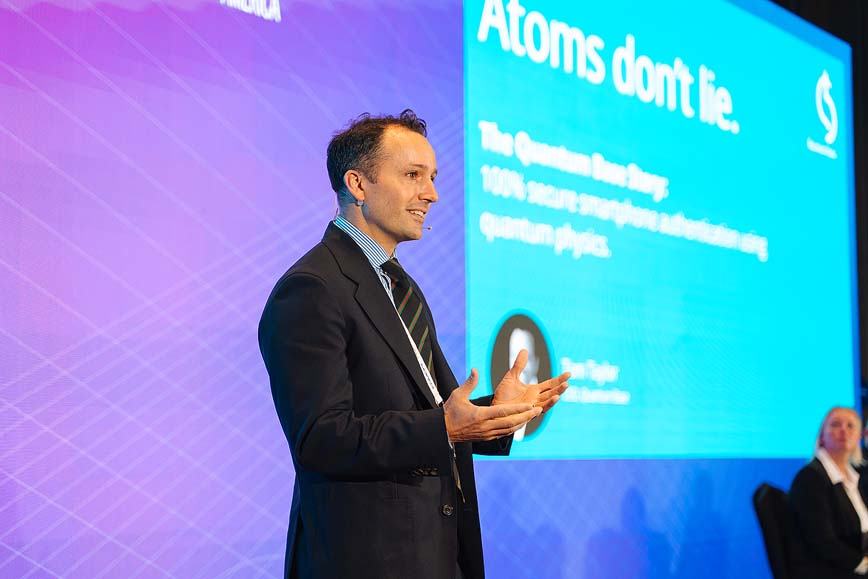
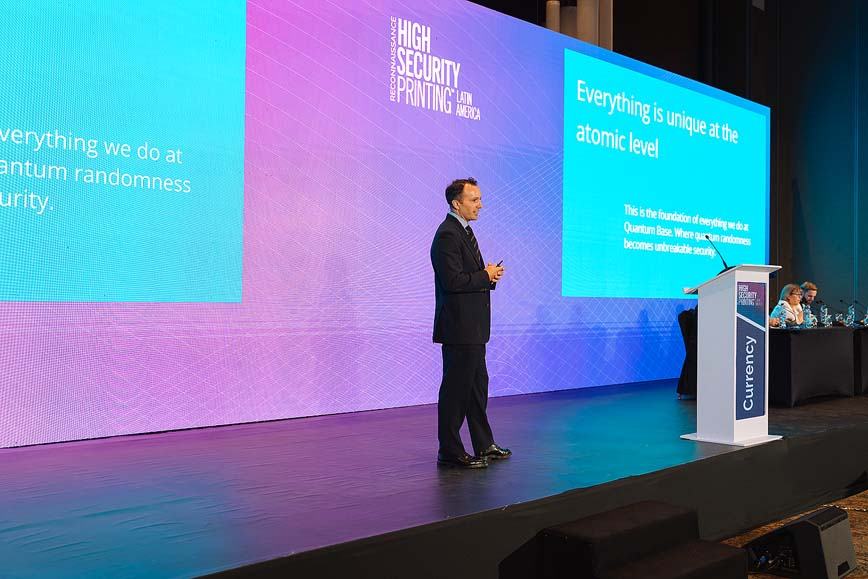
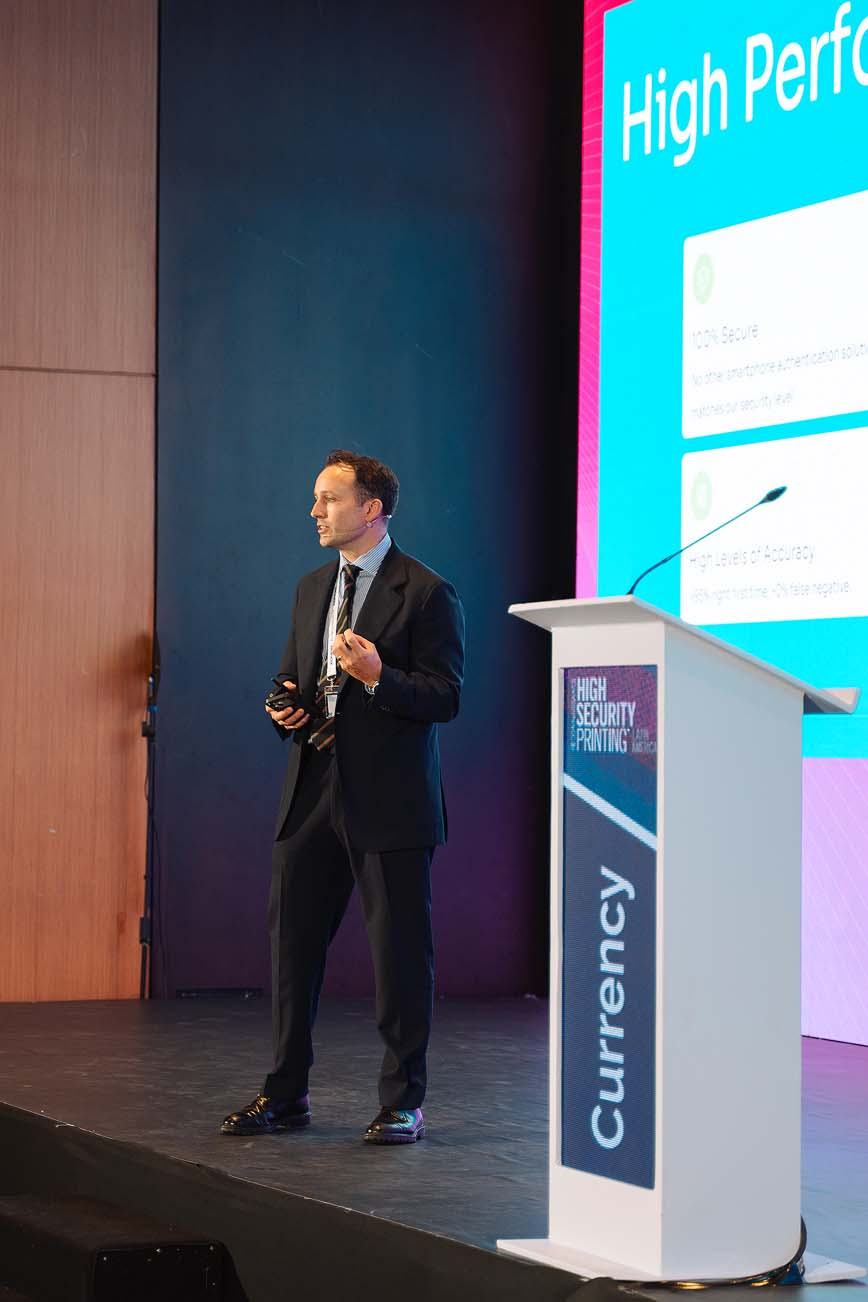
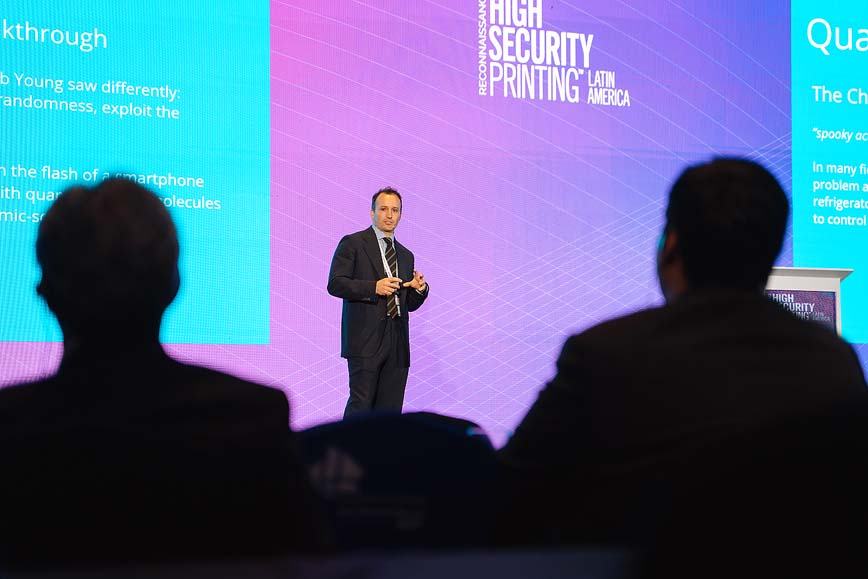
One of the highlights was a presentation from Quantum Base, which has gone from start-up to listed company in relatively little time, on Q-IDs, which are unique digital identities derived from atomic-level imperfections, making them practically impossible to replicate, and which can be applied to a wide variety of products and authenticated instantly using a standard smartphone.

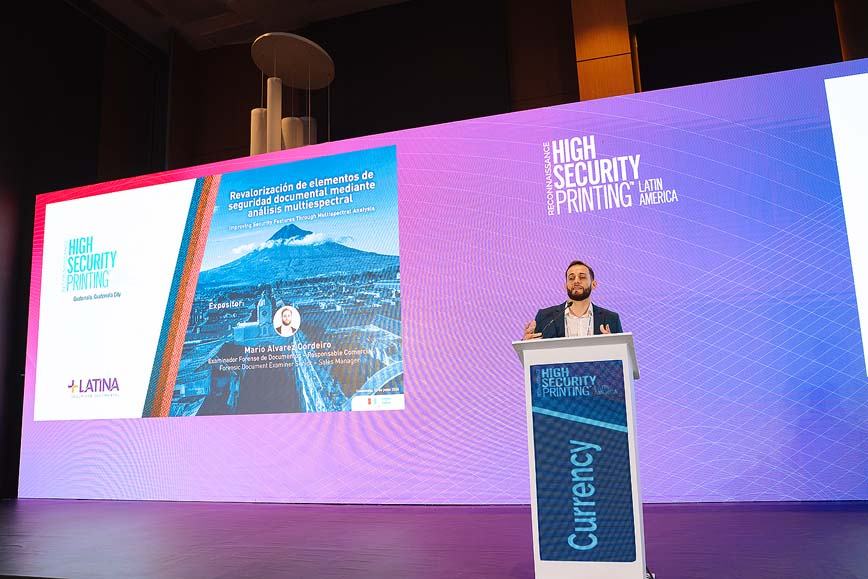
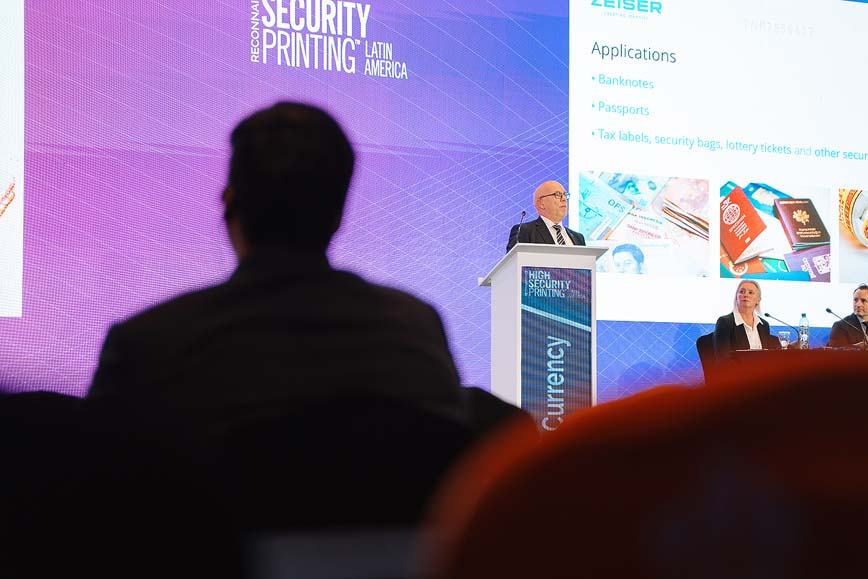
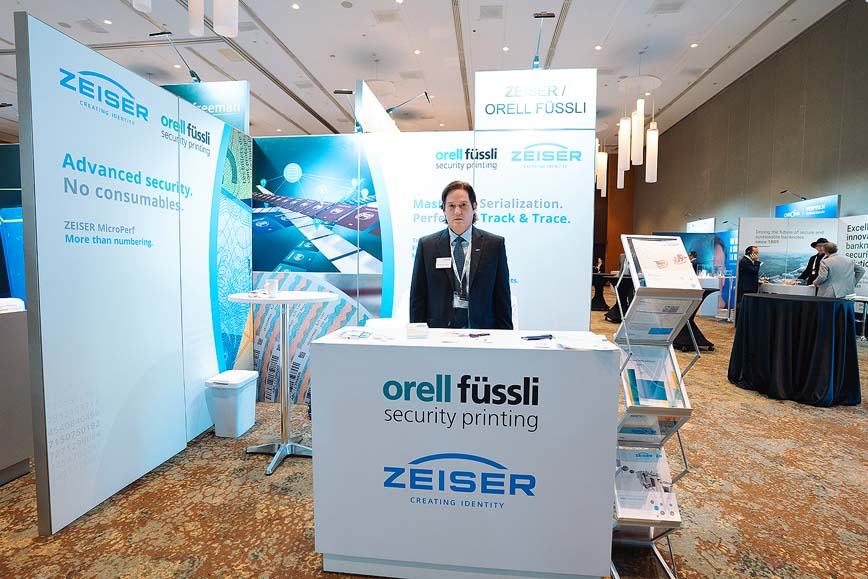
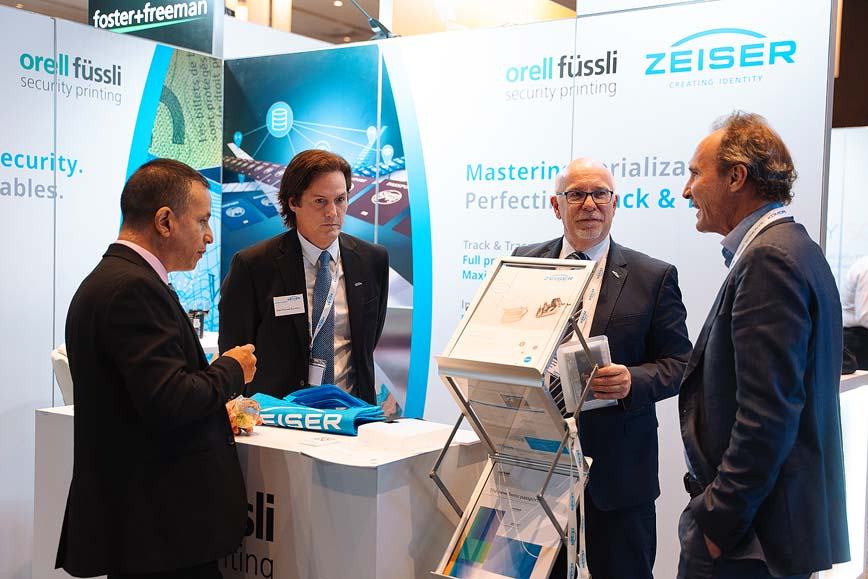
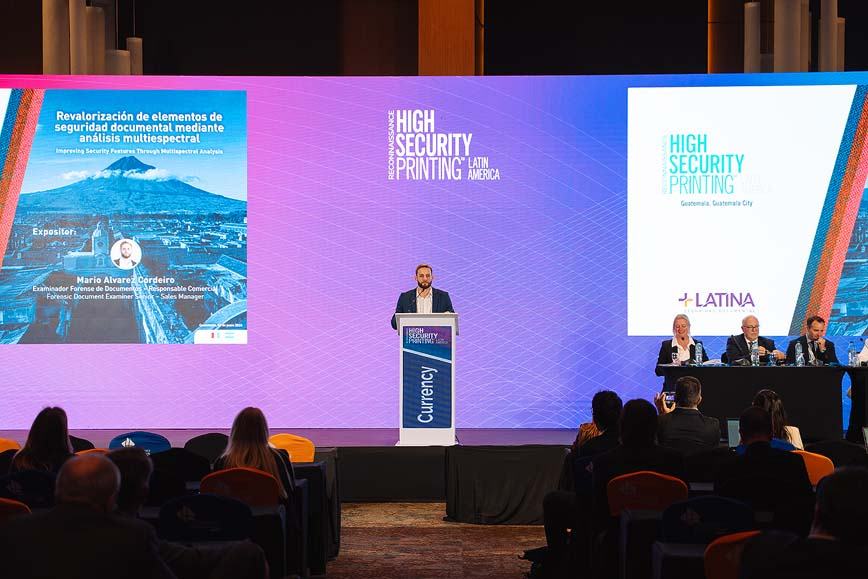
Delegates also heard from Zeiser about advances in micro-perforation technologies that now offer dual-flip effects and serialisation, and +LATINA on how to improve security features using multispectral analysis.

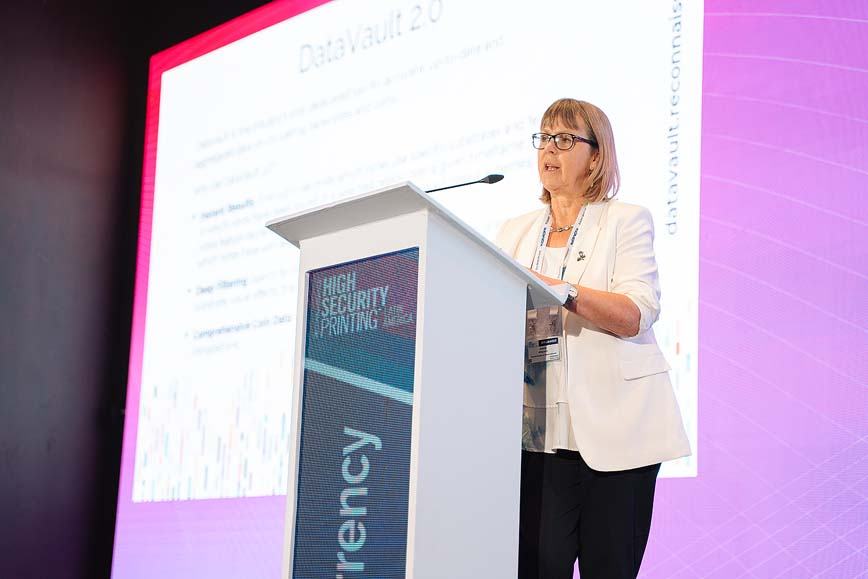
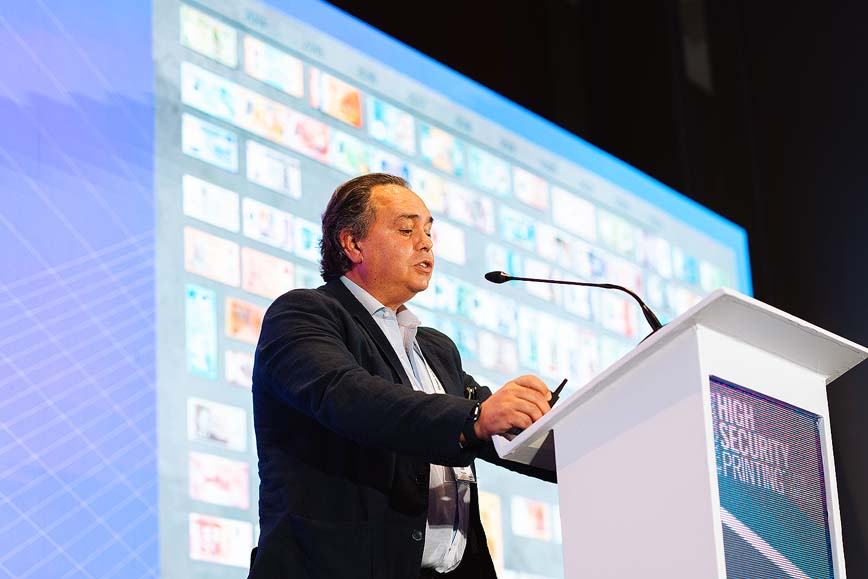
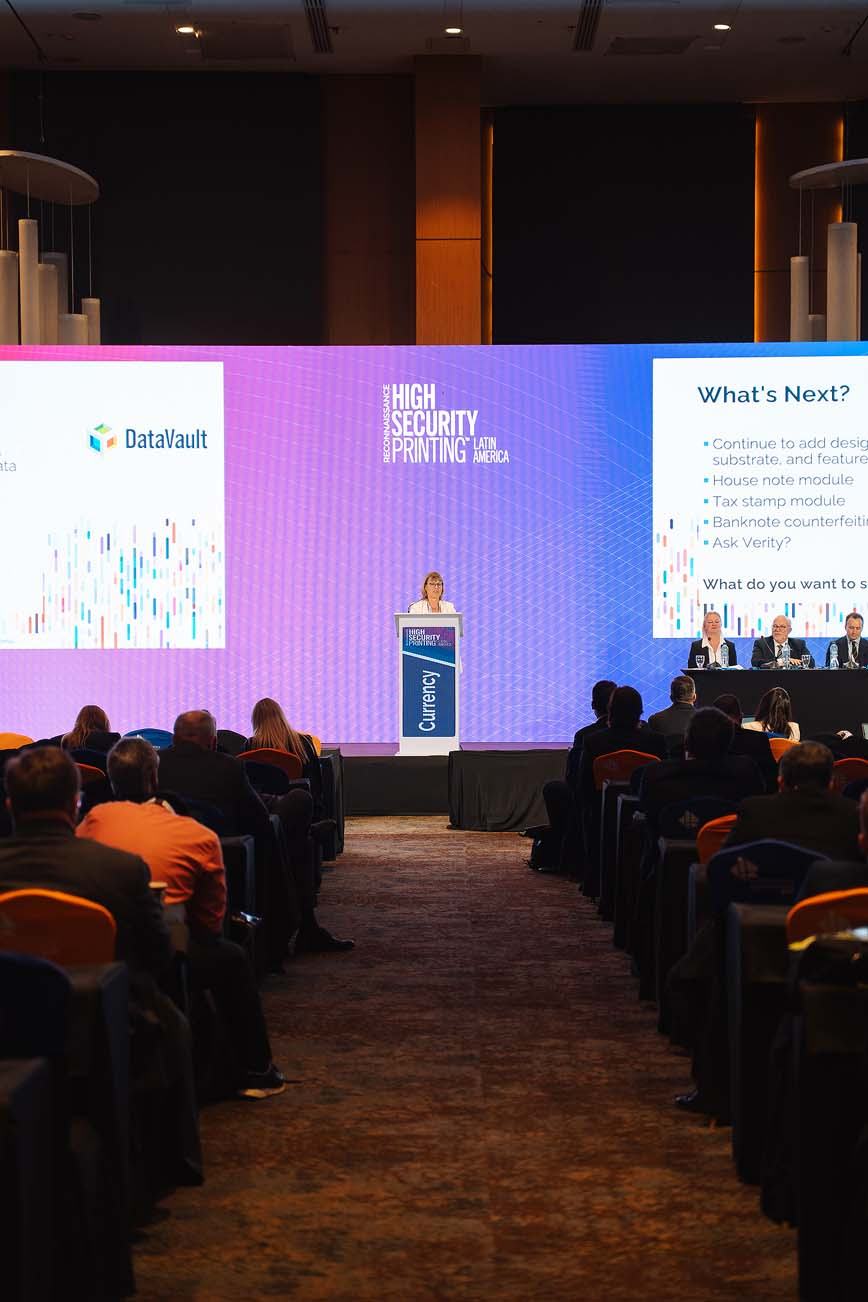
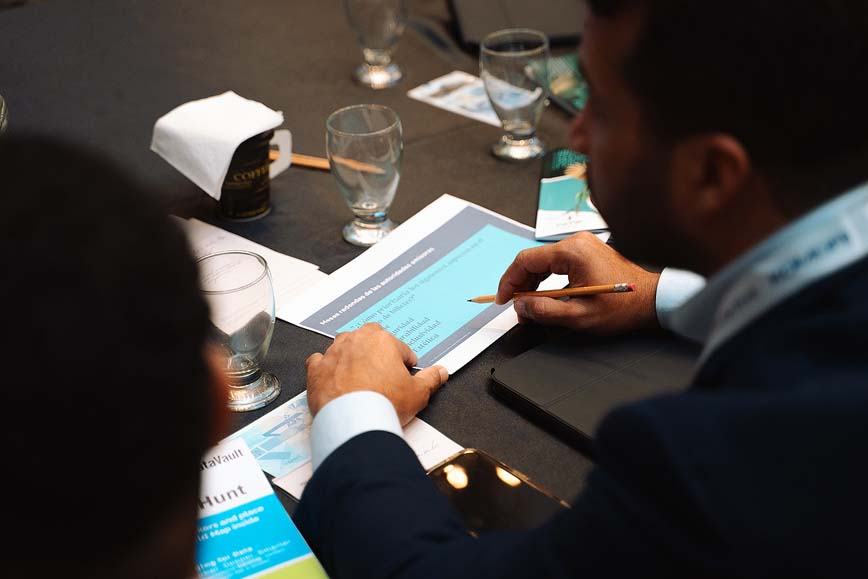
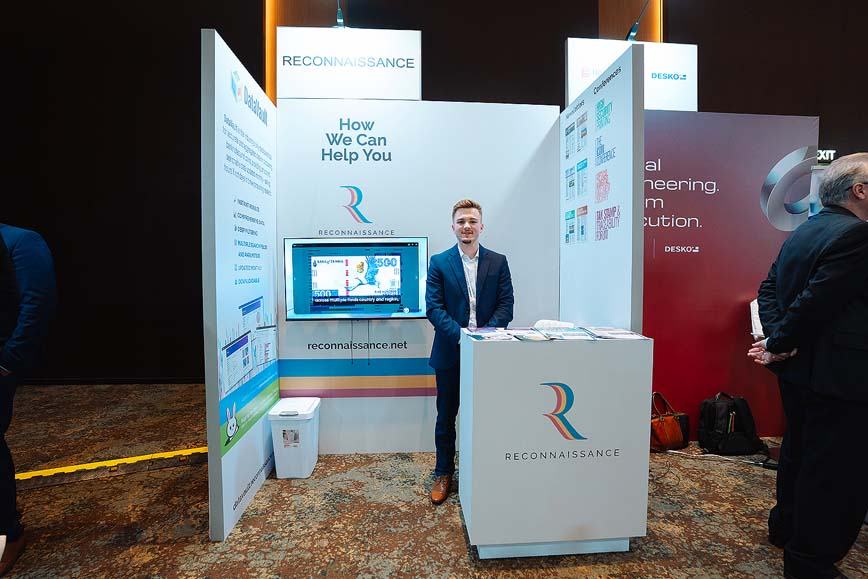
Last, but certainly not least, Astrid Mitchell of Reconnaissance presented DataVault, a new full-service research tool for the banknote and coin sectors that provides up-to-date, searchable and aggregated data on banknote and coin specifications, along with cash-in-circulation data. As she explained, DataVault is the only tool of its kind for the industry and saves hours if not days in time-consuming research by providing trends and answers on designs, features, substrates and circulation data across multiple countries and currencies in near real-time.
DSC 0715

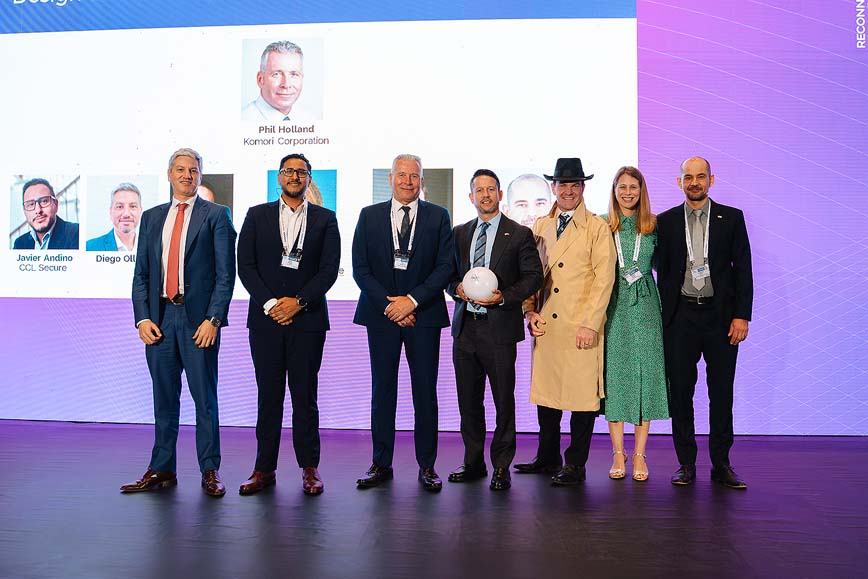
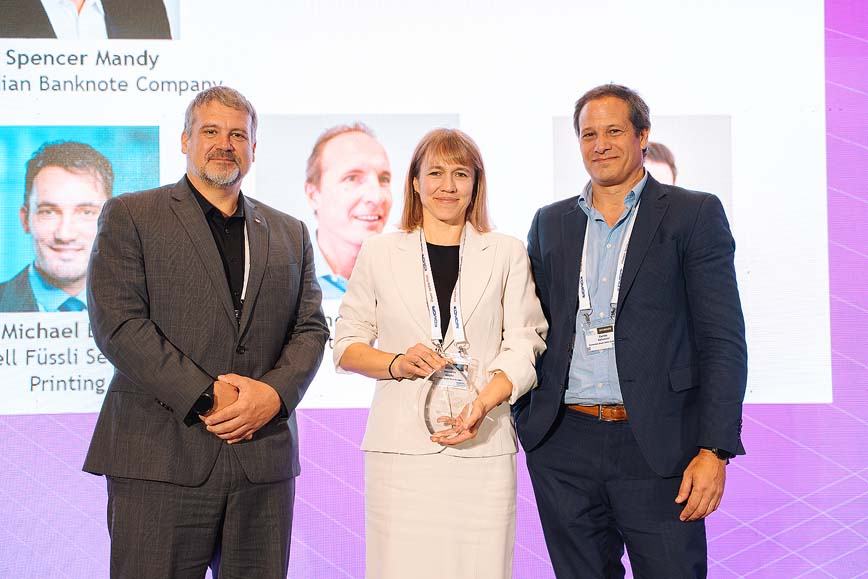
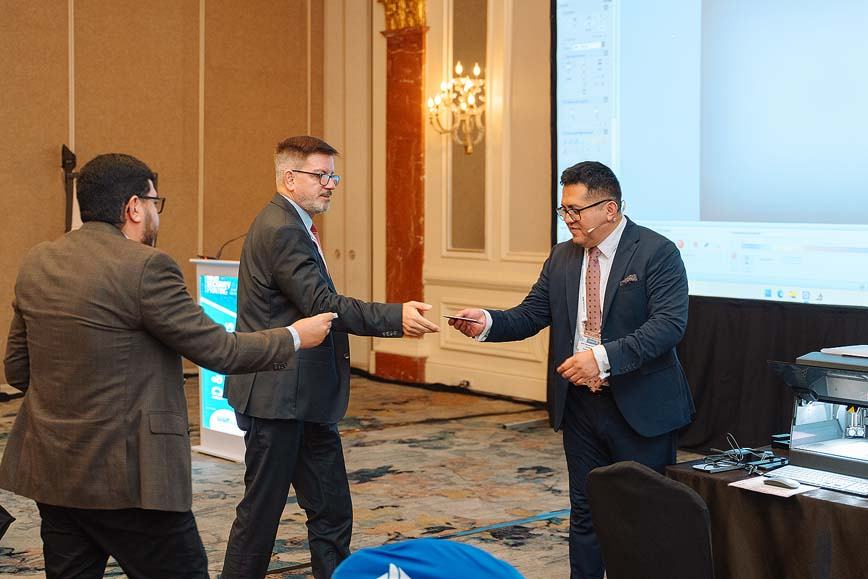
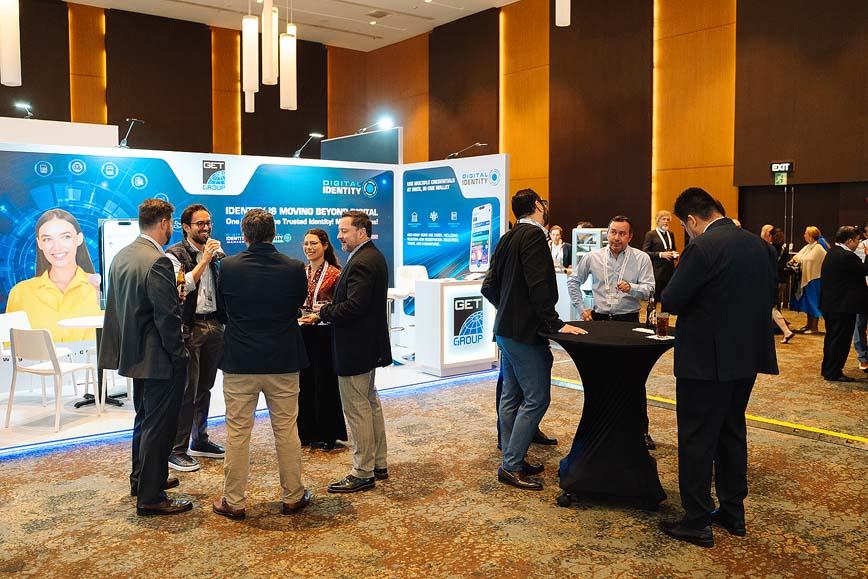
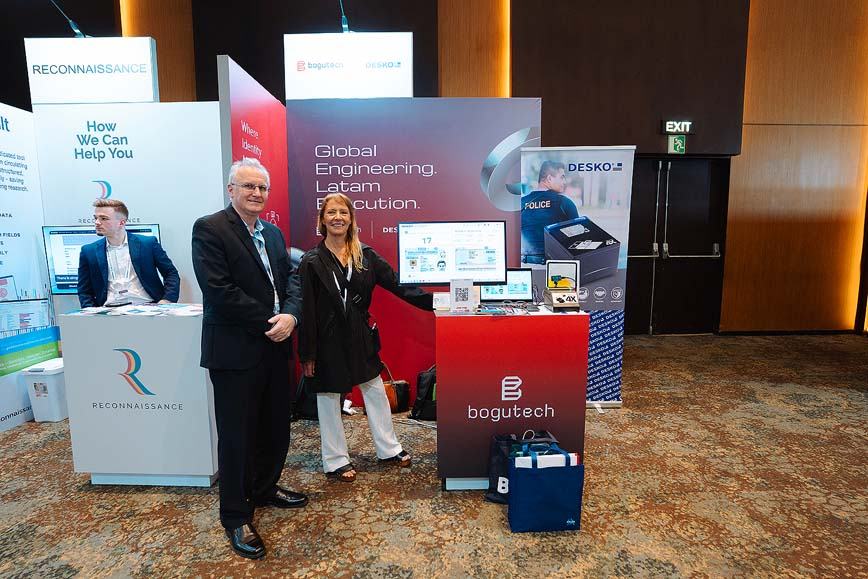
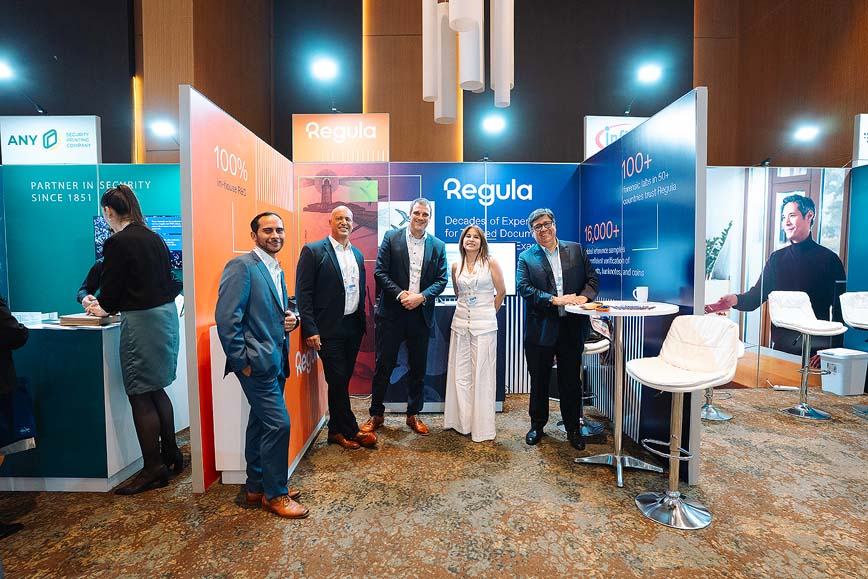
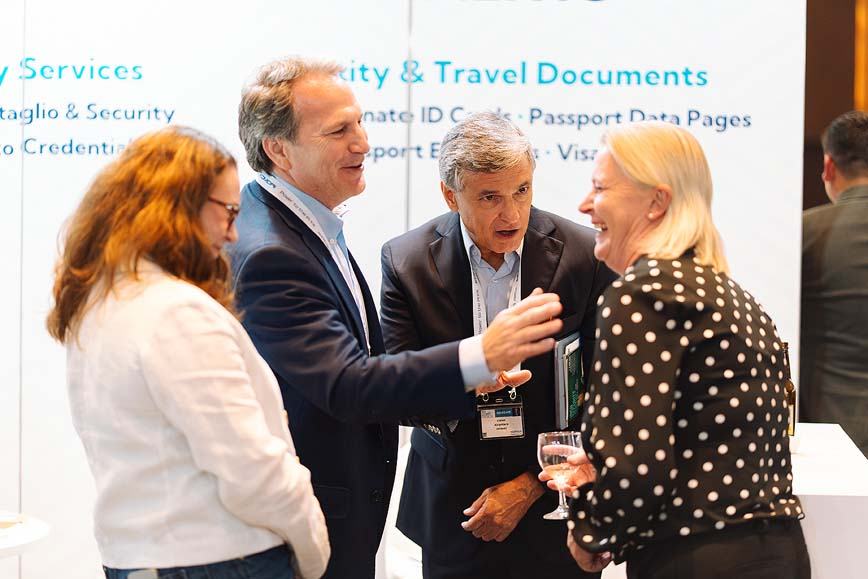
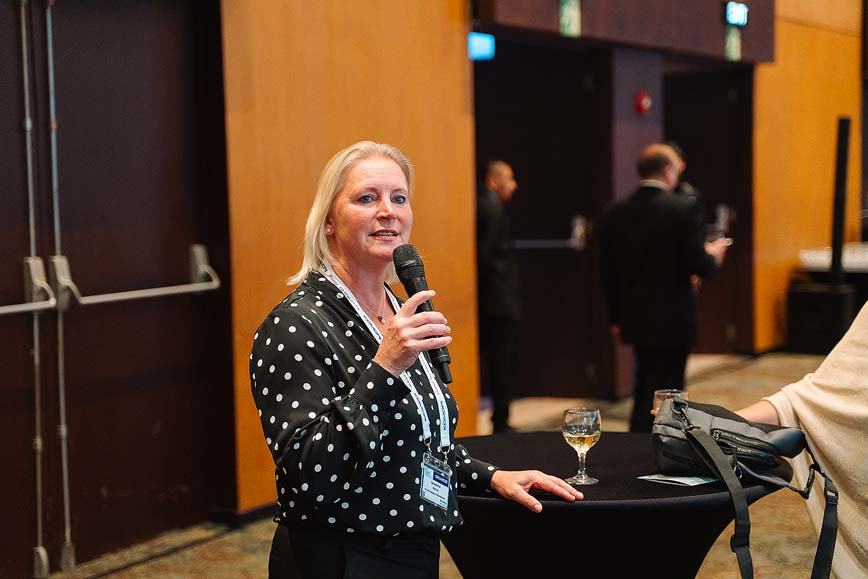
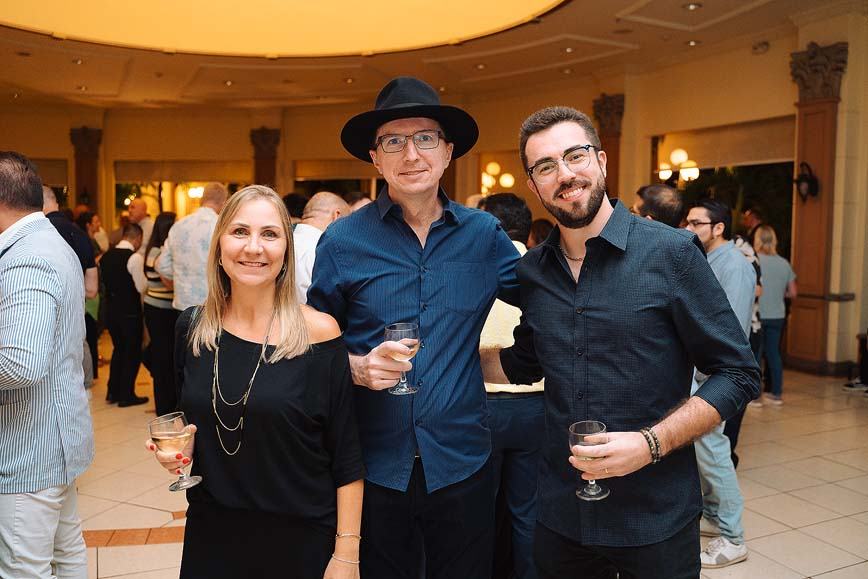
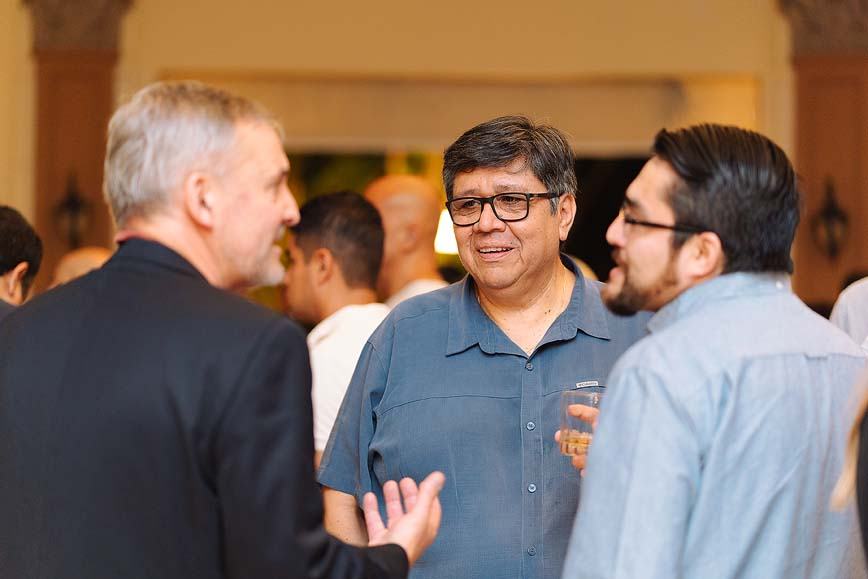
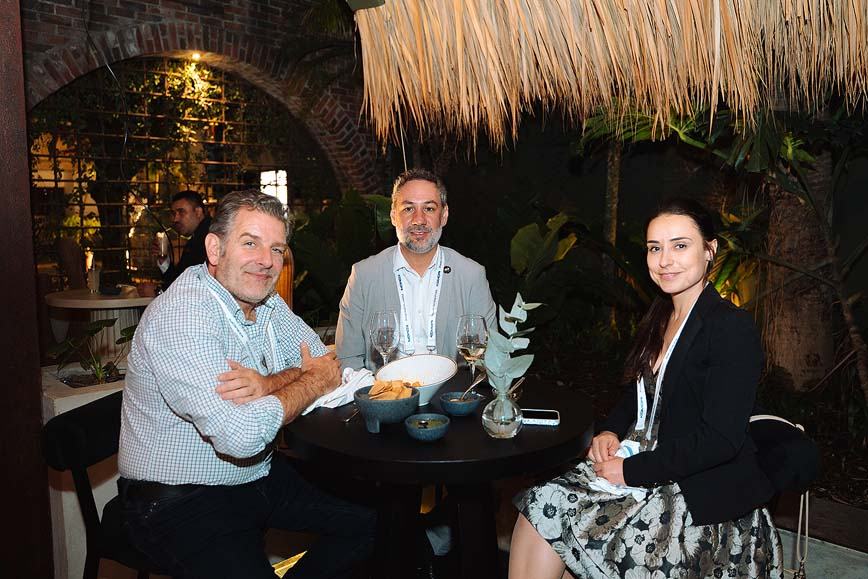
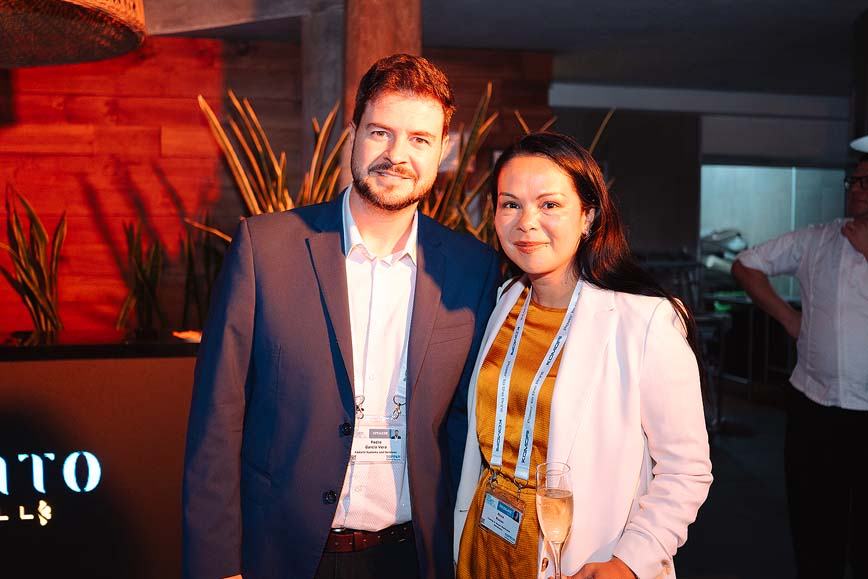
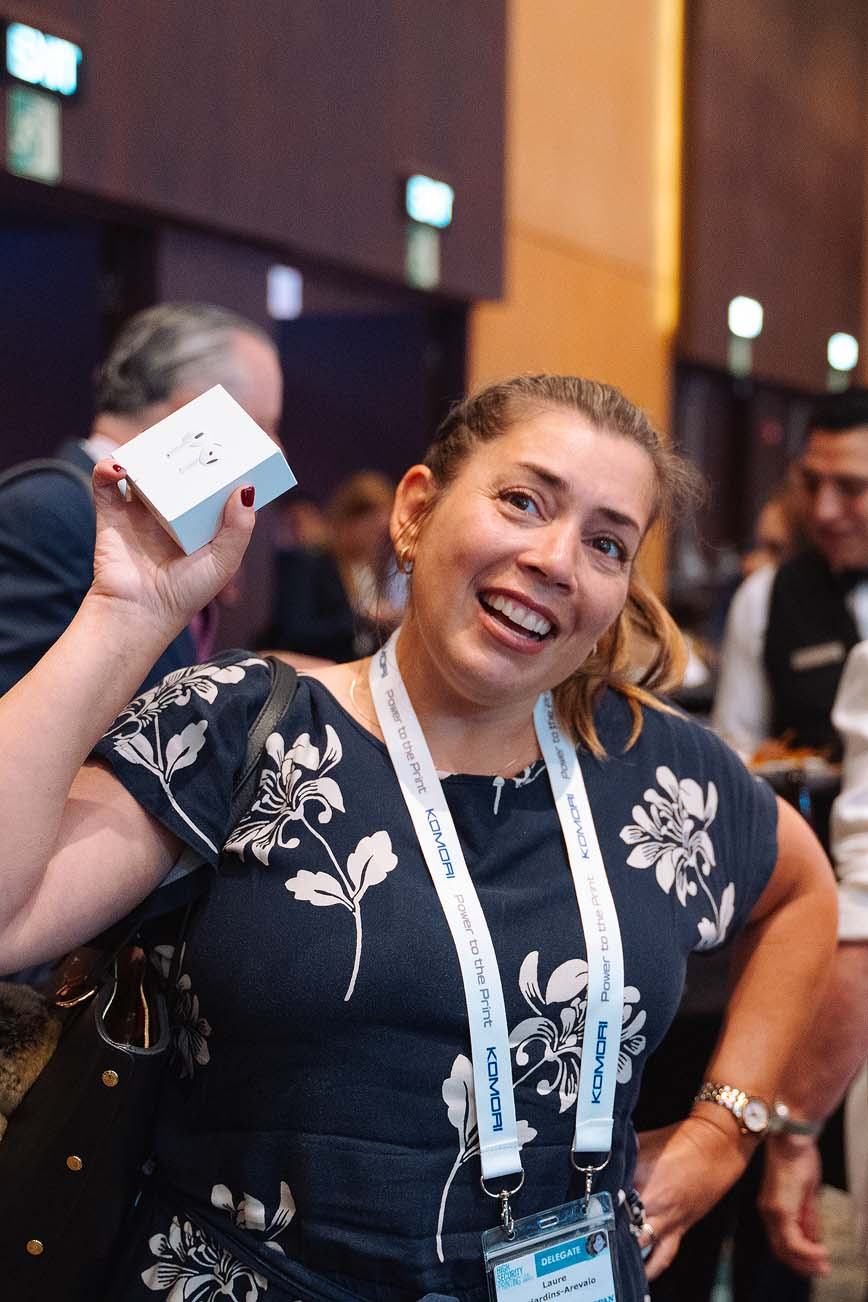
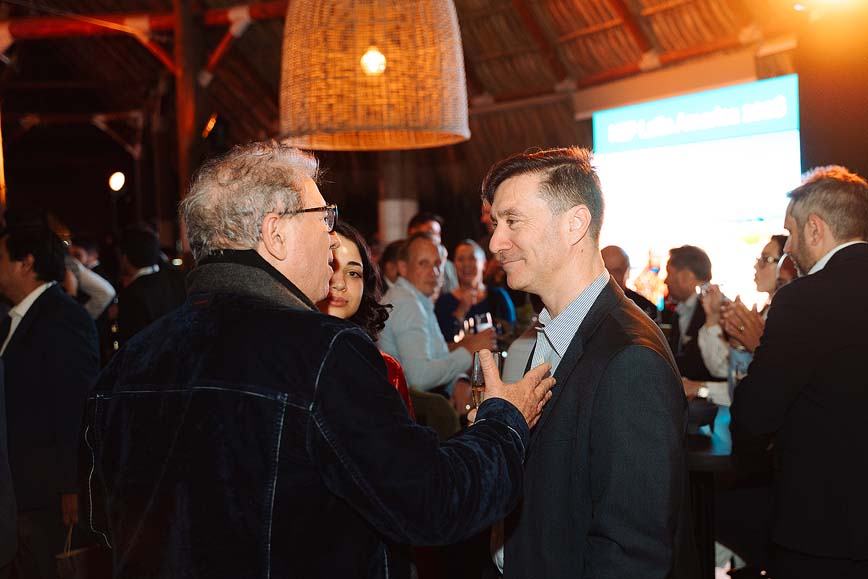
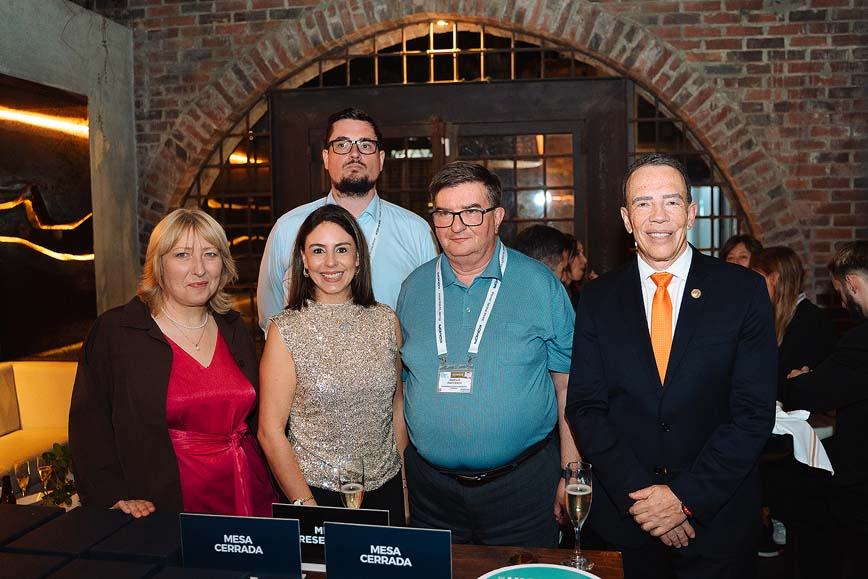
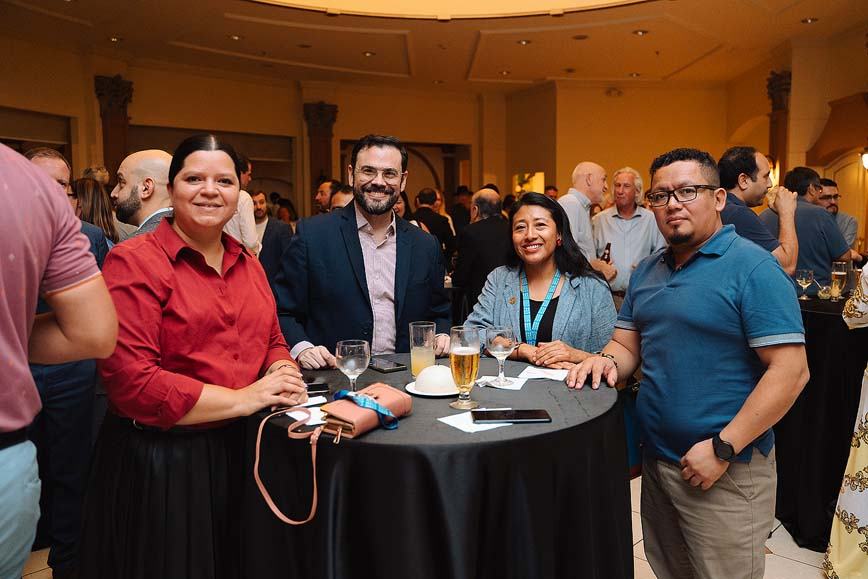
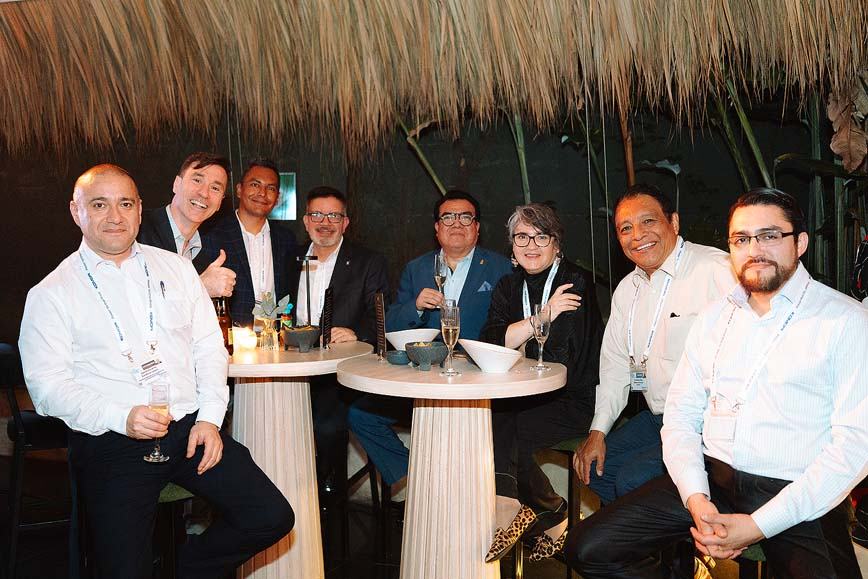
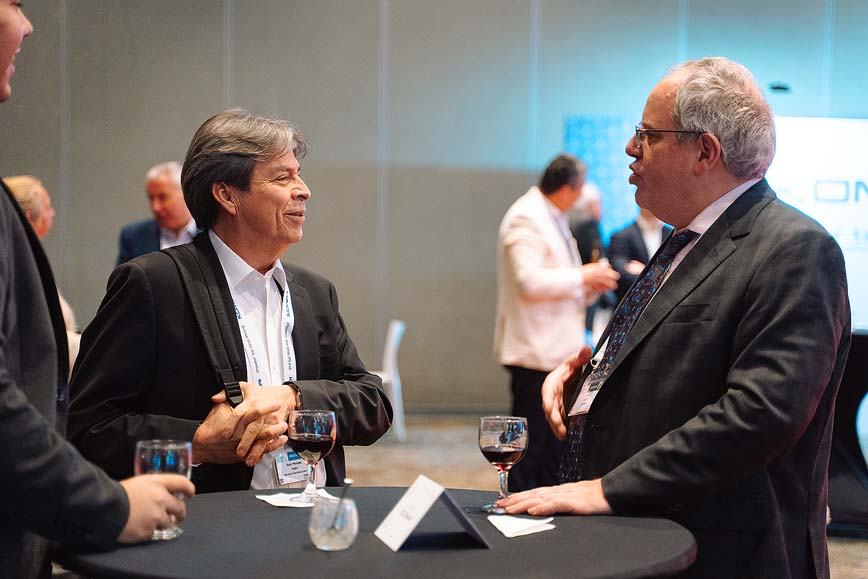
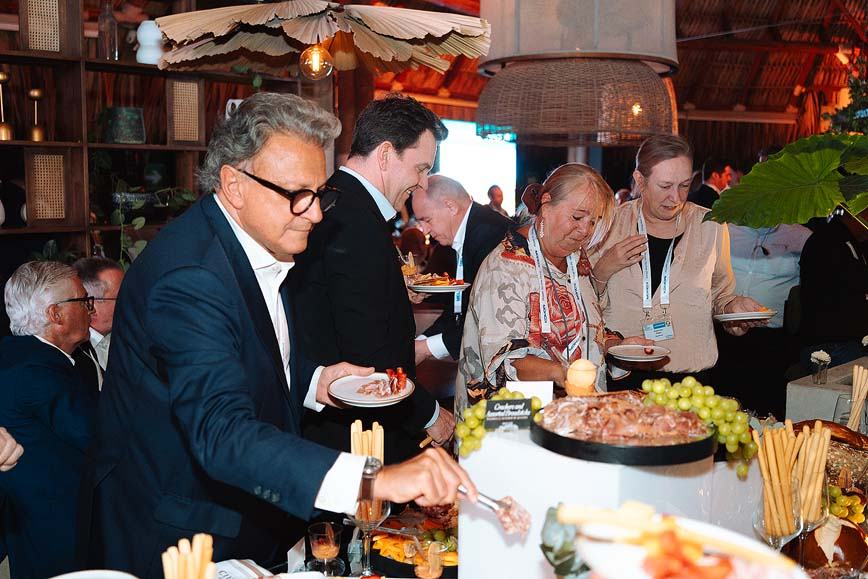
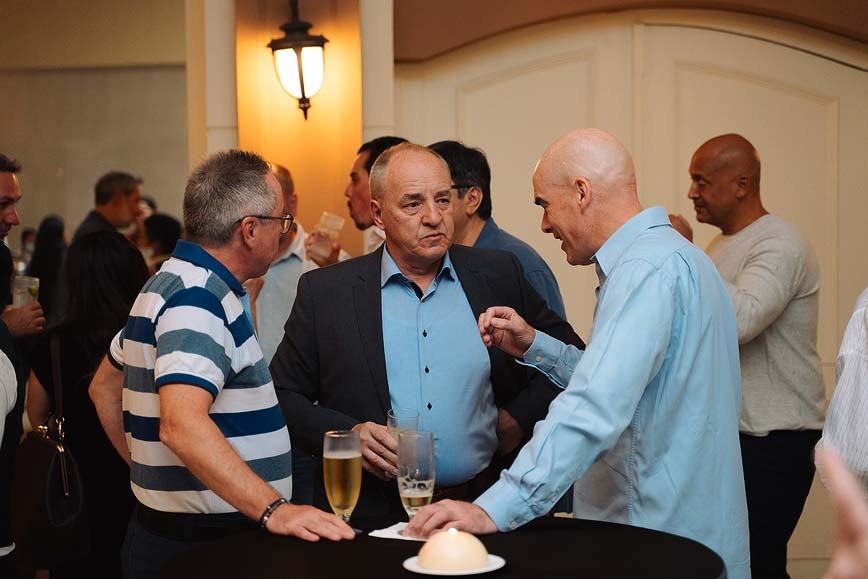
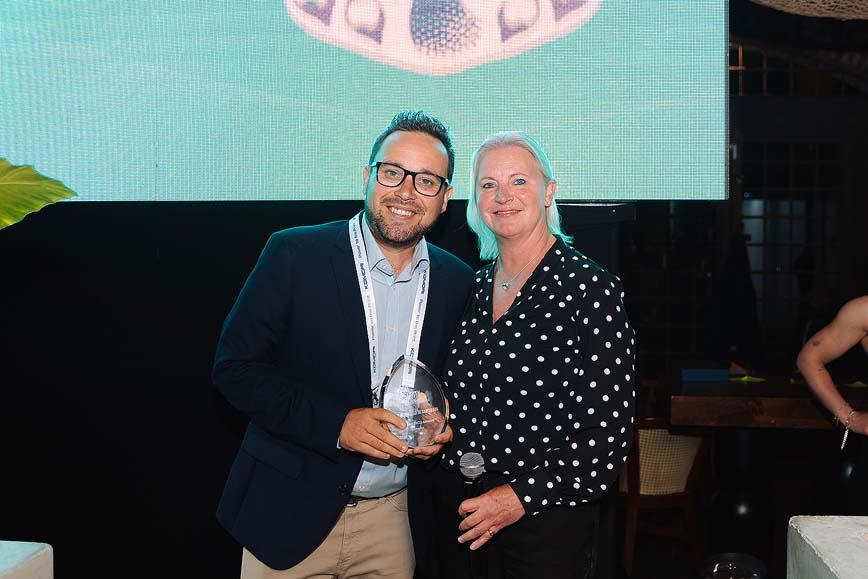
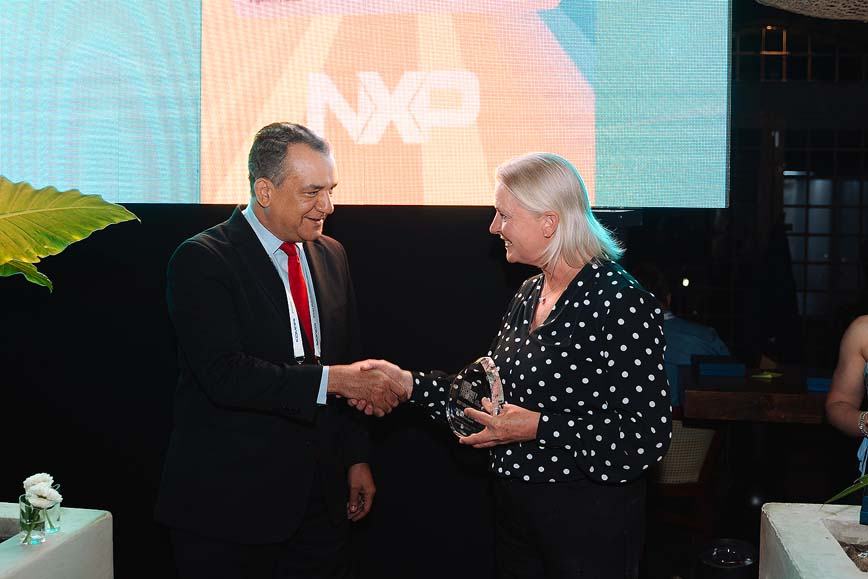
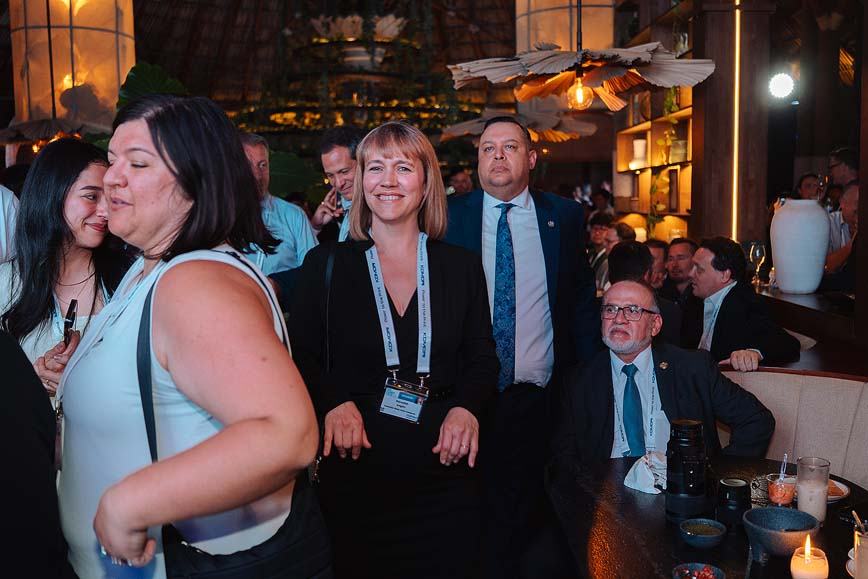
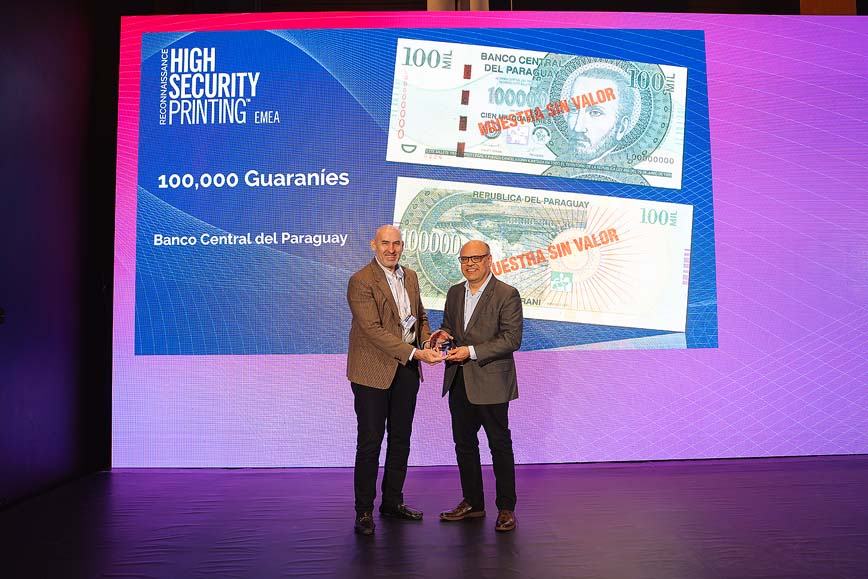
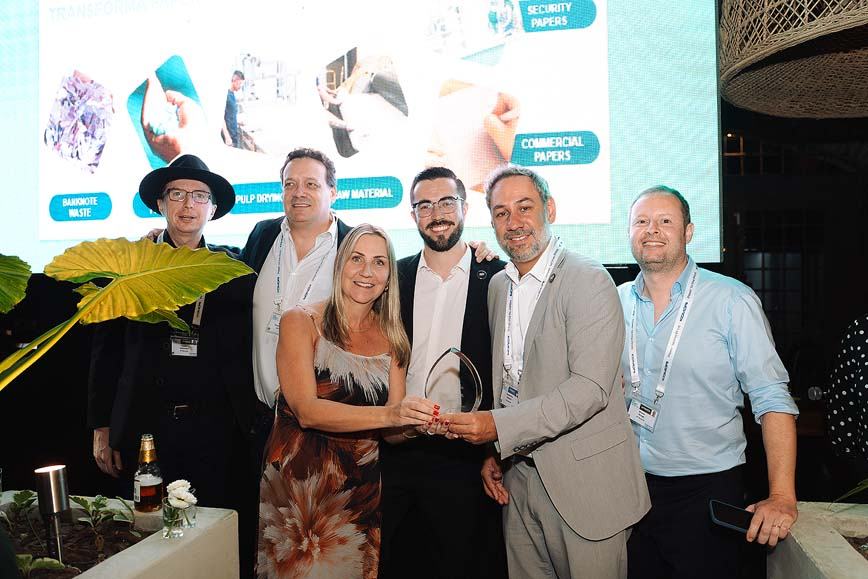
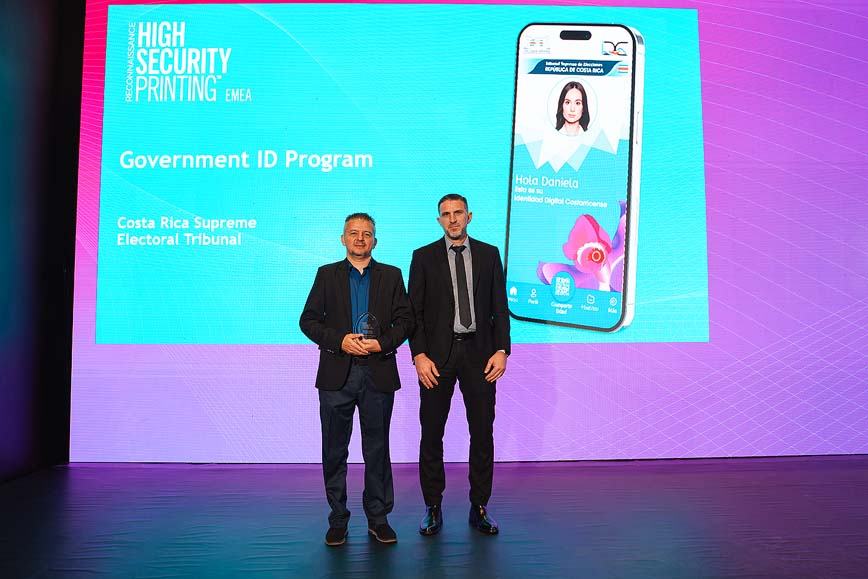
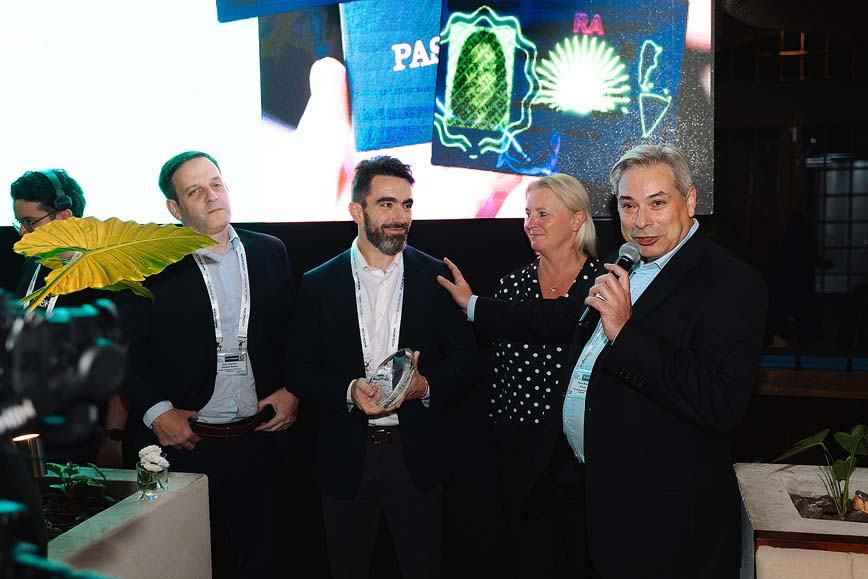
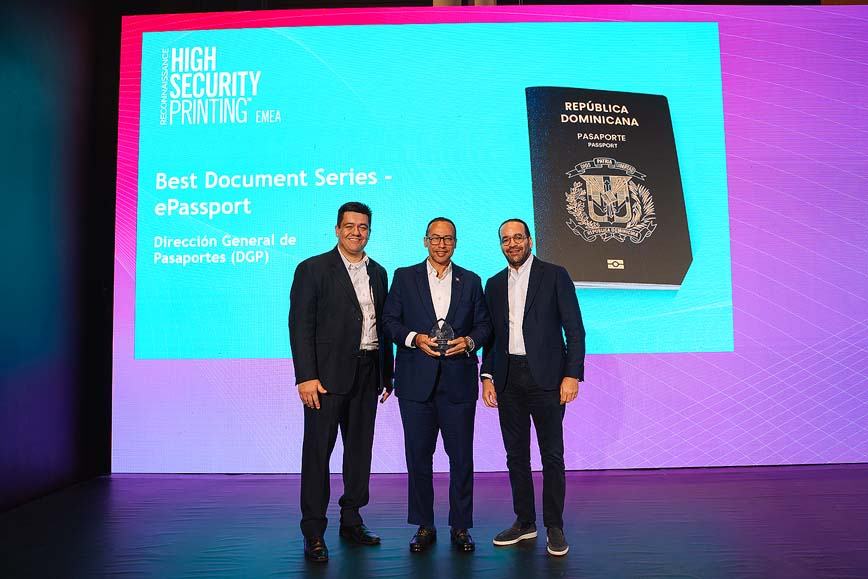
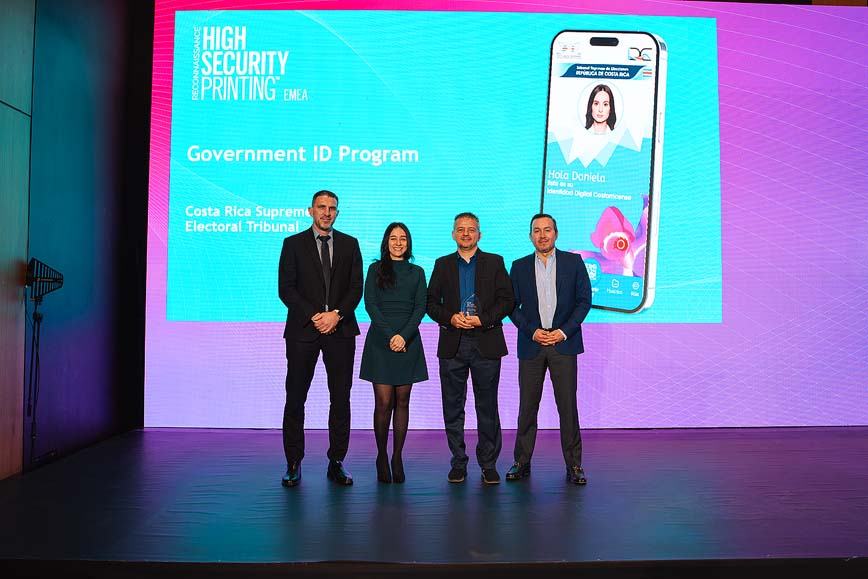
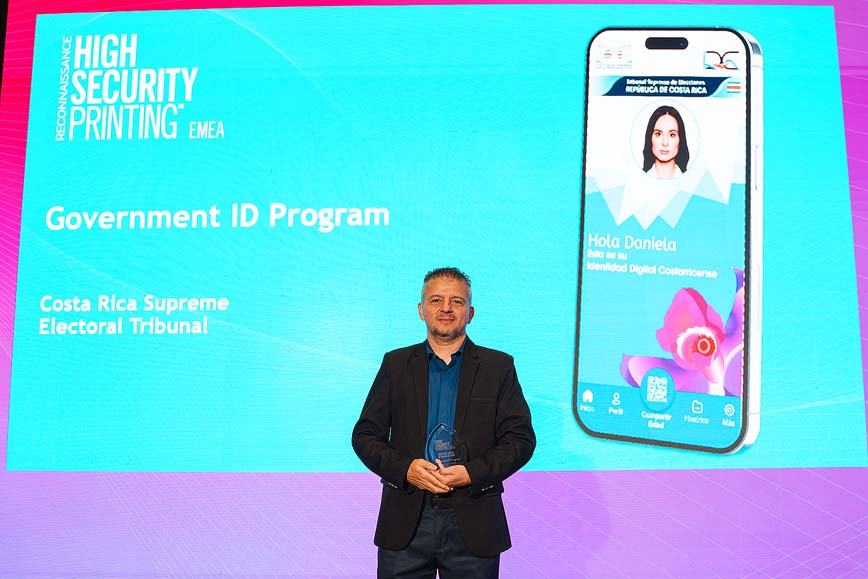
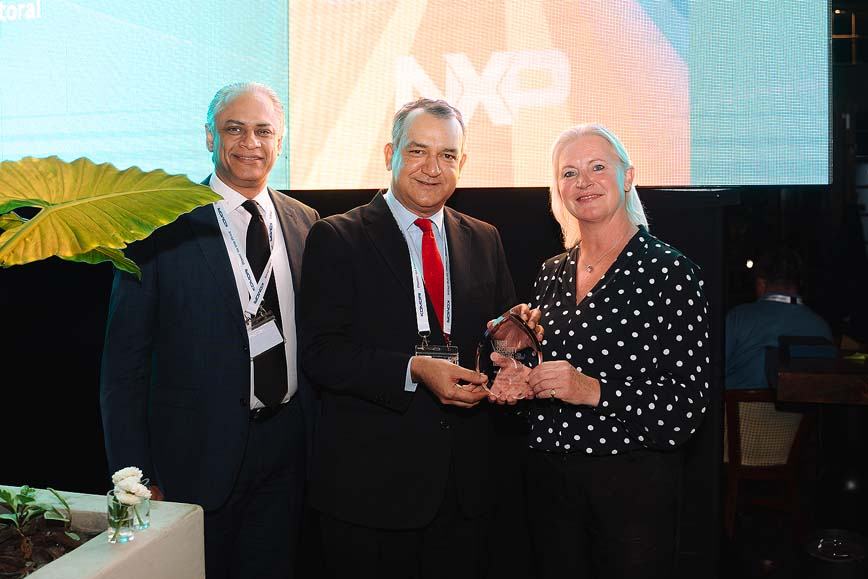
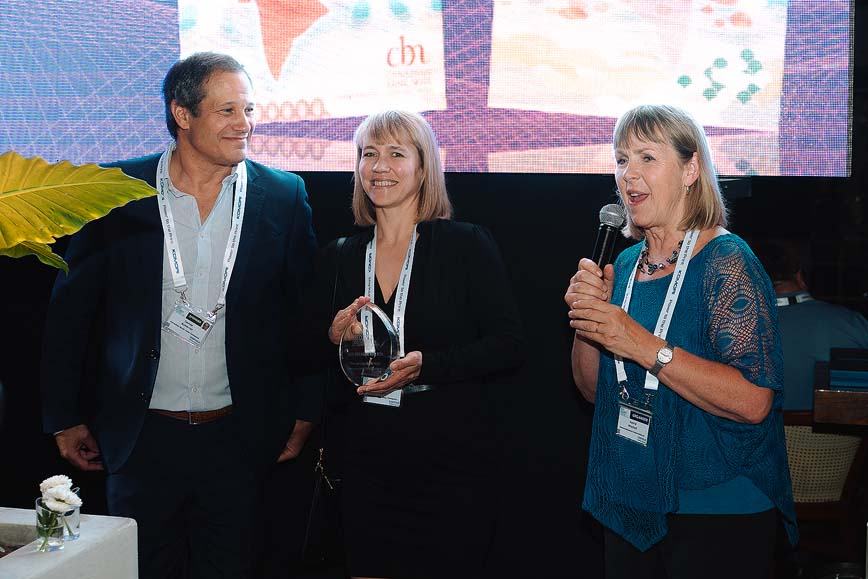
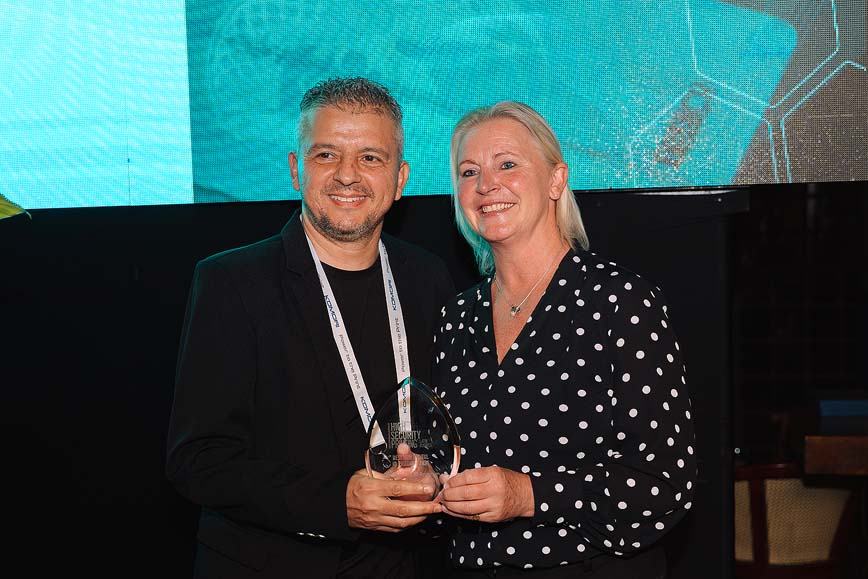
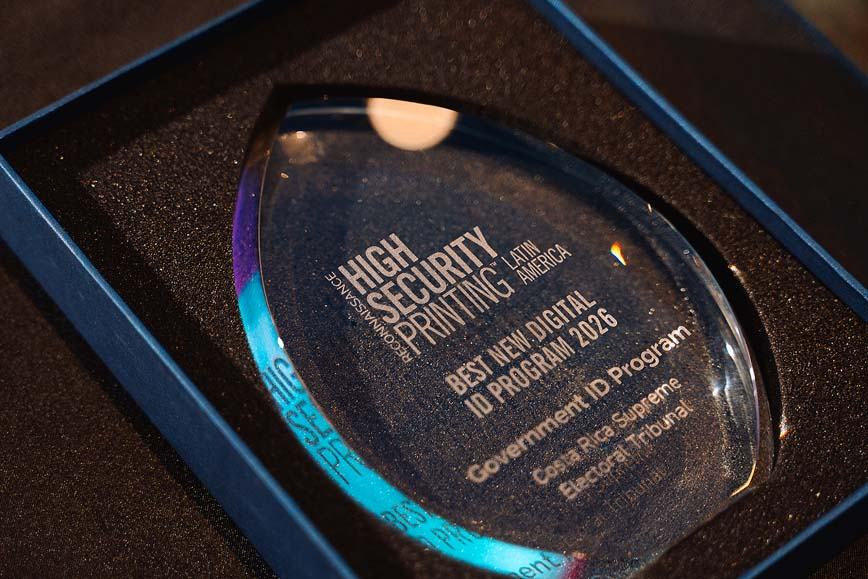
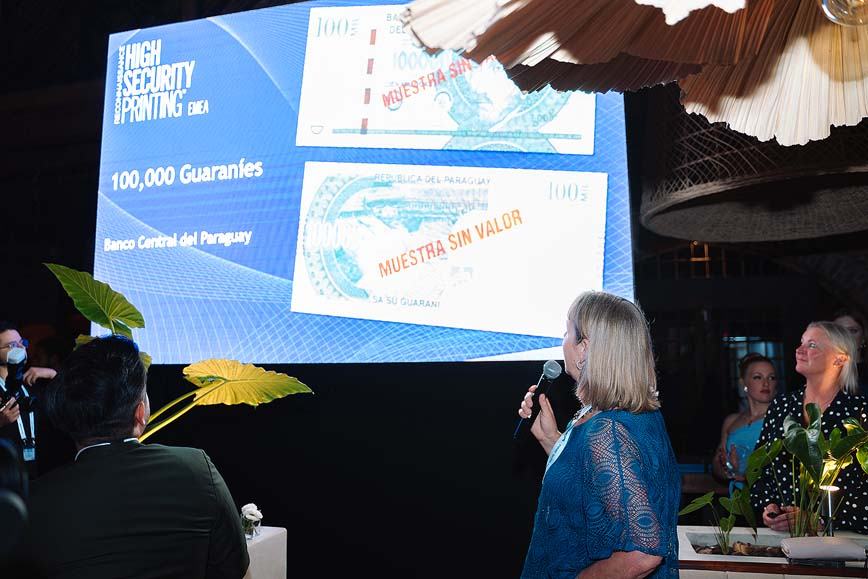
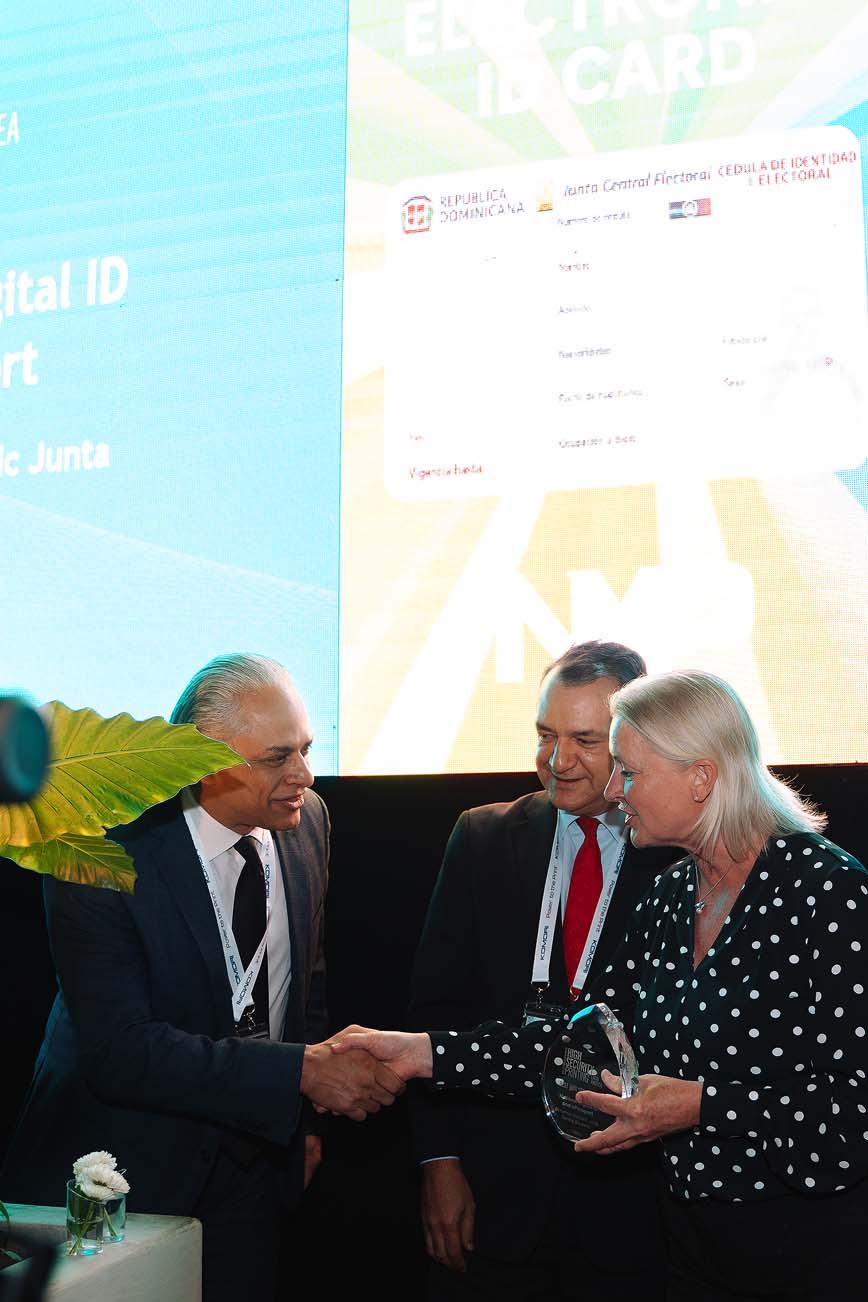
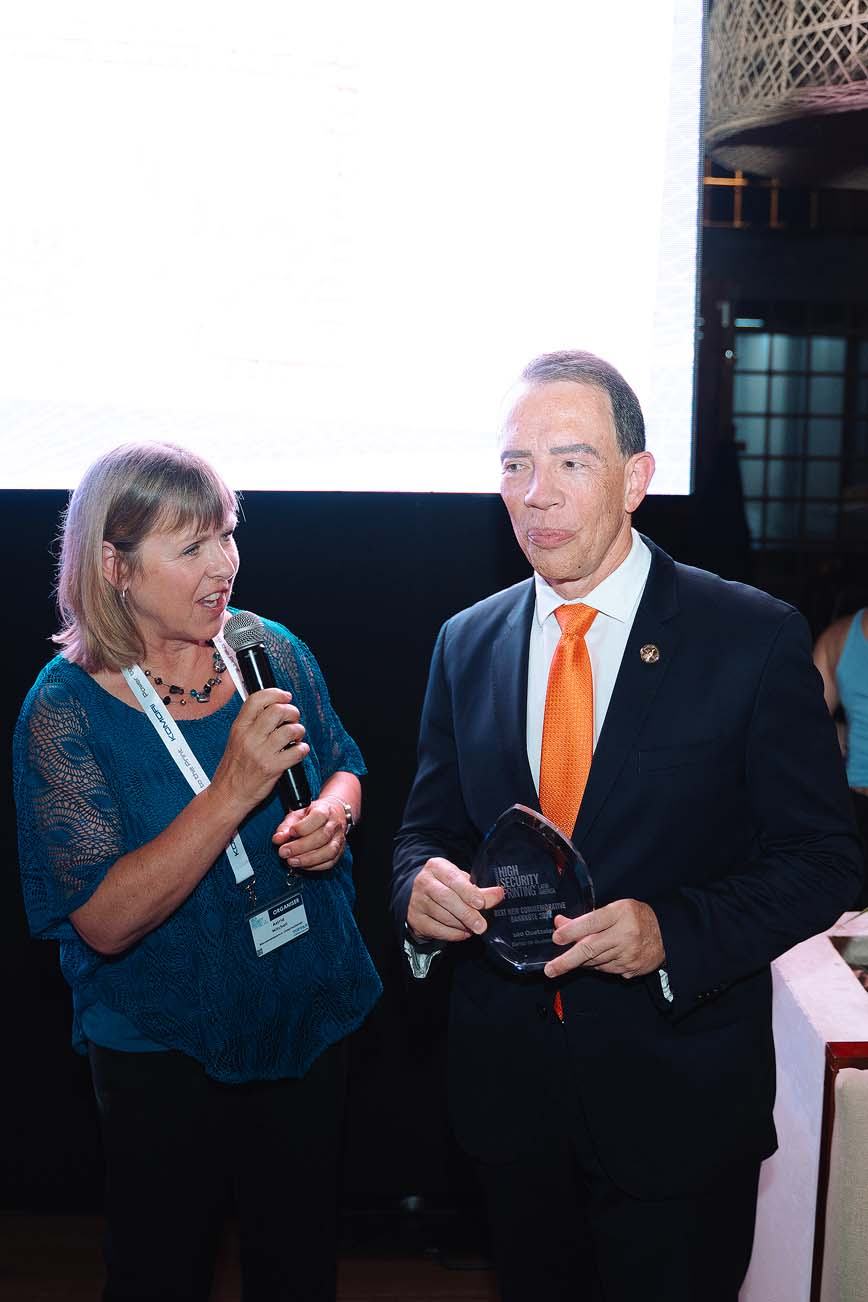
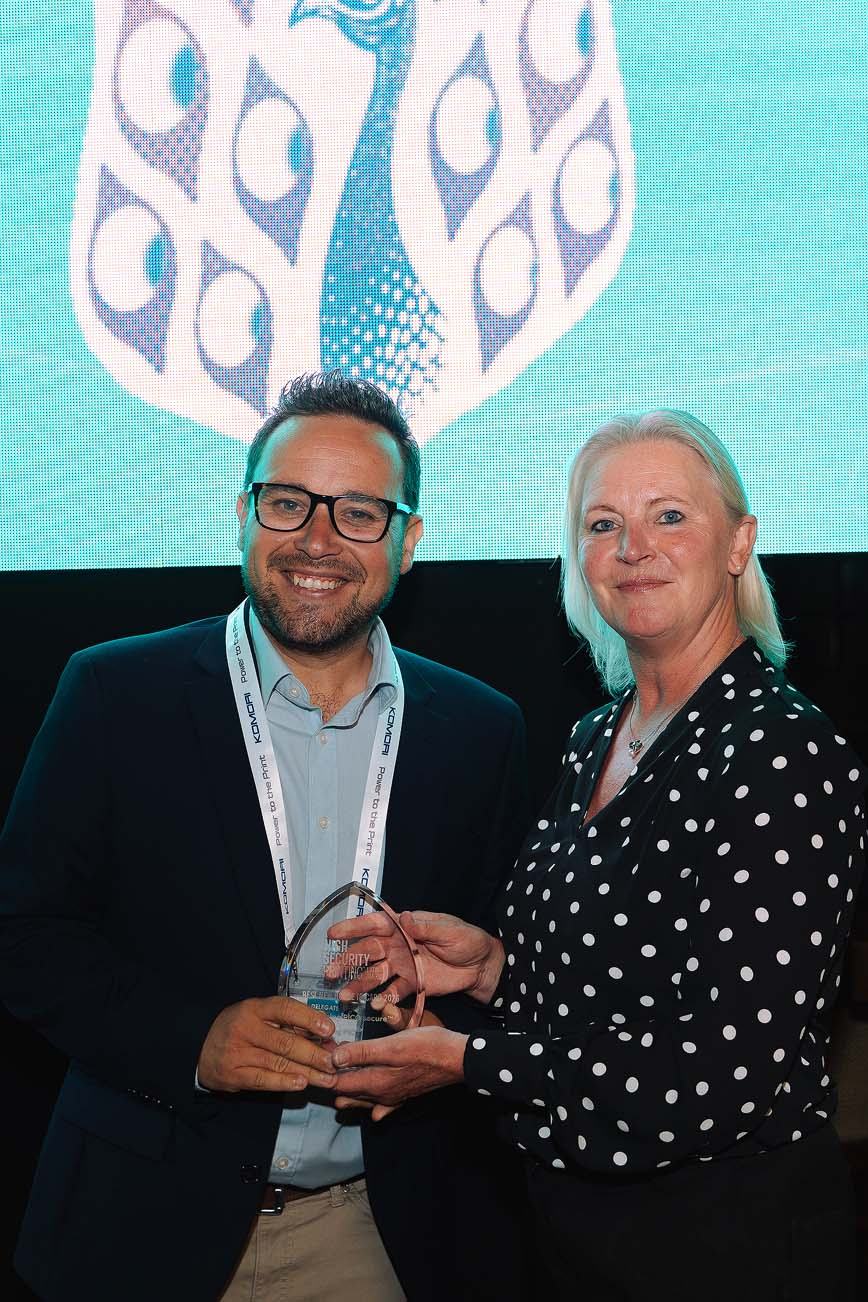
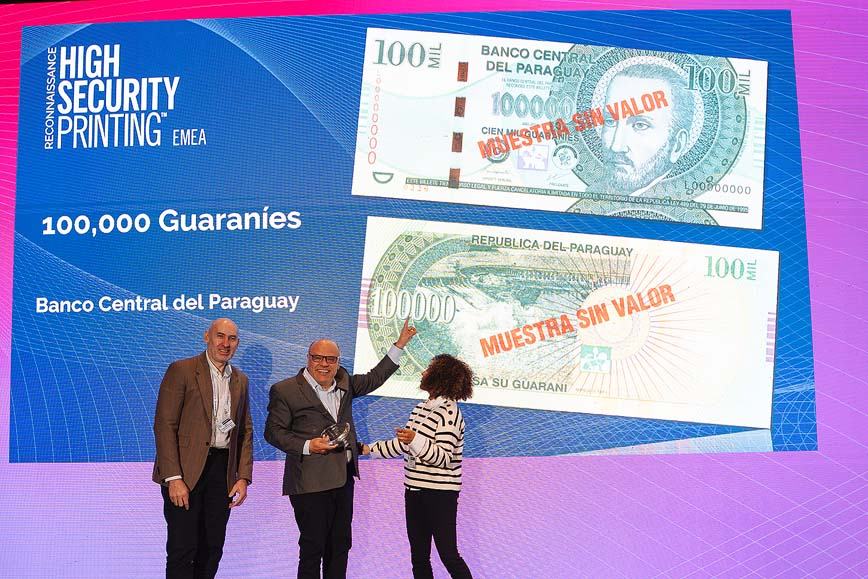
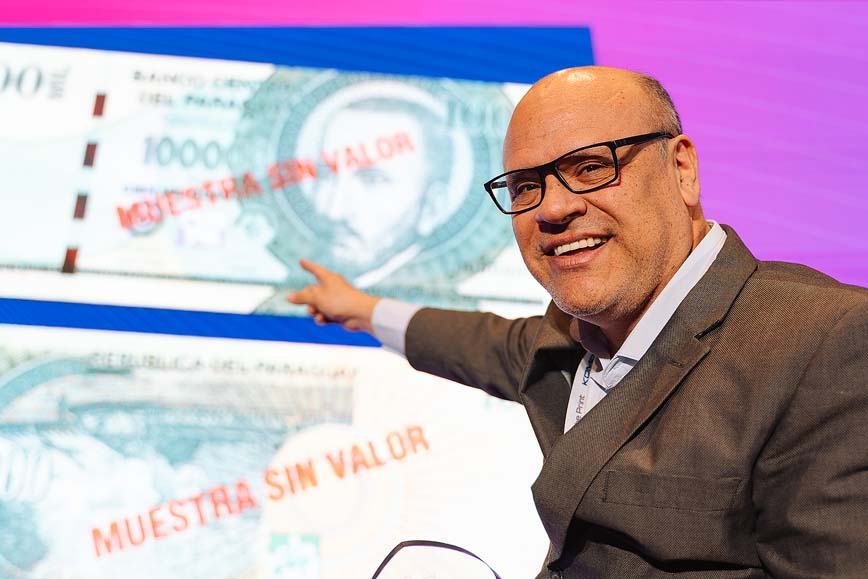
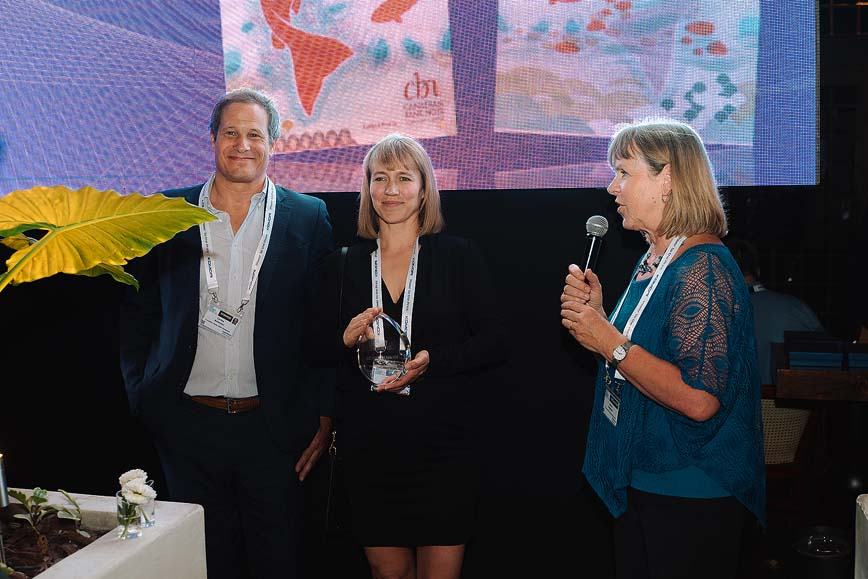
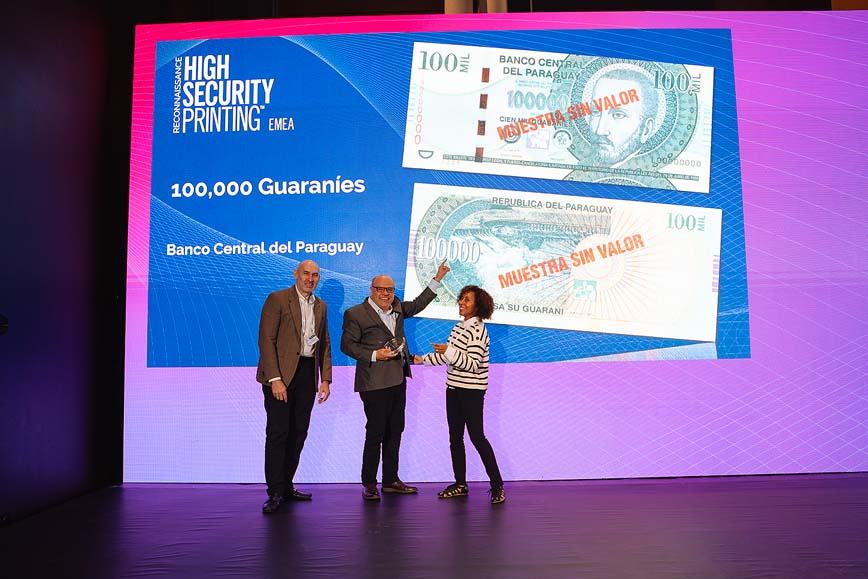
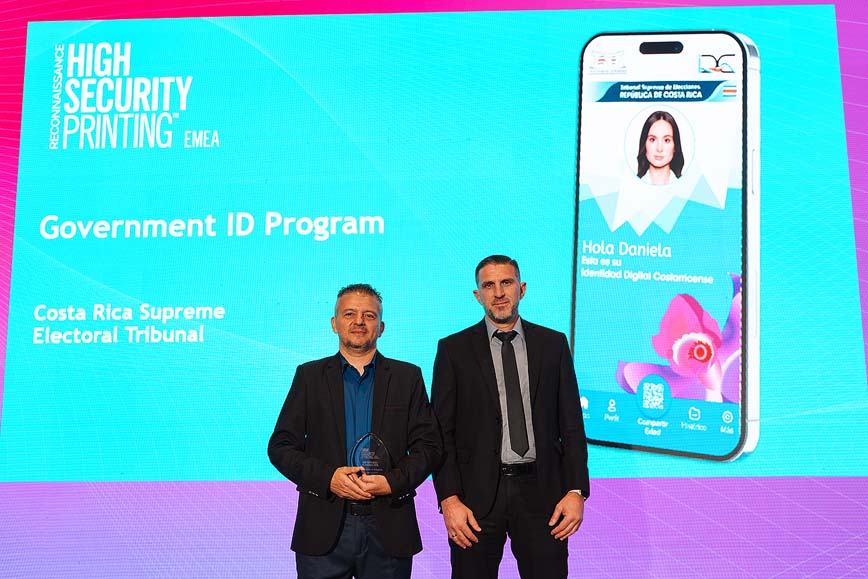
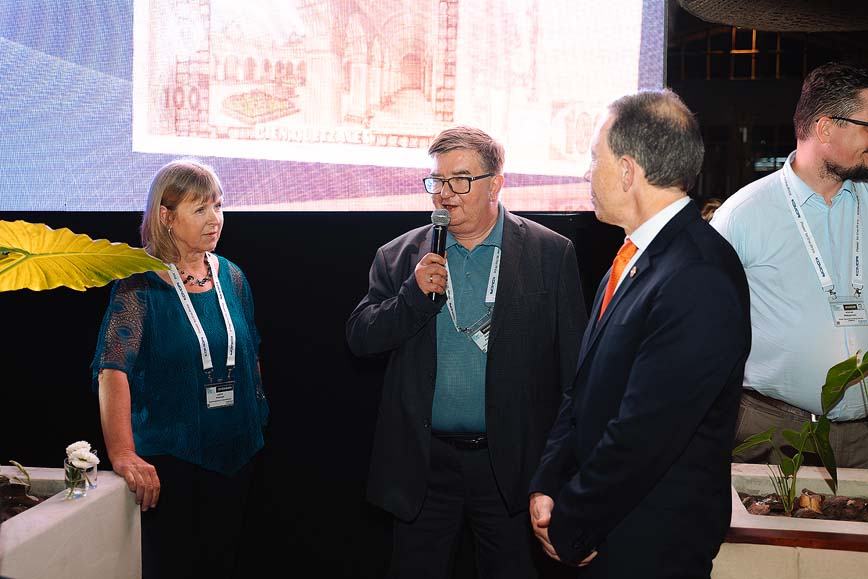
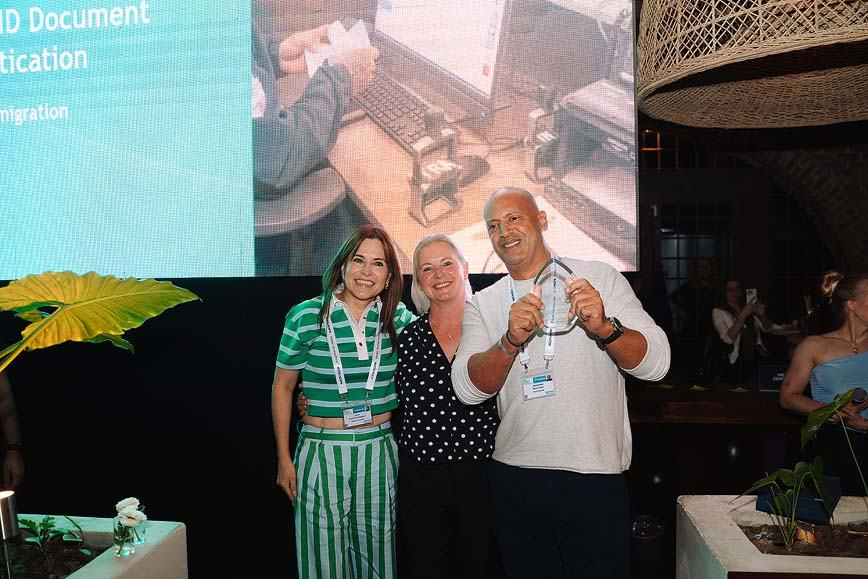
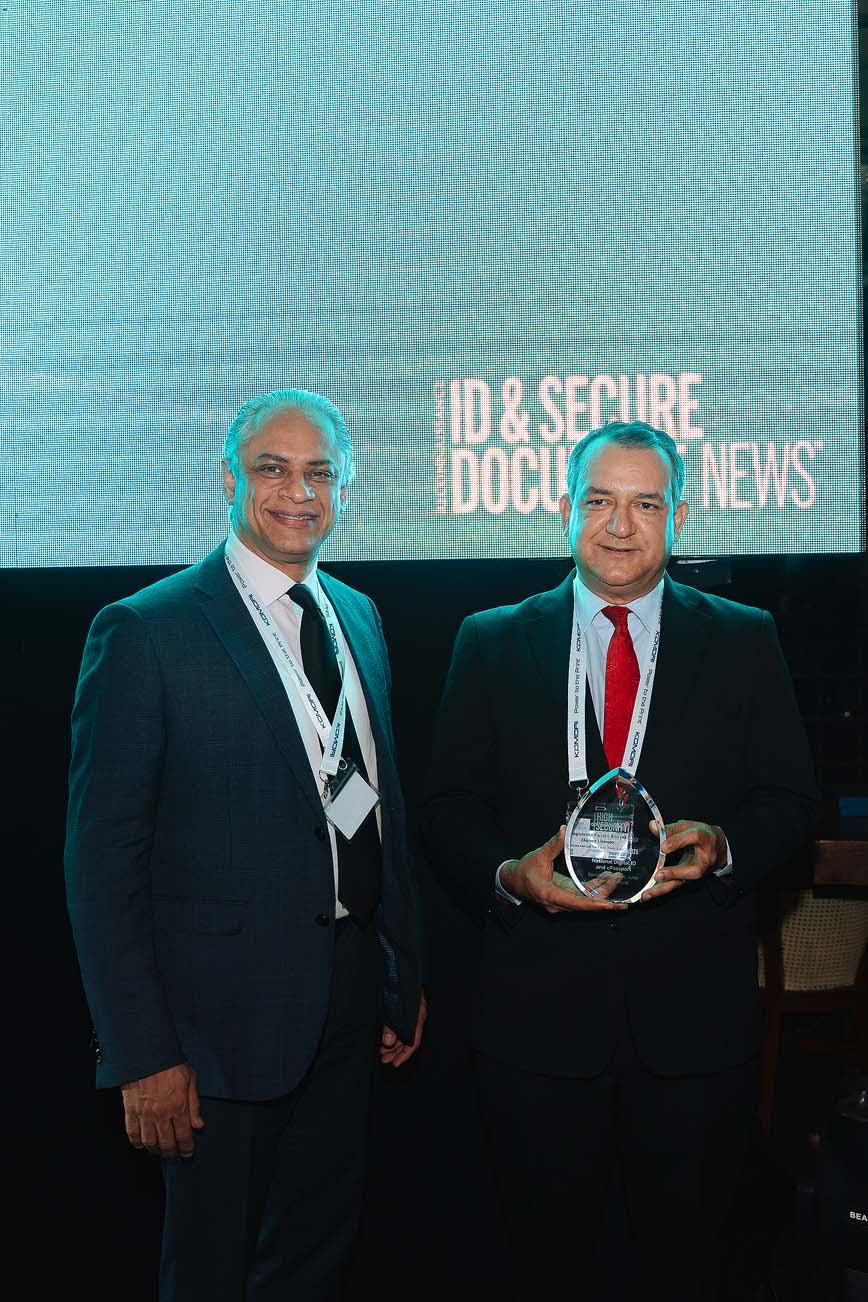
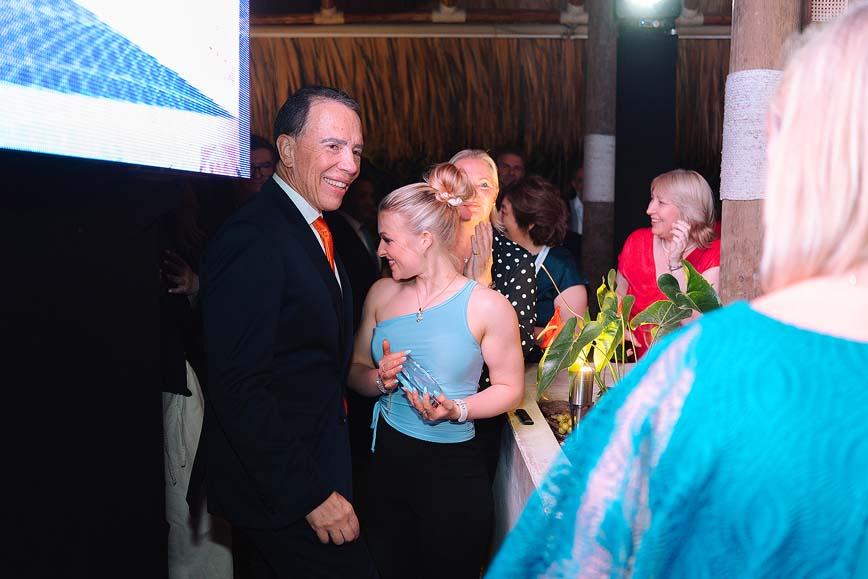
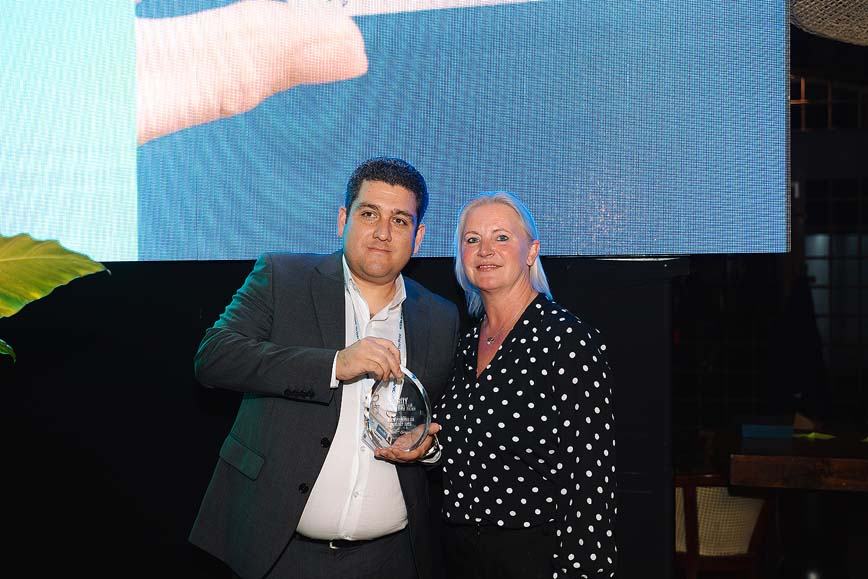
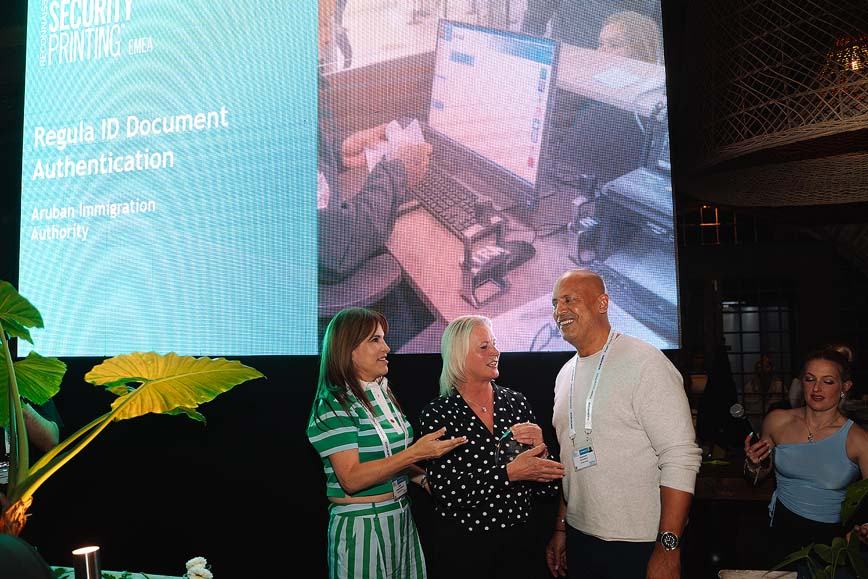
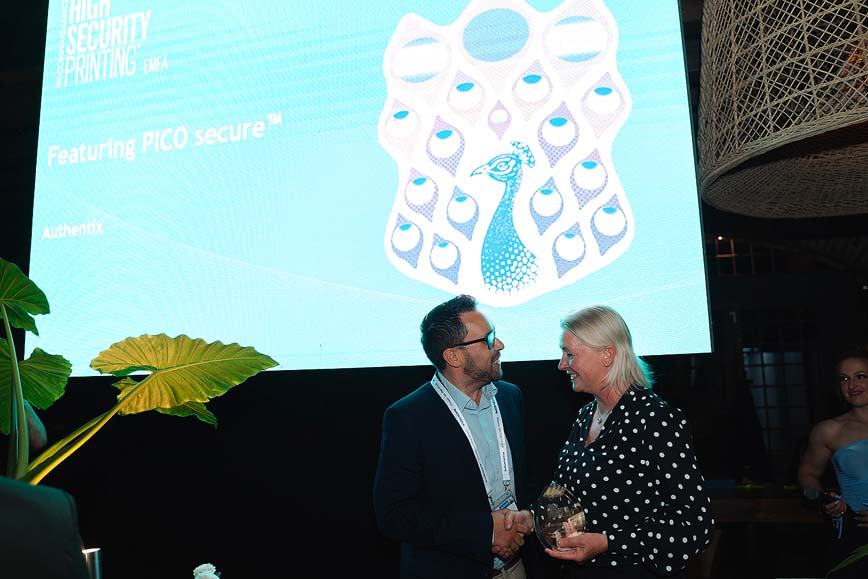
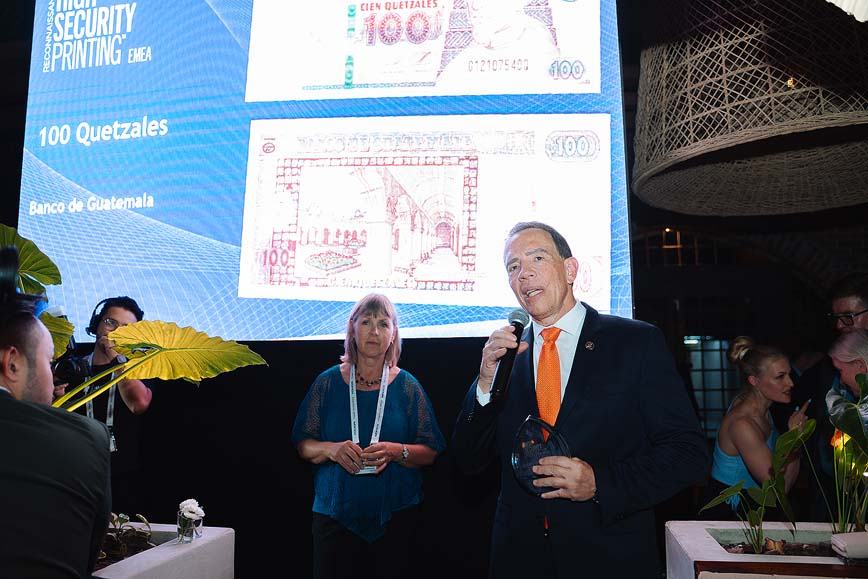
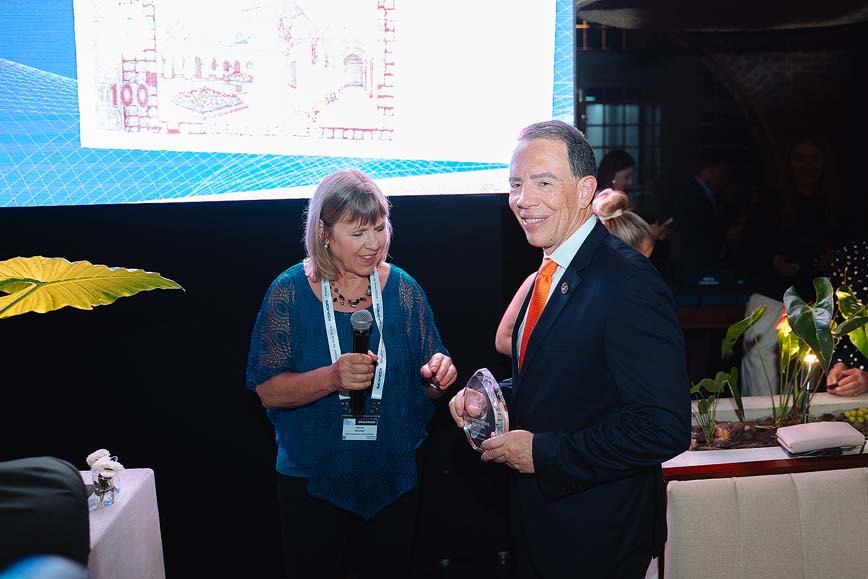
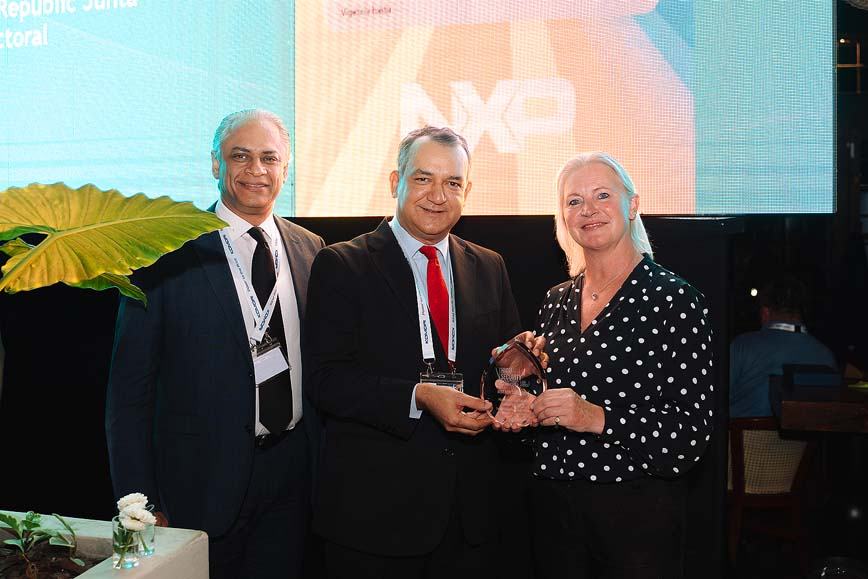
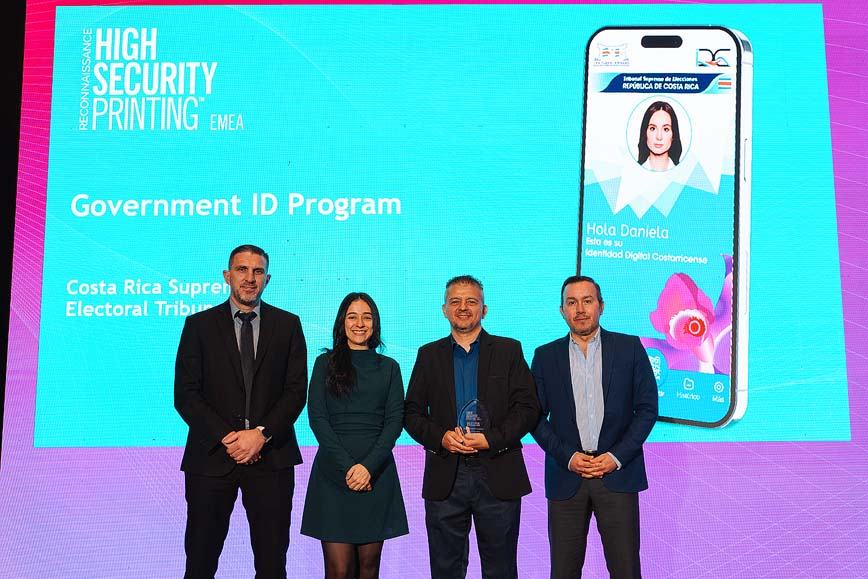
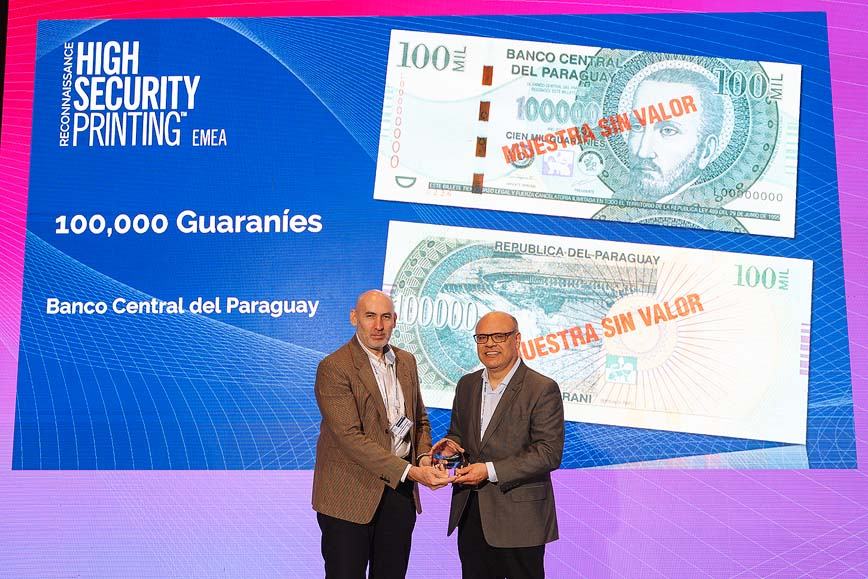
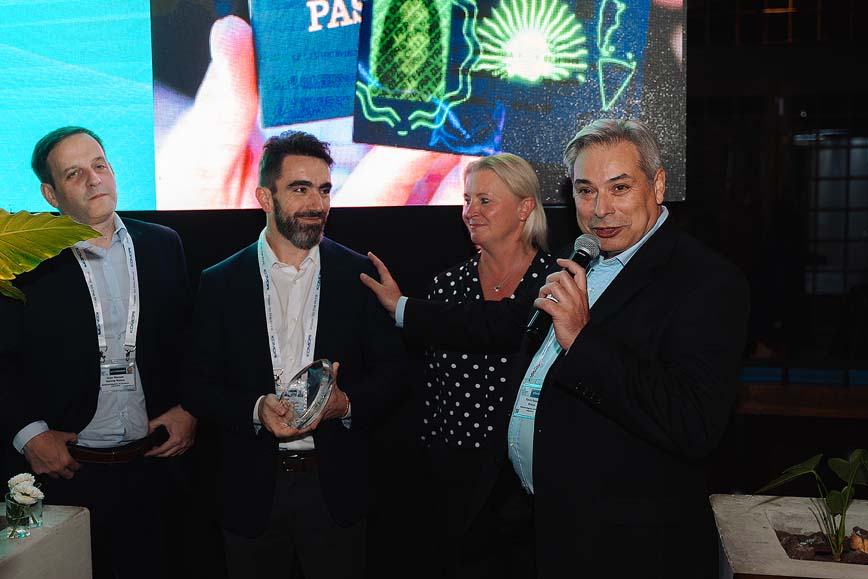
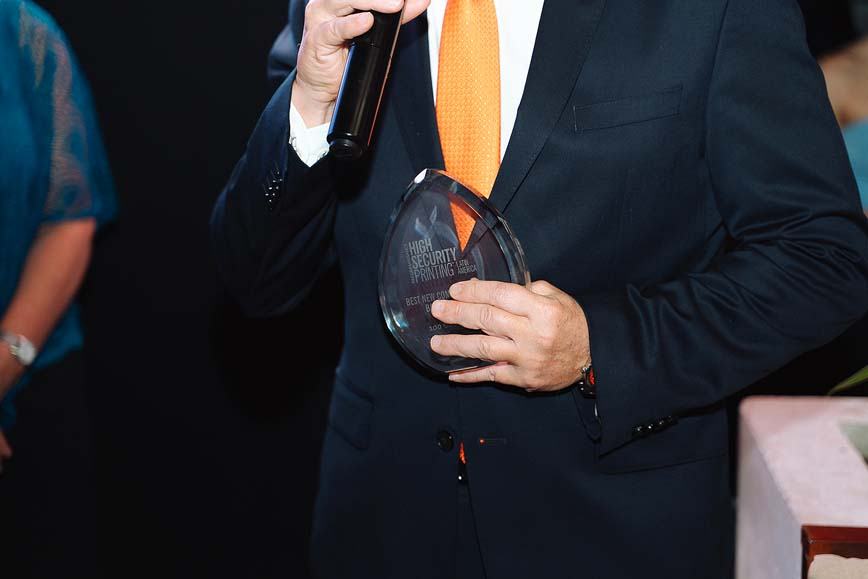
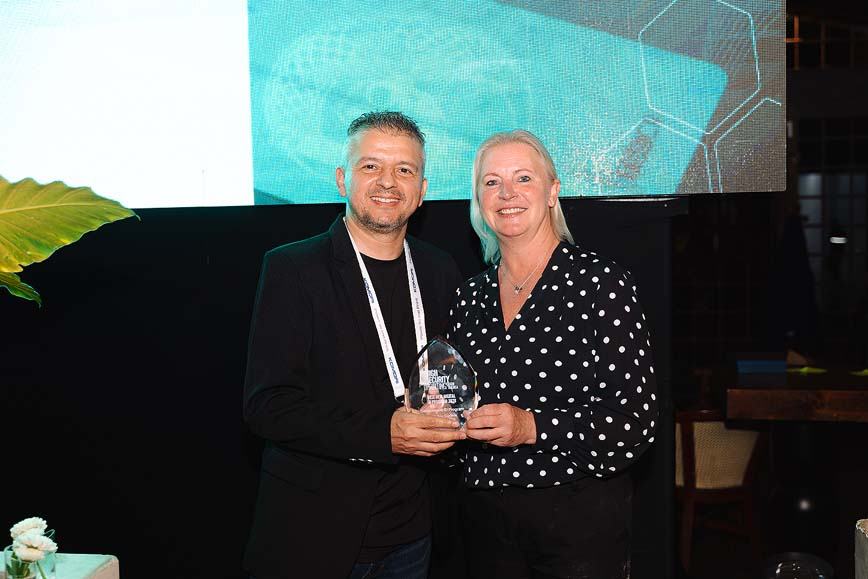
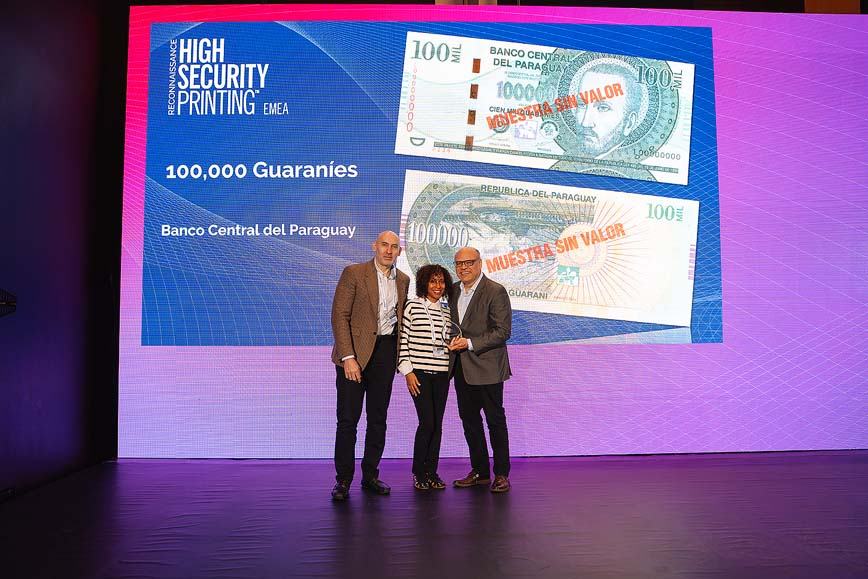
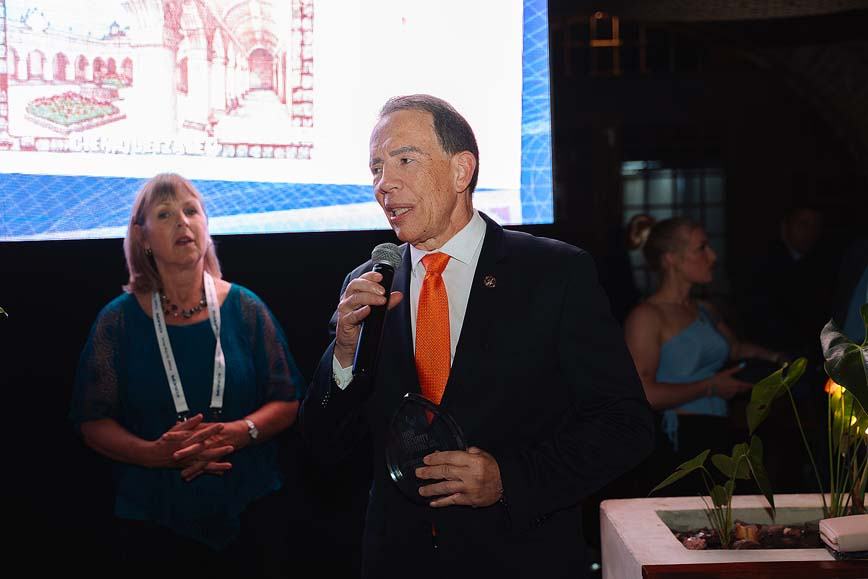
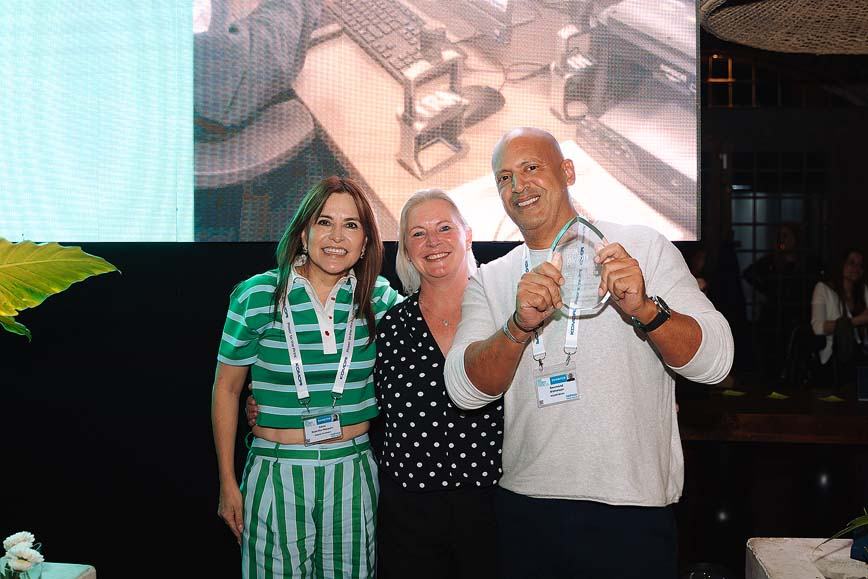
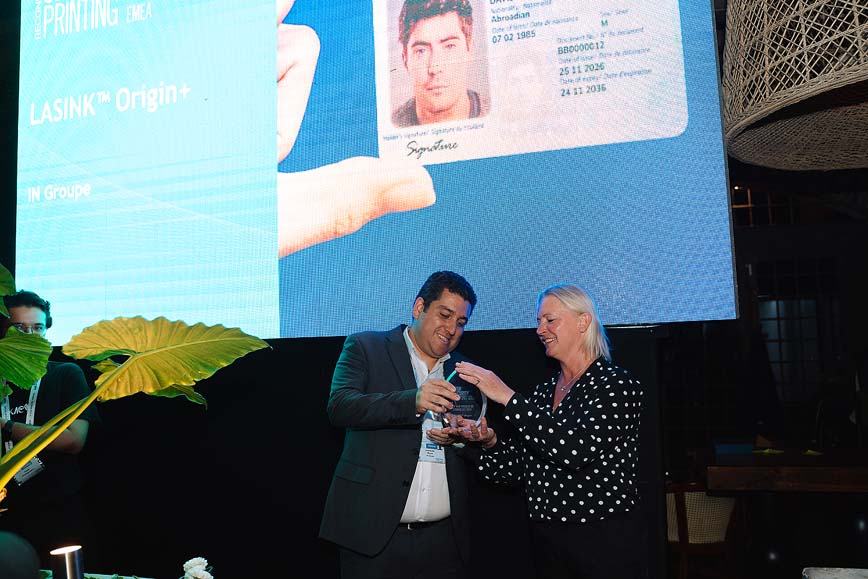
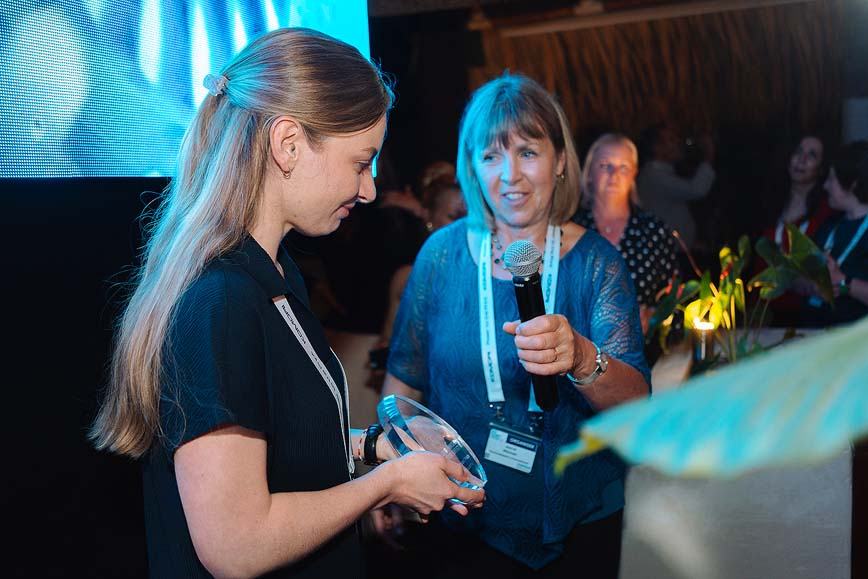
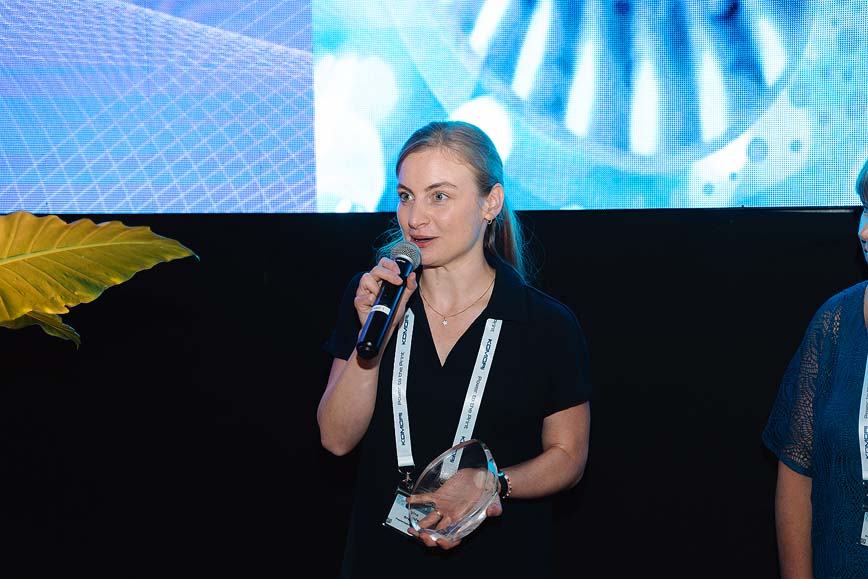
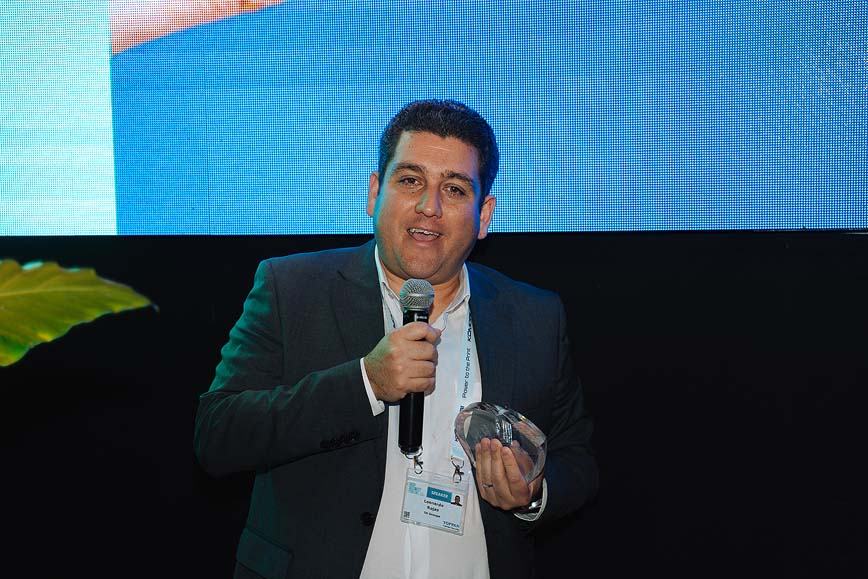
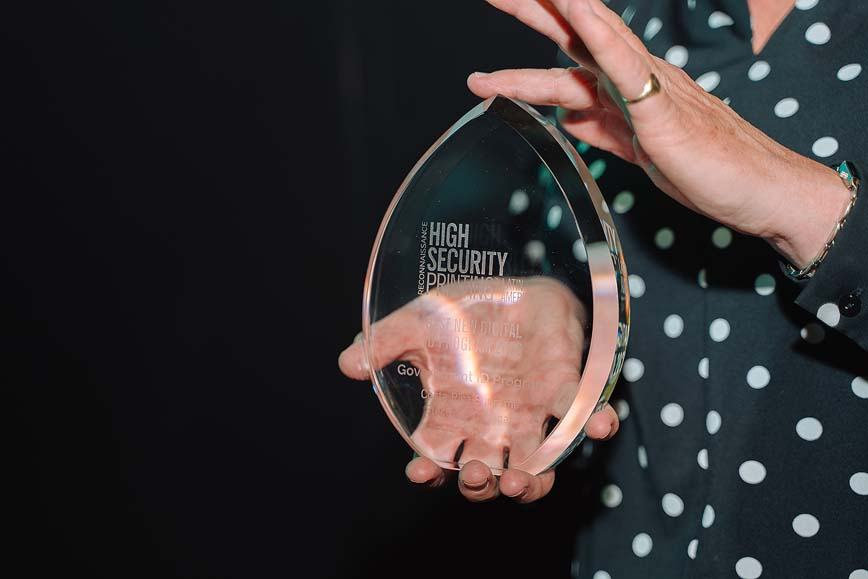
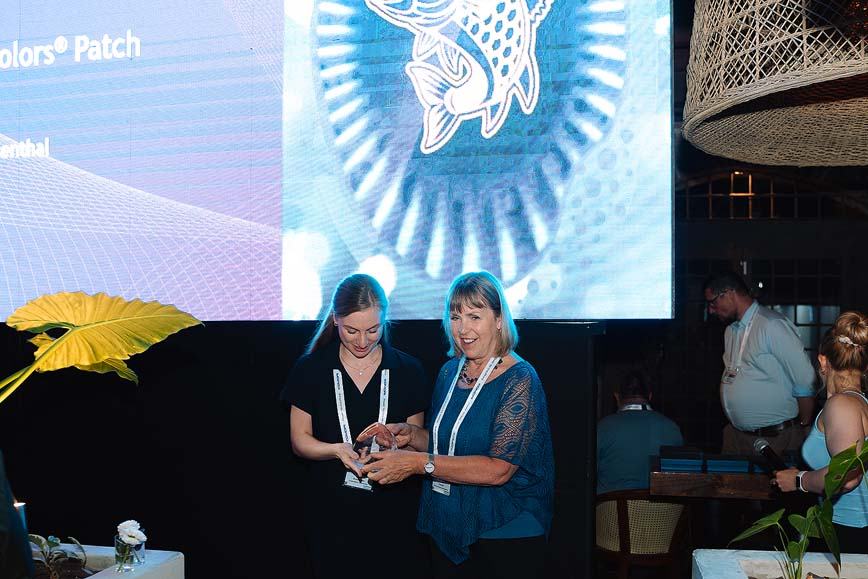
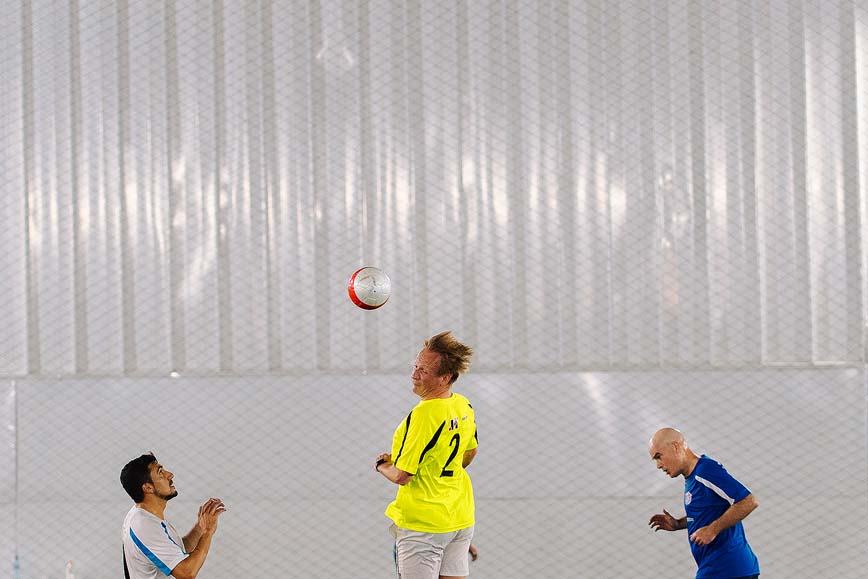
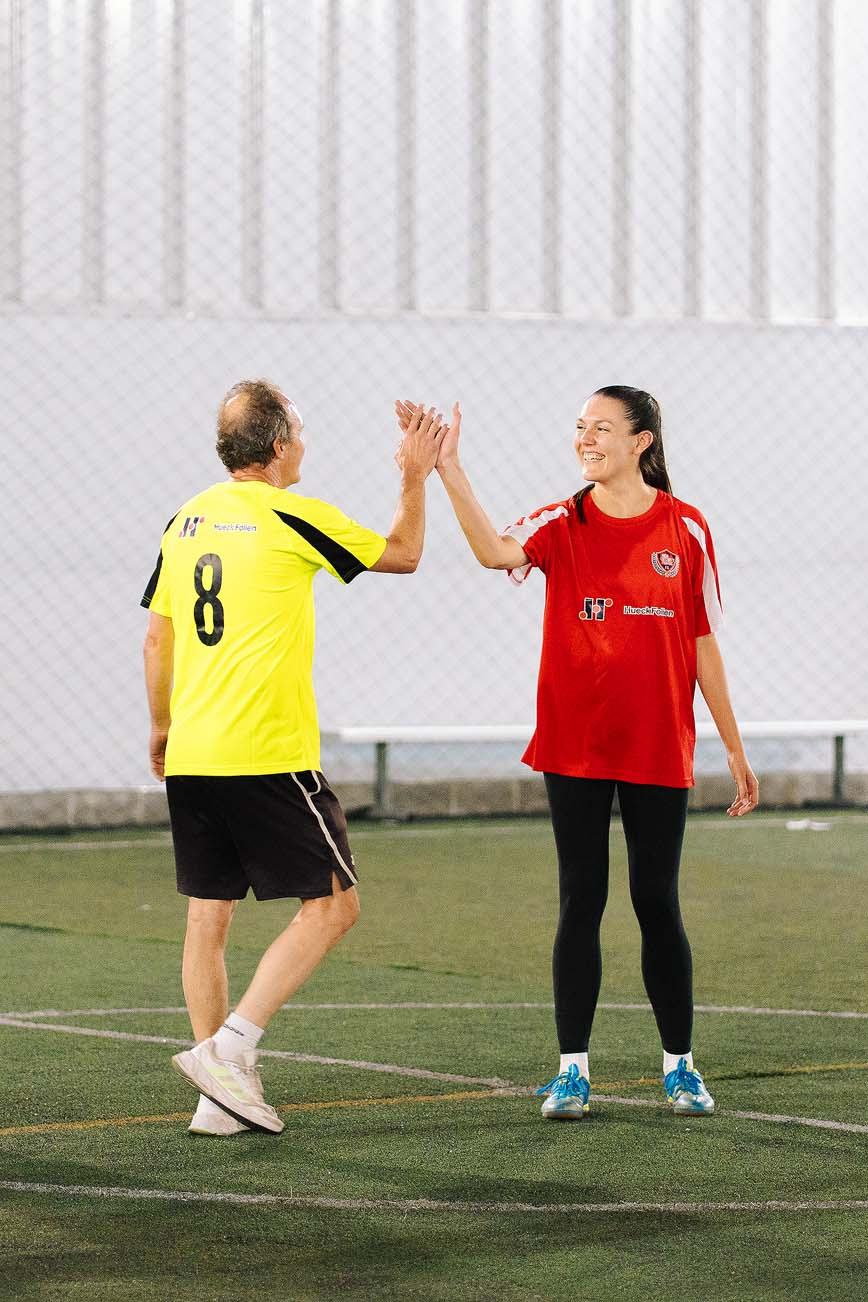
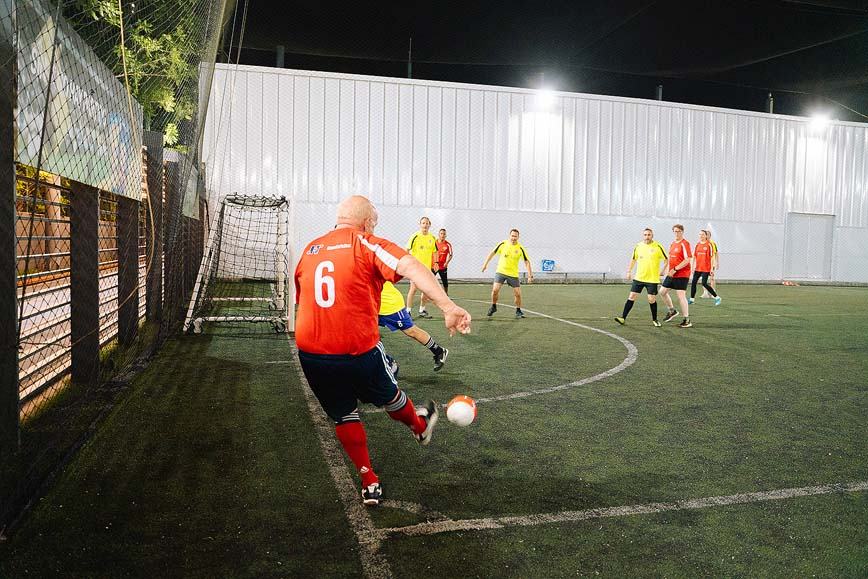
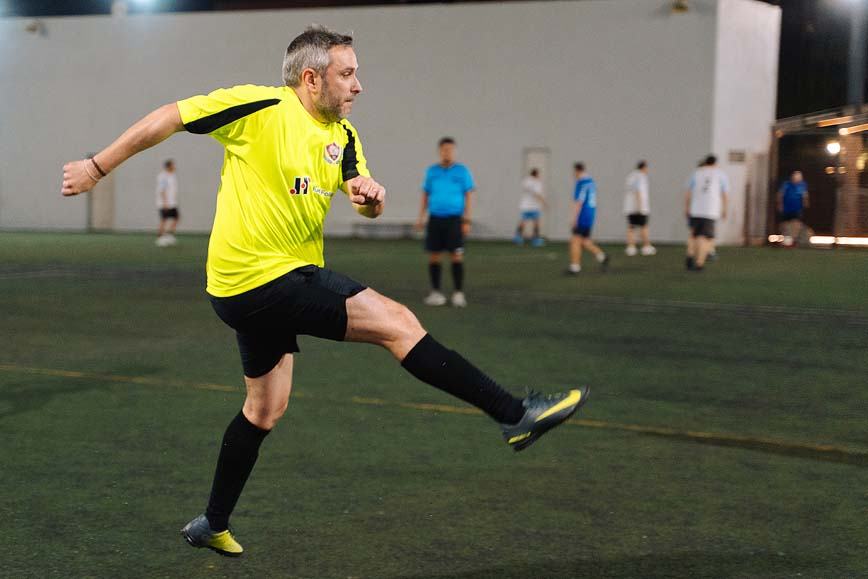
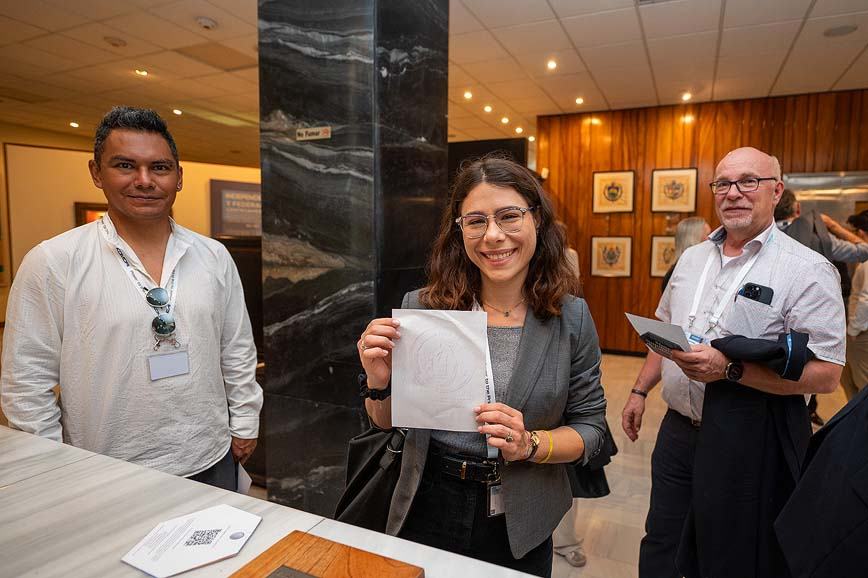
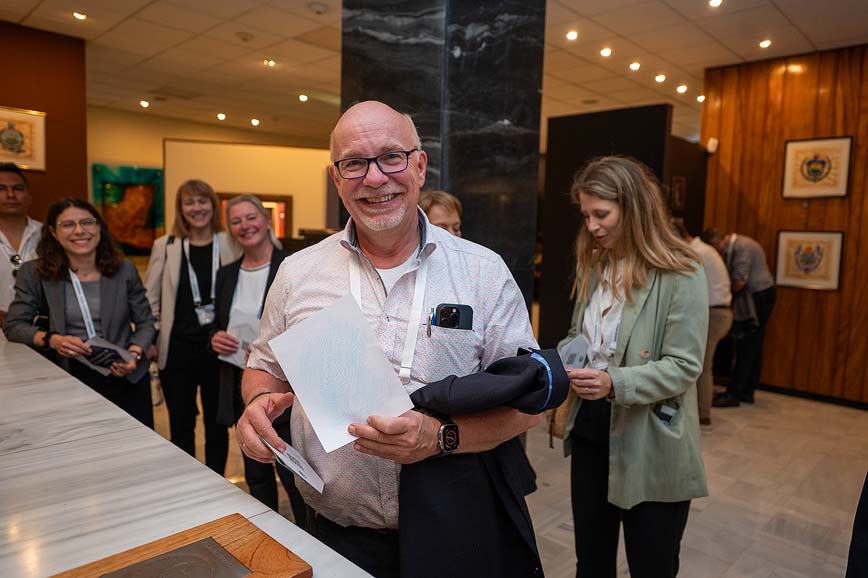
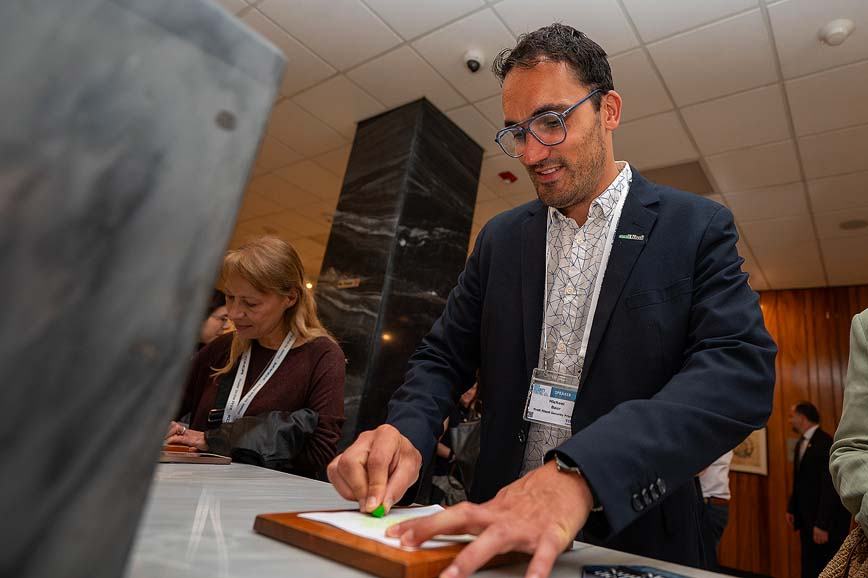
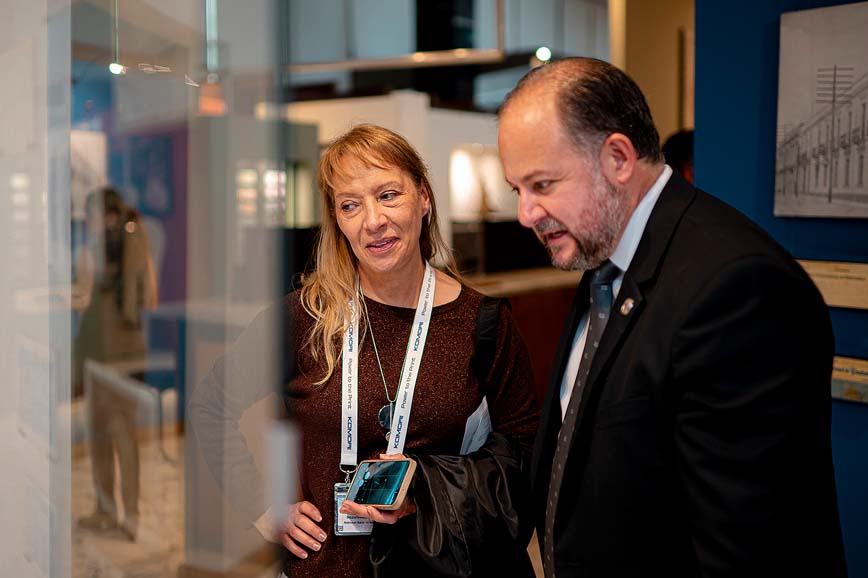
Alongside the programme itself, there were several social events - including two drinks receptions, the conference dinner at the lively and informal Cielito Lindo Grill where the Regional Excellence in Banknote and ID Awards were presented, and the perennial HSP Football Match. This has become one of the most popular fixtures of HSP, and was particularly well-attended this year, given the upcoming FIFA World Cup, with those taking part aiming (but not necessarily succeeding) in emulating the hoped-for success of their footballing heroes.

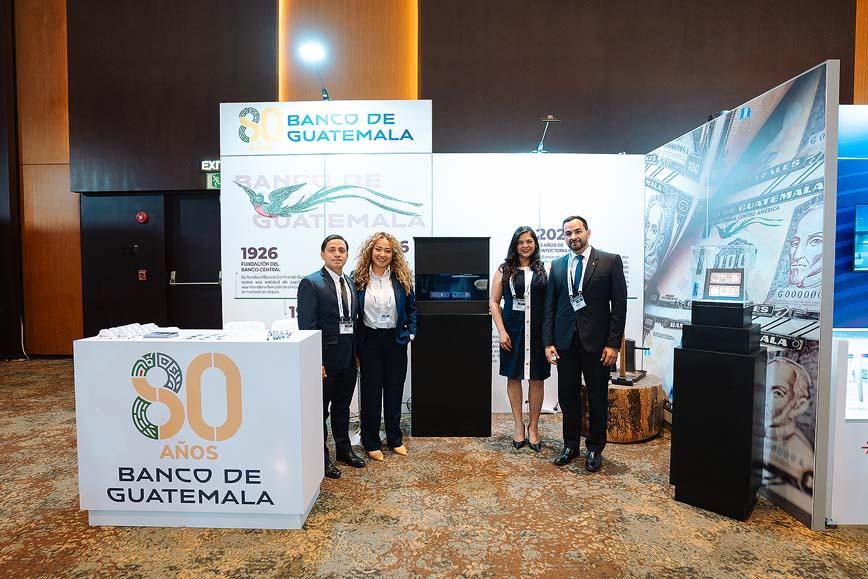
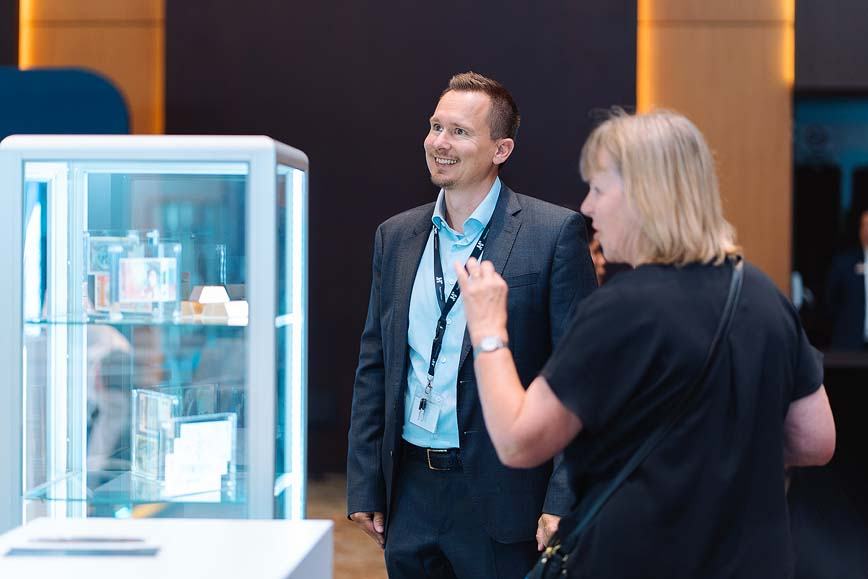
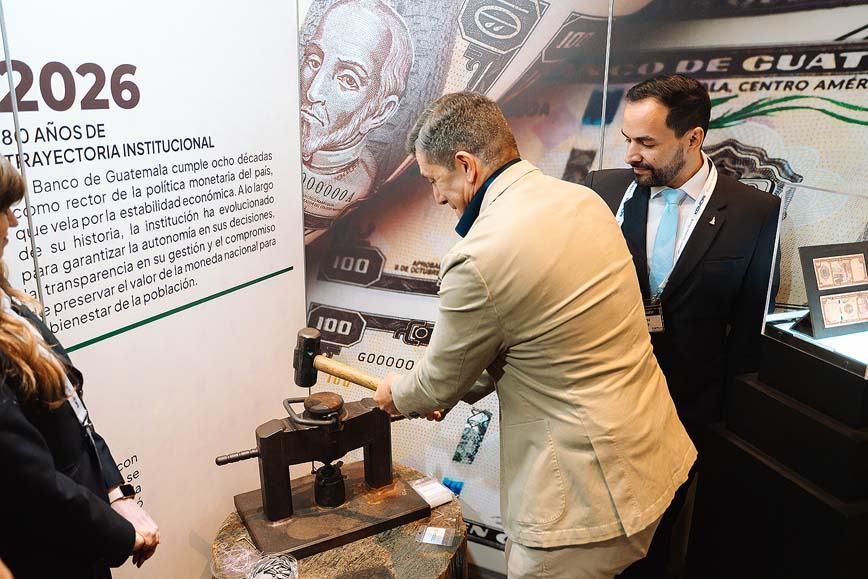
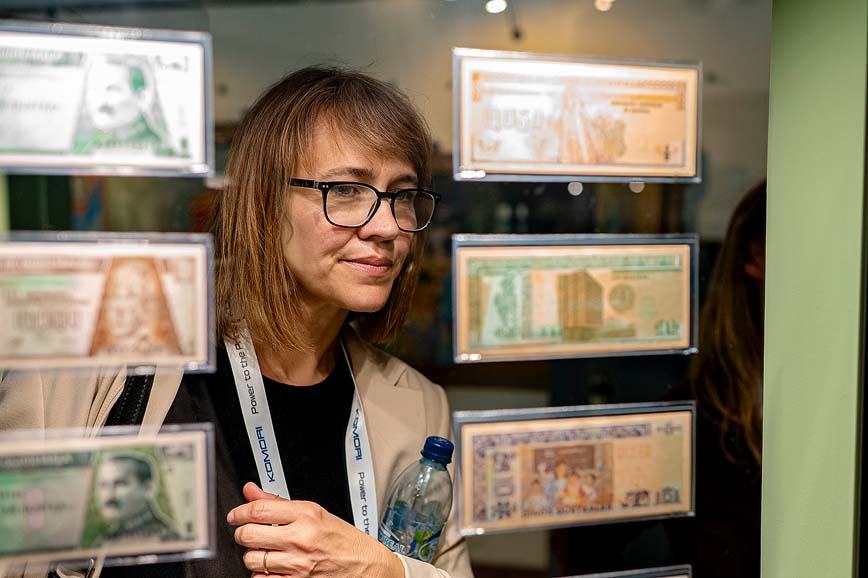
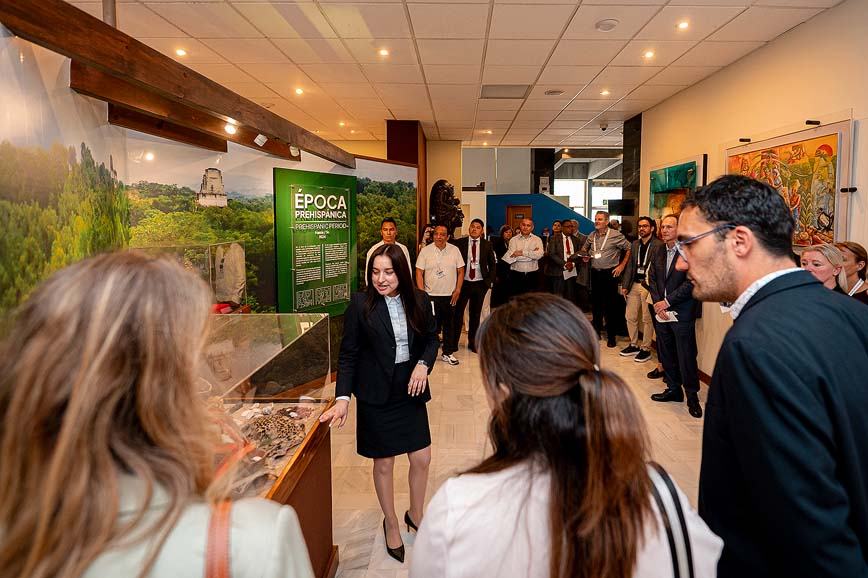
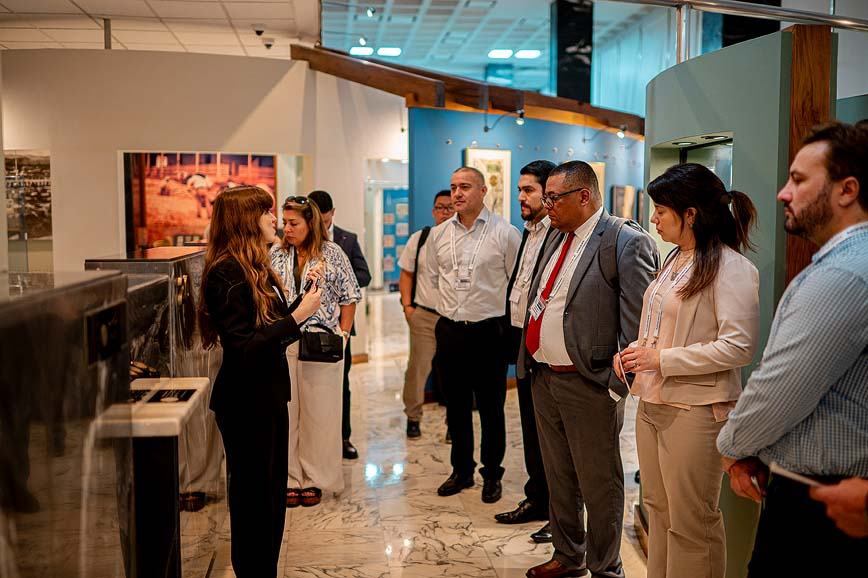
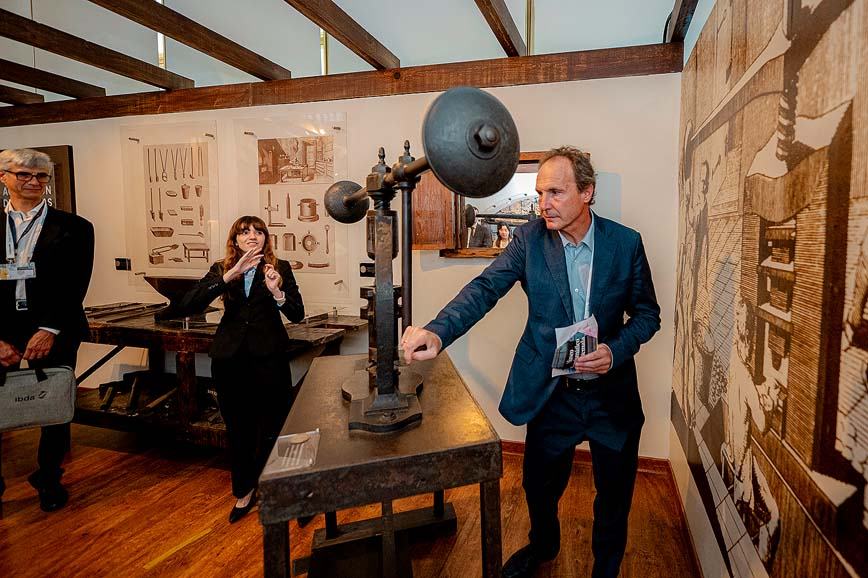
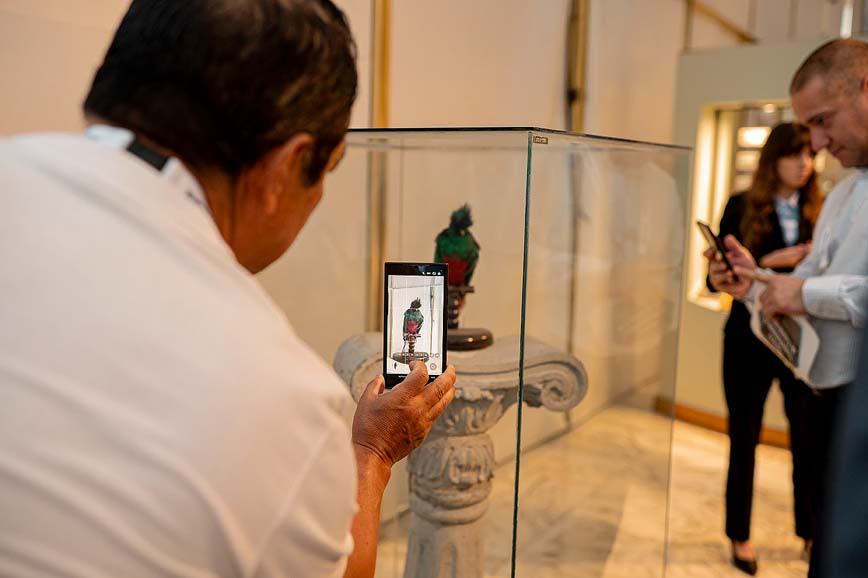
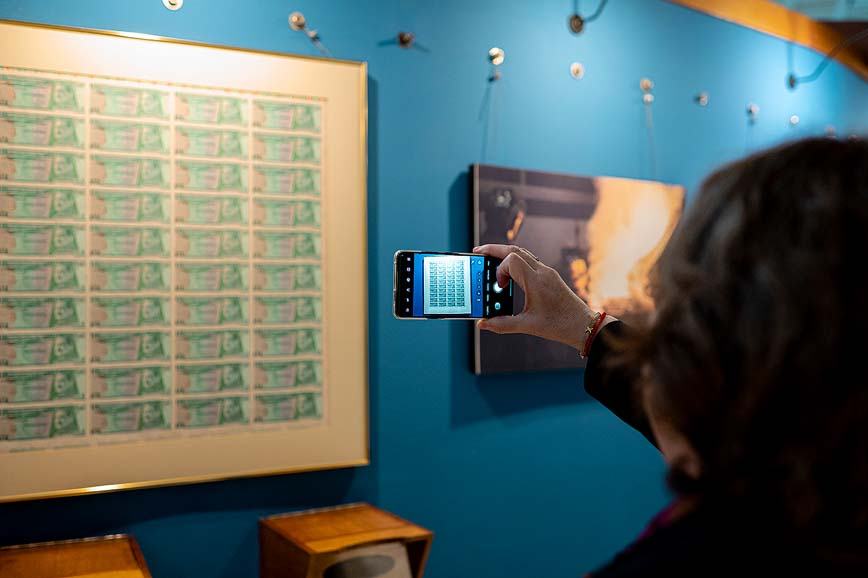
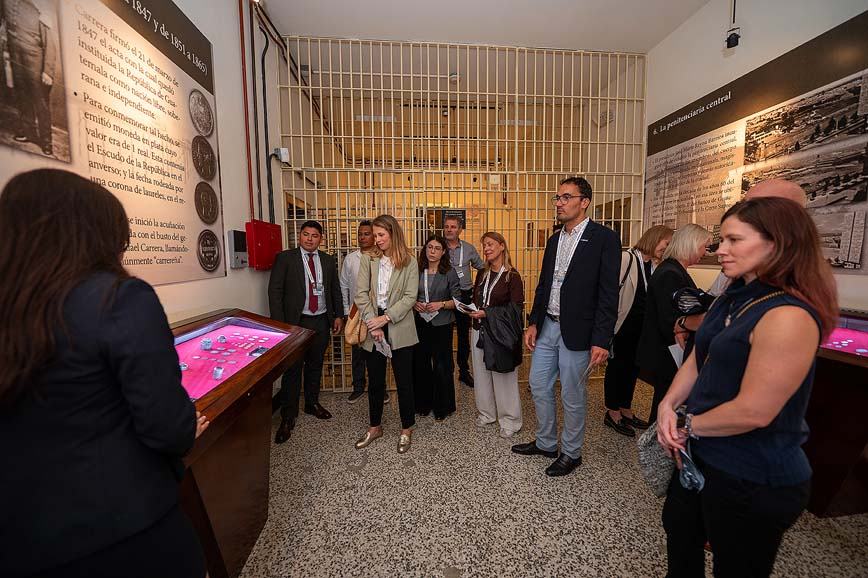
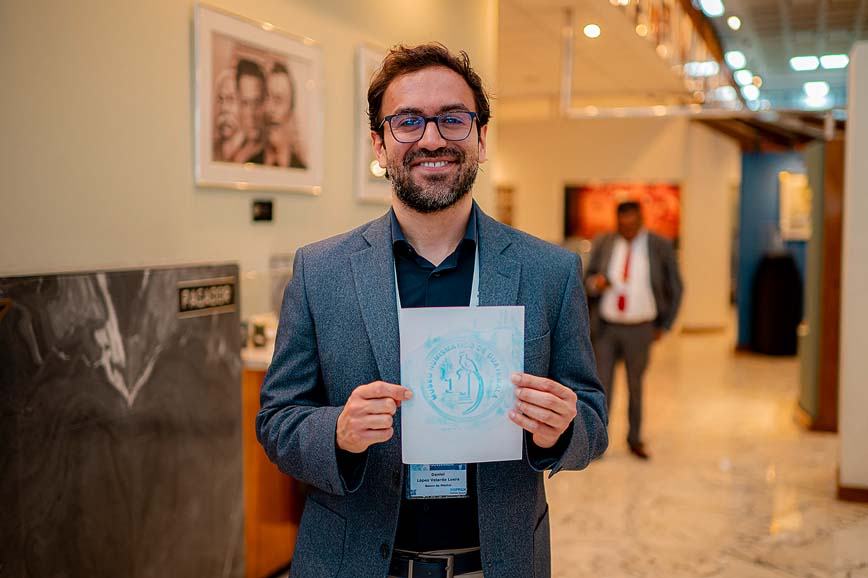
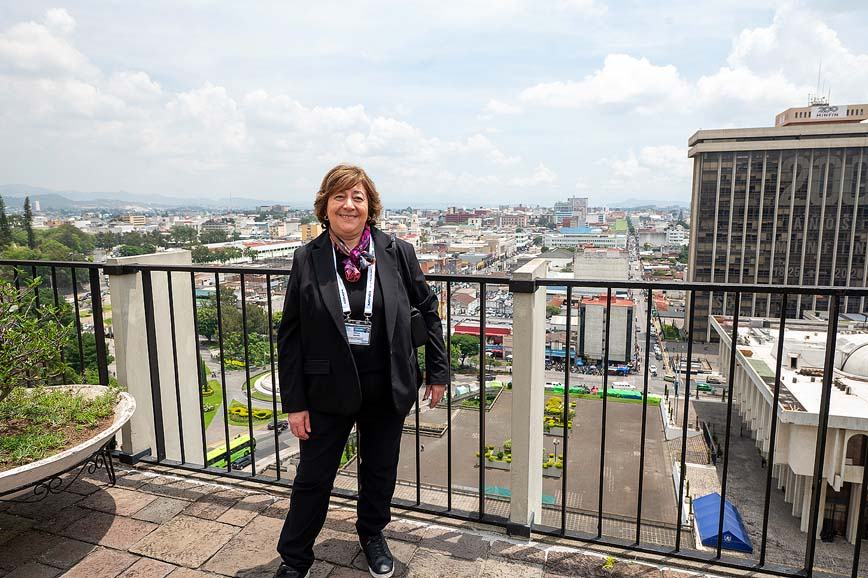
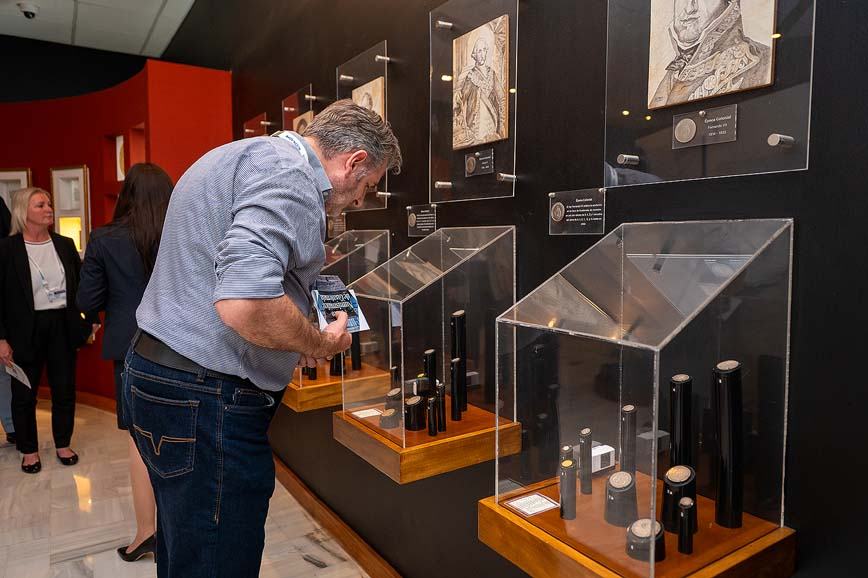
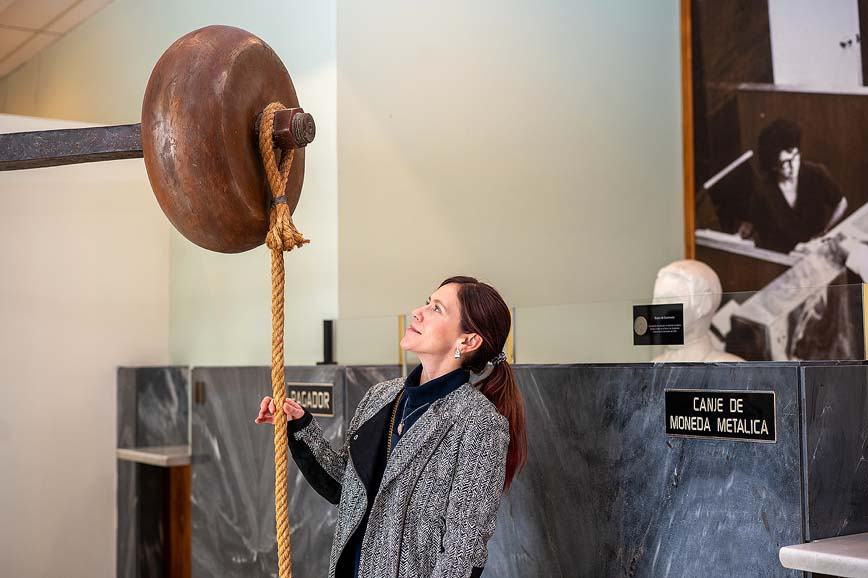
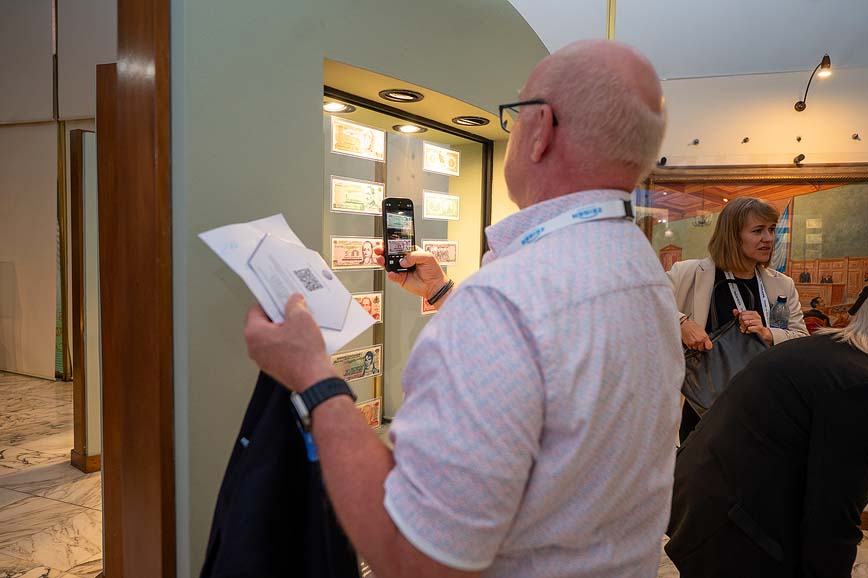
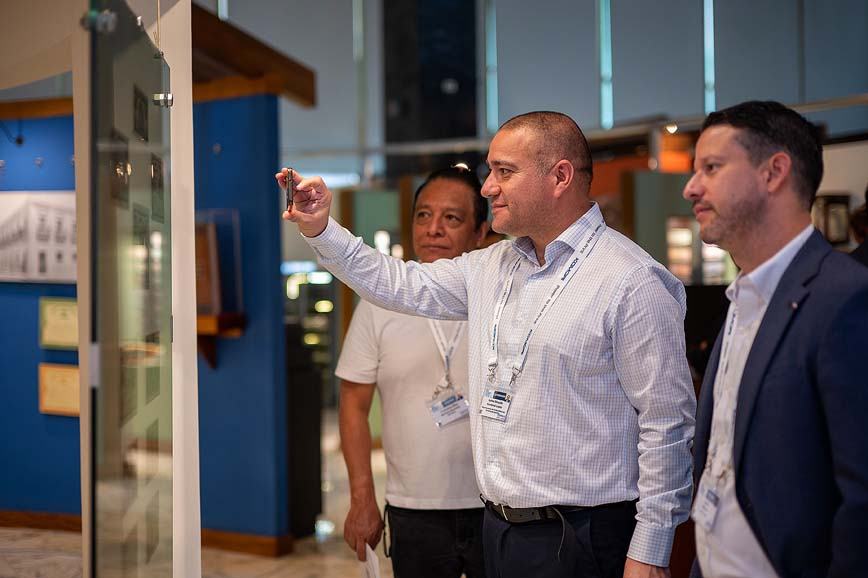
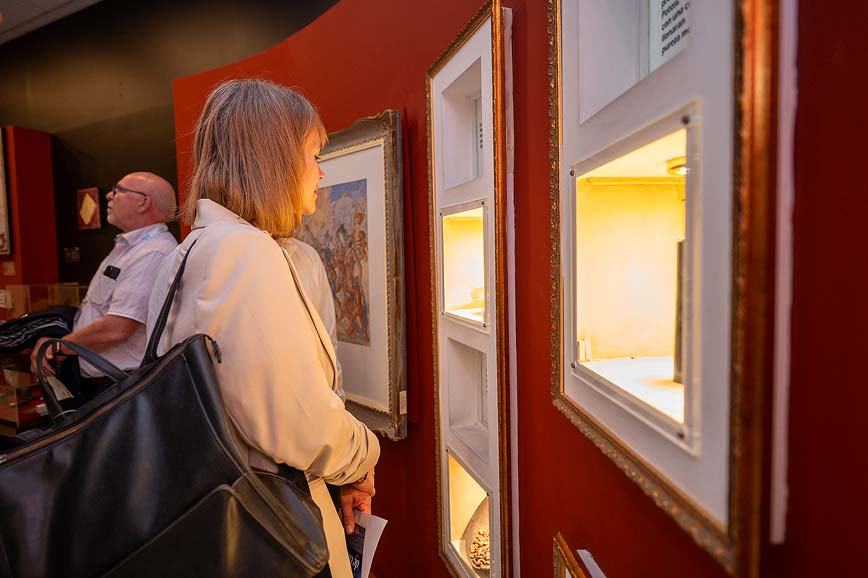
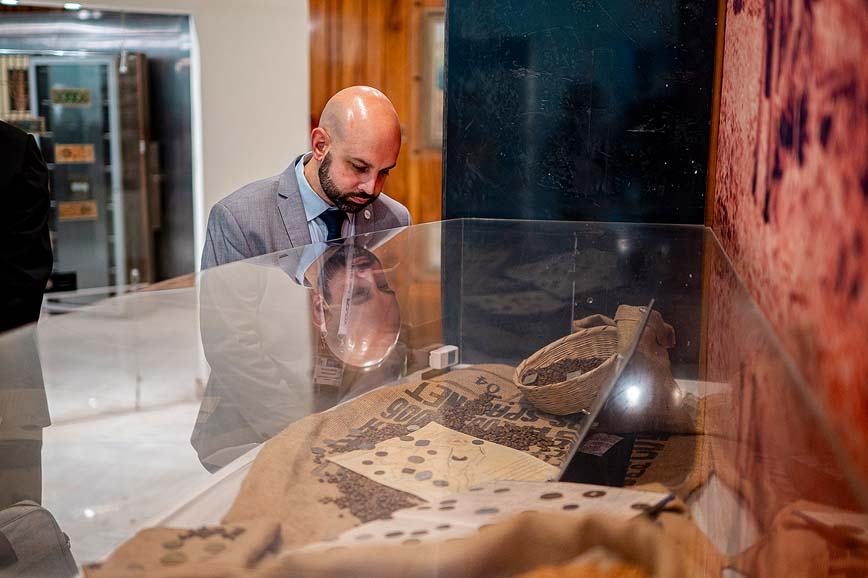
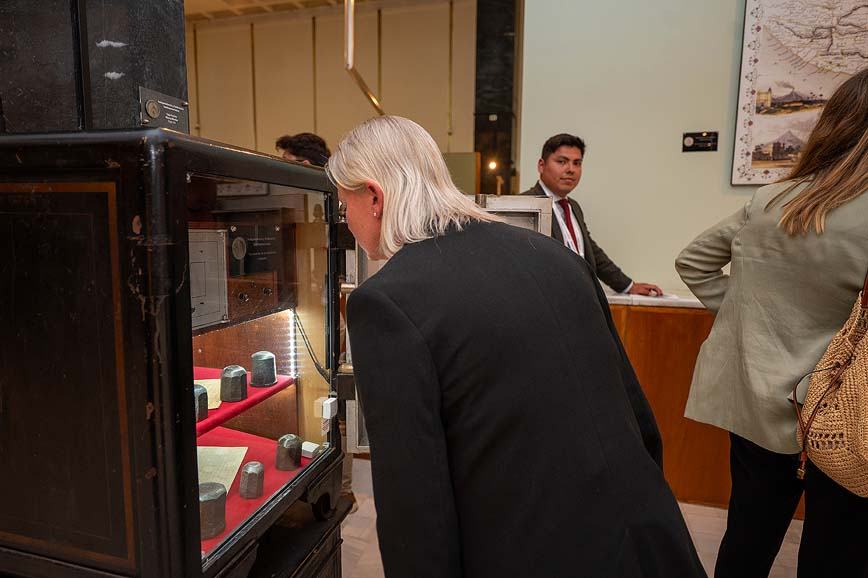
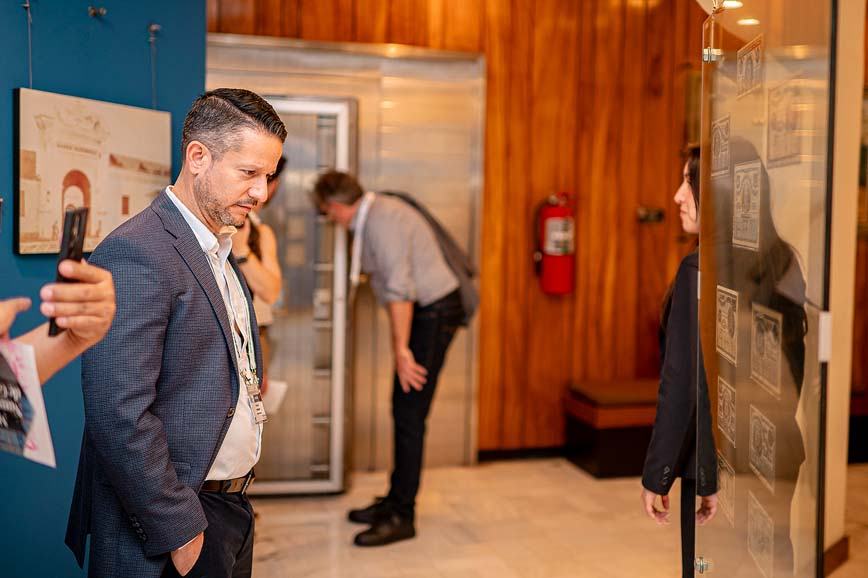
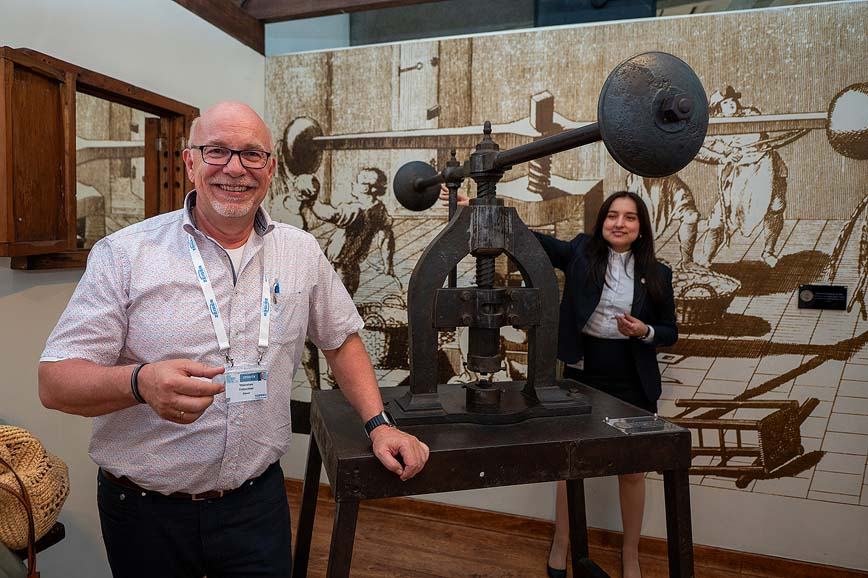
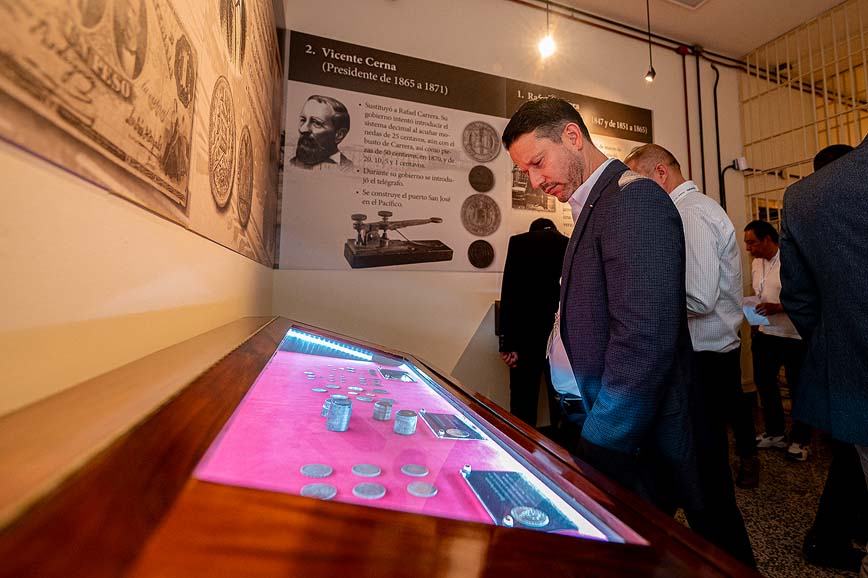
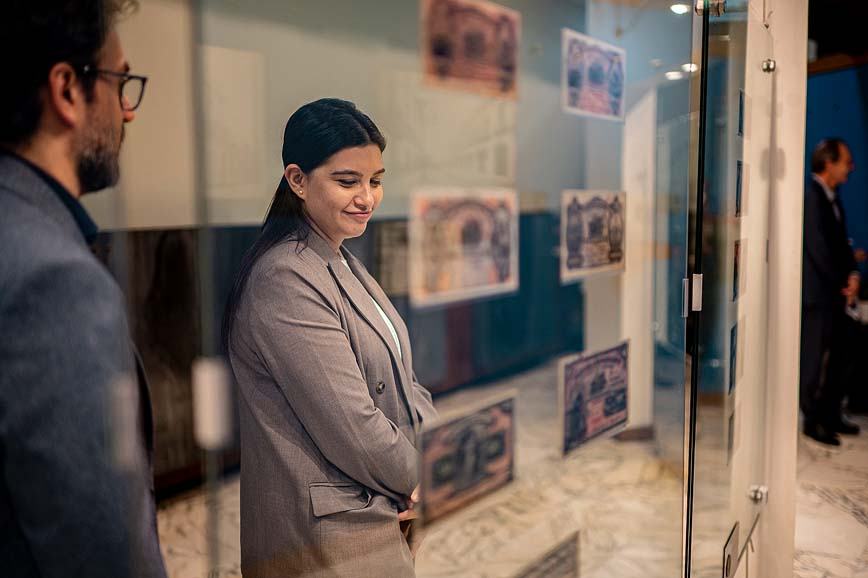
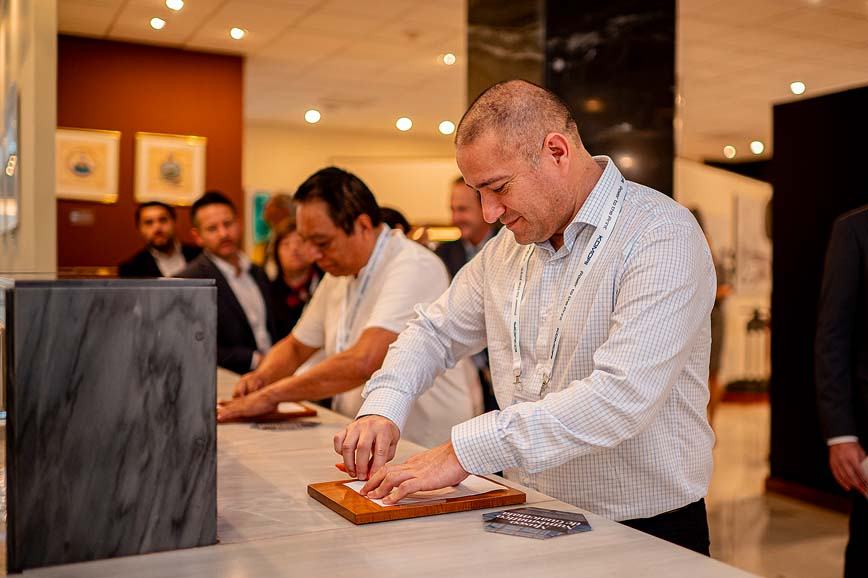
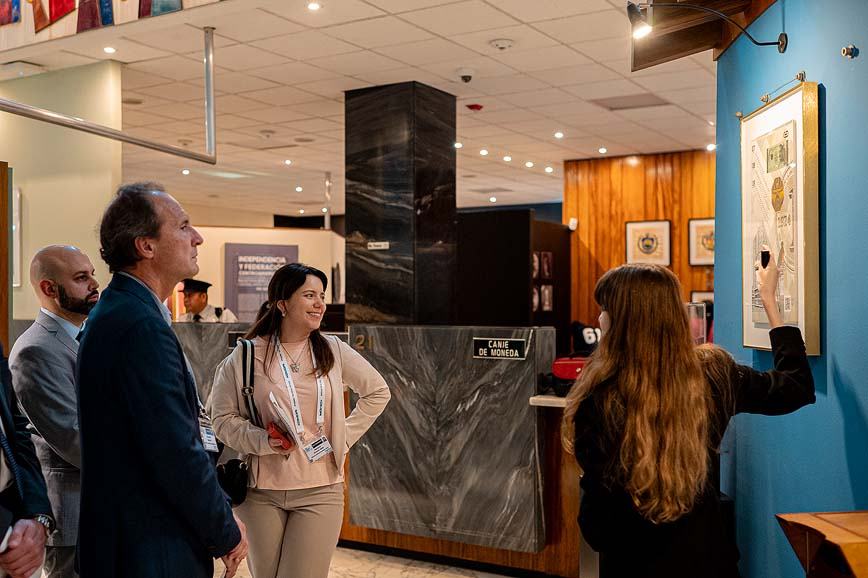
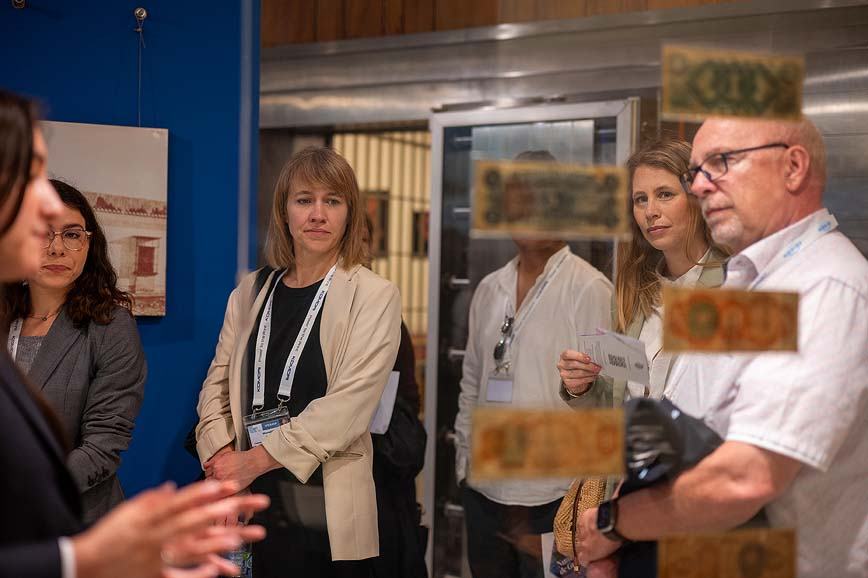
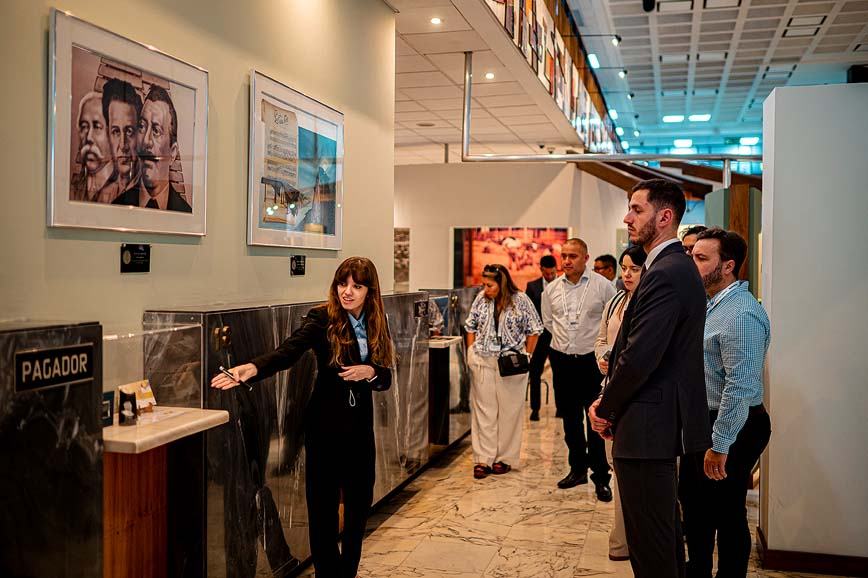
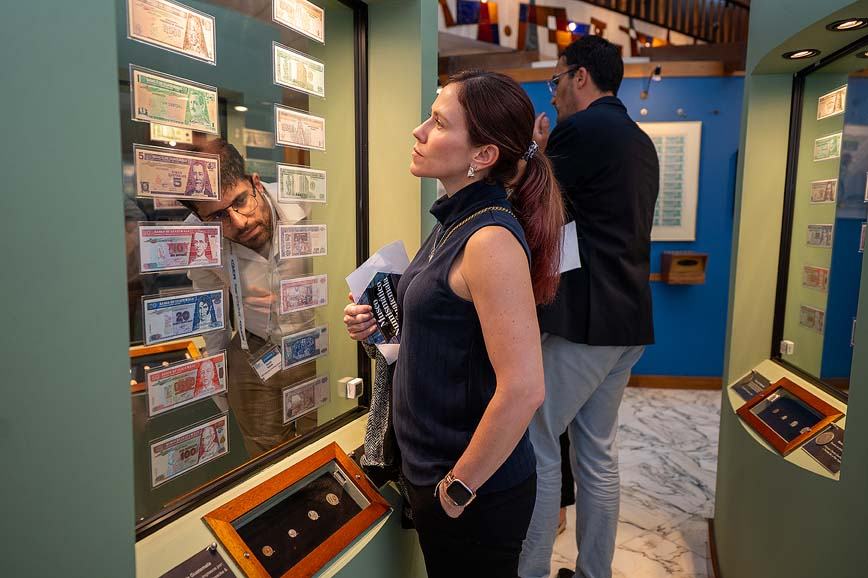
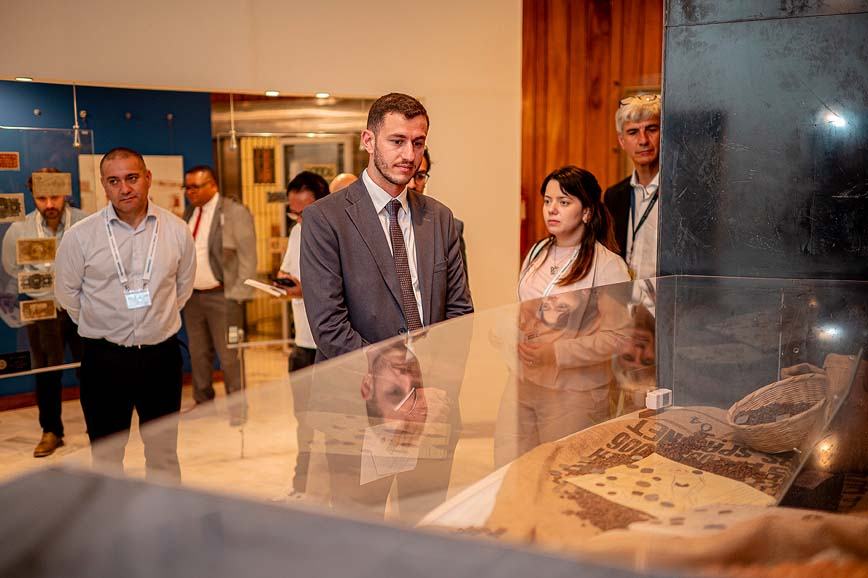
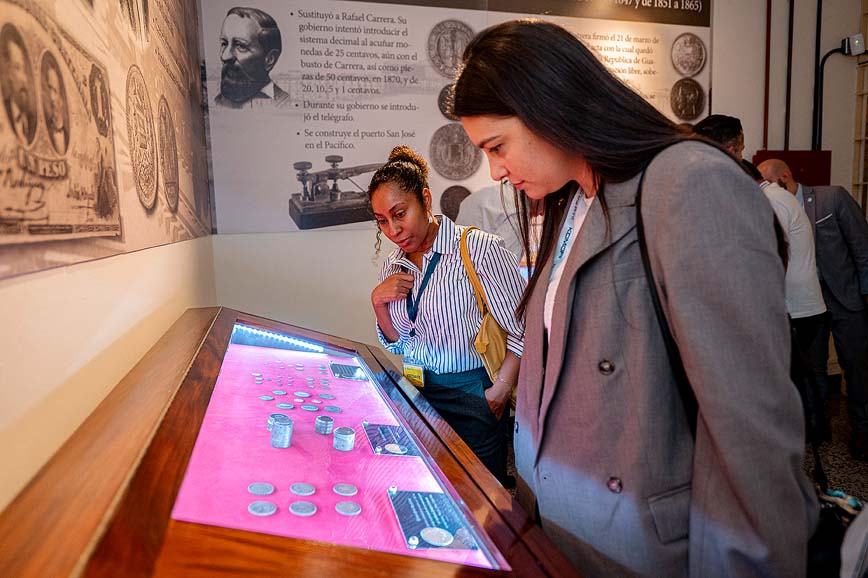
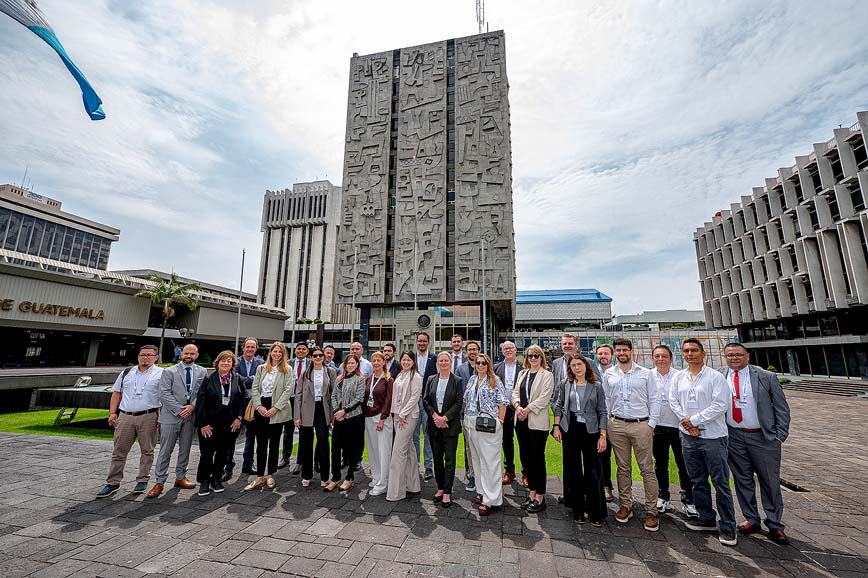
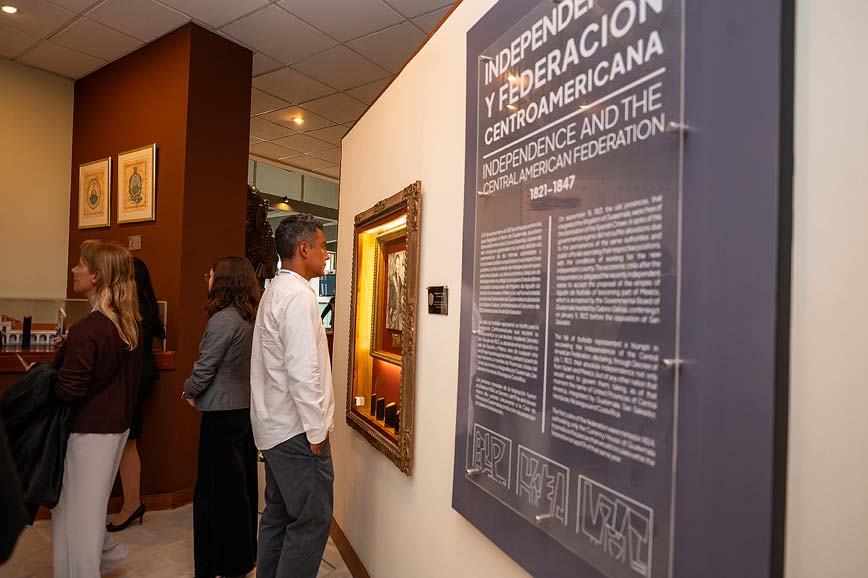
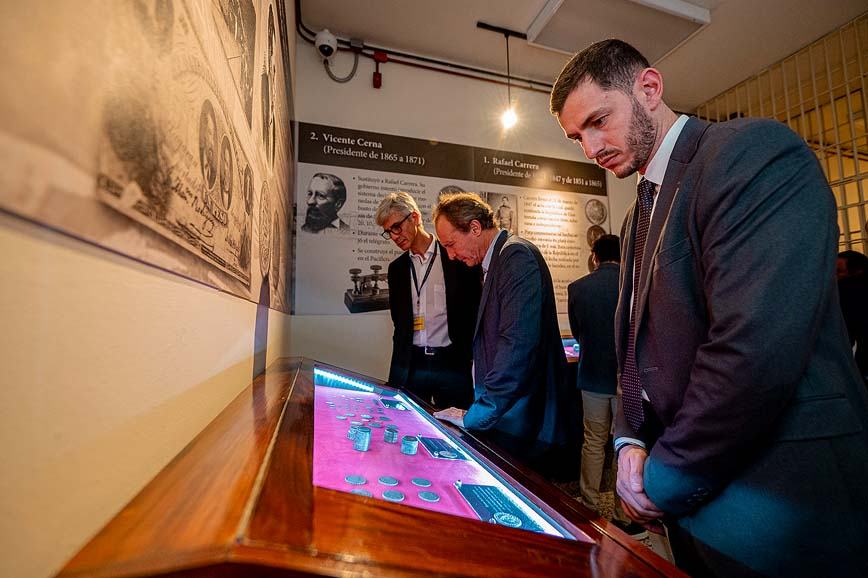
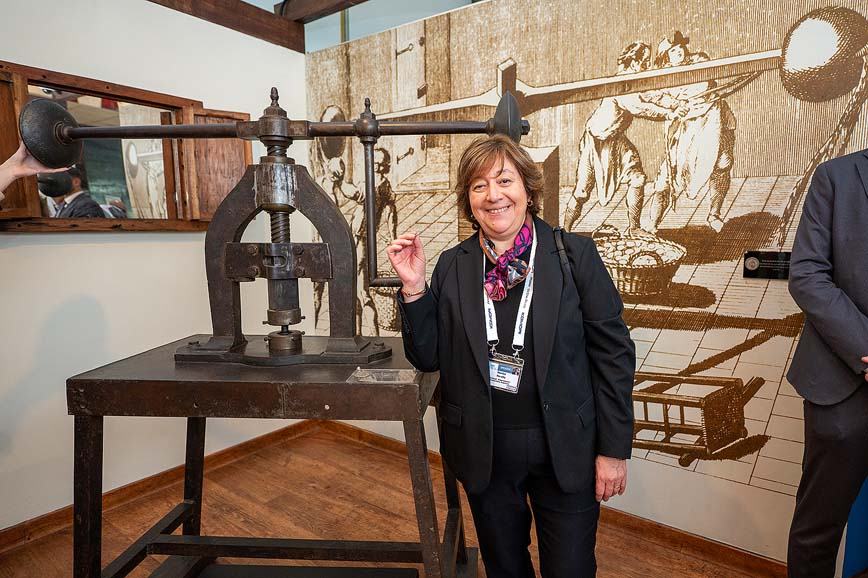
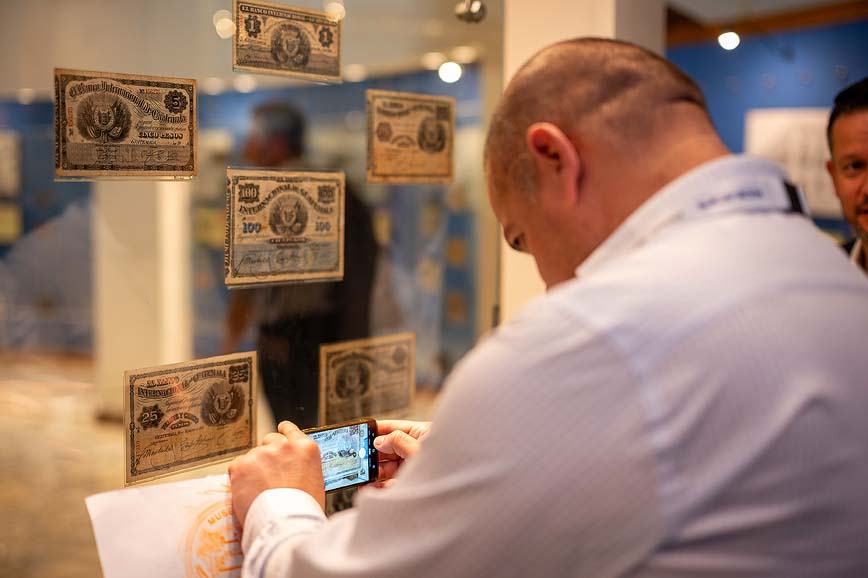
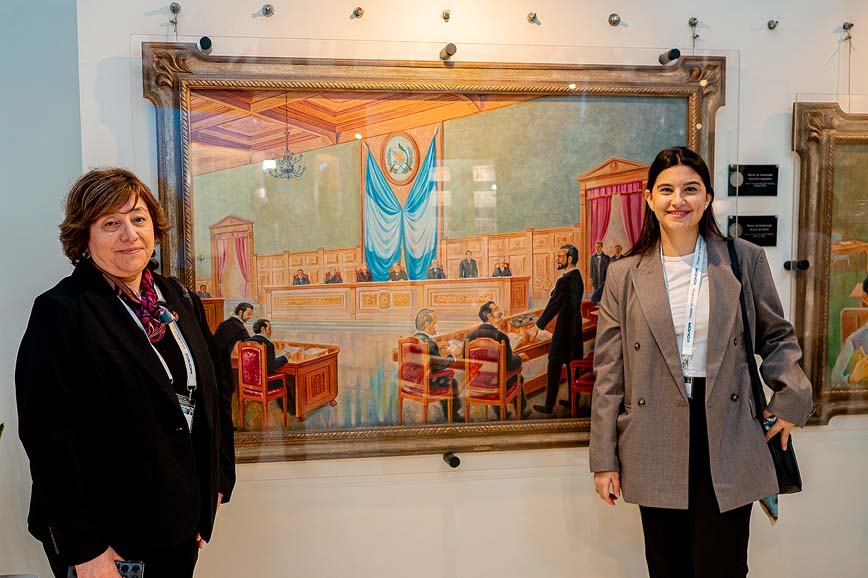
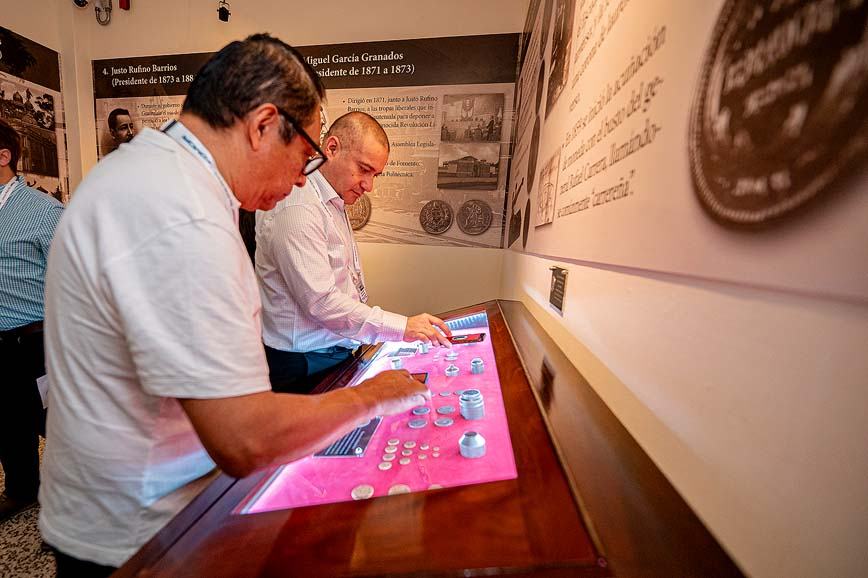
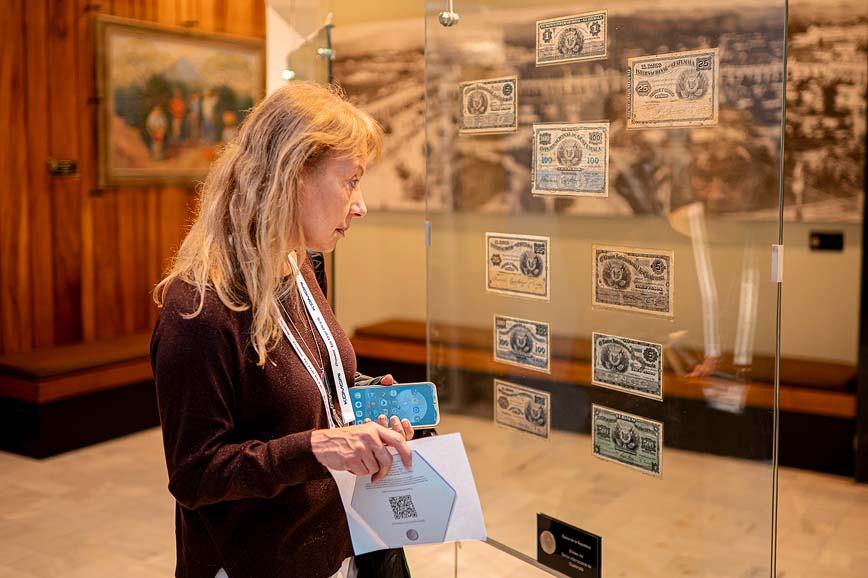
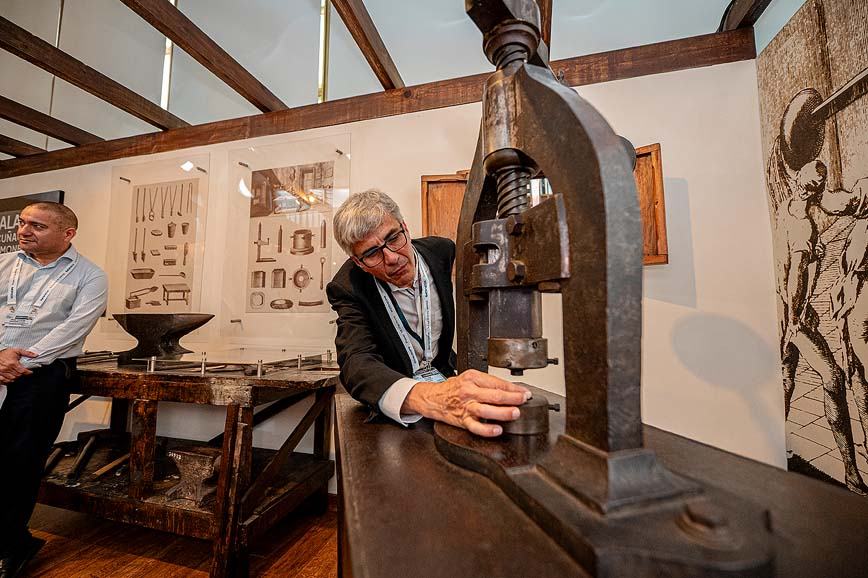
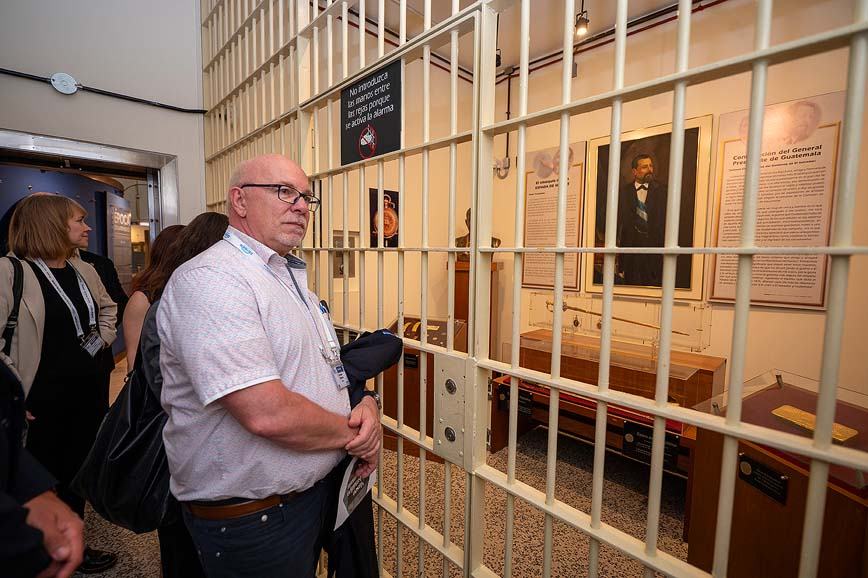
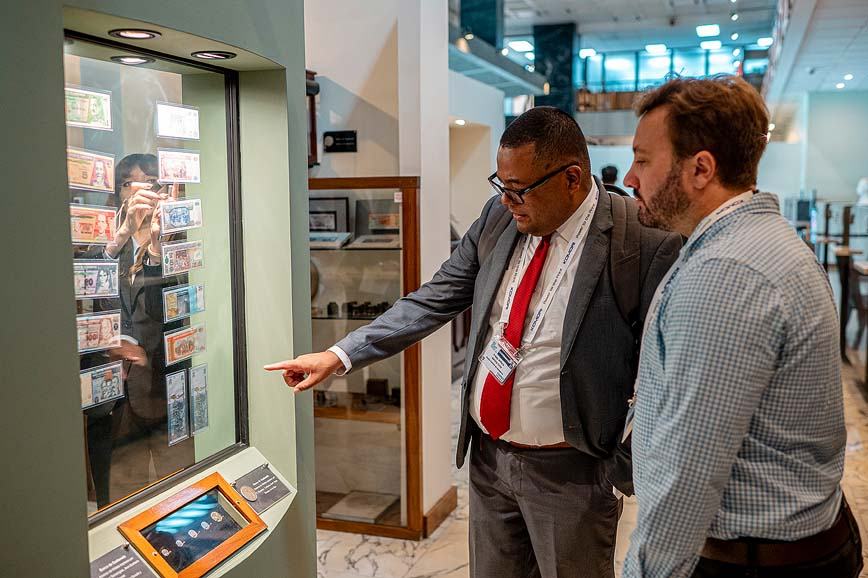
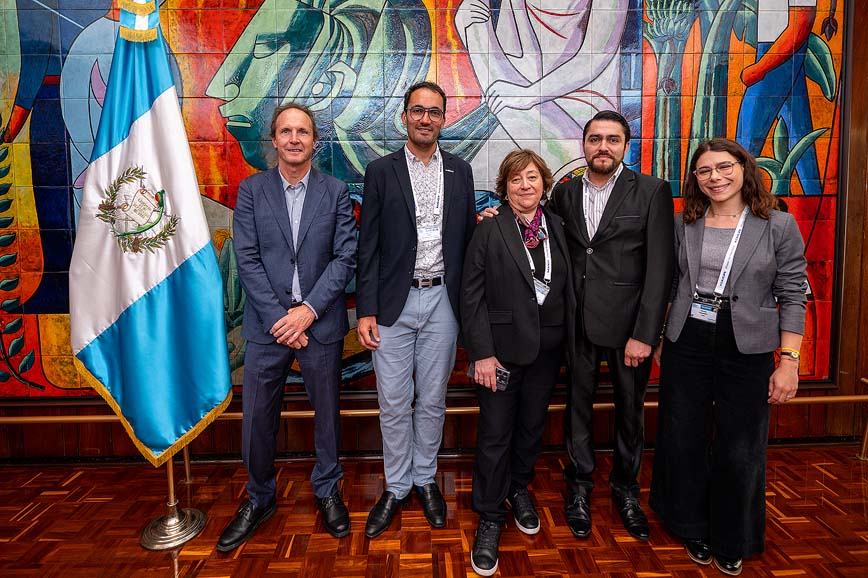
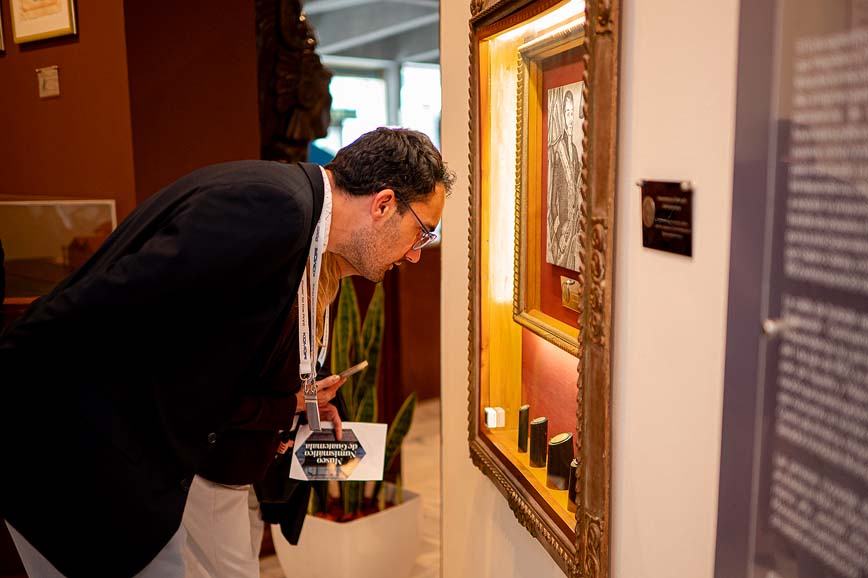
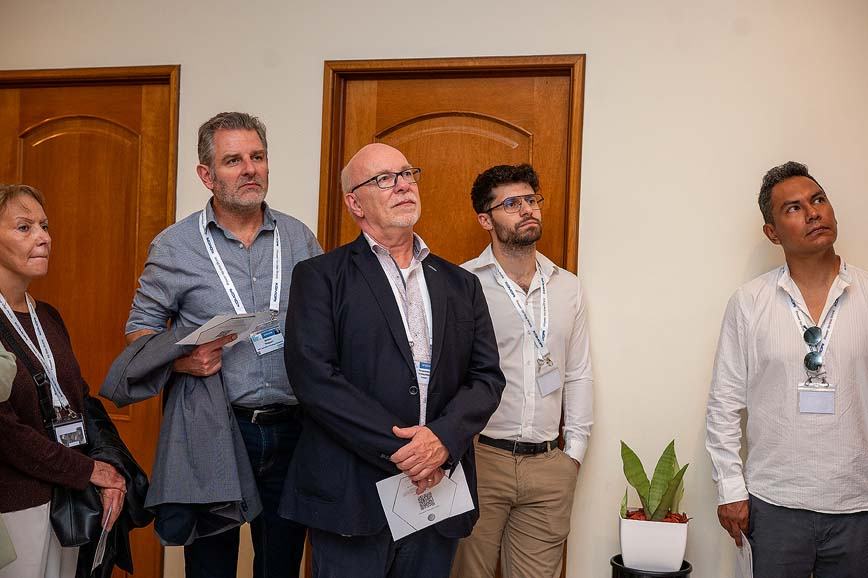
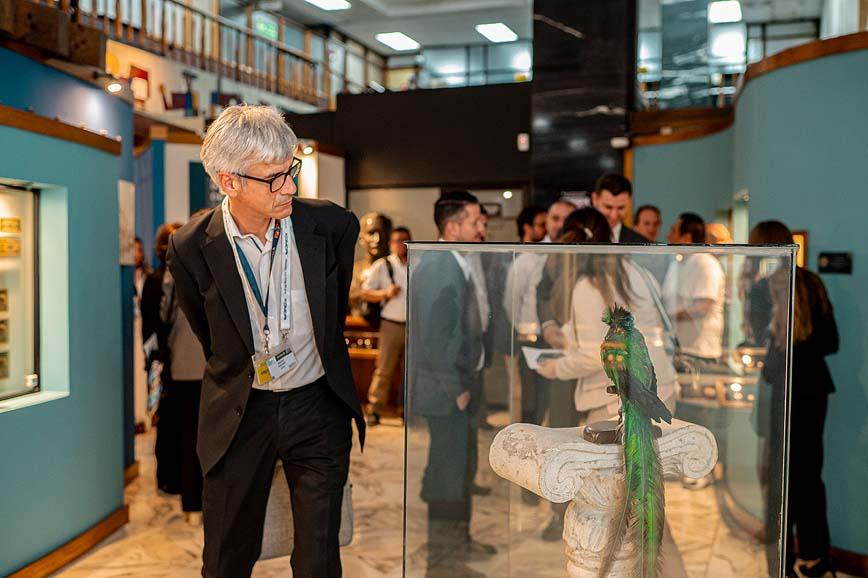
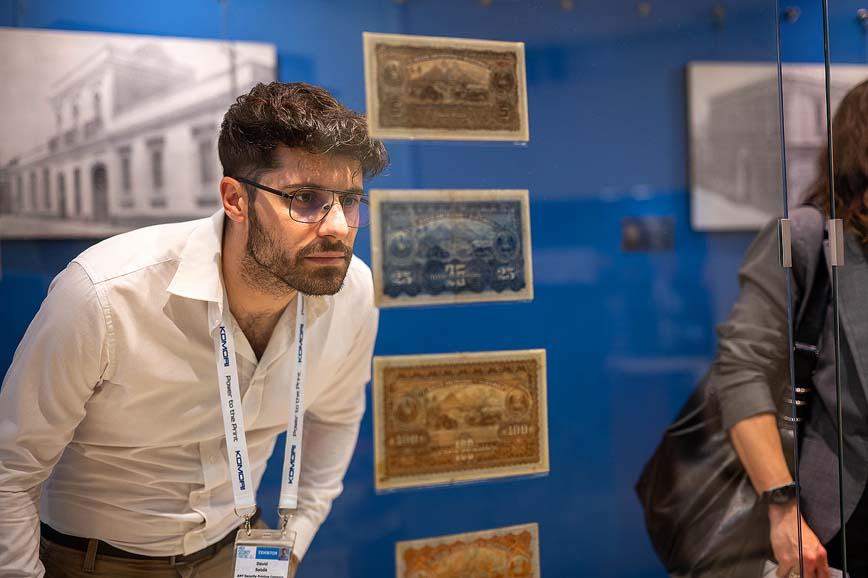
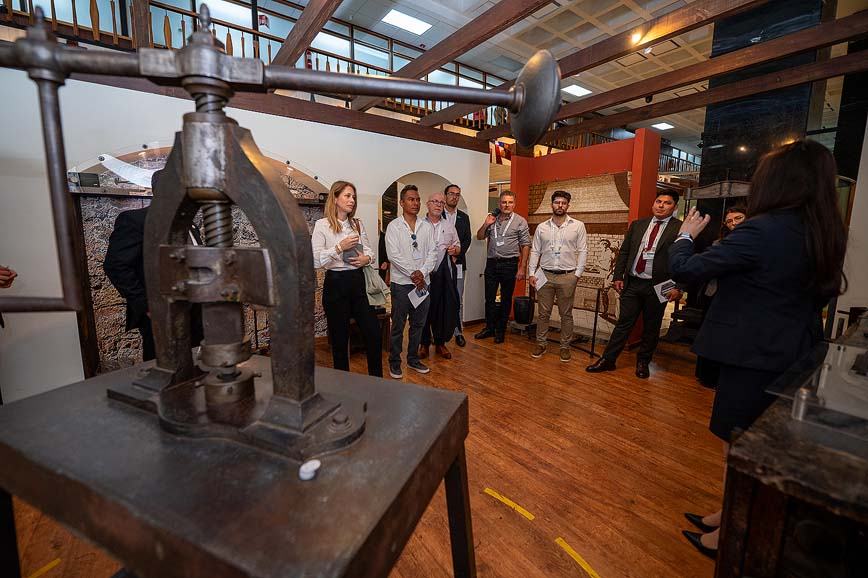
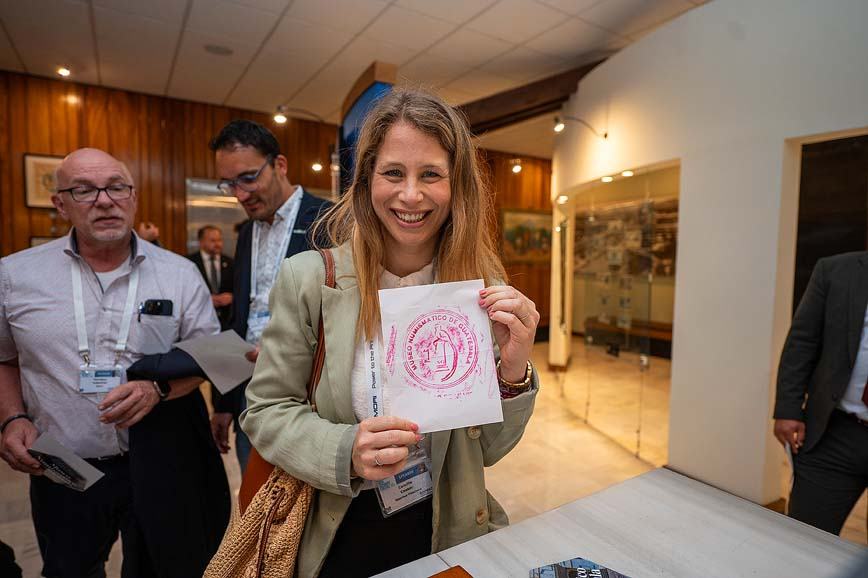
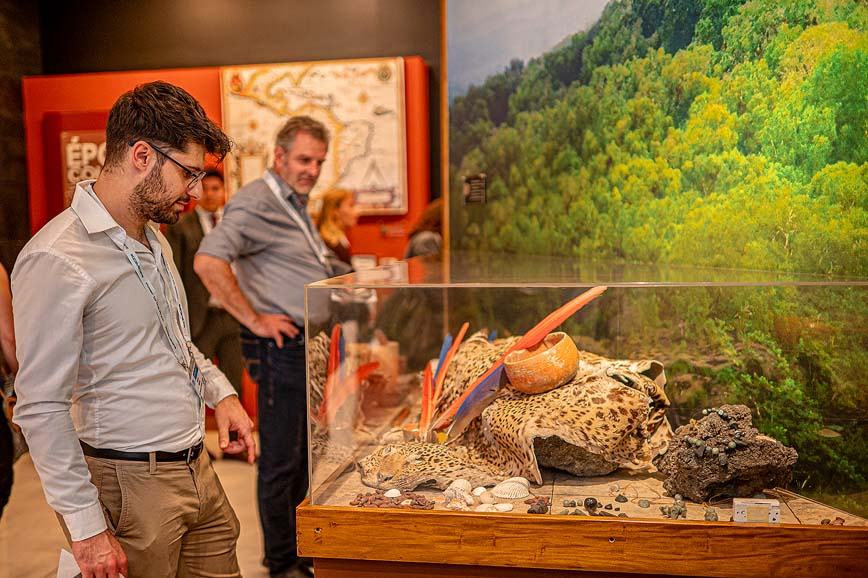
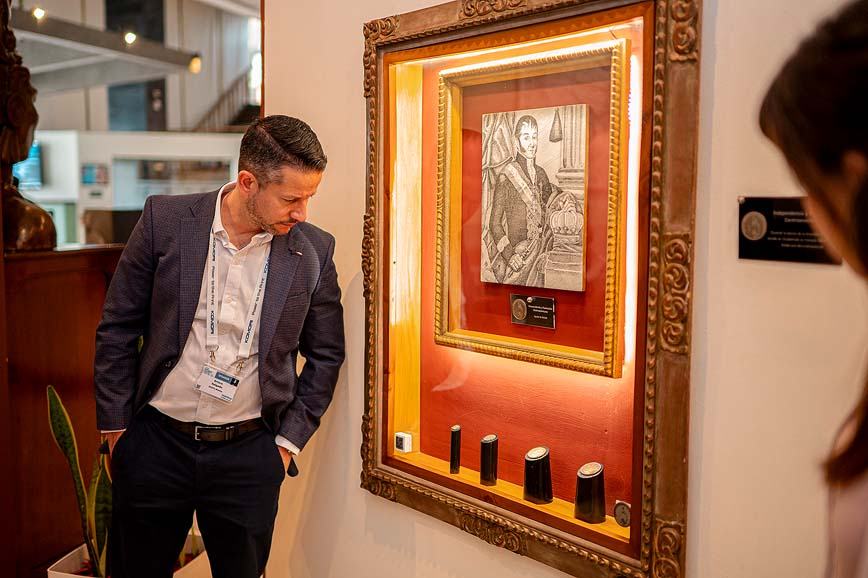
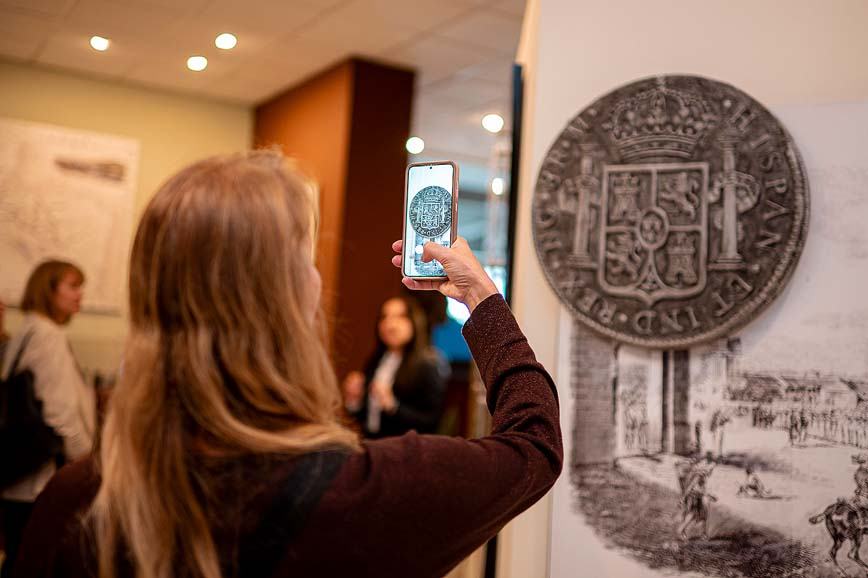
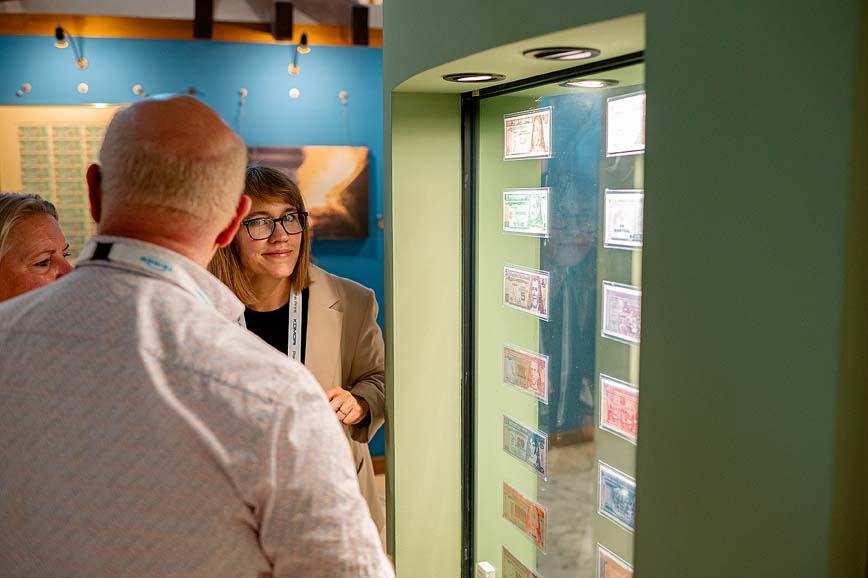
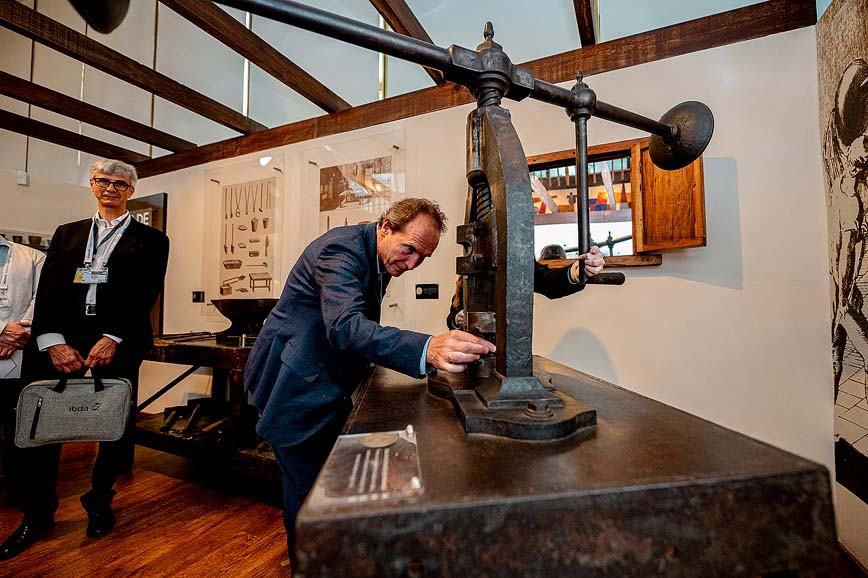
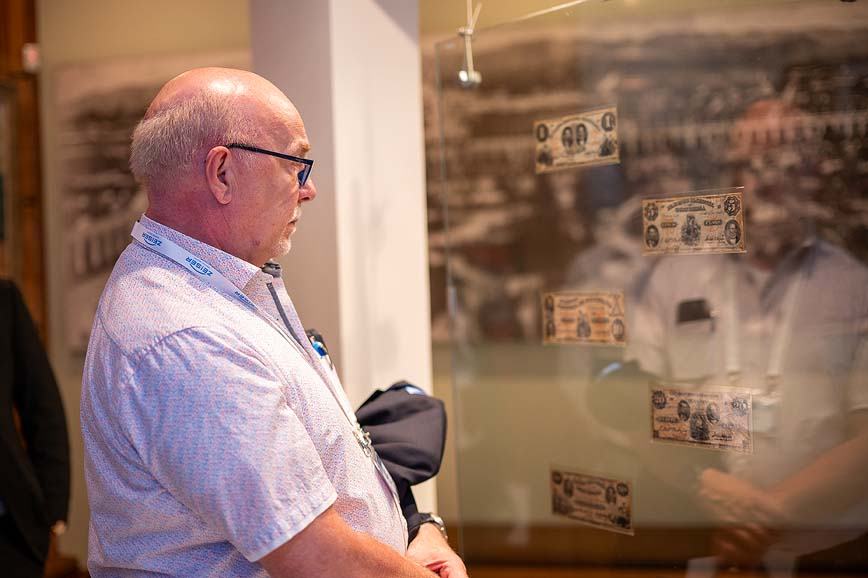
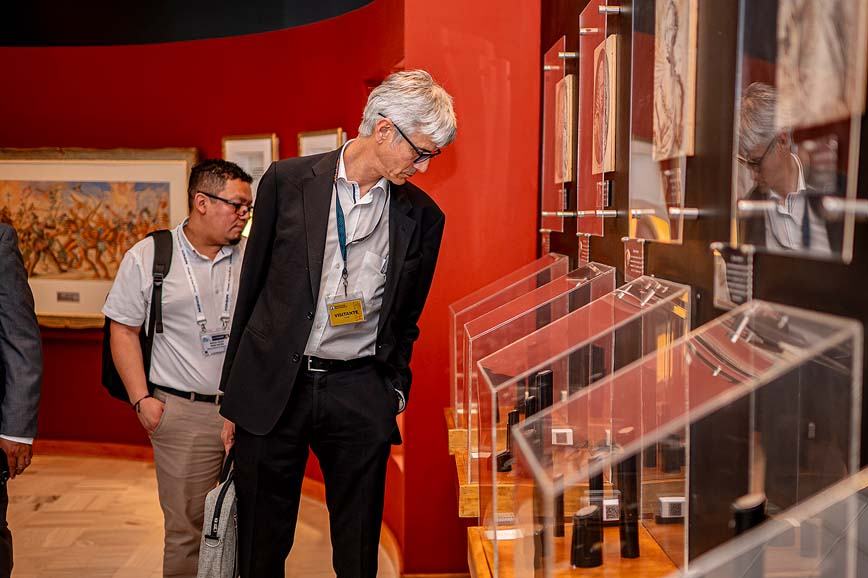
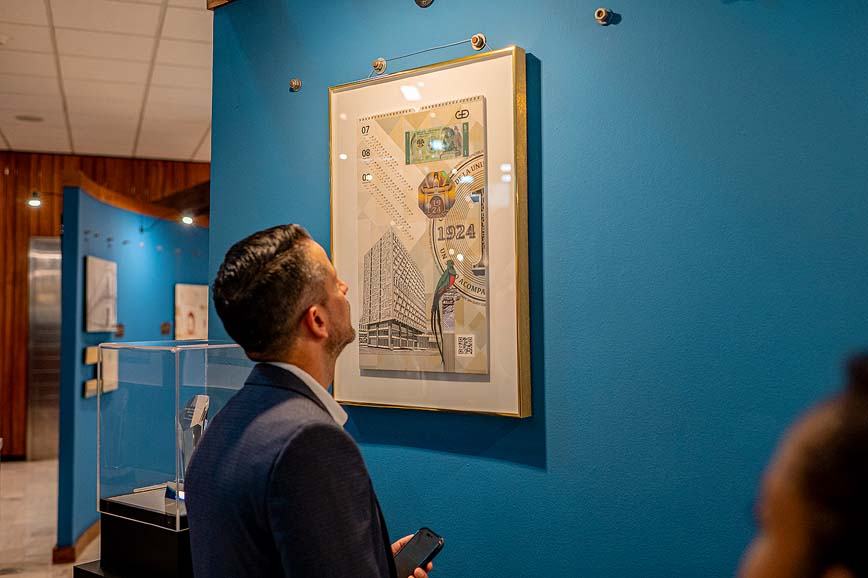
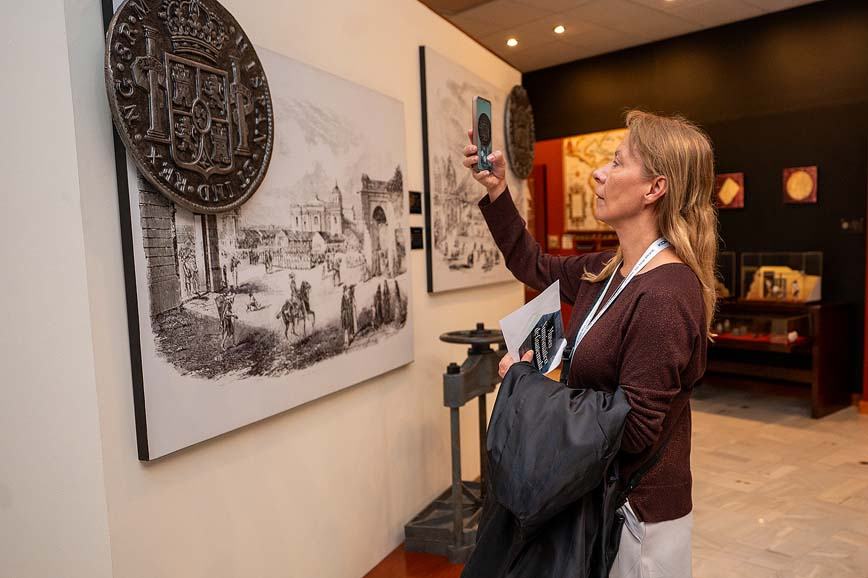
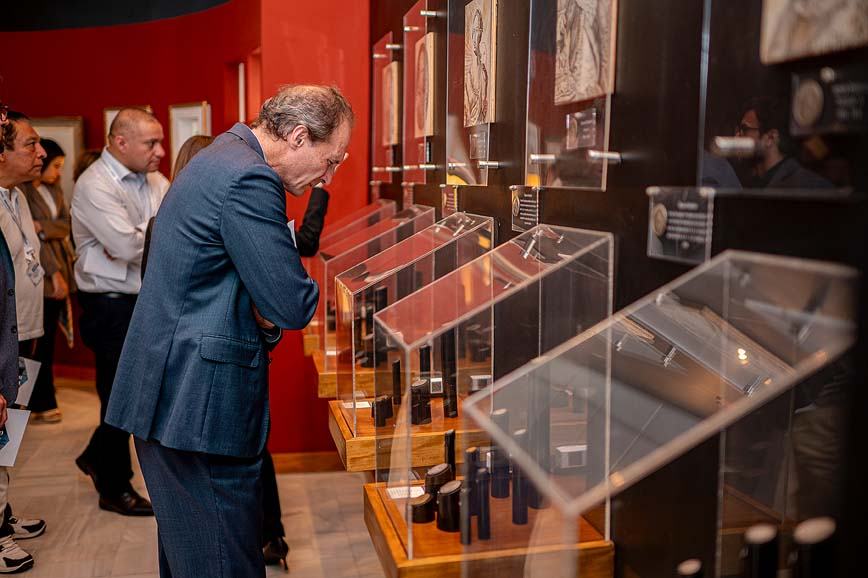
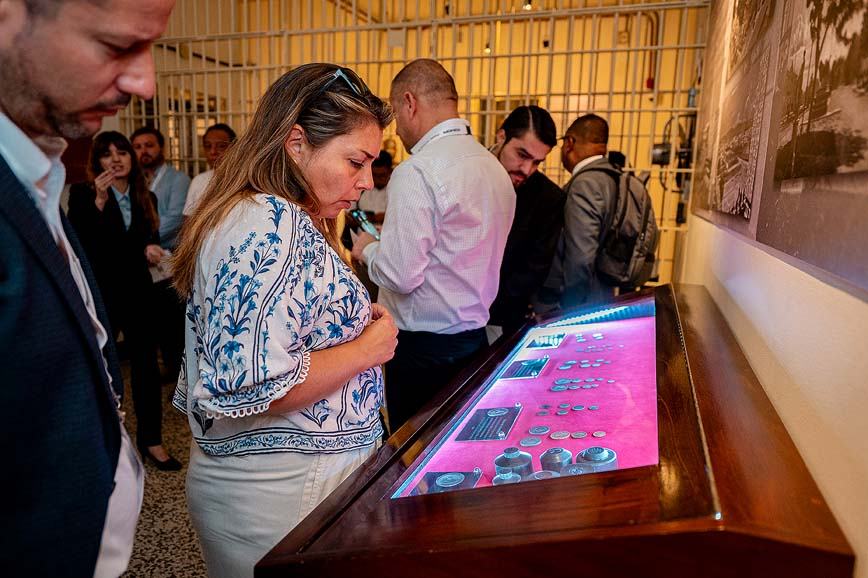
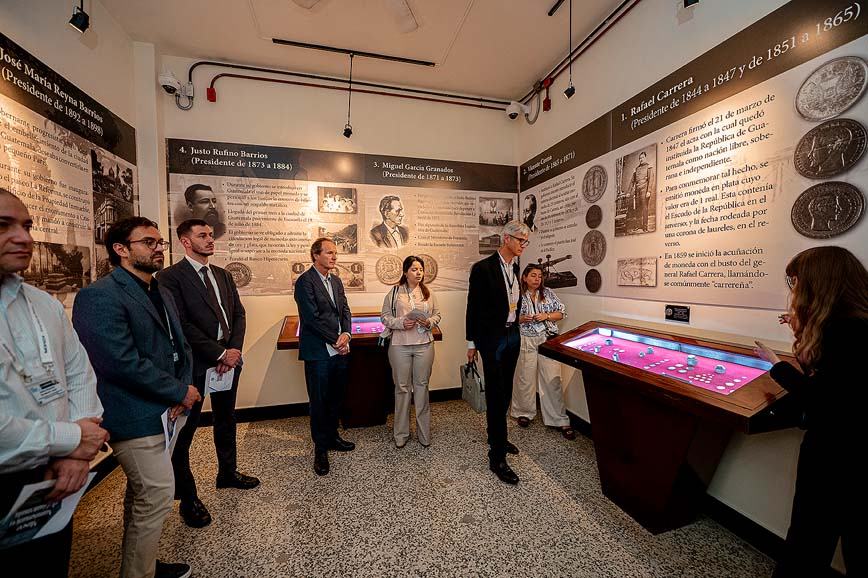
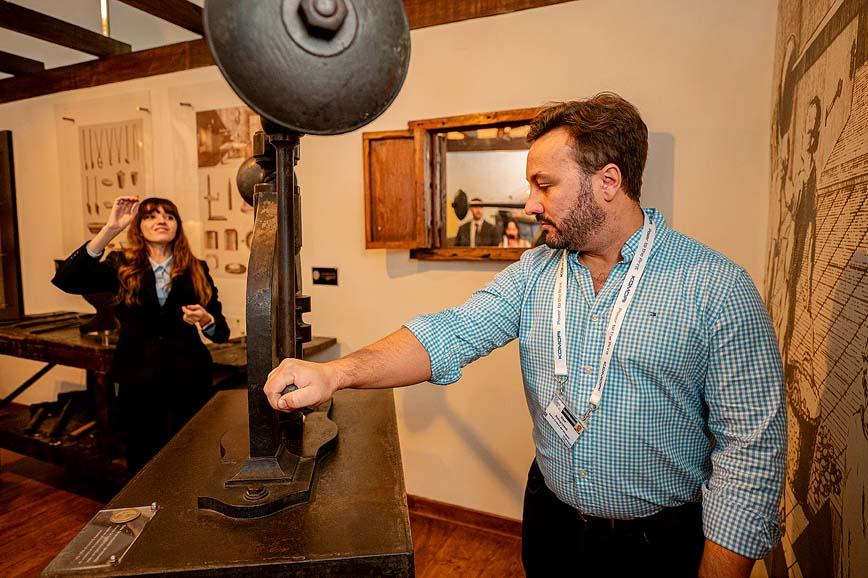
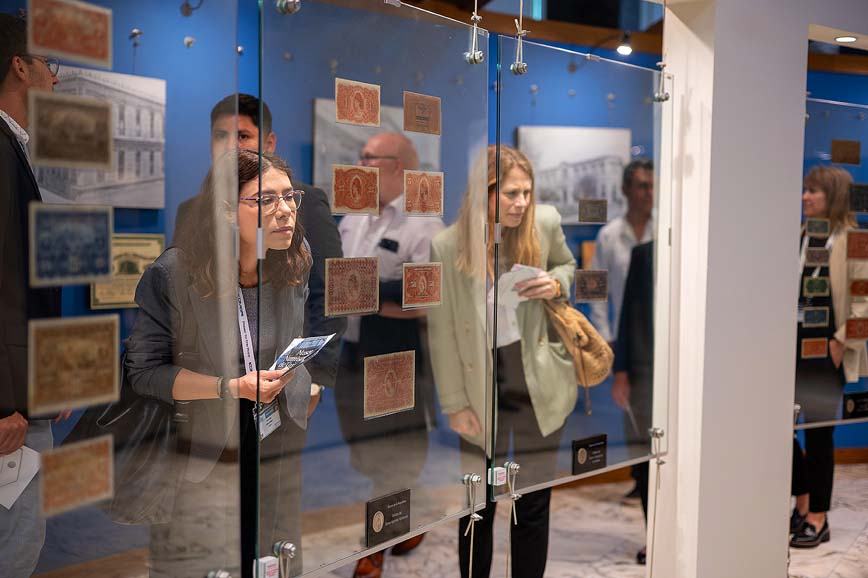
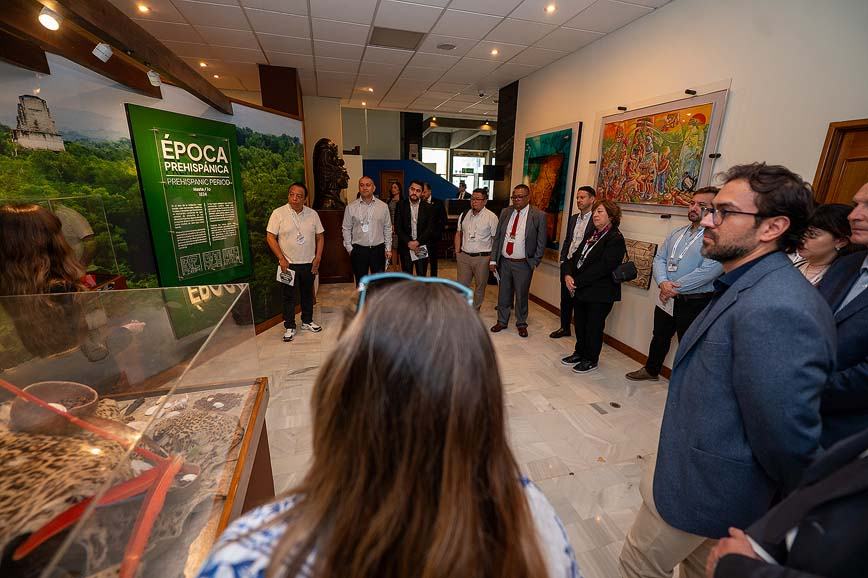
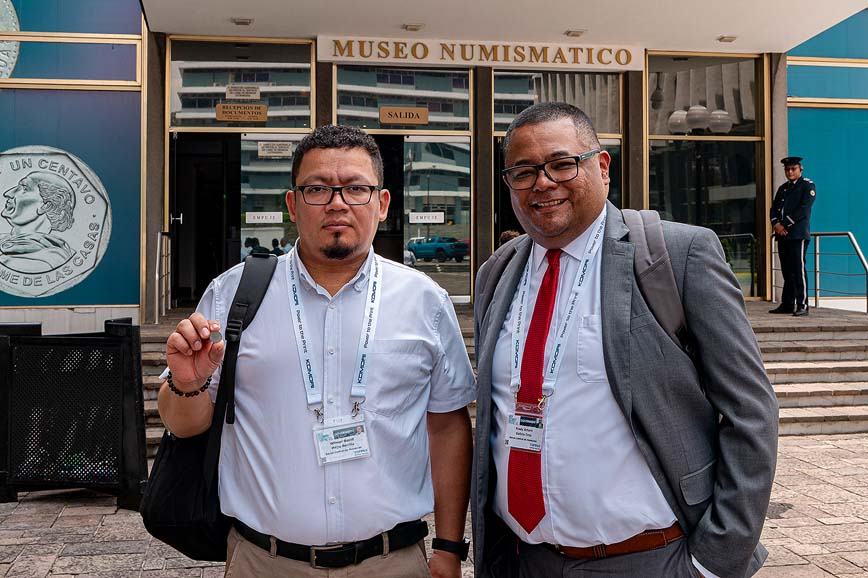
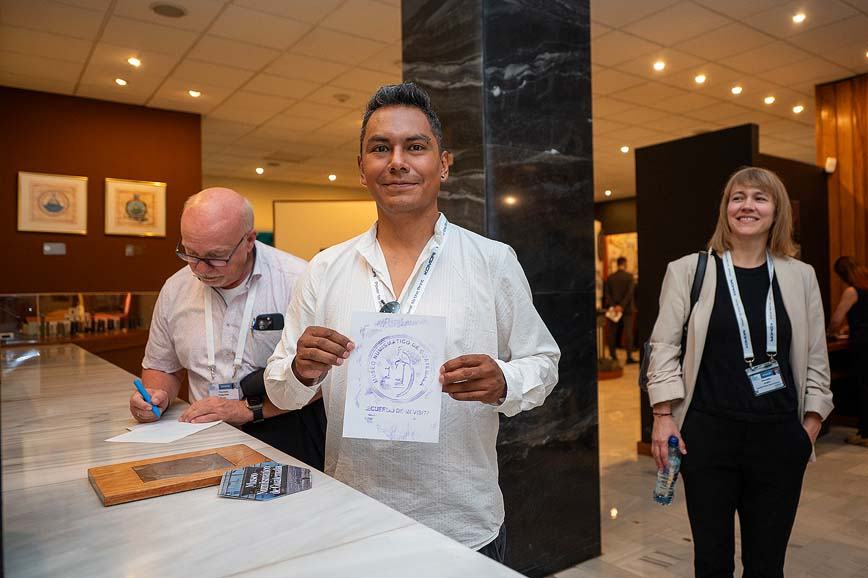
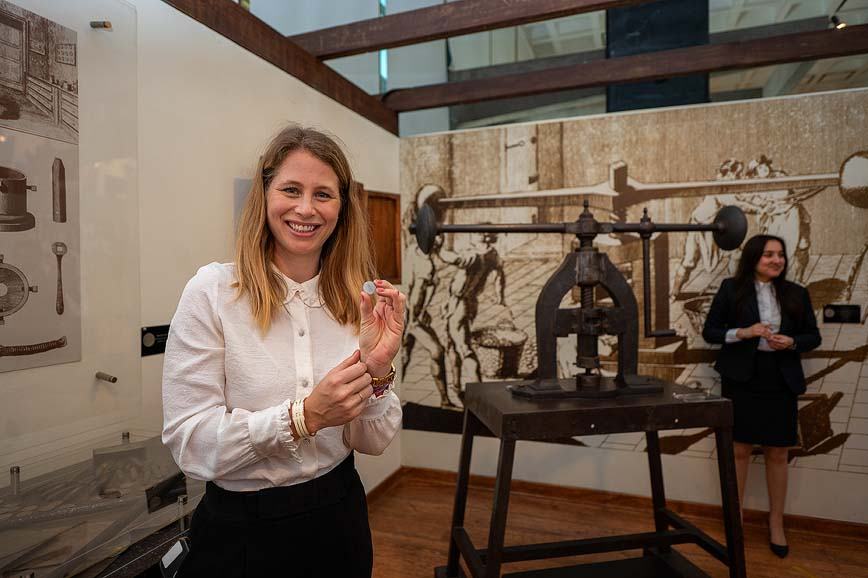
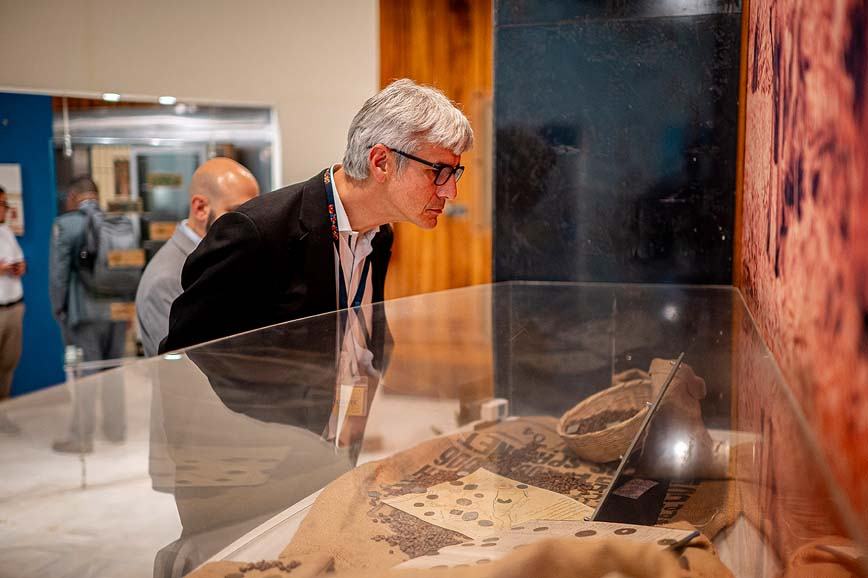
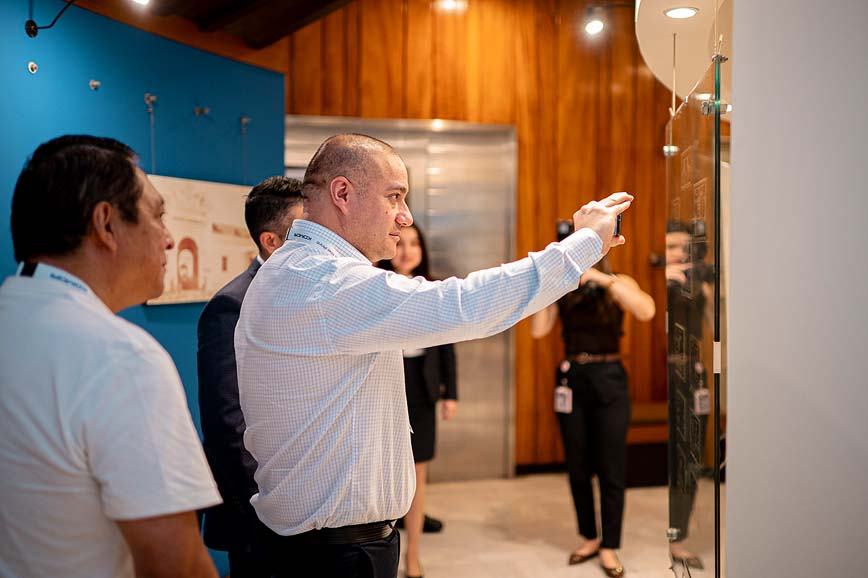
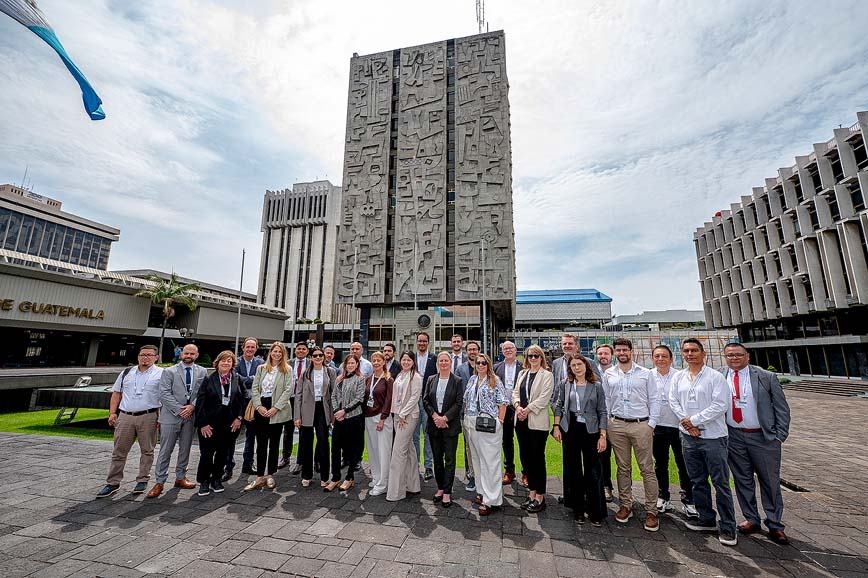
On the Thursday a number of delegates had the privilege of visiting the Banco de Guatemala, including its museum and offices. The visit provided a fascinating opportunity to explore the evolution of minting and banknotes across time.

We extend our sincere thanks to the Banco de Guatemala team for their warm hospitality and for the opportunity to experience their history and operations firsthand.

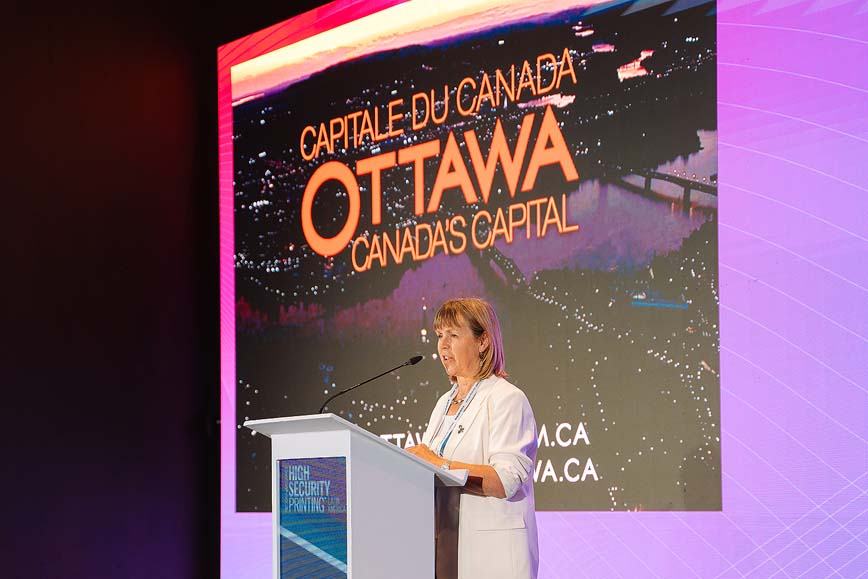
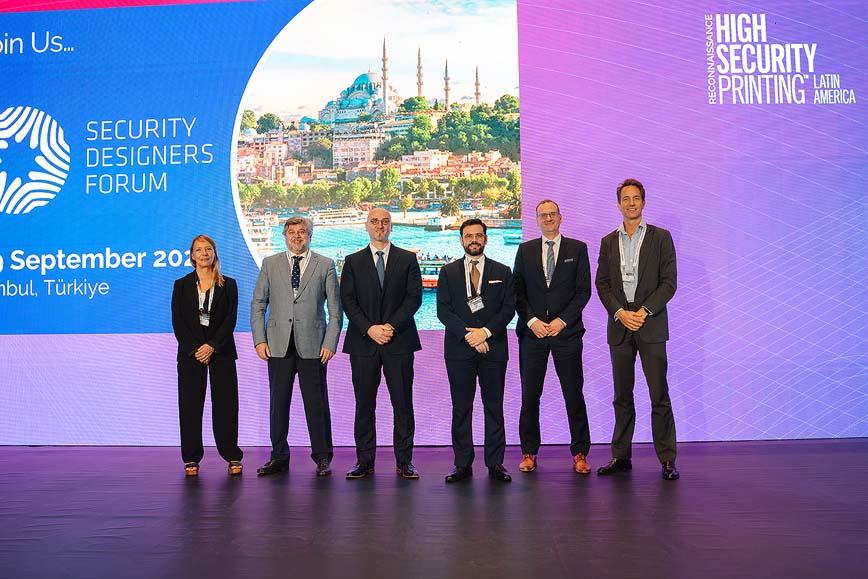
In a departure from tradition, the next event will take place in June 2027 in Ottawa, Canada, being renamed HSP Americas for the occasion. Other than the change of name and the move to North America on a one-time-only basis, nothing else changes – the conference will continue its focus on currency and ID issues in Latin America and the Caribbean and will continue to be run in Spanish and English.

1–3 June 2026

Programme

Monday 1 June 2026

Currency
Workshop

Monday 1 June

The Banknote Balancing Act – Making Informed Currency Choices

De La Rue Workshop. This will be open to central banks and state print works only, registration subject to approval – In Spanish and English

As central banks you face many important choices when it comes to managing your currency, from design and durability to cost, sustainability and public trust. This interactive workshop explores some of those choices, why they matter, and how data and expert insight can help guide the process. You’ll have the chance to share your thoughts, learn from others, and take part in a practical exercise where you’ll balance competing needs and priorities to make strategic currency decisions.

Identity
Workshop

, MVG ID Consultancy · Maickel van Oijen, Keesing Technologies

In English.

When designing identity documents, how do the priorities differ between the issuer, the manufacturer, and the verifier, and which perspective ultimately determines the document’s effectiveness against fraud?

Identity fraud remains one of the most pervasive threats in today’s interconnected world, exploiting both physical and digital vulnerabilities. This interactive seminar dives deep into the evolving tactics fraudsters use to manipulate identity documents whether forged passports, counterfeit driver’s licenses, or digitally altered credentials and the devastating impact these schemes can have on individuals and organisations. 

Monday 1 June

Unmasking Identity Fraud: Physical and Digital Document Threats Through Real Case Studies

Michael van Gestel, MVG ID Consultancy · Maickel van Oijen, Keesing Technologies

In English.

When designing identity documents, how do the priorities differ between the issuer, the manufacturer, and the verifier, and which perspective ultimately determines the document’s effectiveness against fraud?

Identity fraud remains one of the most pervasive threats in today’s interconnected world, exploiting both physical and digital vulnerabilities. This interactive seminar dives deep into the evolving tactics fraudsters use to manipulate identity documents whether forged passports, counterfeit driver’s licenses, or digitally altered credentials and the devastating impact these schemes can have on individuals and organisations. 

Through real-world case studies, participants will explore: 

Physical Document Fraud: Techniques used in forgery, tampering, and impersonation, and how frontline detection methods can fail. 

Digital Identity Fraud: Emerging trends in synthetic identities, deepfakes, and credential theft in online ecosystems. 

Hybrid Attacks: How fraudsters combine physical and digital tactics for maximum deception. 

The session will feature group discussions, and scenario-based problem-solving. 

Michael van Gestel
MVG ID Consultancy · Netherlands

Michael van Gestel

Head of Fraud Forensics & EU Operations Support

Michael is a leading expert in ID document security and fraud, with a career spanning both the private and public sectors. As Head of Fraud Forensics & EU Operations Support at Incode, he leads a team of forensic and fraud intelligence specialists, serves as the company's authoritative voice on document security, and acts as the senior in-region technical resource supporting Incode's Sales and Customer Success teams on high-stakes engagements. 


Before joining Incode and focusing on his own consultancy, Michael was VP of Expert Services at Onfido / Entrust, where he also headed up the company's Global Document and Fraud Strategy Team.

 
Earlier in his career, he worked as a Document Expert and international trainer at several global document checking and referencing companies.

Michael has served as an ID Document Authentication trainer at the Expertise Centre Identity Fraud and Documents (ECID), sharing his expertise with embassies, consulates, airlines, security agencies, immigration offices, and police departments around the world. He also delivered joint training sessions with Interpol. 
Michael began his career in the security sector at the Dutch Immigration Office and the Forgery Department at Schiphol Airport. 

Workshop

, Regula

In Spanish.

In Central banks, forensic examination of documents and banknotes is performed at the expert level, based on fraud cases escalated by commercial banks. Such examinations play a key role in validating findings, supporting further actions, and informing regulatory or supervisory decisions. This session is designed as practical forensic training for central bank experts, focusing on the examination and analysis of document and banknote fraud cases received from 1st level (commercial) banks. 

Monday 1 June

Currency and ID: Forensic Examination of Documents and Banknotes

Juan Manuel Padron Primo, Regula

In Spanish.

In Central banks, forensic examination of documents and banknotes is performed at the expert level, based on fraud cases escalated by commercial banks. Such examinations play a key role in validating findings, supporting further actions, and informing regulatory or supervisory decisions. This session is designed as practical forensic training for central bank experts, focusing on the examination and analysis of document and banknote fraud cases received from 1st level (commercial) banks. 

The emphasis is on hands-on forensic methodology, identification of observable indicators, and structured analysis applied to real examination cases. 

The seminar provides practical guidance on:

  • Forensic examination of documents and banknotes escalated by commercial banks, including ID-documents and other relevant financial documents
  • Identification and documentation of manipulation or inconsistency indicators
  • Use of Regula 4306 and Regula 4197 as practical tools for expert-level forensic analysis
  • Typical examination scenarios that support Central Bank decision-making The session equips Central Bank specialists with applied forensic knowledge and practical approaches that can be consistently used across fraud cases received from commercial banks.

Bring your counterfeit or fake banknotes, documents or dollars (optional)

Juan Manuel Padron Primo
Regula · Latvia

Juan Manuel Padron Primo

Doctor of Forensic Sciences, Master of Criminalistics, and specialist in Document Examination

Doctor of Forensic Sciences, Master of Criminalistics, and specialist in Document Examination. Certified Investigator by the National Public Security System in Mexico. Founder and Technical Leader of the Document Examination Department of the General Directorate of Expert Services in the State of Aguascalientes, Mexico. Investigator, delegate and representative for Latin America of ICCD (Scientific Institute of Documentary Criminalistics), based in Spain. www.iccd.es. REGULA Trainer for Latin America.

Tuesday 2 June 2026

Session 1The Regional Landscape for Secure Documents

09:00

Welcome

, Currency News

Astrid Mitchell
Currency News · United Kingdom

Astrid Mitchell

Editor

Astrid Mitchell is Chief Executive of Reconnaissance International. She has a degree in politics from Durham University, and began her career in the M&A department of De La Rue in 1983. She subsequently worked in a variety of marketing positions for the company before joining Applied Holographics (now OpSec) as Marketing Director. She then joined German banknote and passport printer Bundesdruckerei, before joining Reconnaissance in 2002, where she was responsible for company's move into high security, through publications such as Currency News (of which she is the editor), and events such as the HSPs and Coin Conference. She was also responsible for the company’s expansion into tax stamps and identity and is a regular contributor to Reconnaissance’s other monthly publications covering authentication, ID and secure documents, tax stamps and holography. She was appointed Chief Executive in 2016.

09:10

Welcome AddressSlides

, Central Bank of Guatemala

Alvaro González Ricci
Central Bank of Guatemala · Guatemala

Alvaro González Ricci

President

Guatemalan professional and President of the Central American Monetary Council. He has more than 35 years of experience in private banking, public finance and economic policy.

Throughout his career, he has served as a banker, member of Congress of the Republic, Minister of Public Finance, and representative of Guatemala before international organizations such as the IMF, World Bank, IDB, and CABEI. During his public service, he also chaired the Board of the Tax Administration Superintendency (SAT).

He holds a Bachelor’s degree in Marketing, a Master’s degree in Financial Administration, and executive education from Harvard University, Columbia University, and The New York Institute of Finance.

09:20

, Central Bank of Guatemala

Session 1 · Tuesday 2 June · 09:20

100 Years of Central Banking, 80 Years of Banco de Guatemala and a Commemorative Banknote

Alvaro González Ricci, Central Bank of Guatemala

Banco de Guatemala has used commemorative banknote issuances as an innovative communication strategy to strengthen the connection between the Guatemalan population and its central bank. In 2024, the institution issued a commemorative Q1.00 banknote to celebrate the centennial of the quetzal as the national currency. The note generated extraordinary public interest, becoming a highly sought-after collectible among Guatemalans.

In 2026, Banco de Guatemala introduced a new commemorative Q100.00 banknote to mark 100 years of central banking in the country and the 80th anniversary of the founding of Banco de Guatemala. Like the previous issuance, this banknote generated an overwhelming public response and a strong sense of national pride, demonstrating how Guatemalans value macroeconomic stability, institutional strength, and confidence in their currency.

Alvaro González Ricci
Central Bank of Guatemala · Guatemala

Alvaro González Ricci

President

Guatemalan professional and President of the Central American Monetary Council. He has more than 35 years of experience in private banking, public finance and economic policy.

Throughout his career, he has served as a banker, member of Congress of the Republic, Minister of Public Finance, and representative of Guatemala before international organizations such as the IMF, World Bank, IDB, and CABEI. During his public service, he also chaired the Board of the Tax Administration Superintendency (SAT).

He holds a Bachelor’s degree in Marketing, a Master’s degree in Financial Administration, and executive education from Harvard University, Columbia University, and The New York Institute of Finance.

09:40

Slides

, Federal Reserve Board

Session 1 · Tuesday 2 June · 09:40

Objectives and Latin American Insights from the U.S. Currency Education Program

Howard Williams, Federal Reserve Board

Laura’s remarks will discuss the role of the U.S. Currency Education Program and preliminary takeaways from the CEP’s recent Latin America cash usage study. She will also speak to the newest U.S. currency design and, in doing so, debunk common myths and misperceptions.  

Download the slides PDF · 2.7 MB · delegates only

Howard Williams
Federal Reserve Board · United States of America

Howard Williams

Currency Education and Communications Manager

Howard Williams is a global public affairs and strategic communications strategist with experience shaping reputation, policy-aligned messaging, and public trust for major institutions. He manages the Federal Reserve Board’s Currency Education Program, leading domestic and international outreach to strengthen global understanding of U.S. currency security and use. Howard has directed multi-million-dollar campaigns, advised senior executives and policymakers, and led global teams and agencies across high-stakes policy, financial, and corporate environments.

His career spans corporate, agency, and public-sector leadership roles, including positions at Ogilvy Public Relations, AT&T, Golin, Elsevier, and through his own consultancy.

Howard holds an MPS in Strategic Public Relations from The George Washington University and a BA in Communications from the University of Maryland.

10:00

, Brazilian Federal Police

Session 1 · Tuesday 2 June · 10:00

When Security Features Are Imitated: Forensic Insights from Counterfeiting Operations in Brazil

Acir de Oliveira Junior, Brazilian Federal Police

Security features are a fundamental component of banknotes and identity documents, providing layered protection and enabling authenticity verification at different levels. Counterfeiters, however, continuously adapt their methods to balance production cost and visual acceptance, often targeting features intended for first-level verification.

This paper presents a forensic analysis of how security features present in Brazilian banknotes have been simulated by criminal groups over the last five years. The study is based on examinations conducted by the Brazilian Federal Police following the dismantling of more than thirty counterfeit laboratories dedicated to currency and identity document forgery.

The presentation discusses simulation techniques observed in watermarks, holographic stripes, intaglio effects, optically variable inks, substrates and surface textures, as well as the materials, inks, printing methods and tools employed. Particular attention is given to the distinction between visual similarity and functional security, highlighting cases in which simulated features closely resemble genuine elements but fail under forensic examination.

Findings indicate that low-cost digital printing technologies remain the main production method, with counterfeiters prioritising features visible during first-level checks. The paper concludes by discussing implications for document design, training and verification strategies.

Acir de Oliveira Junior
Brazilian Federal Police · Brazil

Acir de Oliveira Junior

Acir de Oliveira Junior is a Federal Criminal Expert with the Brazilian Federal Police since 2002, holding degrees in Civil Engineering and Production Engineering, with over 24 years of experience in criminalistics. He previously led the Engineering Forensics Service and participated in major investigations, including Operation “Lava Jato”. Since 2010, he has specialized in forensic document examination, counterfeit currency analysis and forensic intelligence, serving as Head of the Document Examination Service. He contributed to the PROMETHEUS project, supporting investigations that led to the dismantling of more than 25 counterfeit production laboratories in Brazil. He currently serves as Vice-President of AMERIPOL’s International Committee on Documentology and Graphology.

10:20

Latest Developments ID in Latin America and the Caribbean

, Reconnaissance International

Samantha Burns
Reconnaissance International · United Kingdom

Samantha Burns

Director of Business Development

Samantha Burns is Director of Business Development at Reconnaissance. She is responsible for the company’s activities in business growth, relationship management and international event management.

She is also Conference Director for our flagship High Security Printing™ events. She has more than 20 years of experience in business administration, project management, marketing and communications. 
She is based in Northumberland (north-east England). Samantha is a graduate of Northumbria University in Management Development and during her career has held project and communication positions in both local government and commercial organisations. She joined Reconnaissance in 2016.

Q&A

Break and Exhibition Viewing

Currency

Session 2Design and Security

11:30

Slides

, CCL Secure

Session 2 · Currency · Tuesday 2 June · 11:30

Structural vs. Superficial Security: Navigating Substrate Decisions in the New Era of Counterfeiting *Presenting in Spanish

Javier Andino, CCL Secure

Banknote counterfeiting has entered a new era, driven by democratized access to high-resolution digital printing technologies, artificial intelligence, and global distribution networks for “movie/ prop money”.

This new landscape has drastically shortened counterfeiters adaptation cycles, which have shrunk from decades to barely a few years

Consequently, Central Banks are being forced to rethink the effectiveness of traditional security measures and pursue structural solutions to stay ahead of the threat


Seguridad Estructural vs. Superficial: ¿Cómo decidir el sustrato ante la nueva era de la falsificación?

La falsificación de billetes ha entrado en una nueva era, impulsada por el acceso democratizado a tecnologías de impresión digital de alta resolución, inteligencia artificial y redes globales de distribución de “dinero de utilería” (movie money). 

Este nuevo escenario ha reducido drásticamente los ciclos de adaptación de los falsificadores, pasando de décadas a apenas unos cuantos años, lo que obliga a los Bancos Centrales a repensar la eficacia de las medidas de seguridad tradicionales y buscar nuevas soluciones.


Download the slides PDF · 11.7 MB · delegates only

Javier Andino
CCL Secure · Australia

Javier Andino

Technical Services Manager - Latin America

Javier Andino Marenco is the Technical Services Manager for CCL Secure Latin America. He has 23 years of experience in cash management. Prior to joining CCL, Javier spent 14 years at the Central Bank of Costa Rica, where one of his outstanding achievements was leading the 2009/2017 Costa Rican banknote series projects.

Javier holds a Master’s degree in Social Responsibility and Sustainability from the National University of Costa Rica and a Bachelor’s degree in Industrial Maintenance Engineering from the Costa Rica Institute of Technology (TEC). He is a Certified Quality Engineer (CQE) by the ASQ (American Society for Quality) and holds Six Sigma certifications. Additionally, he completed the Circular Economy program at UC Berkeley and a diploma in Strategic Sales Management from Tecnológico de Monterrey

11:50

, SICPA · , SICPA

Session 2 · Currency · Tuesday 2 June · 11:50

Disruptive by design – Revealing our New House Note *Presenting in Spanish

Diego Oller, SICPA · Arturo Salgado, SICPA

Explore the new SICPA House Note conceived as an integrated design exercise, where intaglio printing provides the underlying structure bringing together contemporary expression, sight and touch, security and creativity. 
Rather than layering elements side by side, the design is built through integration. Lines, textures, colour and relief grow from a shared foundation, allowing diverse visual and tactile experiences to coexist within a single, coherent composition. Optical effects, shifting perspectives and layered readings emerge naturally from this convergence, illustrating how contrast can generate unity and coherence within the overall design. 
The presentation invites the high security printing community to reflect on how design integration is vital to strengthen the aesthetics, security and utility of the banknote, and to maximise the impact of communication with the public. 

Diego Oller
SICPA · Switzerland

Diego Oller

With over 20 years of experience, having worked in various organizations including the Ministry of Finance and the Argentine Mint, Diego is now SICPA's Managing Director for Latin America.

He is a specialist in the development, production, and trading of payment methods and physical-digital security documents, as well as fiscal and identity documents.

His responsibilities at SICPA include government and central bank relations, operations across various industries, and leading teams throughout the region, driven by a deep-rooted passion for the industry.

Arturo Salgado
SICPA · Switzerland

Arturo Salgado

Arturo Salgado is General Manager at SICPA Mexicana, a strategic ink manufacturing plant for Latin America, where he leads the company’s activities in Mexico and supports selected countries across the region, with a strong focus on government and central bank relationships, security solutions, and business development.

He has extensive experience in high‑security printing and authentication technologies, covering banknotes, identity documents, tax stamps, and secure documents. In his role, Arturo oversees strategic customer engagement, regional operations, and the introduction of innovative security features tailored to local market needs.

Prior to joining SICPA, Arturo spent 10 years at Thomas Greg & Sons, developing passport and national ID projects across Mexico, Latin America, and North America.

12:10

Slides

, Oberthur Fiduciaire

Session 2 · Currency · Tuesday 2 June · 12:10

Meet the Newest Members of our Anima™ Security Threads Family

Camille Cossec, Oberthur Fiduciaire

If you are interested in banknote design, this session is one not to miss! We will unveil Oberthur Fiduciaire’s new design direction, rooted in a strong user-centric approach that seamlessly integrates security features with visual storytelling. And a heads-up: this won’t be your standard design presentation. We’ve deliberately taken a different path to make it engaging, memorable, and genuinely refreshing.

Download the slides PDF · 5.3 MB · delegates only

Camille Cossec
Oberthur Fiduciaire · France

Camille Cossec

Sales Area Manager (Latin America and Caribbean)

Camille Cossec was born in France and graduated from Toulouse Business School and from Universidad de los Andes in Bogota in 2011, with a special focus on international business.

She worked for Idemia in Colombia for 4 years and then spent 8 years as Sales Area Manager for the Latin America region for SURYS. She is now Sales Area Manager for Oberthur Fiduciaire, for Latin America and the Caribbean regions. Oberthur Fiduciaire is one of the world’s leading privately owned security printers specialising in the production of innovative security features, durable banknote paper and banknotes in more than 70 countries.


Camille Cossec nació en Francia y se graduó de Toulouse Business School y de la Universidad de los Andes en Bogotá en 2011, con especial enfoque en negocios internacionales.

Trabajó para Idemia en Colombia durante 4 años y luego pasó 8 años como gerente de ventas para la región de América Latina para SURYS. Actualmente es gerente de ventas para Oberthur Fiduciaire, para la región de América Latina y el Caribe. Oberthur Fiduciaire es una de las imprentas de seguridad privadas líderes en el mundo especializada en la producción de elementos de seguridad innovadores, papel duradero para billetes y billetes en más de 70 países.

12:30

Slides

, Hueck Folien

Session 2 · Currency · Tuesday 2 June · 12:30

VAULT BILL — Can You Crack the Code of True Identity?

Jan Hofmann, Hueck Folien

Step into the world of VAULT BILL — where identity is crafted, not claimed.
Inspired by the noir aesthetics of hidden details, shifting perspectives, and the tension between what’s shown and what’s concealed, Hueck Folien unveils a banknote concept engineered for scrutiny. Every feature has intent, every layer serves a purpose, and every detail invites you to look closer. But here’s the challenge: Can you crack the code? Can you distinguish the authenticity from the imitation when the city blurs and only precision remains?

In this session, we reveal how VAULT BILL transforms security into experience — merging tactile truth, visual storytelling, and next‑level anti‑counterfeiting features into a design that doesn’t shout but stands unshakably firm when questioned.

Are you ready to decode identity?

Download the slides PDF · 4.1 MB · delegates only

Jan Hofmann
Hueck Folien · Austria

Jan Hofmann

Head of Sales Security

Jan Hofmann holds a diploma in Printing Engineering and Economics from the Printing University in Stuttgart, Germany. After several years working as a Producer in the commercial printing and packaging industry, he transitioned into the banknote industry in 2006. As Regional Sales Director at Giesecke & Devrient GmbH, he was responsible for the sales of banknotes, as well as commodities and machinery. In 2015, he joined Hueck Folien GmbH as Head of Sales for their Security Division, where he is now responsible for the sales of high-security threads and foils.

12:50

Slides

, Polish Security Printing Works (PWPW)

Session 2 · Currency · Tuesday 2 June · 12:50

100 Quetzales Commemorative Note – Merging the Heritage, Presence, and Innovation into the Banknote Design.

Radosław Śliwa, Polish Security Printing Works (PWPW)

The 100 GTQ Commemorative banknote design emerged from very interesting concept of: drawing back to the historical design of this denomination, the necessity to adapt it to its present version and look and finally adding on top of it the newest technology in form of cutting-edge security features. It’s a story on compromise, selective decision making and taking up technological challenges that led to satisfactory result of creating a banknote to celebrate 80 years of the Bank of Guatemala and keeping its look of the denomination in circulation for daily unaltered payments.

It’s a message about the event to commemorate that goes from hand to hand, form eyes to eyes and at the same time it fulfils its primordial task of value flow.  


Download the slides PDF · 25.0 MB · delegates only

Radosław Śliwa
Polish Security Printing Works (PWPW) · Poland

Radosław Śliwa

Banknote Product Manager

Radosław Śliwa is Banknote Product Manager at Polish Security Printing Works where he is responsible for developing company’s product offer and innovative partnerships within the banknote industry. Radosław joined PWPW in 2017 increasing its international presence effectively on international markets. He is a big fan of simple, functional, and visually attractive solutions. The committed PWPW’s team of professionals in the field of research, development, design, and production make his role enjoyable and the portfolio of successful implementations grows.

Q&A

Identity

Session 2Regional Developments in Identity Documents

11:30

Slides

, National Registry of Persons, Argentina

Session 2 · Identity · Tuesday 2 June · 11:30

Evolution of National Identity in Argentina: Integration of eMRTD Standards and Cryptographic Validation *Presenting in Spanish

Flavio Brocca, National Registry of Persons, Argentina

Argentina presents the latest update to its national identity system, centered on the new polycarbonate eDNI developed under the ICAO (9303) eMRTD international standard. This implementation extends beyond a simple change in the physical medium; it integrates a cloud services architecture and REST API technology, consolidating a reliable and scalable validation ecosystem for third-party service providers.

The core of this solution is the capacity to perform remote cryptographic validations. Through a technical workflow that links dynamic QR codes with the NFC reading of the document’s chip, data authenticity is verified directly and securely. This approach mitigates the risks inherent in traditional Optical Character Recognition (OCR) and digital image manipulation by basing trust on the verification of the state-issued digital signature.

RENAPER’s experience demonstrates how a robust digital identity framework contributes to the development of the digital economy, facilitating secure identification processes in critical sectors such as finance and healthcare. Presenting this model will provide an opportunity to share a practical, standard-based solution to combat fraud and ensure legal certainty in non-face-to-face environments.

Download the slides PDF · 1.3 MB · delegates only

Flavio Brocca
National Registry of Persons, Argentina · Argentina

Flavio Brocca

Director General of Information Technology and Innovation in Identity

Strategic technology leader with over 18 years of experience in Digital Transformation and Secure Identity Ecosystems. As the current Chief Technology Officer (CTO) of the National Registry of Persons (RENAPER) of Argentina, Flavio has led the national evolution of the electronic national identity document (eDNI), integrating ICAO 9303 standards and ISO/IEC 18013-5 protocols. He is an expert in aligning high-level public policies with cutting-edge technical implementations, including AI-driven automation and scalable cloud architectures.

11:50

Slides

Americo Rodriguez, Junta Central Electoral

Session 2 · Identity · Tuesday 2 June · 11:50

The Dominican Republic: Next Generation National Identity Card

Americo Rodriguez, Junta Central Electoral

The Dominican Republic implemented a next-generation national identity card system led by the Central Electoral Board (JCE), designed to strengthen security, digital trust, and public service modernization. The new ID card integrates advanced polycarbonate construction, high-security laser personalization, multi-layered Level 1–3 security features, and biometric deduplication processes to ensure robust identity integrity and fraud prevention.

Beyond physical security, the project introduces a comprehensive digital identity framework incorporating PKI-based digital signatures, enabling citizens to securely access government services and digitally sign official transactions. The system architecture supports interoperability across public institutions and future integration with mobile identity credentials.

Transforming National Identity: The Dominican Republic’s New Secure eID Ecosystem

This presentation will provide a technical overview of the card’s security design, personalization infrastructure, production controls, and governance model. It will also address operational challenges in large-scale ID replacement programs, including data migration, public communication, cybersecurity safeguards, and stakeholder coordination.

The Dominican experience offers valuable insights for Latin American countries pursuing secure, interoperable, and digitally enabled national ID ecosystems.

Download the slides PDF · 8.4 MB · delegates only

12:10

Slides

, Thales · , Dominican Republic Passport Agency

Session 2 · Identity · Tuesday 2 June · 12:10

The New Dominican Republic ePassport

Pablo Jury, Thales · Lorenzo Ramirez, Dominican Republic Passport Agency

In 2025, the Dominican Republic successfully implemented its new generation electronic passport (ePassport), marking a major milestone in the country’s modernization of secure identity and travel documents. Implemented in partnership with Thales and the local partner MIDAS, this national project represents a strategic step forward in strengthening document security, enhancing international interoperability, and improving the citizen experience. 

This presentation will provide a comprehensive overview of the project journey—from vision and planning to nationwide deployment. Attendees will gain insight into how the Dominican authorities approached modernization, ensured compliance with international standards, and managed a smooth transition from the previous passport system to a fully integrated, future-ready solution. 

Beyond technology, this case study highlights governance, coordination, and stakeholder collaboration as key enablers of success. It will also explore how the project supports border security, reinforces trust in Dominican travel documents, and positions the country within the evolving global identity ecosystem. 

Designed for decision-makers and document specialists alike, this session will offer practical lessons learned, key success factors, and perspectives that can inspire similar initiatives across the region. Join us to discover how the Dominican Republic turned a strategic ambition into a secure and tangible national achievement. 


Download the slides PDF · 6.1 MB · delegates only

Pablo Jury
Thales · France

Pablo Jury

Marketing and Strategy Manager for Latin America

Pablo Jury joined Thales in 2017, after the acquisition of the portfolio Biometrics and Document Readers from 3M. He was in charge of the sales team of these solutions in Latin America to later assume the responsibility for marketing and channel development for all Biometrics and Identity business in the region. Previously, he had led sales and marketing teams in different business areas including electricity markets, telecommunications and road safety, but always focusing on technology solutions and data network. He studied Civil Industrial Electrical Engineering at the Catholic University of Chile and also holds an Executive MBA from the same university. Additionally, he is certified as a Black Belt in the Six methodology, Sigma. His great challenge is the development of new solutions related to identity and biometrics so that they help customers in different markets to simplify and optimize their processes, and to provide greater safety and reliability.
Lorenzo Ramirez
Dominican Republic Passport Agency · Dominican Republic

Lorenzo Ramirez

President Luis Abinader appointed industrial engineer Lorenzo David Ramírez Uribe as Director General of Passports for the Dominican Republic through Decree 314-24. With a strong background in productivity and quality from the Technological Institute of Santo Domingo (INTEC), Ramírez Uribe holds international certifications such as Certified Quality Auditor (ASQ), Six Sigma Green Belt, and CAPA Expert, in addition to extensive experience in lean manufacturing, project management, and quality systems.

His career includes leadership roles in multinational companies and at the Dominican Institute for Quality (INDOCAL), where he strengthened the country's standardization and metrology, as well as participation in COPANT and ISO international assemblies.

Today, as Director General of Passports, Ramírez Uribe is leading the implementation of the electronic passport, a key project to modernize public services and ensure greater security, efficiency, and reliability in the issuance of travel documents.

12:30

One Identity System for Costa Rica *Presenting in SpanishSlides

, Supreme Electoral Tribunal

Tommy Aguilar
Supreme Electoral Tribunal · Costa Rica

Tommy Aguilar

Mr. Tommy Aguilar Peralta is the Coordinator of Technological Strategy Management of the Supreme Electoral Tribunal of Costa Rica, with more than 20 years of experience in the area of information technologies. He has led projects related to biometric engines, implementation of personalization centers, as well as managing the project that implemented the Costa Rican digital identity. His strategic vision will provide a valuable perspective on the issue of digital identity documents and the future vision of their usefulness in the different sectors of the country.

12:50

Slides

, National Department of Immigration, Argentina

Session 2 · Identity · Tuesday 2 June · 12:50

Fragmented International Order: The Strategic Role Of Secure Documents *Presenting in Spanish

Monica Peralta, National Department of Immigration, Argentina

FRAGMENTED INTERNATIONAL ORDER: THE STRATEGIC ROLE OF SECURE DOCUMENTS

We are witnessing the emergence of a new international order, characterized by an increasingly fragmented world. This situation is reflected in various social phenomena, including armed conflicts and the mass displacement of people. At a time when migration is questioned, criticized, and reviewed by many countries, multiple factors affect the legal status of individuals. In this context, risks associated with the verification of their true identities are increasing. From this perspective, this presentation will analyze the role played by secure documents within the framework of the current global scenario.

Download the slides PDF · 1.9 MB · delegates only

Monica Peralta
National Department of Immigration, Argentina · Argentina

Monica Peralta

Forensic Document Expert

Mónica is a forensic document examiner at National Department of Immigration in Argentina. Her duties include determining the authenticity or reveal alterations of travel and identification documents. She acts as professor of Documentology in the Master´s Degree in Forensic Criminological and Bachelor´s in Criminalistics at Policía Federal University. She obtained a professional degree as a Seguridad Graduate. Holds a post graduate degree as Specialist in Scientific Crime Research and a Diploma in Judicial Expertise from the Law School of the Austral University. Author and Co-author in publications specialized in travel documents. Speaker of several international conferences in the field of document security. Examinadora forense de documentos en la Dirección Nacional de Migraciones de Argentina. Su actividad incluye determinar la autenticidad o revelar alteraciones de documentos de viaje y de identidad. Se desempeña como profesora de Documentología en la Maestría en Criminología Forense y en la Licenciatura en Criminalística de la Universidad de la Policía Federal. Obtuvo el título profesional de Licenciada en Seguridad. Posee un posgrado de Especialista en Investigación Científica Criminal y un Diplomado en Pericia Judicial de la Facultad de Derecho de la Universidad Austral. Autor y coautor en publicaciones especializadas en documentos de viaje. Ponente de varios congresos internacionales en el campo de la seguridad documental.

Q&A

Lunch

Currency

Session 3Substrates and Features

14:30

Slides

, Landqart

Session 3 · Currency · Tuesday 2 June · 14:30

Better Banknotes are Made with Durasafe

Richard Perera, Landqart

When it comes to ensuring a resilient cash cycle, it is important that the banknotes used serve their specific function.
Whether it’s ensuring they can circulate and withstand processing for longer or are ahead of the counterfeiters during the life of the family, the choice of substrate is crucial. Better substrates make for better banknotes

Download the slides PDF · 6.1 MB · delegates only

Richard Perera
Landqart · Switzerland

Richard Perera

Director of Marketing Services

Richard Perera is the Director of Marketing Services at Landqart AG, where he oversees Product Management, Design, and Communications. Since 2011, he has held various roles within the company, beginning with sales operations in the Americas. With over 25 years of experience in the currency industry, Richard possesses a unique end-to-end understanding of the global cash cycle, from high-security substrates to complex distribution networks. Having worked extensively with government and commercial clients worldwide, he brings a strong strategic perspective on currency innovation. Richard holds Masters’ degrees from the University of St Andrews in Business Management and International Relations.

14:50

Slides

, Papierfabrik Louisenthal

Session 3 · Currency · Tuesday 2 June · 14:50

Two Motifs, one Story, Double Security: Features that turn Banknotes into Visual Experiences

Regina Brandhofer, Papierfabrik Louisenthal

What if a security feature could do more than protect — what if it could communicate?

Security evolves when proven principles are taken one step further. From historical landmarks to national wildlife, from anniversaries to commemorative notes, security features help translate meaning into movement – turning stories into visual experiences the public connects with instantly. The latest development from G+D Louisenthal feels instantly recognizable, visually compelling, and intuitively secure. By uniting powerful protection with striking visual impact, it significantly strengthens counterfeit resilience while reinforcing national identity and elevating the overall character of the note. Moreover, double security embodies the unique synergy between the inherent security provided by the choice of banknote substrate and cutting-edge security features, creating a holistic approach to protection, design, and inspiring confidence in every note.

Download the slides PDF · 6.4 MB · delegates only

Regina Brandhofer
Papierfabrik Louisenthal · Germany

Regina Brandhofer

Regina is an International Sales Manager at G+D Louisenthal, responsible for the Latin American and European markets. She has been with Louisenthal for eight years and specializes in state‑of‑the‑art security features and banknote substrates. Regina studied Business Administration in Germany and Mexico, focusing on International Business, and completed her MBA in 2024 at FOM University of Applied Sciences in Munich. In her role, she supports central banks and government institutions with tailored security solutions.

Regina es International Sales Manager en G+D Louisenthal, responsable de los mercados latinoamericano y europeo. Lleva ocho años trabajando en Louisenthal y es experta en características de seguridad de última generación y en sustratos para billetes. Estudió Administración de Empresas en Alemania y México, con un fuerte enfoque en Negocios Internacionales, y completó su MBA en 2024 en la FOM University of Applied Sciences de Múnich. En su función, apoya a bancos centrales e instituciones gubernamentales con soluciones de seguridad a medida.

15:10

Extending Product Lifecycle Using Recovered and Reprocessed FibresSlides

, BP Security

Alexandre Gilberti
BP Security · Brazil

Alexandre Gilberti

Operational Director

COO at Blendpaper
Mechanical and Industrial Engineer with specialization in Project Management (PMP). Specialist in security paper and banknote manufacturing processes, with expertise in continuous improvement, quality assurance, and operational excellence.

With leadership experience in the pulp and paper industry since 2007, he has led projects involving cotton-based fibers, banknote substrates, high-security papers, and sustainable solutions for the security printing industry.

15:30

Slides

, Leonhard KURZ

Session 3 · Currency · Tuesday 2 June · 15:30

Designed to Endure *Presenting in Spanish

Mario Huttny, Leonhard KURZ

Built for the present. Ready for the future. Design to Endure explores how innovative and sustainable designs and technologies create robust, future-proof security solutions that stand the test of time.

Download the slides PDF · 14.3 MB · delegates only

Mario Huttny
Leonhard KURZ · Germany

Mario Huttny

Mario serves as Regional Manager, Banknotes Security at KURZ, where he works with central banks, security printers and paper mills in Europe and Latin America on banknote security technologies. Based on his international experience and a perspective outside the traditional security printing industry, he focuses his work on one of the main challenges of public authentication: developing highly secure security elements, but easy to recognize for the citizen.

15:50

, De La Rue

Session 3 · Currency · Tuesday 2 June · 15:50

From Strength to Strength : How SAFEGUARD® is Transforming the Banknote Industry

Barnaby Dicks, De La Rue

SAFEGUARD® stands as a global benchmark in polymer banknote technology, trusted by 30 issuing authorities and used in 95 denominations across five continents. Renowned for its exceptional durability and usability, it also delivers advanced security through a comprehensive suite of visually engaging and highly secure printed, applied and embedded authentication and anti-counterfeit features. Yet at De La Rue, progress never pauses. Our multidisciplinary teams, spanning scientific research, product development and advanced manufacturing, are driving an ambitious innovation roadmap set to redefine industry standards and shape the future of secure currency through cutting-edge product and feature development.

Barnaby Dicks
De La Rue · United Kingdom

Barnaby Dicks

Barnaby Dicks is the Business Development Director for the Americas at De La Rue. Barnaby joined De La Rue in 2008 initially in the Security Print division looking after the Caribbean and latterly in the Currency Division. Currently based at De La Rue UK he has also had placements in Kuala Lumpur and Miami. Before joining De La Rue Barnaby was Sales Director at a vehicle export distributor responsible for fleet sales to Government, Humanitarian and Commercial sectors operating in the developing world.

Q&A

Identity

Session 3Design & Security

14:30

, SICPA · , SICPA

Session 3 · Identity · Tuesday 2 June · 14:30

Next-generation security features for polycarbonate passport data pages and national ID cards *Presenting in Spanish

Arturo Salgado, SICPA · Diego Oller, SICPA

SICPA’s next-generation security features are now available to governments to redefine how they protect and enhance polycarbonate passport data pages and national ID cards.  
By combining SPARK® and OPALINE® on pre-printed transparent laminates, authorities can integrate complementary, high-performance security elements that address both visible authentication and the protection of sensitive data. 

SPARK® delivers instant, intuitive authentication through dynamic optical effects, making documents highly resistant to forgery while reinforcing trust and national image. 

In parallel, OPALINE® protects the photo and personal data, combining colour-shift and polarisation effects with great design flexibility and seamless integration into existing manufacturing processes. 
Together, these solutions provide a holistic, future-ready approach to physical document security—enhancing fraud resistance, operational efficiency, control interoperability and sovereignty protection, while enabling both authorities and printers to meet evolving requirements without added complexity. 

Arturo Salgado
SICPA · Switzerland

Arturo Salgado

Arturo Salgado is General Manager at SICPA Mexicana, a strategic ink manufacturing plant for Latin America, where he leads the company’s activities in Mexico and supports selected countries across the region, with a strong focus on government and central bank relationships, security solutions, and business development.

He has extensive experience in high‑security printing and authentication technologies, covering banknotes, identity documents, tax stamps, and secure documents. In his role, Arturo oversees strategic customer engagement, regional operations, and the introduction of innovative security features tailored to local market needs.

Prior to joining SICPA, Arturo spent 10 years at Thomas Greg & Sons, developing passport and national ID projects across Mexico, Latin America, and North America.

Diego Oller
SICPA · Switzerland

Diego Oller

With over 20 years of experience, having worked in various organizations including the Ministry of Finance and the Argentine Mint, Diego is now SICPA's Managing Director for Latin America.

He is a specialist in the development, production, and trading of payment methods and physical-digital security documents, as well as fiscal and identity documents.

His responsibilities at SICPA include government and central bank relations, operations across various industries, and leading teams throughout the region, driven by a deep-rooted passion for the industry.

14:50

Slides

, Toppan Security

Session 3 · Identity · Tuesday 2 June · 14:50

Identity in Colour – Shaping the Next Chapter of Document Security *Presenting in Spanish

Marcos Senra, Toppan Security

CHROMA is the world’s first full-colour laser engraving technology for polycarbonate identity documents, delivering lifelike portraits with up to 16.7 million colours equivalent to 1200 DPI. Developed by TOPPAN Security, the technology embeds vibrant images beneath the surface for unmatched durability, tamper resistance, and compliance with ICAO standards. Using a single laser source and subtractive colour model, CHROMA achieves the highest definition in the market, photo-realistic portraits with unparalleled vibrance, and maximum security through subsurface engraving. This is a new standard for colour laser portraits.

Download the slides PDF · 3.8 MB · delegates only

Marcos Senra
Toppan Security · United Arab Emirates

Marcos Senra

Head of Sales, Latin America & Caribbean

Marcos is Head of Sales, Latin America & Caribbean at TOPPAN Security, with a background in Public Management and more than 10 years of experience working with governments and public institutions across the region on secure citizen identity programs. His work covers ePassports, national ID projects, and identity technologies, collaborating with authorities and partners to deliver secure and reliable solutions. Deeply engaged in document security and digital trust, he supports governments across Latin America in modernizing identity infrastructures while improving security, durability, interoperability, and confidence in next-generation identity documents and citizen services.

15:10

, Demax Holograms

Session 3 · Identity · Tuesday 2 June · 15:10

E-Motion – A New Generation of Motion Effects

Micaal Sidorov, Demax Holograms

Light field technology represents the next generation of anti-counterfeiting solutions, offering unparalleled security and intuitive verification for passports, ID cards, driving licenses, banknotes and other high-security documents. By capturing and reproducing the full 3D light field (both intensity and direction of light rays), the technology delivers dynamic, photorealistic 3D effects that are nearly impossible to replicate with traditional printing or copying methods.

In security documents light-field technology is typically implemented using a layer of micro-lens arrays and a layer of micro-images (different perspectives of the object viewed by every micro-lens).  When combined, these two layers reconstruct an enlarged image that exhibits full parallax and 3D depth.

While the two-layer system can deliver compelling visual effects, it also presents some inherent challenges for document security. The multilayer structure increases overall thickness and rigidness of the substrate and depends on highly accurate alignment between the lenses and micro-images (even minor deviations in alignment can introduce distortions or degrade the intended 3D visual performance). This requires complex manufacturing steps, which increases the risk of inconsistencies during mass production.

Demax’s E-Motion™ effect overcomes the above-mentioned drawbacks by using thin, single layer diffractive structure, where digitally computed or real scene captured micro-images are modulated with corresponding directional diffractive structures in such way that precisely preserves both the direction and intensity of light rays, allowing the reconstructed 3D object to appear with:

  • Continuous, smooth parallax
  • High-resolution depth
  • Natural motion during tilt or rotation
  • Photorealistic details

These dynamic visual cues are instantly recognisable to the human eye, providing a simple and intuitive method of verification.

The use of diffractive structures provides advanced control over spatial and frequency domains, enabling the integration of additional optical effects such as: contrast switching, image switching, and parallax swapping. The result is a visually striking, multi-dimensional feature that is not only easy to authenticate but extremely difficult to counterfeit.

Technologically benefits:

·       As both layers are formed simultaneously during mastering, alignment is perfect from the start, ensuring every produced element is distortion-free and identical to the original master, something other technologies cannot guarantee.

·       E-Motion effect as thin, single layer diffractive structure is easily implemented in mass production techniques for security documents and significantly reduces the production cost.

Micaal Sidorov
Demax Holograms · Bulgaria

Micaal Sidorov

Sales Manager

Micaal is a senior sales and marketing professional with over 15 years’ experience in the high security printing industry and government-issued documents. Having graduated from the University of Gloucestershire and the University of Manchester in the UK, in 2009 he joined Reconnaissance International, a UK-based consultancy for the currency and secure document sectors, first as Business Development Manager and subsequently taking on the role of Regional Director spearheading the company’s activities for the ID and travel documents markets, amongst other things. In early 2020 he joined Demax in Bulgaria - a leading supplier of security foils for government-issued documents - to lead the company’s international sales activities and has since been working with security printers and governments to deliver optical protection for passports, national identity cards and other high security documents. Micaal has contributed to a number of leading industry reports and market studies, was previously the editor of ID & Secure Documents News and has also served as General Secretary of the International Hologram Manufacturers Association (IHMA), now International Optical Technologies Association (IOTA).

15:30

Slides

, IN Groupe

Session 3 · Identity · Tuesday 2 June · 15:30

LASINK™: Ten Years of Colour Portraits in Documents in Latin America *Presenting in Spanish

Leonardo Rojas, IN Groupe

This presentation highlights LASINK™, IN Groupe’s leading color portrait technology for polycarbonate ID documents. From LASINK™ Origin to LASINK™ Helios and LASINK™ 3D, this technology has proven its reliability in Latin America, particularly in Costa Rica (from 2016 to 2025) and Colombia (since 2021). Currently, more than 60 million LASINK™ ID documents are in circulation worldwide, trusted by governments for secure and long-lasting identification.

Based on single-laser technology, LASINK™ enables rapid personalization while offering exceptional protection against counterfeiting. The latest advancement, LASINK Origin+, further enhances document security with sharper details and smoother transitions. More than just a design feature, color portraits improve document security and streamline daily inspections.

Download the slides PDF · 7.5 MB · delegates only

Leonardo Rojas
IN Groupe · France

Leonardo Rojas

Senior pre-sales and business development professional with over 20 years of experience in secure identity solutions and government projects in Latin America. Throughout his career, he has participated in large-scale initiatives related to identity documents, passports, and banknotes in more than 10 countries in the region.

He combines strong technical expertise with a strategic and commercial vision, enabling him to lead complex bidding processes, design comprehensive end-to-end solutions, and contribute to the successful closing of high-impact government contracts.

15:50

Slides

, Document Security Alliance (DSA) · , IN Groupe

Session 3 · Identity · Tuesday 2 June · 15:50

Best Practice Guidelines and Minimum Security Standards for Identity Documents – Recommendations for Advanced Document Design and Integration of Security Features

Camilo Buitrago, Document Security Alliance (DSA) · Leonardo Rojas, IN Groupe

As counterfeit identity documents grow increasingly sophisticated — enabling identity theft, financial crime, human trafficking, and exploitation by terrorist networks — the Document Security Alliance, INTERGRAF, and the Secure Identity Alliance have joined forces to publish Best Practice Guidelines and Minimum Security Standards for Identity Documents, a landmark international framework released in April 2026. Designed for issuing authorities and policymakers worldwide, the guidelines move beyond existing minimum standards to offer a practical, decision-focused roadmap organized around three critical themes: the physical and digital integration of security features such as cryptographic chips, Machine-Readable Zones, and biometric data; rigorous quality control of portrait images and enrollment processes as a foundational security requirement; and continuous professional education as an ongoing imperative in the face of ever-evolving threats. Grounded in both established best practice and the real-world constraints of procurement cycles and budget limitations, the framework does not mandate a single technical approach, but instead invites every issuing authority — regardless of its current baseline — to honestly assess its documents against modern threat scenarios, leverage existing tools more effectively, and commit to a clear trajectory of continuous improvement in the security and integrity of the credentials citizens depend on every day.”

Download the slides PDF · 2.2 MB · delegates only

Camilo Buitrago
Document Security Alliance (DSA) · United States of America

Camilo Buitrago

Camilo Buitrago is a Mechatronics Engineer with over 10 years of experience in the design and implementation of identity projects for government entities. He specializes in developing software solutions for issuing physical identity documents, mainly electronic ones, as well as managing digital identities. His expertise is distinguished by the application of comprehensive security principles and adherence to international standards, ensuring data protection both in documents and in related transactions. 

Leonardo Rojas
IN Groupe · France

Leonardo Rojas

Senior pre-sales and business development professional with over 20 years of experience in secure identity solutions and government projects in Latin America. Throughout his career, he has participated in large-scale initiatives related to identity documents, passports, and banknotes in more than 10 countries in the region.

He combines strong technical expertise with a strategic and commercial vision, enabling him to lead complex bidding processes, design comprehensive end-to-end solutions, and contribute to the successful closing of high-impact government contracts.

Q&A

Conference Dinner and Presentation of Regional Banknote and ID Awards
Wednesday 3 June 2026

Currency

Session 4Production

09:00

Putting Issuers and Users at the Centre of Banknote Design and ProductionSlides

, Canadian Bank Note Company

Meredith Anglin
Canadian Bank Note Company · Canada

Meredith Anglin

Meredith Anglin is Executive Director, Currency at Canadian Bank Note Company (CBN), where she leads international currency programs and partnerships with central banks worldwide. With extensive experience in currency, she oversees complex end‑to‑end projects—from concept development through manufacturing and delivery—supporting issuing authorities in strengthening the integrity and effectiveness of their currency.
Meredith works closely with central banks across Africa, Latin America, and Asia, advising on issuer‑ and user‑centric banknote strategies and optimized production solutions. Known for her collaborative and pragmatic approach, she brings strong stakeholder engagement expertise at the executive and technical levels.

She is fluent in English, Spanish, and French, and is based in the Ottawa, Canada region.

09:20

, Komori Corporation

Session 4 · Currency · Wednesday 3 June · 09:20

Manufacturing Trust for Currency

Phil Holland, Komori Corporation

Trust is at the core of any currency system. Phil will explore what is unique to Japan as a manufacturing nation and how long-term reliability helps build trust in currency.

Phil Holland
Komori Corporation · Japan

Phil Holland

Sales Director

Phil is a time served lithographic printer who studied origination, pre-press, letterpress, and sheet fed printing. Phil progressed to print management in the public sector and then made the transition to capital equipment and print machinery sales. Formally Phil was General Sales Manager at Komori UK with responsibility for the sale of sheet-fed presses and ancillary equipment in the UK and Komori distributors in Europe and Africa. Phil joined Komori Currency Technology in early 2009 and is currently Sales Director with the responsibility of continuing to increase the market share of Komori in the Banknote and Security Printing industry. Phil was previously a board member of the International Currency Association (ICA) and is a strong advocate for cash and that it remains part of the payment landscape, now and in the future.
09:40

Slides

, Orell Füssli Security Printing

Session 4 · Currency · Wednesday 3 June · 09:40

Future of Banknote Prepress Technologies

Michael Baur, Orell Füssli Security Printing

Prepress processes in banknote printing are fundamental to the performance, security, and quality of banknotes. As banknote designs incorporate increasingly sophisticated security features and demand tighter production tolerances, prepress workflows must progress to deliver enhanced precision, operational efficiency, and sustainability. Several years ago, Orell Füssli Security Printing recognized this critical demand and made a bold strategic decision. The whole prepress technology was reimagined from the ground up, ensuring Central Banks receive incomparable precision and security. 

Central to this transformation is the introduction and co-development of innovative laser-based engraving technologies that have redefined production standards. Direct laser engraving of intaglio printing plates delivers unrivaled precision in reproducing complex security elements while increasing plate durability and eliminating environmentally harmful chemical processing. Orell Füssli now offers ultra-high-resolution engraving for intaglio, offset, intaglio stencil, several imprint and varnish plates with seamless computer-to-plate (CTP) transfer that skips traditional intermediate steps entirely, enabling microstructures so refined they define new standards in counterfeit protection. This comprehensive prepress overhaul represents a complete rethinking of the production environment, increasing automation, achieving new levels of reproducibility, and lowering setup times to deliver efficiency gains that directly impact the bottom line. 

In this presentation Orell Füssli Security Printing will reveal how they successfully steered this major transformation from strategic vision to production reality and demonstrate the future technologies in banknote printing. They will show how integrated process innovation can simultaneously strengthen security and precision, boost performance, and achieve sustainability objectives that were once considered mutually exclusive. 
Download the slides PDF · 3.0 MB · delegates only

Michael Baur
Orell Füssli Security Printing · Switzerland

Michael Baur

With about 10 years of experience in the security printing industry, Mr. Michael Baur is responsible for the Spanish-speaking customers of Orell Füssli Ltd. Security Printing. Additionally, he is the Key Account Manager and the main point of contact for the Swiss National Bank. During his professional career Mr. Baur has been leading several projects in the field of banknotes.
Mr. Baur holds a Master’s degree in International Cultural and Business Studies combining business, economics, cultural studies and languages in one package.

10:00

New Developments in IMBISA *Presenting in SpanishSlides

, Imprenta de Billetes (IMBISA)

Fernando Guerrero
Imprenta de Billetes (IMBISA) · Spain

Fernando Guerrero

Industrial and Security Manager

Fernando Guerrero is an industrial engineer with two master´s degree in Business Administration, and Comprehensive Management of Quality, Prevention and Environment as well as a certification in Private Security. After working as Occupational Risk Prevention Head at the FNMT-RFM, Fábrica de Moneda y Timbre-Real Casa de la Moneda, he took over the position of Security Manager in IMBISA, Imprenta de Billetes, S.A., the printing works in charge of producing the Euro banknotes for Banco de España. In 2023, upon the construction of IMBISA’s new factory, Guerrero was also appointed Industrial Manager.

10:20

, PARVIS Systems and Services

Session 4 · Currency · Wednesday 3 June · 10:20

VALDA – Business Intelligence in Banknote Printing
Pedro Garcia, PARVIS Systems and Services

Modern banknote production environments generate large amounts of operational data across production, quality control, warehouse management, and process monitoring systems. The challenge today is transforming this information into meaningful insights capable of improving efficiency, supporting operational decisions, and optimizing production performance.

In this presentation, PARVIS will showcase VALDA, its Business Intelligence solution for banknote printing environments. Through practical examples and live dashboards, we will demonstrate how production data can be consolidated and leveraged for real-time monitoring, trend analysis, forecasting, process optimization, and performance evaluation across the entire manufacturing workflow.
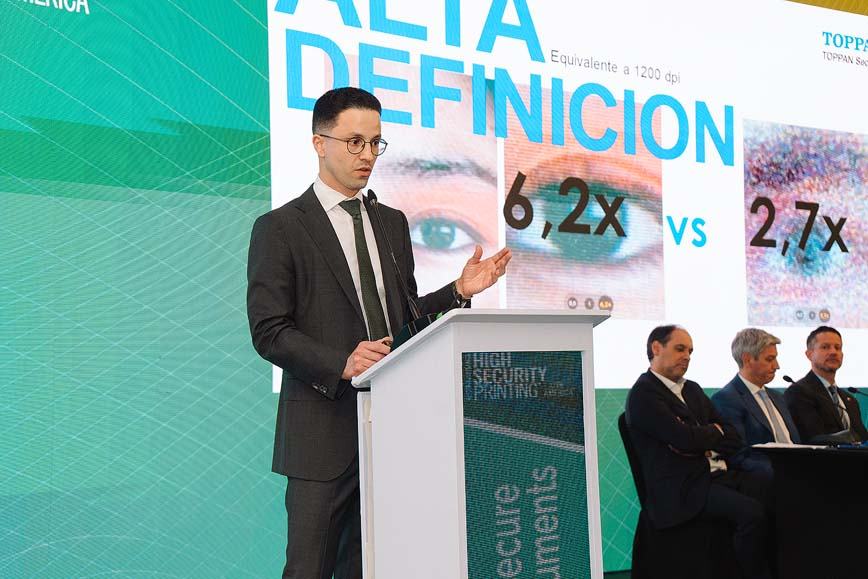
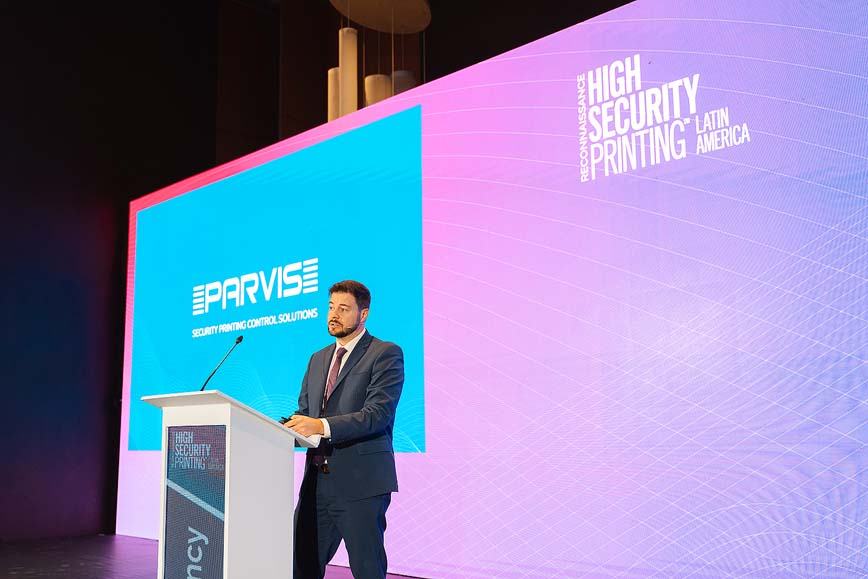
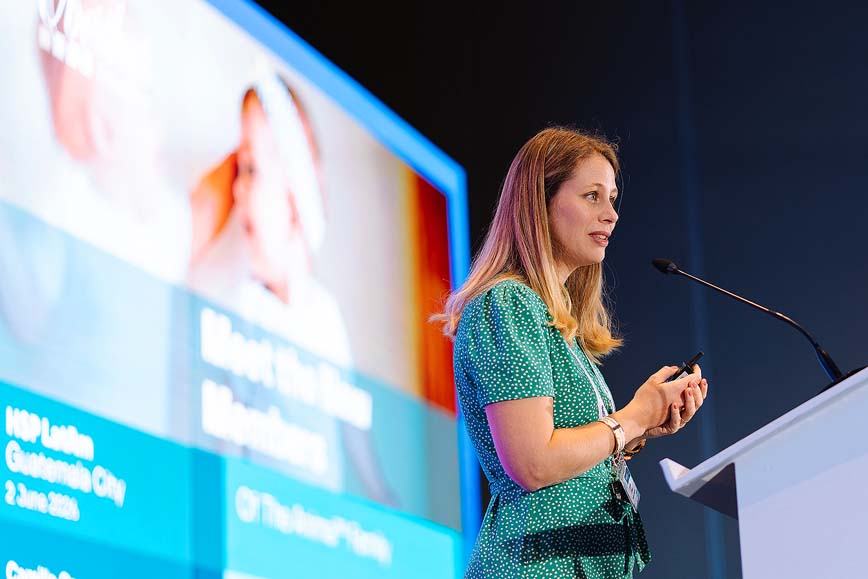
Pedro Garcia
PARVIS Systems and Services · Italy

Pedro Garcia

Pedro holds a degree in Mechanical Engineering from the Universidad Politécnica de Cartagena in Spain. During his final academic year, he joined an exchange program at the Politecnico di Milano, where he completed his final thesis project.

While living in Milan, Pedro began his professional career in the oil and gas industry, initially working as a planning technician intern and later as a full-time employee.

In 2015, Pedro joined PARVIS, where he currently works as an Account Manager, directly supporting several customers across Latin America. Since 2021, he has been based in Mexico, working closely with regional clients and operations.

Q&A

Identity

Session 4Innovation for Secure Documents

09:00

The Identification of Children and AdolescentsSlides

Rolando Kattan, National Registry of Persons, Honduras

09:20

Slides

, Corporate Services for Investigation, Document Protection and Forensic Sciences

Session 4 · Identity · Wednesday 3 June · 09:20

Public Tenders as a Decisive Factor in Implementing Document Security *Presenting in Spanish

Francisco Elias Bartolo Sanchez, Corporate Services for Investigation, Document Protection and Forensic Sciences

In Latin America, government security documents are subject to public tenders. However, many of these tenders include ambiguous or non-existent specifications, which hinder genuine competition among bidders and compromise the effectiveness of document security. We have analyzed a set of real tenders that clearly illustrate this issue, revealing non-existent security measures, security features with unclear specifications, and some security features that require significant development time and prevent the timely submission of samples for evaluation, among other issues. This raises questions such as: Who defines the security features of the documents to be tendered? Do institutions have experts who suggest these security measures? Do the documents have adequate security measures for fraud prevention and combating fraud?

Download the slides PDF · 4.2 MB · delegates only

Francisco Elias Bartolo Sanchez
Corporate Services for Investigation, Document Protection and Forensic Sciences · Mexico

Francisco Elias Bartolo Sanchez

Specialist in Graphology and Document Examination from the Free College of University Studies; Master of Criminal Sciences with a Specialization in Criminalistics from the National Institute of Criminal Sciences, National President of the Mexico Chapter of the International Society of Experts in Document Examination (SIPDO), Member of the Mexican Academy of Criminalistics, Professor at INACIPE-FGR and Research Professor at the Free College of University Studies; Expert in Graphology, Document Examination, Fingerprinting, Graphology and Criminalistics for 37 years; Director of the Corporate Services for Investigation, Document Protection and Forensic Sciences.

09:40

Slides

, Polish Security Printing Works (PWPW)

Session 4 · Identity · Wednesday 3 June · 09:40

Where Art and Science Meet: PWPW’s Enhanced Promotional Passport

Monika Kłysińska, Polish Security Printing Works (PWPW)

The presentation focuses on the state-of-the-art security technologies implemented by the Polish Security Printing Works (PWPW) in the production of passports, with a particular emphasis on their enhanced promotional passport. With over a century of expertise in the security printing industry, PWPW demonstrates its commitment to innovation and protection against identity theft and unauthorized border crossings.

Drawing inspiration from science, the promotional passport symbolizes unity and development, incorporating a modern art style and various security features developed in PWPW’s laboratories.

The presentation focuses particularly on unique technologies including specifically a new PC Data Page, as well as special watermarks, substrate coatings, and internally developed optical effect inks. It delves into printing techniques like offset, intaglio, and silkscreen, combined in various security features leveraging their safety against copying. Moreover, advanced features applied during personalization stages, such as laser-engraved microtexts, OptiqIDTM (optically variable laser engraved element with light polarization effect), AVIA™ (Data Matrix code), as well as Photoshield™ (a translucent feature in the holder’s photo), are explored, demonstrating PWPW’s commitment to innovative security solutions.

By showcasing these sophisticated security features, PWPW aims to ensure document integrity and thwart forgery attempts, inviting collaboration and emphasizing their dedication to excellence in security printing.

Download the slides PDF · 29.4 MB · delegates only

Monika Kłysińska
Polish Security Printing Works (PWPW) · Poland

Monika Kłysińska

International Sales Manager

Since 2014 holds responsibility for managing PWPW’s sales operations across the Latin American region. Her journey to this pivotal role has been marked by a rich educational background and a diverse set of experiences, combining her expertise in law, languages, and international business. Beyond her professional achievements, Monika enjoys traveling and spending time with her family.

Desde 2014, es responsable de la gestión de ventas de PWPW en la región de América Latina. Su camino hacia este puesto ha sido marcado por una formación intensa y adquisición de experiencia que sirven de nexo entre su conocimiento de derecho, idiomas y negocios internacionales. Más allá de sus logros profesionales, Monika encuentra satisfacción viajando y disfrutando de su familia.

10:00

Slides

, ANY Security Printing Company PLC

Session 4 · Identity · Wednesday 3 June · 10:00

Security Begins Below the Surface

Balázs Megyeri, ANY Security Printing Company PLC

SECURITY BEGINS BELOW THE SURFACE 
In today’s world, where digital solutions are often in the spotlight, the importance of secure paper-based documents remains essential. Certificates, tax stamps, and other official or high-value documents play a key role in everyday administration, where maintaining trust, authenticity, and integrity across borders and industries is crucial. 
With its broad portfolio of paper-based solutions, ANY combines technical expertise, innovative materials, and advanced printing technologies to create documents that are secure, reliable, and visually distinctive. Each document guarantees security and quality in every aspect. From the carefully selected materials to the integration of advanced security features, every detail is thoughtfully engineered to prevent counterfeiting and tampering. 
The presentation will demonstrate how innovation and technical expertise ensure that every certificate, stamp, or document meets the highest standards of security, reliability, and usability. Participants will explore the latest security additives and ink technologies, as well as the inspection devices and hybrid authentication solutions connecting physical and digital verification

Download the slides PDF · 6.8 MB · delegates only

Balázs Megyeri
ANY Security Printing Company PLC · Hungary

Balázs Megyeri

Chief Research and Development Officer

Balázs Megyeri is the Chief Research and Development Officer at ANY Security Printing Company PLC. He has been a member of the ANY team since September 2015. He initially utilized his expertise and years of experience in the Printing Research and Development area as a chemical engineer, and since 2022, he has been the head of the research and development organization. From the beginning, he has played a role in the creation of innovative solutions and new patents in the field of document security. He is responsible for the expert, research and development, and production activities of the Document Security Laboratory, as well as the continuous provision of the security products and solutions distributed by the Company.

10:20

Slides

, IQ Structures

Session 4 · Identity · Wednesday 3 June · 10:20

Smooth Transition into Polycarbonate

Robert Dvořák, IQ Structures

The presentation will introduce nanoDOVID® technology, a nanoengineered and nanofabricated solution for the protection of identity documents and banknotes. Major aspects of the technology, as well as its specific implementation in the protection of polycarbonate ID cards, driver´s licenses and passports, will be discussed

Download the slides PDF · 2.0 MB · delegates only

Robert Dvořák
IQ Structures · Czechia

Robert Dvořák

Managing Director

Robert has been working on development of optical security features since 2008. He has been participating on implementation of DOVIDs into polymer banknotes and has developed unique technology for integration of optical security features into the polycarbonate documents. His team is currently working on development of materials which will enable major increase in the complexity of optical protection of polycarbonate documents.

Q&A

Break and Exhibition Viewing

Currency

Session 5Advancing Efficiencies in Banknote Production and Circulation

11:30

Countering Financial Fraud: The Role of AI, Crime Mapping, and Early Warning SystemsSlides

, National Bank of Argentina

Karina Beatriz Sepulveda Huerta
National Bank of Argentina · Argentina

Karina Beatriz Sepulveda Huerta

Principal Chief of Department

Karina has been working at the “Banco de la Nación Argentina” for 25 years in the areas of organization and cash management. She holds a professional law degree, a postgraduate degree in Scientific Investigation of Crime from University Institute of the Argentine Federal Police, and a Diploma in Documentation and Forgery from the National Technological University. Karina is also the author of the book "True or False" on banknote security measures and a speaker at several international conferences in the field of document security.
11:50

Slides

, Regensburg Technical University of Applied Sciences

Session 5 · Currency · Wednesday 3 June · 11:50

The Affordability of Cash from an International Perspective

Gerhard Roesl, Regensburg Technical University of Applied Sciences

This paper analyzes the affordability of cash in an international context and argues that maintaining affordable access to cash is essential for a resilient and efficient payment system. Placing the consumer at the center of the analysis, it reviews the literature on payment instrument costs, traces costs along the entire cash cycle, and evaluates regulatory frameworks and their effects on cash demand and infrastructure. On this basis, the paper formulates policy recommendations aimed at safeguarding affordable access to cash within a diversified and inclusive payment ecosystem.

Download the slides PDF · 518.2 KB · delegates only

Gerhard Roesl
Regensburg Technical University of Applied Sciences · Germany

Gerhard Roesl

Professor

Gerhard Roesl is a Professor of Economics at the University of Applied Sciences (OTH) Regensburg with a special focus on Monetary Theory and Policy. He formerly worked at the Monetary Policy Section of the Economics Department of the Deutsche Bundesbank. His research interests include seigniorage, complementary currencies, and cash in circulation. Professor Roesl published several articles in national and international journals and continues to participate in projects with commercial banks and central banks. He is speaker of Aktionskreis Stabiles Geld, an association of Economics professors who were formerly employed by the Deutsche Bundesbank.
12:10

Slides

, Prosegur Cash

Session 5 · Currency · Wednesday 3 June · 12:10

The Importance of Cash Usage in Contemporary Society *Presenting in Spanish

Carlos Isidro de la Cruz, Prosegur Cash

Highlighting the social importance of cash and the role it plays in financial inclusion as well as the wider use within society as well as the mechanisms by which central banks and regulators can ensure its availability, distribution and the channels available for the public to choose their accessibility preference. In this presentation, Carlos will address the importance of cash in society, highlighting its role in financial inclusion, economic resilience, and freedom of choice.

Download the slides PDF · 2.4 MB · delegates only

Carlos Isidro de la Cruz
Prosegur Cash · Spain

Carlos Isidro de la Cruz

General Director of Central America

Carlos Isidro de la Cruz, General Manager of Prosegur in Central America, has over 25 years of experience in security. Throughout his career, he has led operations at Prosegur Cash, strengthening his capabilities in management, efficiency, and risk management in the cash sector. His vision combines leadership, operational experience, and a focus on innovation and excellence to bring a strategic perspective to the sector.


12:30

Slides

, Giesecke+Devrient

Session 5 · Currency · Wednesday 3 June · 12:30

Compass Banknote Intelligence (CBI)

Gyula Tressel, Giesecke+Devrient

Compass Banknote Intelligence offers a unique opportunity for organizations involved in banknote manufacturing as well as government issuing authorities. This innovative software solution is designed to import, store and analyse data collected from across the cash cycle, and supports fact-based decision making in banknote design and many other use cases. It drives the integrity and security of banknote production and issuance processes. 
This tool provides central banks and issuing authorities with deep insights into the quality and performance of circulating banknotes. By interpreting key production and processing parameters, this solution enables improved design decisions, enhanced quality control, and greater operational efficiency throughout the banknote lifecycle. 

Download the slides PDF · 2.3 MB · delegates only

Gyula Tressel
Giesecke+Devrient · Germany

Gyula Tressel

Software Sales Manager

Gyula, currently based in London, works within the Software Sales and Consultancy team, focusing on software and data-driven solutions in Currency Technology. He brings extensive experience from large-scale digital transformation initiatives in commercial banking, alongside more than 7 years working closely with central banks, including 5 years based in the UAE covering the MEA region. Earlier in his career, he collaborated extensively with Microsoft on complex banking transformation programmes. In his current role, he supports the positioning and adoption of Compass Banknote Intelligence, helping central banks translate cash-cycle analytics into decisions.

12:50

Slides

, Productivity Systems International

Session 5 · Currency · Wednesday 3 June · 12:50

Modular Resilience: A Holistic, Digitally Validated Framework for Scalable High-Security Vault Infrastructure in an Era of Geopolitical and Operational Uncertainty

Julián Mejía, Productivity Systems International

In 2026, central banks and security printers face converging pressures driven by excess material accumulation, heightened security and insurance requirements, and geopolitical uncertainty affecting supply chains, production continuity, and capital deployment. Traditional, monolithic infrastructure delivery models are increasingly capital-intensive, slow to execute, and insufficiently adaptable to phased growth or rapid capacity expansion.

This paper presents a modular, scalable framework for high-security storage and handling infrastructure designed to provide immediate capacity relief while enabling long-term institutional resilience. The model allows secure vault and handling modules to be deployed incrementally, maintaining operational continuity and full compliance with security, insurance, and regulatory standards.

Central to the approach is a holistic project management methodology that integrates all disciplines involved in the planning, design, engineering, security architecture, automation, MEP systems, construction, commissioning, and operational transition of highly specialized facilities. Rather than treating these domains as sequential or siloed activities, the framework coordinates them under a unified governance structure, ensuring interface control, risk mitigation, cost predictability, and alignment with operational objectives from concept through handover.

Digital modeling and simulation tools are employed selectively as validation and oversight mechanisms, supporting design verification, phasing strategy, cost modeling, and operational flow analysis without introducing procedural complexity.

Through a real-world application scenario, the paper demonstrates how modular vault infrastructure—governed holistically and validated digitally—can compress delivery timelines, reduce capital exposure, and create scalable, investment-grade secure logistics assets capable of transitioning from interim deployment to permanent, high-security infrastructure.

Download the slides PDF · 3.3 MB · delegates only

Julián Mejía
Productivity Systems International · United States of America

Julián Mejía

Julián Mejía is an architect and Projects Director with more than 17 years of international experience in secure infrastructure, cash logistics, and mission-critical institutional facilities. He specializes in cash centers, vaults, mints, administrative buildings, and secure logistics environments, integrating architecture, security, automation, sustainability, Digital Twin methodologies, and PMO governance. His work supports central banks, government institutions, and multinational organizations in the delivery of resilient, future-ready infrastructure for currency and high-security operations.

Q&A

Identity

Session 5The New Identity Frontier: Invisible Security, Visible Trust

11:30

Slides

, OVD Kinegram

Session 5 · Identity · Wednesday 3 June · 11:30

IDB and DOVIDs – Ironclad Security with Chip-Less Technologies *Presenting in Spanish

Jochen Kirsch, OVD Kinegram

*This presentation will be delivered in Spanish.

Machine-readable codes have been present on Latin American identity documents and drivers licenses for decades. The speech explores the advantages, as well as the risks and pitfalls, of printed digital codes, in comparison to embedded microcontrollers. A particular spotlight is shone on the ICAO standards VDS (Visual Digital Seal) and IDB (ICAO Data Structure for Barcodes).
While offering a more cost-effective and easier to implement alternative to chip-based security, machine-readable codes depend on the availability of a reliable infrastructure of devices and applications to work. Whenever the code cannot be read or verified, the user is thrown back onto the primary security features of the document. Highly tamper-resistant DOVIDs (Diffractive Optically Variable Image Devices) are a well-established, easy-to-verify security feature that has proven extremely effective in securing identity and travel documents. On this premise, it is argued that secure and interoperable machine-readable codes and state-of-the-art DOVIDs are a near fail-safe and highly cost-effective combination for making sure that the authenticity and integrity of identity documents can be ascertained by anybody under any circumstances.

Los códigos de lectura mecánica llevan décadas presentes en los documentos de identidad y permisos de conducir de América Latina. La conferencia analiza las ventajas, así como los riesgos y las trampas , de los códigos digitales impresos, en comparación con los microcontroladores integrados. Se presta especial atención a las normas de la OACI VDS (Visual Digital Seal – sello digital visual) e IDB (ICAO Data Structure for Barcodes – estructura de datos de la OACI para códigos de barras).
Aunque ofrecen una alternativa más rentable y fácil de implementar que la seguridad basada en chips, los códigos legibles por máquina dependen de la disponibilidad de una infraestructura fiable de dispositivos y aplicaciones para funcionar. Siempre que el código no pueda leerse o verificarse, el usuario recurre a las características de seguridad primarias del documento. Los DOVID (Diffractive Optically Variable Image Device – dispositivo de imagen ópticamente variable difractiva), altamente resistentes a la manipulación, son una característica de seguridad bien establecida y fácil de verificar que ha demostrado ser extremadamente eficaz para proteger los documentos de identidad y de viaje. Partiendo de esta premisa, se sostiene que los códigos de lectura mecánica, seguros e interoperables, junto con los DOVID de última generación, constituyen una combinación casi infalible y económicamente atractiva para garantizar que cualquiera pueda verificar la autenticidad e integridad de los documentos de identidad en cualquier circunstancia.

Download the slides PDF · 3.4 MB · delegates only

Jochen Kirsch
OVD Kinegram · Switzerland

Jochen Kirsch

Jochen holds college degrees from the University of Cologne, Germany and Virginia Polytechnic Institute, USA. After 15 years with Giesecke & Devrient and Veridos in various capacities, as well as several subsequent engagements with other important players in the identity solutions and machine vision industries, Jochen joined OVD Kinegram AG in spring 2025 as Area Sales Manager Latin America. A seasoned specialist for the Latin American identity solutions market, over the years Jochen has acquired broad technological and strategical knowledge.


Jochen es licenciado por la Universidad de Colonia (Alemania) y el Instituto Politécnico de Virginia (EE.UU.). Después de 15 años con Giesecke & Devrient y Veridos en varias capacidades, así como varios compromisos posteriores con otros actores importantes en las industrias de soluciones de identidad y de visión artificial, Jochen se unió a OVD Kinegram AG en la primavera de 2025 como Area Sales Manager para América Latina. Especialista experimentado en el mercado latinoamericano de soluciones de identidad, a lo largo de los años Jochen ha adquirido amplios conocimientos tecnológicos y estratégicos.

11:50

, Infineon · , Infineon

Session 5 · Identity · Wednesday 3 June · 11:50

ID Evolution: The Convergence of Digital Identity, Post-Quantum Security, and Next-Generation Credentials

Adrian Rosas, Infineon · Ksenia Egorova, Infineon

The global identity ecosystem is entering a new phase of transformation. Governments, technology providers, and system integrators are navigating a rapidly shifting landscape where digital identities, advanced verification technologies, next-generation cryptography, and innovative document solutions are redefining how trust is established in both the physical and digital worlds. 

Across the industry, new models are emerging that aim to make identity more secure, portable, and user-centric. Interoperable digital identity frameworks and secure identity wallets are enabling citizens to store and present credentials through mobile devices, supporting use cases across both public and private services. At the same time, decentralized identity and self-sovereign identity (SSI) concepts are gaining traction, introducing new approaches where individuals can control and share verifiable credentials without relying exclusively on centralized databases. 

Artificial intelligence is also playing an increasingly important role in identity verification. AI-driven biometrics, document authentication, and fraud detection are enabling faster and more secure onboarding processes, while also raising important questions around governance, trust, and the responsible use of automated decision systems. 

In this session, we will explore three of the most impactful trends shaping the future of identity in 2026 and beyond. 

First, we will examine the accelerating adoption of digital and mobile identities. Countries worldwide are piloting or deploying mobile credentials and digital identity wallets, raising a key question for the industry: are mobile identities set to replace physical documents, or will hybrid identity ecosystems combining both formats remain the long-term model? 

Second, we will address the growing importance of post-quantum cryptography (PQC). As quantum computing advances from theory toward practical reality, the identity ecosystem must prepare for a new generation of cryptographic standards capable of protecting secure documents, chips, and digital identity infrastructures in the decades ahead. 

Finally, we will explore an emerging innovation gaining attention in the secure document world: chip-in-paper technologies combined with identity solutions. This approach opens new possibilities for connected credentials, sustainability-driven identity programs, and new applications that complement traditional chip-based documents. 

Join this session to gain a strategic overview of the technologies, challenges, and opportunities shaping the next chapter of the global identity industry

Adrian Rosas
Infineon · Germany

Adrian Rosas

Adrián Rosas is a commercially driven leader with a strong passion for technology and innovation, specializing in market development within the payments, digital identity, and security industries. He currently leads the commercial strategy for Mexico and Latin America at Infineon Technologies, driving the adoption of cutting-edge solutions such as SECORA ID, NFC, and secure identity technologies. With over a decade of experience in the industry, Adrián has been involved in key projects with banks, government institutions, and technology companies, helping transform the way people identify themselves and perform digital payments. Adrian has led initiatives focused on integrating smart solutions for transportation, fintech, and digital government, positioning the company as a relevant player within the technology ecosystem. His approach combines strategic vision, strong execution capabilities, and a results-oriented mindset. Adrián is recognized for his ability to build high-value relationships, navigate complex commercial environments, and successfully close strategic opportunities. 

Ksenia Egorova
Infineon · Germany

Ksenia Egorova

Senior Manager of Application Management & Identity Solutions

Ksenia Egorova is a Senior Manager in Application Management and Business Development for Government ID projects at Infineon Technologies AG, Germany. Her main focus is to facilitate the deployment of highly-efficient and robust electronic documents and to empower partners and governments with the relevant and up-to-date knowledge about secured chips, technologies and components embedded into electronic ID documents.

12:10

Slides

, FMA Secure

Session 5 · Identity · Wednesday 3 June · 12:10

Tax Stamps and Traceability: The Shape of Things to Come

Francisco Mandiola, FMA Secure

The global excise control landscape is transforming. Revenue authorities are increasingly drawn towards fully digital approaches, including the use of non-secure 2D barcodes instead of high-security tax stamps, while at the same time facing soaring levels of illicit trade.

Against this backdrop, the International Tax Stamp Association (ITSA) plays an advisory, impartial role within the excise ecosystem. As a not-for-profit international trade body representing 29 leading providers of tax stamps, secure components, equipment, and traceability systems, ITSA advocates for resilient ‘phygital’ excise solutions that combine secure physical tax stamps with robust digital traceability, and that are independent from the industries they regulate.

In an environment of rapid technological change, ITSA’s objective is to establish itself as a leading global authority advising revenue agencies on effective, futureproof strategies for mobilising and protecting excise revenues while safeguarding legitimate trade.

This presentation introduces ITSA, its work, and the current landscape it operates in. But it is also a call to action to companies active in the excise tax stamp and traceability space that have not yet joined the ITSA movement.

To make its voice heard as a proponent of phygital, independent excise control solutions, ITSA needs to continually evolve and grow its membership. Therefore, this presentation explains why companies should consider becoming an ITSA member and what the key benefits are of signing up to this movement.

Download the slides PDF · 2.1 MB · delegates only

Francisco Mandiola
FMA Secure · Chile

Francisco Mandiola

Executive Director

Mr. Mandiola is currently head of FMA Corp, a strategic advisory firm that helps both private companies and government entities, primarily in Latin America, with their adaptation to the latest digital, security and business environments.

Mr. Mandiola began his career at a lobbying firm in Washington, DC, before entering the banking world at Lloyds Bank and then returning to Chile to Banedwards (now Banco de Chile).  He has held several executive roles in different companies and was Managing Director of SKY TV, DIRECTV, and Turner/TimeWarner in Chile as well as working for the Chilean government as Managing Director of Casa de Moneda de Chile (Chile’s State Mint and Printing Company).  In this last role, Mr. Mandiola was influential in promoting the use of Tax Stamps, which resulted in the eventual adoption of such a system by Chile’s Tax Authority.

Due to his experience, Mr. Mandiola is a frequent invited speaker at international conferences, as well as a registered consultant for ITSA (International Tax Stamp Association) and Reconnaissance International.

Mr. Mandiola holds degrees from Georgetown University in Washington, DC, and the University of California at Irvine, as well as political studies at the University of Essex.  In 2019, Mr. Mandiola was certified as a board member by the Universidad de Los Andes in Santiago.

12:30

Slides

, Supreme Electoral Tribunal

Session 5 · Identity · Wednesday 3 June · 12:30

Costa Rica: Strategically moving towards a world-class digital standard. *Presenting in Spanish

Tommy Aguilar, Supreme Electoral Tribunal

After a successful implementation, the Costa Rican Digital Identity has established itself as a key pillar of digital transformation, which will generate, in the medium and long term, tangible benefits in the modernization of the State, the dynamization of the digital economy and the significant improvement in the experience of citizens, through the reduction of processing times and the expansion of digital services.

This presentation will cover the key milestones that have made its implementation possible, highlighting the learnings and achievements achieved in the process. It will also explore the vision for the future, which includes the expansion of its adoption on a large scale, advances in interoperability and integration with both public and private services. It will show how strategic sectors such as banking, health, education, transport and commerce will be enhanced, promoting a more efficient, secure and inclusive digital ecosystem, and how Costa Rica is positioned as a regional benchmark in digital identity, laying the foundations for a sovereign, reliable, citizen-centered model aligned with the most demanding global standards.

Download the slides PDF · 1.6 MB · delegates only

Tommy Aguilar
Supreme Electoral Tribunal · Costa Rica

Tommy Aguilar

Mr. Tommy Aguilar Peralta is the Coordinator of Technological Strategy Management of the Supreme Electoral Tribunal of Costa Rica, with more than 20 years of experience in the area of information technologies. He has led projects related to biometric engines, implementation of personalization centers, as well as managing the project that implemented the Costa Rican digital identity. His strategic vision will provide a valuable perspective on the issue of digital identity documents and the future vision of their usefulness in the different sectors of the country.

Q&A

Lunch

Award Winners Photo Opportunity - Plata (Currency Room)

Session 6Next-Generation Security: Innovations in Authentication and Protection Technologies

14:30

Serialization Meets Innovation, Micro-Perforation for High Security ProductsSlides

, ZEISER

Thorsten Tritschler
ZEISER · Germany

Thorsten Tritschler

Thorsten Tritschler started his career with Zeiser more than 45 years ago. 
After his apprenticeship and several internships in production planning, assembly, service and others, he moved to the Sales Department in 1990.  
As Sales Manager and later Sales Director, he was responsible to establish a sales & distribution network in the Middle East, CIS and Asia.  
After heading several Business Units, he became Executive Vice President for Sales & Service in the Atlantic Zeiser Group, responsible for the global activities in Security Printing and Cards Technology. 
When the company was re-organized in 2018, he has been appointed as Managing Director & CEO of the renamed ZEISER GmbH and its affiliates.  
Thorsten holds a dual Executive MBA from GSBA Zurich and the State University of New York (SUNY) Albany/USA.  

14:50

, Quantum Base

Session 6 · Wednesday 3 June · 14:50

Impossibly Simple. Atomically Secure

Tom Taylor, Quantum Base

An exploration of how a technology born in a university physics lab became a scalable industrial secure product. The engineering breakthroughs required, the lessons learned from real-world deployment and what quantum authentication means for the future of secure 

Tom Taylor
Quantum Base · United Kingdom

Tom Taylor

CEO

Tom is Quantum Base’s CEO, and works closely with Quantum Base’s security printing and brand partners, helping them to implement user friendly digital solutions that improve security and reduce costs. Tom’s background is software engineering, with a focus on the digital transformation of governments. Tom believes strongly that technology can improve the lives of citizens by transforming government programmes.
15:10

DataVault – Digging for Data… Quicker, Deeper, SmarterSlides

, Reconnaissance International

Astrid Mitchell
Reconnaissance International · United Kingdom

Astrid Mitchell

Editor

Astrid Mitchell is Chief Executive of Reconnaissance International. She has a degree in politics from Durham University, and began her career in the M&A department of De La Rue in 1983. She subsequently worked in a variety of marketing positions for the company before joining Applied Holographics (now OpSec) as Marketing Director. She then joined German banknote and passport printer Bundesdruckerei, before joining Reconnaissance in 2002, where she was responsible for company's move into high security, through publications such as Currency News (of which she is the editor), and events such as the HSPs and Coin Conference. She was also responsible for the company’s expansion into tax stamps and identity and is a regular contributor to Reconnaissance’s other monthly publications covering authentication, ID and secure documents, tax stamps and holography. She was appointed Chief Executive in 2016.

15:30

, +LATINA Seguridad Documental

Session 6 · Wednesday 3 June · 15:30

Improving Security Features Through Multispectral Analysis *Presenting in Spanish

Mario Alvarez Cordeiro, +LATINA Seguridad Documental

The document forensic service of security printing laboratories is responsible for issuing reports that conclude on genuineness and counterfeit status of questioned documents. However, the analysis and characterization of security features through different techniques allows us to make valuable contributions to enhancing security features, whether through previously unidentified characteristics that boost document protection and make them more attractive to users. The analysis and characterization of security features allow us to combine science and art to strengthen the protection, aesthetics, and end-user interest in physical security measures. We will present case studies that demonstrate this approach to contribute to our community.


Mario Alvarez Cordeiro
+LATINA Seguridad Documental · Argentina

Mario Alvarez Cordeiro

Forensic Document Examiner, Universidad Nacional de Lomas de Zamora, specialized in Document Security, FDE senior  and sales manager at +LATINA Seguridad Documental. National and international speaker on forensic document analysis, researcher, and author of articles such as “Characterizing pen strokes produced using various commercially available thermochromic inks,” published in the journal “Forensic Sciences Research” by Oxford University Press, 2024. Expert in counterfeit dollar detection, providing training to international forensic laboratories on this subject.

Q&A

Closing Remarks and Farewell Cocktail Reception

Presentations

Delegates only: use the password sent to delegates by the event team.

Download all · 36 files · 235.2 MB
HSPL2026

Attendees

134 organisations from 40 countries
  • AdvanIDe AmericasUruguay
  • Andrews & WykehamUnited Kingdom
  • ANY Security Printing Company PLCHungary
  • ARTAZNUnited States of America
  • AuthentixUnited States of America
  • Banco Central de ChileChile
  • Banco Central de HondurasHonduras
  • Banco Central del UruguayUruguay
  • Banco de GuatemalaGuatemala
  • Banco de MéxicoMexico
  • Banknote Corporation of AmericaUnited States of America
  • Bank of ZambiaZambia
  • Bogu TechnologiesEl Salvador
  • BP SecurityBrazil
  • Brazilian Federal PoliceBrazil
  • Cadena S.A.Colombia
  • Canadian Bank Note CompanyCanada
  • Carabineros de Chile, Department of Criminalistics-LABOCAR.Chile
  • Casa de Moneda de ChileChile
  • Casa de Moneda de la República ArgentinaArgentina
  • CCL SecureAustralia
  • Central Bank of BelizeBelize
  • Central Bank of Costa RicaCosta Rica
  • Central Bank of ParaguayParaguay
  • Central Bank of SudanSudan
  • Central Bank of the Dominican RepublicDominican Republic
  • CETISSlovenia
  • CoritAustria
  • Corporate Services for Investigation, Document Protection and Forensic SciencesMexico
  • Crane CurrencyUnited States of America
  • CST - Crime Science TechnologyFrance
  • Currency ResearchUnited States of America
  • DANAIDEArgentina
  • DASCOM AmericasUnited States of America
  • De La RueUnited Kingdom
  • Demax HologramsBulgaria
  • DIPAHungary
  • Dominican Republic Passport AgencyDominican Republic
  • Drewsen SpezialpapiereGermany
  • Embassy of Canada in Guatemala
  • EntrustUnited States of America
  • Federal Reserve BoardUnited States of America
  • Fiscalía General en MéxicoMexico
  • FMA SecureChile
  • FNMT (Fabrica Nacional de Moneda y Timbre - Real Casa de la Moneda)Spain
  • Formas InteligentesMexico
  • foster + freemanUnited Kingdom
  • General Tax AdministrationAngola
  • GET GroupUnited States of America
  • Giesecke+DevrientGermany
  • Gleitsmann Security InksGermany
  • GWT Wasser- und WärmetechnikAustria
  • HID GlobalUnited States of America
  • Holliston Holdings LLCUnited States of America
  • Hueck FolienAustria
  • Hungarian Banknote Printing CompanyHungary
  • Hunkeler SystemeSwitzerland
  • IMAPROK SASColombia
  • Immigration Department of ArubaAruba
  • Imprenta de Billetes (IMBISA)Spain
  • Infineon TechnologiesBrazil
  • IN GroupeFrance
  • INNI GlobalGuatemala
  • Instituto de Publicaciones y Estadísticas S.A (IPESA)Argentina
  • Instituto Universitario Policía Federal ArgentinaArgentina
  • Intelident S.A.Switzerland
  • IQ StructuresCzechia
  • Iqtek SolutionsDominican Republic
  • Junta Central ElectoralDominican Republic
  • JURAHungary
  • Keesing TechnologiesNetherlands
  • Koenig & BauerSwitzerland
  • Komori CorporationJapan
  • LandqartSwitzerland
  • +LATINA Seguridad DocumentalArgentina
  • Leonhard KURZGermany
  • Linxens FinanciereFrance
  • Luminescence Sun Chemical SecurityUnited Kingdom
  • LuminochemHungary
  • MaskTechGermany
  • MaycomGuatemala
  • Melzer MaschinenbauGermany
  • Membraflow Control SystemsGermany
  • Midas DominicanaDominican Republic
  • Ministry of Finance, MexicoMexico
  • Ministry of Migration, GuatemalaGuatemala
  • M. One AGSwitzerland
  • Monnaie de ParisFrance
  • MühlbauerGermany
  • MUTSCH LATAMPanama
  • National Bank of ArgentinaArgentina
  • National Institute of Forensic Sciences, GuatemalaGuatemala
  • National Records CentreEl Salvador
  • National Registry of Natural Persons, El SalvadorEl Salvador
  • National Registry of Persons, ArgentinaArgentina
  • National Registry of Persons, HondurasHonduras
  • NORKIM
  • NXP SemiconductorsMexico
  • Oberthur FiduciaireFrance
  • OnfidoUnited Kingdom
  • Orell Füssli Security PrintingSwitzerland
  • Orlando Villena EspinozaBolivia
  • OTH RegensburgGermany
  • OVD KinegramSwitzerland
  • Papierfabrik LouisenthalGermany
  • PARVIS Systems and ServicesItaly
  • PETRELFrance
  • Polish Security Printing Works (PWPW)Poland
  • Portals PaperUnited Kingdom
  • Primi Tecnologia LtdaBrazil
  • Proaction ComercialMexico
  • Productivity Systems InternationalUnited States of America
  • Prosegur CashSpain
  • Quantum BaseUnited Kingdom
  • RegulaLatvia
  • Royal Canadian MintCanada
  • Royal Dutch Kusters EngineeringNetherlands
  • Security FibresUnited Kingdom
  • Security Solutions LeonHonduras
  • SELPFrance
  • SICPASwitzerland
  • SPICAItaly
  • Su Papel SAArgentina
  • Supreme Electoral TribunalCosta Rica
  • ThalesFrance
  • Thomas Greg & SonsColombia
  • Toppan SecurityUnited Arab Emirates
  • TROY GroupUnited States of America
  • Ultra TechPanama
  • Unitec Blue S.AArgentina
  • U.S. Embassy GuatemalaGuatemala
  • ZEISERGermany
  • ZetesBelgium
  • ZUBR GROUP CAVenezuela
HSPL2026

Sponsors

Platinum

  • Formas Inteligentes

Supporting

  • Banco de Guatemala

Diamond

  • Hueck Folien
  • IQ Structures

Gold

  • BP Security
  • Canadian Bank Note Company
  • CCL Secure
  • De La Rue
  • GET Group
  • IN Groupe
  • Komori Corporation
  • Landqart
  • Oberthur Fiduciaire
  • Polish Security Printing Works (PWPW)
  • Security Fibres
  • SICPA
  • Thales
  • Toppan Security

Silver

  • Demax Holograms
  • FNMT (Fabrica Nacional de Moneda y Timbre - Real Casa de la Moneda)
  • Giesecke+Devrient
  • JURA
  • Leonhard KURZ
  • Louisenthal
  • Luminescence Sun Chemical Security
  • OVD Kinegram
  • PARVIS Systems and Services

Exhibitors

  • ANY Security Printing Company PLC
  • Banknote Corporation of America
  • Bogu Technologies
  • CETIS
  • CST - Crime Science Technology
  • DASCOM Americas
  • foster + freeman
  • IAI Industrial Systems
  • Infineon
  • IXLA
  • Luminochem
  • MaskTech
  • Melzer Maschinenbau
  • MUTSCH LATAM
  • PETREL
  • Quantum Base
  • SPICA

Media

  • Currency News
  • ID & Secure Document News
Gallery · 92 photos

Workshops
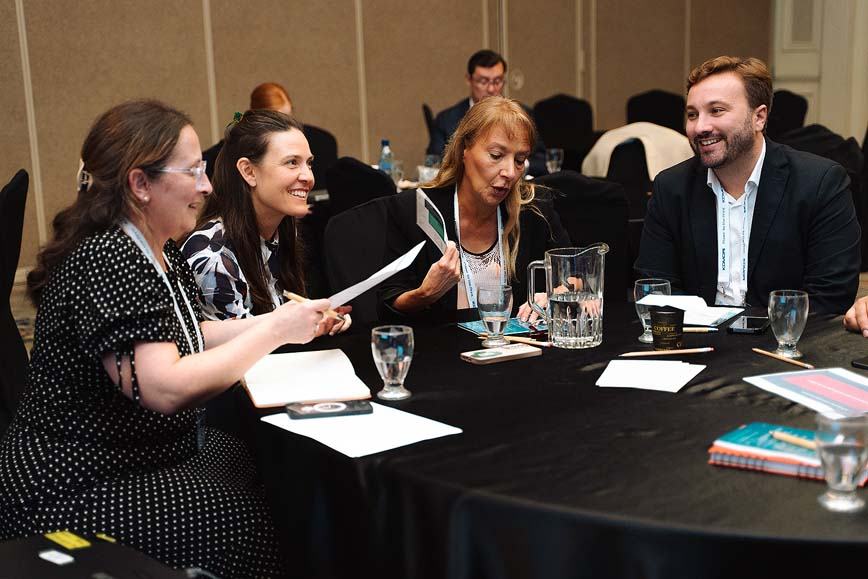
Gallery · 66 photos
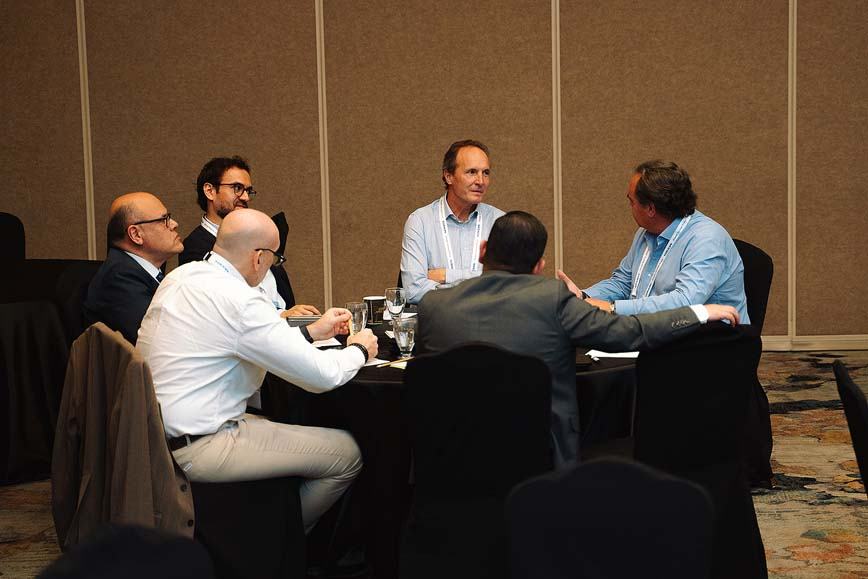
Exhibition
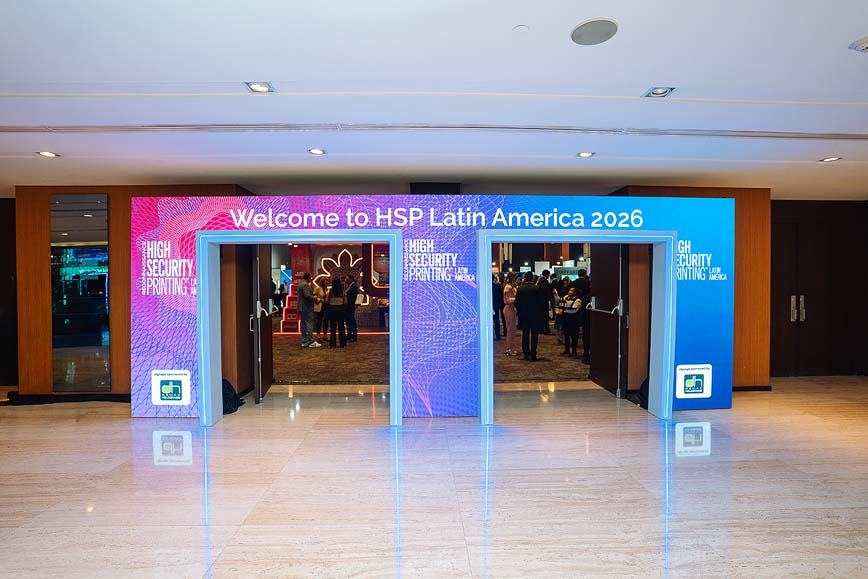
Gallery · 75 photos

Social events
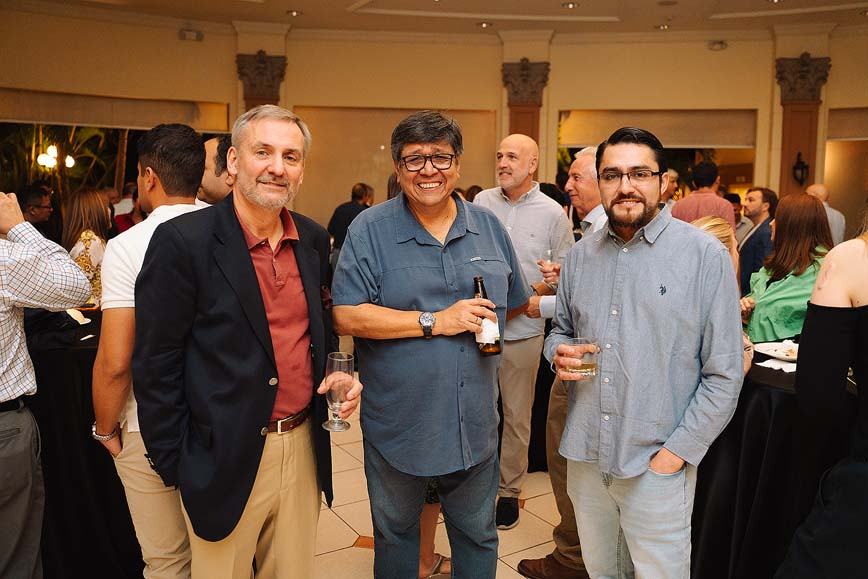
Gallery · 80 photos
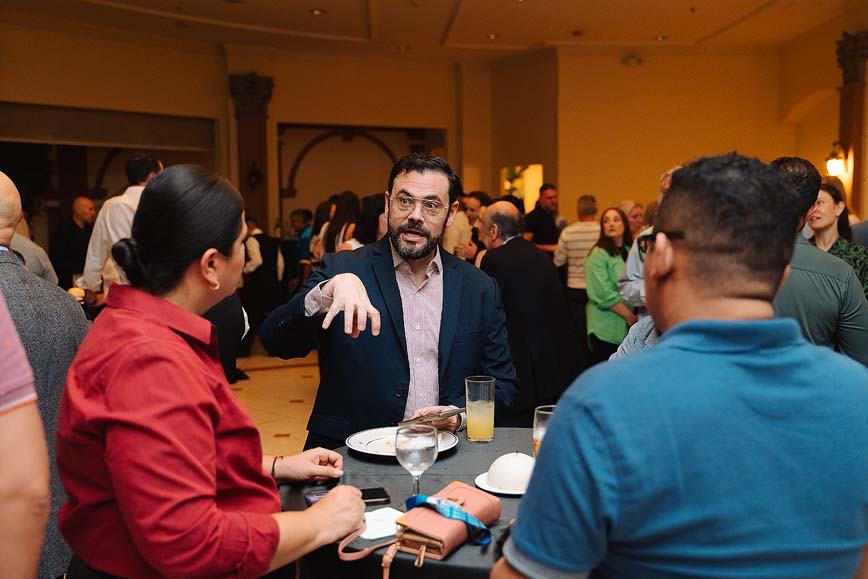
Awards
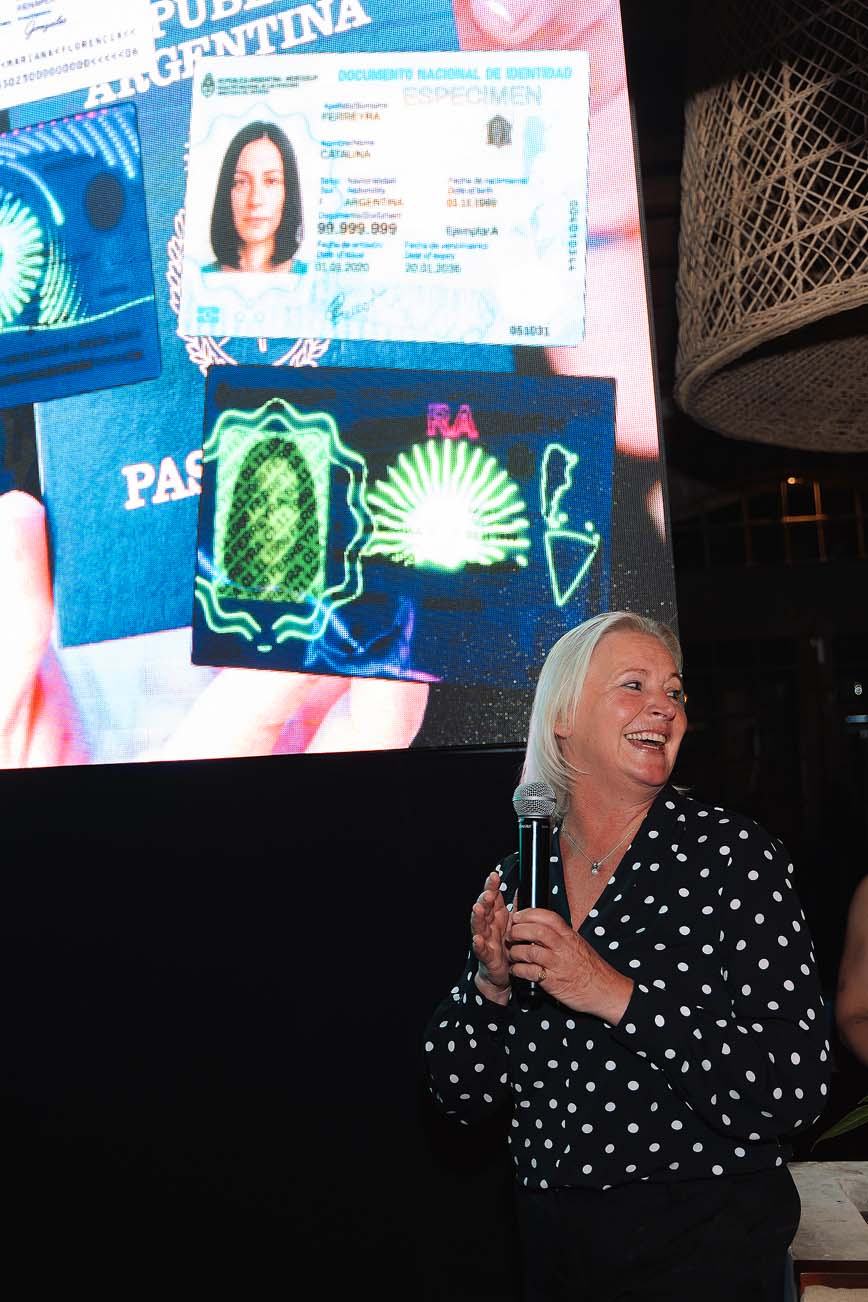
Gallery · 29 photos
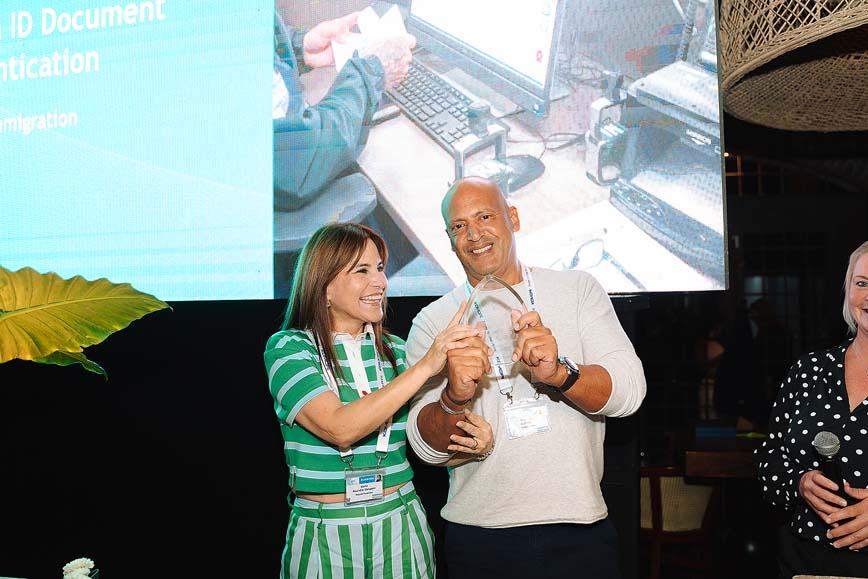
Football

Gallery · 100 photos

Tours
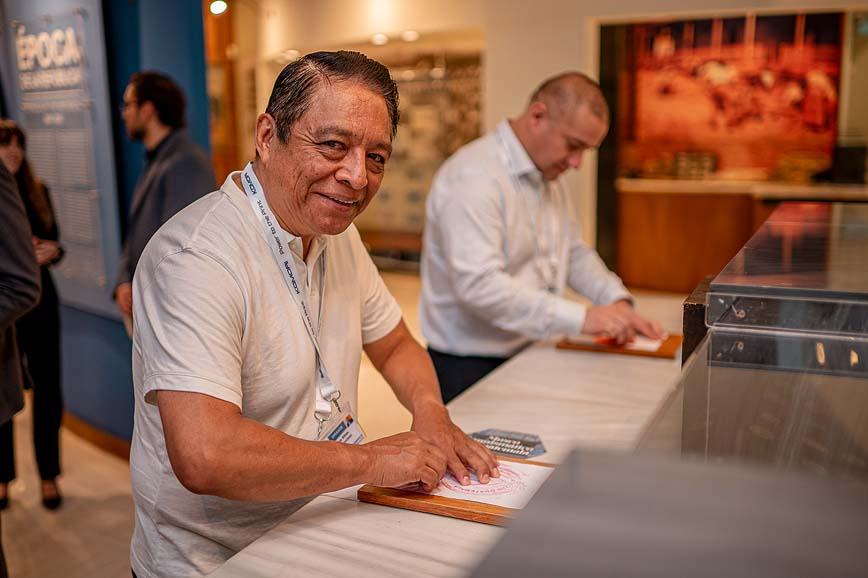
High Security Printing Americas
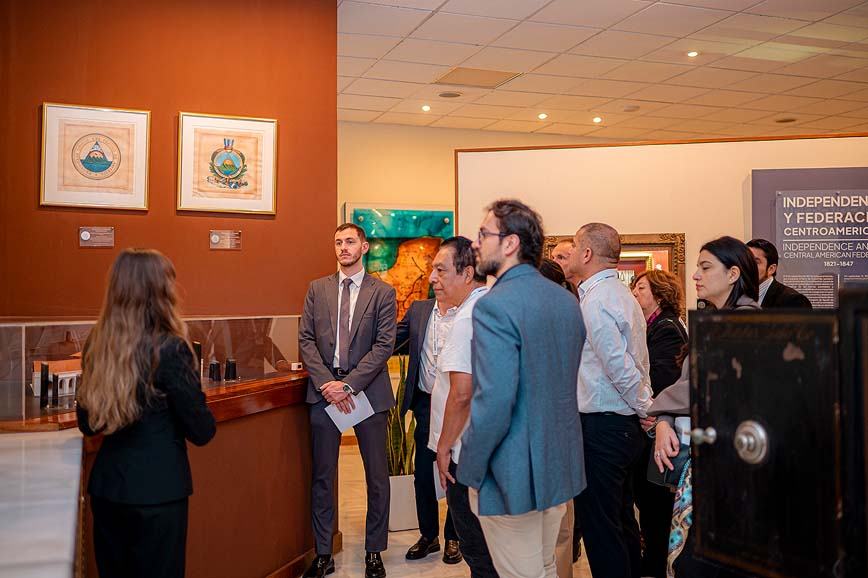
Register your interest

Areas of interest